
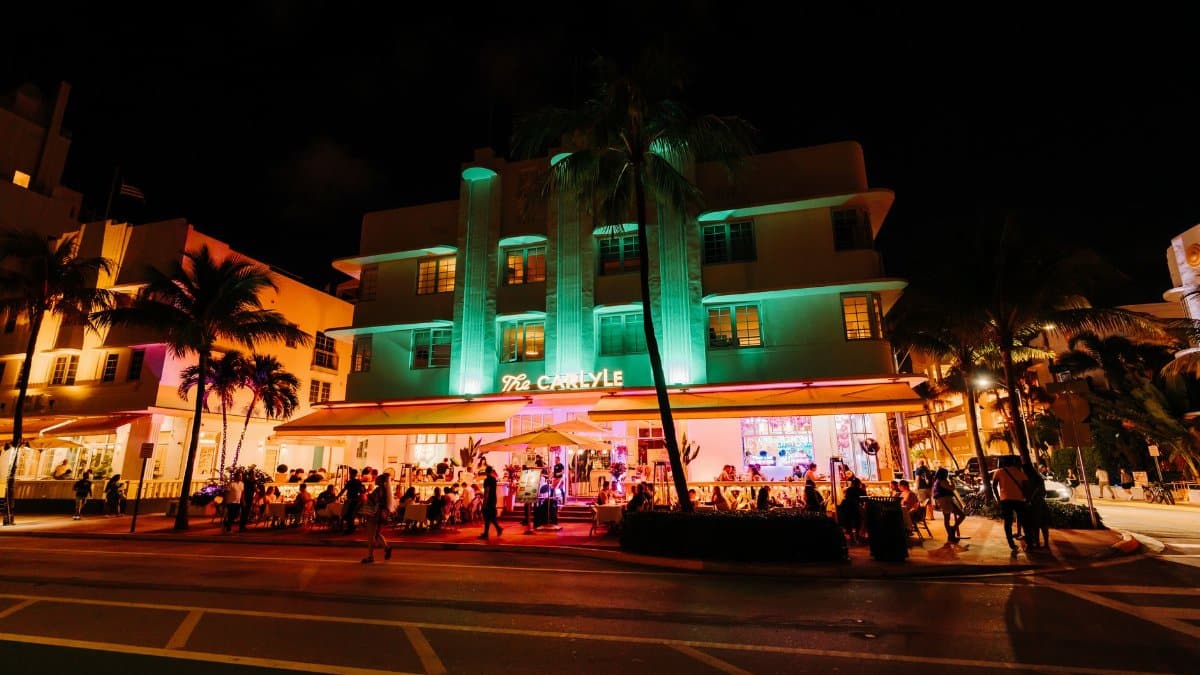
In the heart of South Florida a series of Miami restaurant closings has prompted conversations about how cities evolve and what gets left behind when familiar places disappear. Diners who once gathered at long standing spots now find themselves searching for new routines while owners weigh rising costs against shrinking margins. The trend touches on broader shifts in real estate tourism patterns and consumer habits that have reshaped neighborhoods over the past several years. One notable example involves the Hard Rock Cafe at Bayside which closed its doors after decades serving visitors and locals alike. Such changes invite reflection on the role restaurants play beyond mere meals as anchors for community memory and daily life.
Shifting economics behind recent decisions

Rising rents and labor expenses have placed pressure on many independent operators across the region. Property values in popular districts continue to climb making it harder for establishments with modest profit margins to remain viable. Some owners cite supply chain disruptions that drove up ingredient costs without corresponding increases in what customers are willing to pay. These factors combine to create an environment where even successful concepts must consider relocation or outright closure rather than renewal of leases.
Hard Rock Cafe exit marks an era
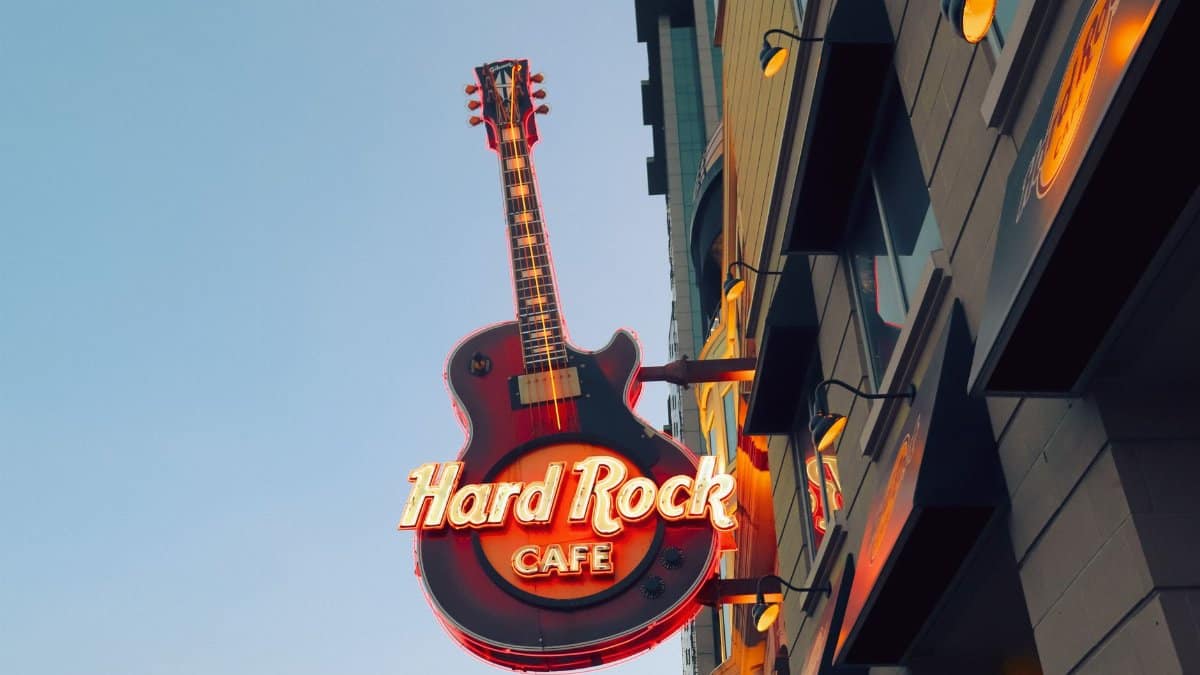
The departure of the Hard Rock Cafe at Bayside removed a fixture known for its music memorabilia and steady stream of tourists. Employees spoke of the sudden notice that left them seeking new positions in an already competitive market. Regular patrons expressed surprise at the loss of a venue that had hosted countless birthdays and casual meetups over the years. The space now sits empty awaiting whatever concept might fill the vacancy in a high traffic tourist corridor.
Taquiza closure alters beachside options

Taquiza had built a following for its focused menu of tacos and casual atmosphere near the ocean. Its sudden shutdown reduced choices for quick affordable meals in an area dominated by higher priced alternatives. Former customers now travel farther for similar flavors while the owner explores possibilities elsewhere. The move highlights how even niche successes can falter when fixed expenses outpace revenue growth.
Yardbird original site ends its run

The first location of Yardbird closed after establishing a reputation for Southern inspired dishes in a neighborhood that has seen rapid change. Loyal guests recall weekend brunches that drew crowds from across the city. Staff transitions and the search for comparable work have become common stories among those affected. This particular closing underscores the difficulty of sustaining early successes amid evolving local demographics.
Community responses to ongoing losses
Residents have begun organizing informal gatherings to share memories of closed restaurants and to support remaining businesses. Social media posts document favorite dishes now unavailable and speculate on what might come next. Some neighborhoods have seen pop up events that attempt to recreate the social function once provided by these venues. The collective sense of loss extends beyond food to the shared experiences that defined daily life for many families.
Broader patterns in Miami restaurant closings
Data from local business associations shows Miami restaurant closings occurring at a steady pace throughout the past year. Analysts point to a combination of pandemic aftereffects and new competition from delivery platforms that reduce in person traffic. While some areas attract fresh investment others struggle to retain even established players. Observers note that the pattern resembles shifts seen in other coastal cities facing similar economic pressures.
Future outlook for the dining scene

Industry watchers suggest that surviving restaurants will need to adapt through menu innovation or partnerships with property developers. Newer arrivals may focus on flexible spaces that allow lower overhead during slow periods. Longtime operators emphasize the importance of loyal customer bases that can weather temporary downturns. The coming months will likely reveal whether current trends stabilize or accelerate further consolidation.