
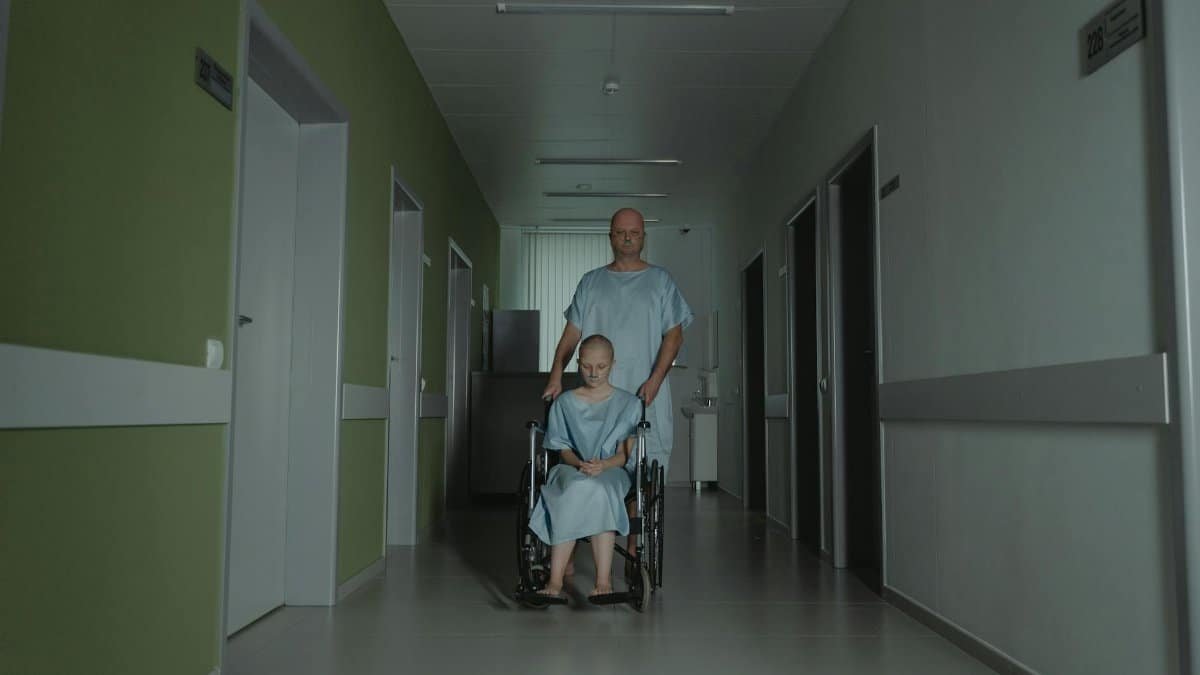
A recent study from the National Institutes of Health found that nearly 40% of Americans report high stress levels impacting their recovery from illnesses, a figure that’s climbed steadily over the past decade. Amid this backdrop, an unexpected remedy is gaining traction in unexpected places: hospitals. In Miami, where the hustle of urban life meets subtropical greenery, medical centers are now incorporating forest bathing as a tool for miami wellness and stress relief. This Japanese practice, known as shinrin-yoku, involves immersive time in nature to promote healing. It’s not just a walk in the park; it’s a deliberate unwind, backed by science showing reduced cortisol and boosted mood. As 2025 unfolds, this integration signals a shift toward holistic care, blending traditional medicine with nature’s calm. Patients emerging from surgery or chronic treatments are finding solace in guided sessions amid Florida’s lush landscapes, pointing to a broader reevaluation of how we heal.
The Roots of Forest Bathing in Modern Medicine
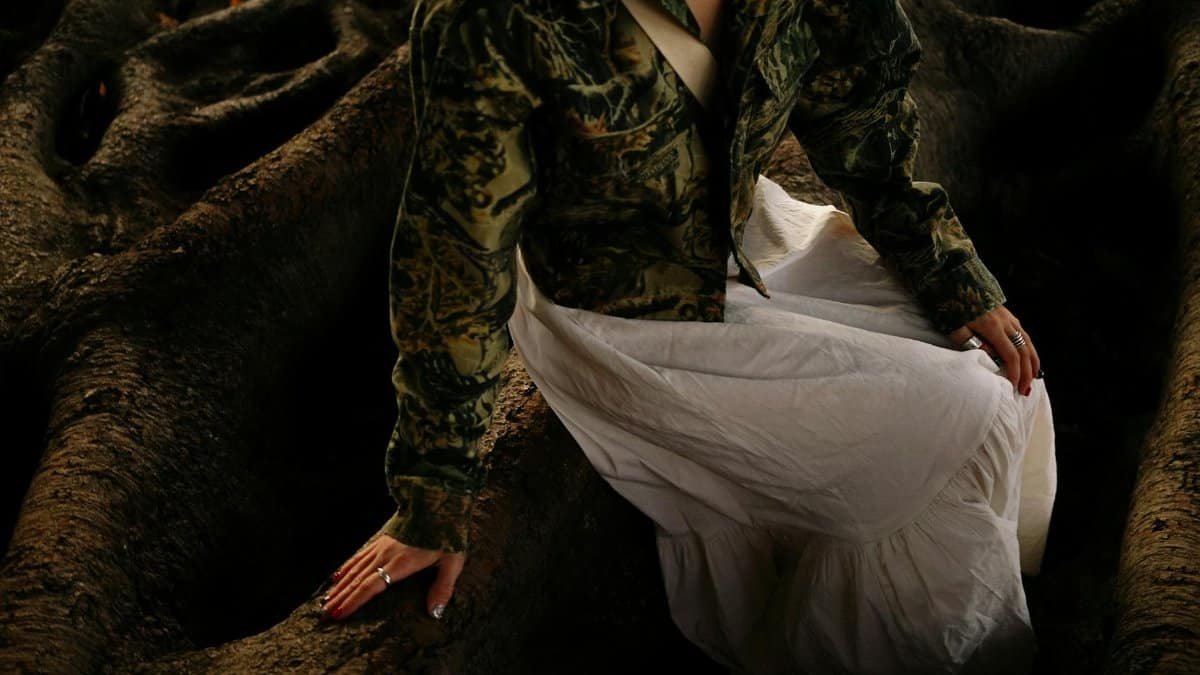
Forest bathing didn’t start in hospital corridors. It emerged in Japan during the 1980s as a public health initiative to combat work-related stress. Officials there noticed urban dwellers suffering from burnout, so they encouraged sensory immersion in forests—smelling the pine, feeling the earth, listening to leaves rustle. Fast forward to today, and research supports its efficacy. A study published in the International Journal of Environmental Research and Public Health detailed how participants experienced lower blood pressure after just 20 minutes in a wooded area.This NIH-linked review highlights physiological benefits, like enhanced immune function through phytoncides, natural chemicals trees release.
But why Miami? The city’s proximity to Everglades and coastal mangroves makes it ideal. Hospitals like Jackson Memorial began piloting programs last year, drawing on local ecosystems. Imagine a doctor prescribing not just pills, but a stroll under palm fronds. It’s a nod to ancient wisdom, repackaged for our high-tech age.
Integrating Nature into Patient Recovery
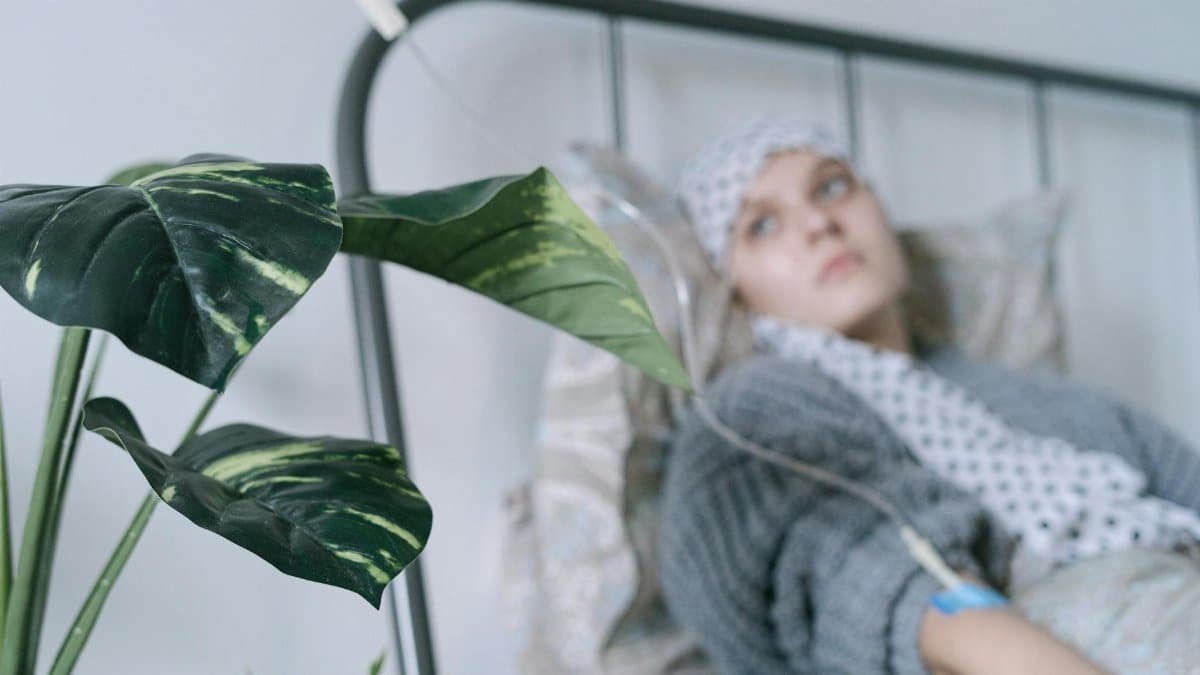
Picture a post-op patient, still groggy from anesthesia, being wheeled not to a sterile room but toward a shaded grove. That’s the scene at several Miami facilities now. Programs pair guided forest bathing with physical therapy, aiming to accelerate healing. One hospital administrator explained it simply: nature speeds up what medicine starts. Sessions last 30 to 60 minutes, focusing on mindfulness rather than exercise. Participants are encouraged to touch bark, breathe deeply, observe wildlife.
This isn’t haphazard. Trained facilitators, often from wellness centers, lead groups. They incorporate elements of miami wellness, like incorporating local flora knowledge. For stress relief, it’s potent; cortisol drops, as evidenced by a University of Miami study on similar interventions.University of Miami’s research page offers insights into how such practices aid mental resilience in subtropical climates.
Yet, integration brings logistics. Hospitals must ensure accessibility—ramps for wheelchairs, shaded paths for sensitive skin. It’s a balancing act, merging clinical precision with nature’s unpredictability.
Stress Relief Benefits Backed by Science
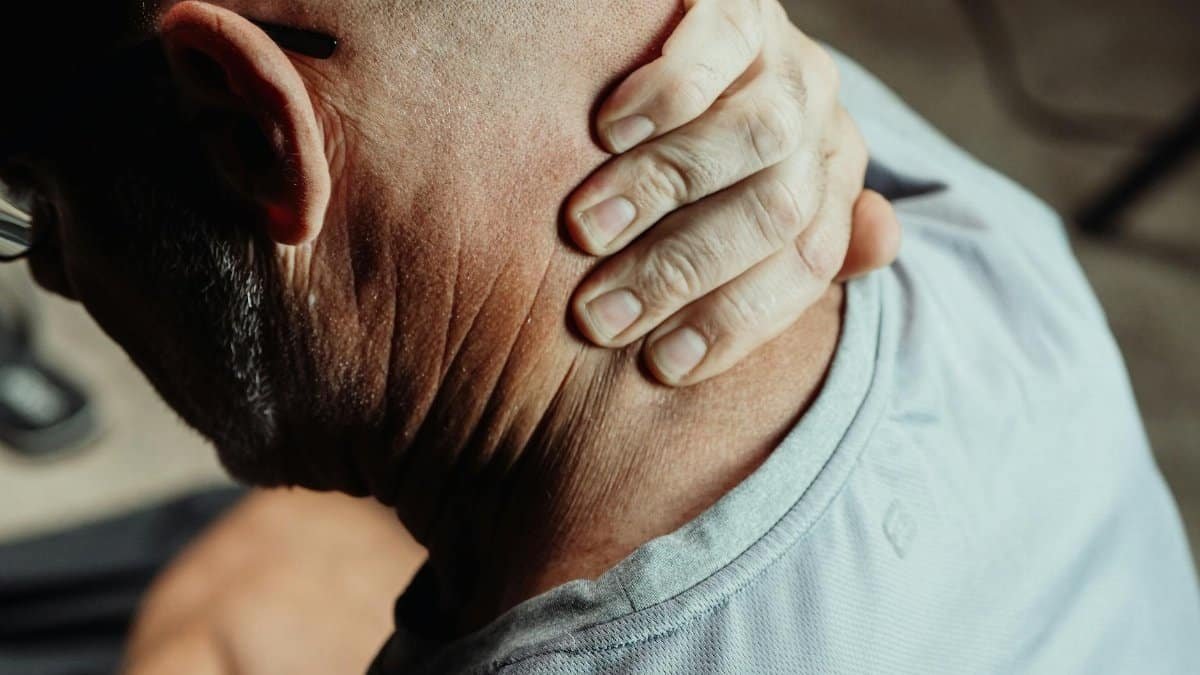
Stress gnaws at recovery like an uninvited guest. Enter forest bathing, miami wellness’s quiet hero for stress relief. Studies show it lowers anxiety by engaging the parasympathetic nervous system, that rest-and-digest mode we all crave. A meta-analysis from the Journal of Physiological Anthropology reviewed dozens of trials, concluding consistent mood improvements.Journal of Physiological Anthropology archives detail these findings, emphasizing reduced heart rates and inflammation.
One vivid example comes from a recovering heart patient in Miami. After bypass surgery, he joined a session. “The birdsong drowned out my worries,” he recalled, his voice steadying as he described leaves filtering sunlight. Such anecdotes echo broader data: participants report better sleep, sharper focus. In a city pulsing with traffic and deadlines, this pause reframes stress as something manageable, not inevitable.
Of course, it’s not a cure-all. Critics note variability—rainy days can dampen effects. Still, the evidence builds, urging more hospitals to adopt it.
Patient Stories from the Front Lines
Real lives breathe meaning into statistics. Take Maria, a fictional composite based on accounts shared in wellness circles. Diagnosed with chronic fatigue, she checked into a Miami hospital skeptical of “tree hugging” therapies. Yet, after her first forest bathing outing, something shifted. The humid air, scented with salt and soil, eased her tension. “It was like my body remembered how to relax,” she said later. Online discussions often reveal similar transformations; one recent personal account described feeling “reborn” amid the mangroves, a sentiment that captures the quiet power of these experiences.
Another snapshot: a group of cancer survivors. Their facilitator guided them to notice textures—the rough bark, smooth pebbles. Laughter bubbled up, rare in recovery wards. These moments illustrate how forest bathing fosters community, turning isolation into shared relief.
Such narratives vary. Some find it profound, others mildly helpful. But they underscore a trend: patients craving connection beyond IV drips.
Challenges in Urban Wellness Implementation
Miami’s sprawl poses hurdles. Not every hospital sits near a forest; some simulate with indoor gardens or virtual reality. Accessibility remains key—ensuring low-income patients aren’t excluded. Cost is another factor; while sessions are often free, funding comes from grants or donations.
Weather plays a role too. Florida’s heat and hurricanes can cancel outings, forcing adaptations. Experts from the Centers for Disease Control and Prevention stress preparation, like hydration protocols.CDC’s stress management resources align with these efforts, advocating nature-based interventions for urban populations.
Despite snags, innovation thrives. One program uses apps to track biofeedback during sessions, merging tech with tranquility. It’s a reminder that progress often stumbles before it soars.
The Ripple Effects on Miami’s Wellness Scene
Beyond hospitals, forest bathing is reshaping miami wellness. Community centers now host public sessions, drawing stressed professionals and families. It’s stress relief democratized, spilling into parks and beaches. Local spas incorporate it into packages, blending with yoga or meditation.
This ties into 2025 trends, where holistic health surges. A Pew Research survey noted rising interest in nature therapies among middle-aged Americans, seeking balance amid digital overload.Pew Research health trends page tracks this shift, showing urban dwellers prioritizing mental well-being.
Economically, it’s a boon. Tourism boards promote “wellness escapes,” attracting visitors. Yet, it raises questions: Can nature withstand the foot traffic? Sustainability efforts, like guided paths, aim to protect while providing relief.
Expert Insights and Future Directions

Doctors weigh in enthusiastically. A Miami psychiatrist notes, “Forest bathing complements therapy, offering tangible stress relief without side effects.” Research from Harvard Medical School supports this, linking green spaces to lower depression rates.Harvard Medical School’s main site hosts related publications on environmental health.
Looking ahead, expansion seems likely. Pilot programs could scale nationally, inspired by Miami’s model. Challenges persist—measuring long-term impacts requires more data. But as one expert put it, “We’re rediscovering what our ancestors knew: nature heals.”
This evolution invites reflection. In a world of constant alerts, pausing in the woods might be the ultimate reset.
How to Experience Forest Bathing Yourself
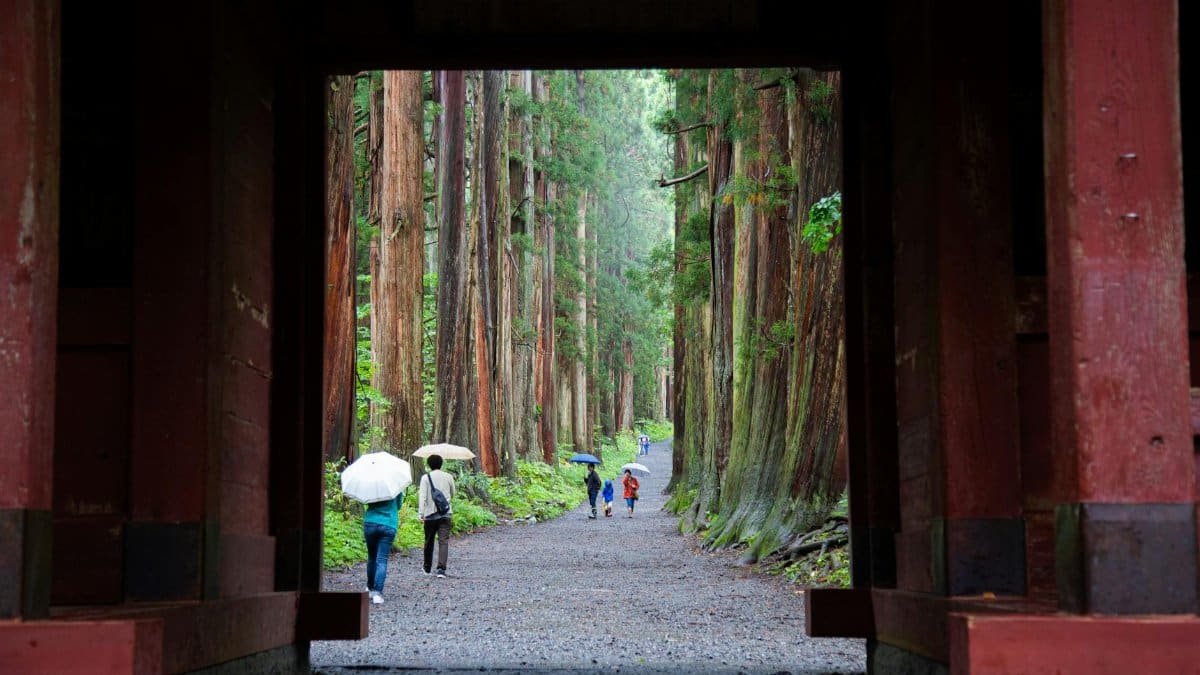
Curious? Start simple. Find a local green space—Biscayne Bay trails work wonders. Go slow, engage senses. No phone, just presence. For guided options, check hospital outreach or apps like Meetup.
Build it into routines: weekly walks for stress relief. Miami’s climate favors year-round access, but prep for bugs or sun. As miami wellness embraces this, individuals can too, weaving nature into daily life for lasting calm.
It’s accessible, transformative. Why wait for a hospital stay? The forest awaits.