
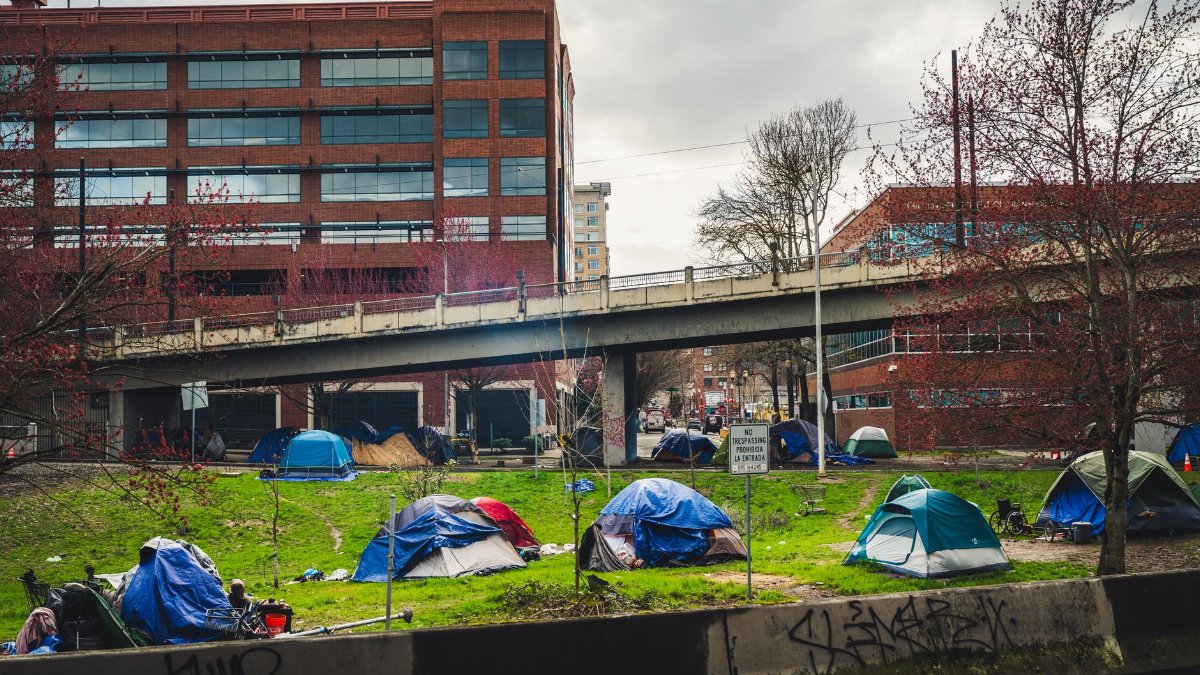
Miami city leaders have moved to tighten rules around street camping in a way that could reshape daily life for many residents and visitors alike. The recent vote by the commission focuses on the Miami homeless ordinance which aims to shorten the time between a warning and possible arrest when individuals decline offered shelter space. This change comes amid ongoing debates about public spaces safety and the best ways to address visible homelessness in a city known for its vibrant streets and tourism economy. Observers note that the measure reflects broader pressures on local governments to balance compassion with order as encampments have grown in certain neighborhoods over recent years.
Details of the Commission Decision

The vote passed with support from a majority of commissioners who argued that existing processes took too long to resolve complaints about tents and makeshift shelters in parks and sidewalks. Under the new framework a single verbal warning followed by confirmation that a shelter bed is available can lead to enforcement action more quickly than before. Officials emphasized that the goal remains connecting people to services rather than punishment alone yet critics worry the pace could lead to more frequent arrests without addressing root causes such as housing shortages.
Reactions from Local Advocates

Groups focused on housing rights expressed concern that the Miami homeless ordinance might strain already limited shelter resources and push vulnerable adults further from stable support. Some advocates described the timeline as too rushed noting that many individuals facing homelessness deal with mental health challenges or past trauma that require more than a quick offer of a bed. They called for expanded outreach teams and guaranteed long term housing options instead of faster legal steps.
Impact on Public Spaces and Tourism

Business owners in high traffic areas welcomed the quicker enforcement timeline saying visible encampments can deter visitors and affect the local economy. Areas near downtown and the beaches have seen increased complaints in recent months prompting the commission to act. The change could mean cleaner sidewalks and parks within weeks though some residents question whether the underlying issues of poverty will simply shift to less visible locations.
Comparison with Other Cities

Similar measures in places like Los Angeles and San Francisco have produced mixed results with some reductions in street presence but also reports of displaced populations moving to outskirts. Miami officials reviewed those experiences before finalizing their approach yet adapted the rules to fit local shelter capacity and legal precedents. The Miami homeless ordinance stands out for its emphasis on verified bed availability before any arrest proceeds.
Role of Shelter Availability Checks
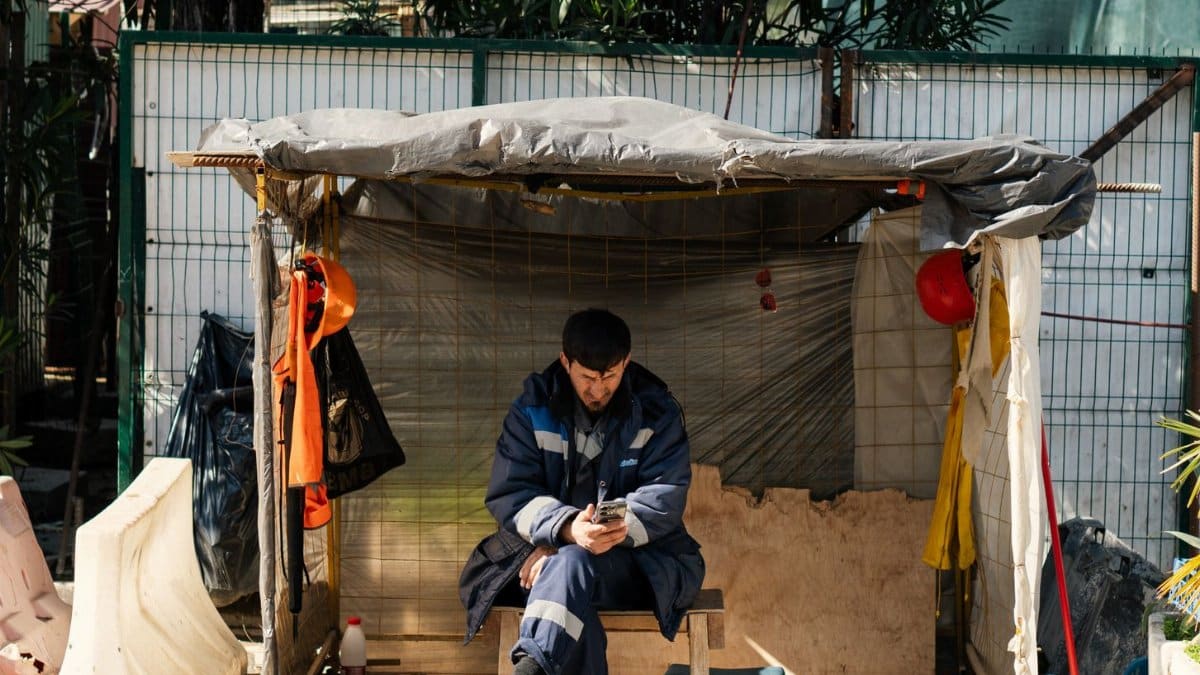
A key element requires staff to confirm an open bed exists before issuing a citation or making an arrest. This safeguard aims to prevent situations where people are penalized for refusing nonexistent options. City data shows shelter occupancy rates fluctuate and outreach workers will play a larger part in real time verification under the updated process.
Concerns About Mental Health Support

Many people experiencing homelessness in the region also manage serious mental health conditions that make standard shelter rules difficult to follow. Experts suggest the ordinance could increase encounters with law enforcement without corresponding increases in specialized care teams. Community organizations are urging the city to pair enforcement with additional funding for mobile clinics and counseling programs.
Potential Legal Challenges Ahead

Lawyers representing affected individuals have signaled plans to review the ordinance for compliance with court rulings on camping bans elsewhere in the country. Past cases have highlighted the need for adequate alternatives before enforcement and the Miami version attempts to meet that standard through bed checks. Still ongoing litigation could shape how quickly the rules take full effect.
Broader Trends in Urban Policy

The commission action fits into national conversations about how cities manage public spaces amid rising housing costs. Several states have considered statewide restrictions while others invest more heavily in permanent supportive housing. Miami approach combines both enforcement speed and service referrals though success will depend on follow through from multiple agencies.
Next Steps for Implementation

City staff will train police and outreach personnel on the new procedures over the coming weeks with full rollout expected by early next month. Monitoring reports will track arrest numbers shelter placements and any shifts in encampment locations. Residents and business groups are invited to share feedback through public meetings scheduled throughout the summer.