

In the hushed corridors of a Manhattan venture capital firm, Alex Rivera, a 42-year-old partner, strides into a pivotal pitch meeting. No pinstripe suit clings to him, no silk tie knots at his throat. Instead, a crisp white oxford shirt tucks neatly into slim wool trousers, paired with a lightweight cashmere crewneck sweater and polished loafers. He commands the room effortlessly, his look polished yet unpretentious. This is the essence of the quiet luxury wardrobe hack quietly revolutionizing menswear: investing in a curated capsule of elevated basics that deliver sharp style without the extravagance of bespoke tailoring. As suits gather dust in closets across America, men are rediscovering versatility and value in timeless pieces that transcend trends.
The Fading Allure of Traditional Suits
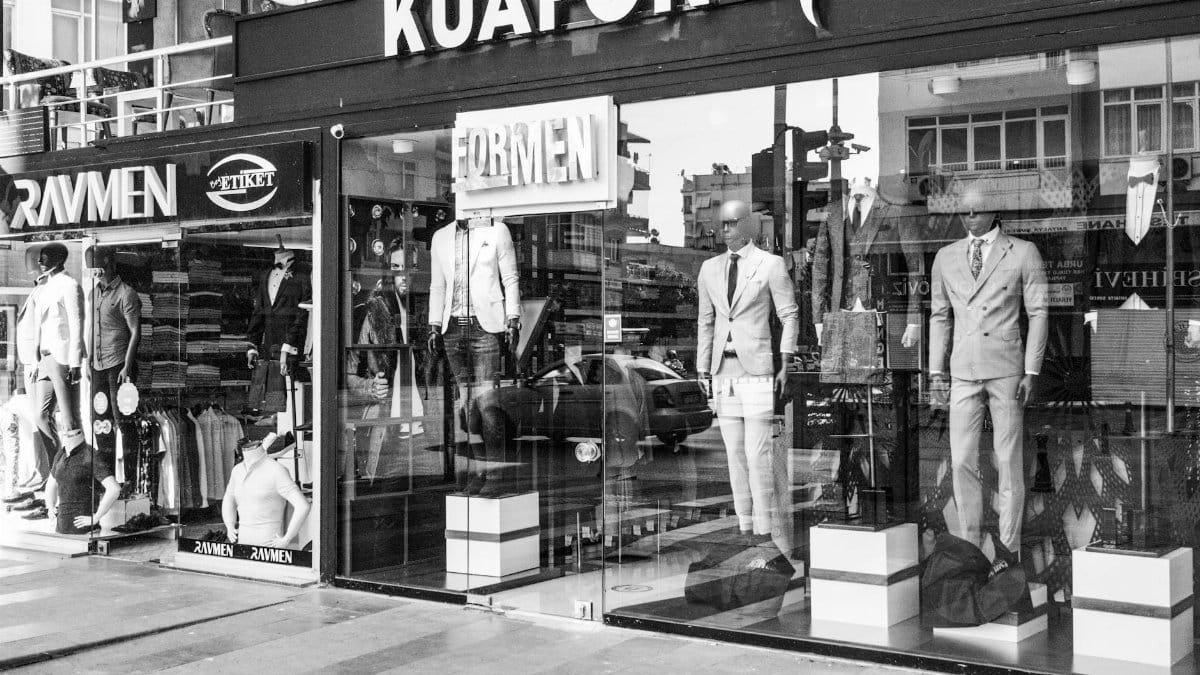
Suits once defined male professionalism, from Wall Street traders to Hollywood leading men. Yet in recent years, the ritual of suiting up has waned. Remote work accelerated the shift during the pandemic, blurring lines between office and home. A 2023 survey by the menswear retailer Bonobos found that 68 percent of men under 50 now prefer flexible attire for hybrid schedules. Tailors in New York and London report a 40 percent drop in suiting orders since 2020. The quiet luxury wardrobe hack emerges as a practical response, favoring garments that adapt seamlessly from Zoom calls to client dinners.
Quiet Luxurys Roots in Understated Elegance
The term quiet luxury gained traction during fashion weeks in Milan and Paris, championed by brands like Loro Piana and The Row. It rejects logos and ostentation for superior craftsmanship in neutral palettes. For men, this translates to the wardrobe hack of prioritizing fabric quality over fleeting designs. Think merino wool over polyester blends, Italian cotton shirts that breathe, and trousers with a subtle taper. GQ highlighted this evolution in a recent piece, noting how celebrities like Ryan Gosling embody it on red carpets (GQ, 2026 Wardrobe Trends).
Building the Capsule: Five Essential Pieces
At its core, the quiet luxury wardrobe hack revolves around a compact set of staples. Start with three white oxford cloth button-down shirts in fine cotton, around $150 each from brands like Everlane or J.Crew. Add navy wool trousers ($300) with a clean line, versatile for layering. A camel cashmere sweater ($400) provides warmth without bulk, while unstructured blazers in gray flannel offer suit-like structure sans formality. Finally, leather loafers or derbies ($500) ground the look. Total investment: under $2,500 for a foundation that mixes endlessly, compared to $5,000 for multiple suits.
Cost Savings That Add Up Over Time
The financial appeal is undeniable. A single Savile Row suit can exceed $4,000, plus $200 annual alterations. Multiply by four for seasonal variety, and costs soar past $20,000 over a decade. The wardrobe hack flips this script. High-quality basics endure dry cleaning and wear, lasting five to ten years. Data from the menswear analytics firm Edited shows quiet luxury items retain 75 percent resale value on platforms like The RealReal. Men embracing this save thousands annually, redirecting funds toward travel or family, all while appearing more refined.
Adapting for Professional Versatility
Office life demands adaptability. Pair the wool trousers with a knit polo for casual Fridays, or layer the sweater over an oxford for interviews. Footwear rotates: sneakers like Common Projects Achilles for creative agencies, brogues for finance. This hack accommodates diverse industries, from tech hubs in San Francisco to ad firms in Chicago. One executive shared in a Wardrobe Oxygen interview how swapping suits for these pieces boosted his confidence, feeling modern without sacrificing authority.
Celebrities Leading the Charge
Hollywood heavyweights validate the trend. Timothée Chalamet favors oversized cashmere knits with tailored pants at premieres. Anderson Cooper sports simple button-downs on air, proving televisions glare favors subtlety. Even athletes like Roger Federer post-retirement opt for quiet luxury in Rolex ads. These icons demonstrate the hacks broad appeal, influencing middle-aged professionals scrolling Instagram for inspiration. Fashion forecasters predict this will dominate 2026 runways.
Expert Insights on Fabric and Fit

Stylist Thom Prioleau, who dresses Fortune 500 CEOs, emphasizes fit as the hacks linchpin. “Hem trousers to break once over the shoe, shirts to skim the hips,” he advises. For fabrics, seek superfine merino (under 18 microns) to avoid itch. A study by the International Wool Textile Organisation confirms these materials regulate body temperature better than synthetics, enhancing comfort (IWTO Performance Report). Tailoring one investment piece elevates the entire capsule.
The Sustainable Edge of Elevated Basics

Beyond savings, quiet luxury aligns with eco-conscious values. Fast fashion suits disintegrate after a season, contributing to textile waste. The Ellen MacArthur Foundation reports menswear accounts for 10 percent of global carbon emissions. Durable basics reduce purchases by 50 percent, per a McKinsey sustainability analysis (McKinsey State of Fashion 2023). Brands like Filippa K use recycled cashmere, merging ethics with elegance.
Seasonal Layering Strategies

The hack shines in transitions. Summer calls for linen shirts and lightweight chinos; winter, shearling-lined coats over thermals. Neutral tones—navy, gray, beige—ensure cohesion. Accessorize sparingly: a leather belt matching shoes, a simple watch. This modularity means 10 pieces yield 30 outfits, far surpassing suits rigid formality.
Overcoming Common Pitfalls
New adopters falter on uniformity. Avoid identical shirts; vary collar styles. Size inclusivity grows, with brands like Bonobos offering extended ranges. Budget tip: thrift high-end seconds from consignors like Union Square Goods. Maintenance matters—air out knits, spot-clean wools—to preserve longevity.
Real Men, Real Results

Take Mark Ellis, a 48-year-old architect in Seattle. He ditched his suit rotation for the quiet luxury wardrobe hack two years ago. “I save $3,000 yearly, look better, and pack lighter for trips,” he says. Forums like Reddit r/malefashionadvice buzz with similar testimonies, threads garnering thousands of upvotes.
Looking Ahead to 2026

As AI reshapes workplaces, dress codes loosen further. The quiet luxury wardrobe hack positions men to thrive: professional, economical, enduring. Its not about frugality but discernment—choosing pieces that whisper success. In an era of excess, this approach restores intention to dressing, proving less truly yields more.