

On a gray morning in central Minnesota, a mother sat in a clinic hallway with a toddler whose fever would not break. The child had stopped drinking. A nurse kept checking the rash spreading down the chest, then called a colleague who already knew what the pattern meant. Families in the waiting room spoke in low voices about cousins who were sick too. That ordinary waiting room is one face of the Minnesota measles outbreak, a return of a virus many parents had never seen in their own childhoods.
A foothold in a place that thought the danger was gone
Measles never fully left the world, but for years it felt distant to most Minnesotans. Vaccination had pushed it to the margins. This year the margins moved. State health officials have counted 160 cases, the highest total in decades, and the largest share has been tied to a cluster in Todd County. The number is not an abstraction. It is hospital beds, missed work, and nights when a child cannot keep fluids down.
Doctors who treat these patients describe a disease that looks mild at first and then is not. Fever, cough, red eyes, and a rash can give way to pneumonia or to dehydration severe enough to need intravenous fluids. In a small community, one sick household can touch a church gathering, a work crew, and a school bus before anyone has a name for the illness.
How a Todd County cluster took shape

Todd County is rural, with long roads between farms and towns where people know one another by name. Public health investigators have traced much of this year’s spread to Amish households there. Close family life is a strength of those communities. It is also the setting measles prefers. The virus travels in the air. A person can be contagious before the rash appears, which means a visit to a relative can seed the next case before anyone feels alarm.
Officials have said the cluster grew through unvaccinated contacts rather than through a failure of the vaccine itself. Where immunity is high, measles struggles. Where immunity is thin, it moves. That pattern is old. What feels new is how quickly a local pocket can become a statewide concern once people travel for work, worship, or family events.
What physicians are watching in exam rooms
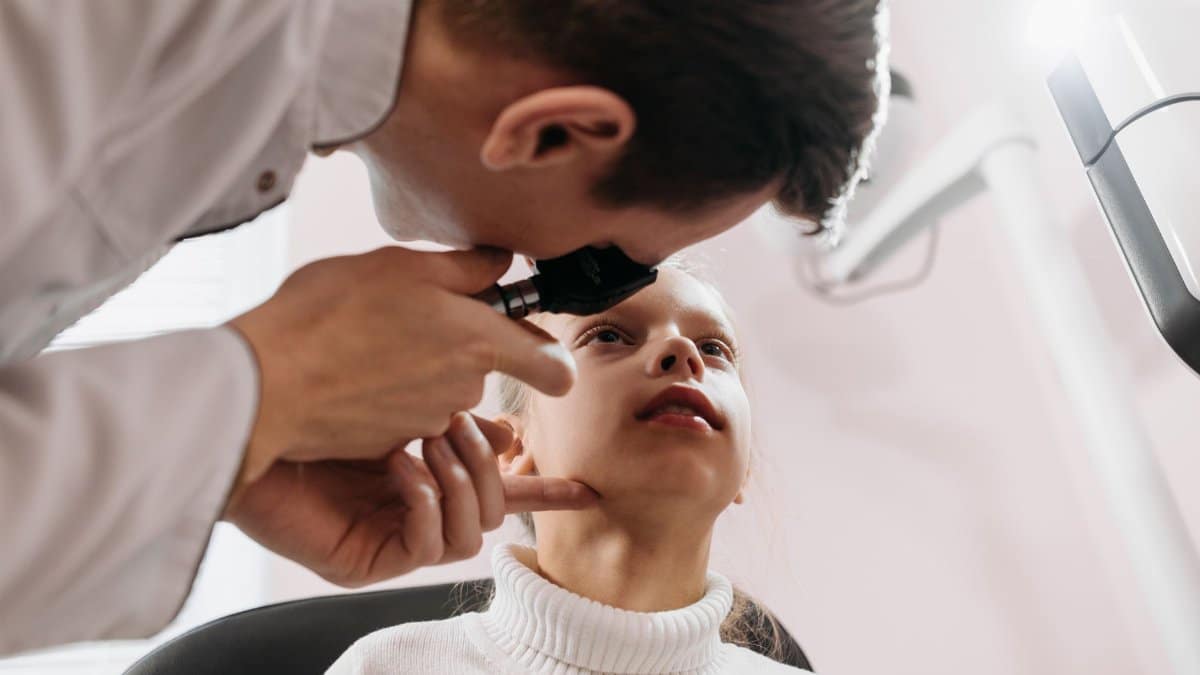
Pediatricians across the state have been refreshing skills they rarely needed. They are looking for Koplik spots, the tiny white marks inside the mouth that can appear before the rash. They are asking about travel and about gatherings. They are also watching for the complications that send children to emergency departments: ear infections, lung inflammation, and, less often, brain swelling.
Severe dehydration is the complication families mention most when they talk about the worst days. A child who will not drink can decline in hours. Measles inflames the gut as well as the airway. Diarrhea and fever together pull water from a small body faster than a parent can replace it with sips. Clinics in the region have kept extra oral rehydration supplies on hand and have urged families not to wait if a child becomes listless.
The Centers for Disease Control and Prevention describes measles as one of the most contagious viruses known to medicine. Its overview of symptoms and prevention is at https://www.cdc.gov/measles/about/index.html. Two doses of the measles, mumps, and rubella vaccine remain the standard protection for people who can receive them.
Faith, custom, and a hard conversation
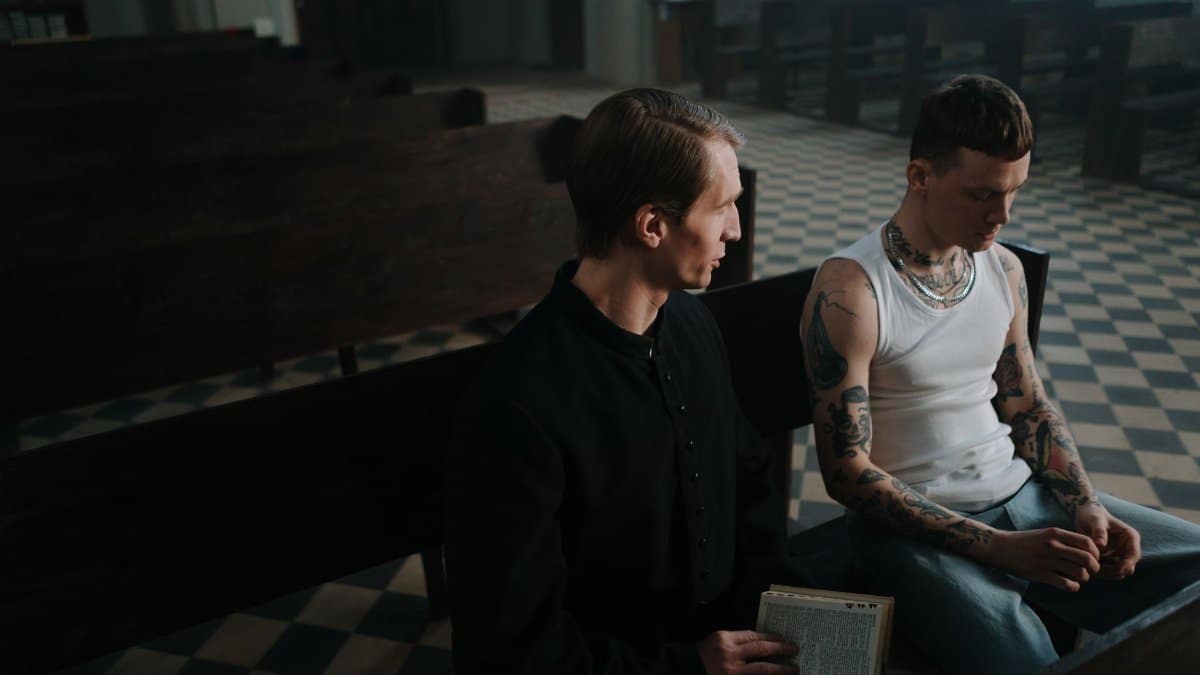
Any honest account of this cluster has to sit with faith as well as with epidemiology. Amish life is not a single doctrine. Districts differ. Some families accept vaccines. Others decline them out of caution, custom, or a wish to limit entanglement with outside institutions. Bishops and parents weigh those choices inside a culture that values humility, mutual aid, and separation from haste.
Public health workers who have built trust in Todd County tend to speak less about mandates and more about neighbors. They ask what a family has already seen. They offer vaccine clinics in places that feel familiar. They do not pretend that a pamphlet replaces a relationship. Spiritual leaders, for their part, have been asked to hold two truths at once: that prayer and care for the sick are central to community life, and that a preventable illness can still empty a pew.
The tension is not unique to one tradition. Congregations of many kinds have argued about medicine, authority, and the body. What the Minnesota measles outbreak adds is urgency. Measles does not pause for a committee meeting.
Memory of earlier Minnesota waves

The state has been here before, under different names and in different neighborhoods. A large outbreak in 2017 centered on Somali American families in the Twin Cities after years of worry, fed by false claims, that the measles vaccine was linked to autism. That fear was studied and rejected. The damage to confidence remained. Health departments spent years in mosques, apartments, and clinics rebuilding a case that science had already made.
Those years matter now. They showed that shame is a poor public health tool. Families who felt targeted pulled further away. Families who were met with translators, consistent clinicians, and time sometimes came back. Rural Amish communities are not the same as urban immigrant communities, but the lesson travels. People protect their children according to the story they trust.
The Minnesota Department of Health posts case updates and guidance for clinicians and the public at https://www.health.state.mn.us/diseases/measles/index.html. Those pages are the clearest running account of where this year’s infections have been found.
Schools, chores, and the spaces where air is shared
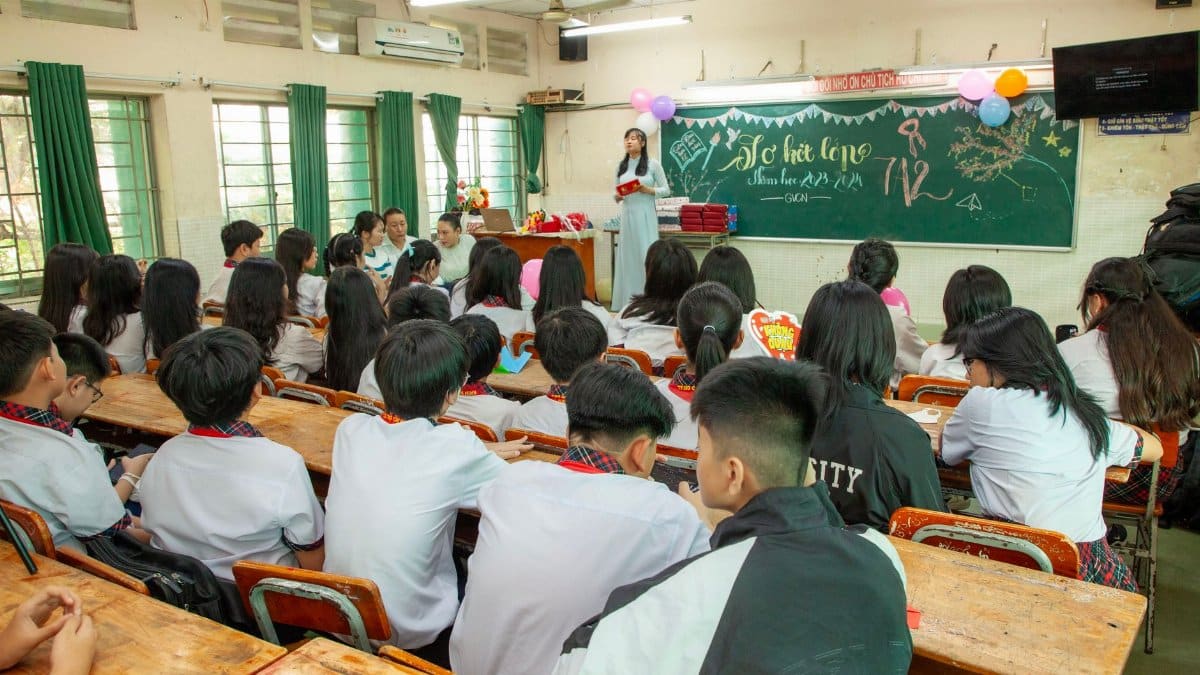
Measles does not need a stadium. A one room school, a barn raising, a kitchen where several generations cook, a van full of relatives on the way to a wedding: each is enough. The virus can linger in a room for up to two hours after a sick person leaves. That fact turns ordinary kindness into a transmission route. A neighbor who drops off soup may already be carrying the illness home.
School nurses and county nurses have been mapping exposures with a care that looks, from the outside, like bureaucracy. It is closer to genealogy. Who sat beside whom. Who rode in which vehicle. Who is too young for a first dose and therefore depends on everyone else. Infants and people with weakened immune systems cannot always be vaccinated on the usual schedule. Their safety is borrowed from the immunity around them.
The bill that illness sends
A measles case is also an economic event. A parent misses shifts. A clinic adds staff. A hospital isolates a room because the virus is so easily shared. For a family without insurance, or with a high deductible, the fear of the bill can delay the visit that would have prevented a worse one. Amish households often pay medical costs in cash or through community funds. That system is generous. It is also finite when many families fall ill in the same month.
There is a longer bill that does not show up on an invoice. Measles can wipe out immune memory for other infections, a phenomenon researchers call immune amnesia. Children who recover may spend months more vulnerable to germs they had already met. The science is still being refined, but clinicians say it matches what they see: a child who seems over the rash and then catches everything else.
What officials are asking families to do
The requests from health departments are plain. Stay home if you have fever and a rash. Call before you walk into a clinic so staff can protect other patients. Keep infants away from gatherings if measles is circulating nearby. Check vaccination records. A first dose is typically given at twelve to fifteen months, a second before school, though timelines can shift during an outbreak for people who have been exposed.
Isolation is the part families resent, and also the part that works. Measles patients are generally kept apart until four days after the rash begins. In a culture built on visiting the sick, that instruction feels cold. Nurses who know the communities try to pair it with practical help: who can bring food to the porch, who can tend animals, who can watch the children who are not ill. Care does not have to mean sitting in the same room.
A wider map than one county
Todd County is the center, not the whole story. Cases linked to travel and to other under vaccinated pockets have appeared elsewhere in Minnesota. Airports, colleges, and hospital waiting rooms are the usual worry in a mobile state. A single imported case can fade if it lands among vaccinated people. It can branch if it lands where immunity is low. That is why epidemiologists talk about footholds. A virus does not need to conquer a state. It needs a neighborhood where it can practice.
Nationally, measles has been climbing again as vaccination rates slip in scattered counties. The pattern is patchy, which is why averages mislead. A state can look well protected on paper and still hold a township where most children have never received a dose. The Minnesota measles outbreak is a local proof of that national arithmetic.
Language that helps and language that hardens

Coverage of outbreaks often reaches for villains. That habit is understandable and usually wrong. Parents who decline a vaccine are rarely cartoonish. Many are trying to avoid harm with incomplete information, or with information that arrived through a trusted cousin rather than a clinic. Calling them reckless may feel satisfying. It does not get a child a dose.
The better reporting, and the better pastoral care, stays specific. Here is what measles does to a dehydrated toddler. Here is what the vaccine does and does not do. Here is where to go if you change your mind on a Tuesday. Faith communities already know how to speak about repentance without humiliation. Public health could borrow that tone more often. So could newspapers.
The weeks ahead
No one can yet say whether 160 will be the peak or a mile marker. Measles seasons stretch when susceptible children remain in the same networks. They shorten when immunity rises, whether through vaccination or, more painfully, through infection itself. Infection is a brutal way to purchase protection. It risks the very children a community most wants to keep.
For now, the work is local and unglamorous. Extra clinic hours. Pastors mentioning symptoms from the front of a room. Grandparents checking which grandchildren have had their shots. A mother in a hallway learning that the rash has a name and that the next child does not have to learn it the same way. If the Minnesota measles outbreak is gaining a foothold, the reply is equally ordinary: close the doors it uses, one household at a time, without pretending that trust can be ordered into existence.