

In the fluorescent glow of a McDonalds drive-thru at dawn, Sarah Thompson handed over her card for what she thought was a straightforward breakfast combo: an Egg McMuffin, hash browns, and a small orange juice. The total seemed routine, until she scrutinized the receipt later that morning. There, buried in fine print, was an extra 40 cents tacked on for the juice, a surcharge not advertised on the menu board or app. Thompsons story, shared widely on social media, ignited the mcdonalds orange juice lawsuit, a class-action claim alleging deceptive practices that have fleeced millions of customers nationwide. Filed in Illinois federal court, it accuses the fast-food giant of systematically upcharging for orange juice in combo deals without clear disclosure, turning everyday orders into hidden windfalls for the company.
The Spark of the Lawsuit

The mcdonalds orange juice lawsuit traces back to a seemingly minor grievance that ballooned into national attention. Plaintiff Sarah Thompson, a 42-year-old teacher from suburban Chicago, noticed the discrepancy after repeated visits. In her complaint, she detailed how McDonalds breakfast combos promote a fixed price that includes coffee or soda at no extra cost, but orange juice incurs an undisclosed premium. Court documents reveal this practice spans dozens of markets, with the surcharge varying from 30 cents to a dollar depending on location and size. Thompsons attorneys at the firm Edelson PC argue it violates consumer protection laws by misleading customers about the true cost of meals.
Unpacking the Combo Meal Fine Print

McDonalds combo meals have long been a cornerstone of its value proposition, bundling burgers, fries, and drinks to lure budget-conscious diners. For breakfast, the formula repeats: select an entree, side, and beverage for one price. Yet the lawsuit spotlights a caveat. Internal pricing guides, referenced in the filing, instruct franchisees to apply a juice upcharge silently, often listing it as a line-item adjustment post-sale. This, plaintiffs claim, exploits rushed transactions where few pause to parse receipts. A review of menus from 20 states shows consistent language: Beverages include soft drinks or coffee, with juice positioned as an upgrade without price transparency.
Plaintiffs Case: Deception by Design?
At its core, the mcdonalds orange juice lawsuit hinges on allegations of false advertising under Illinois consumer fraud statutes and similar laws elsewhere. Thompsons legal team submitted receipts, app screenshots, and employee depositions showing staff trained to omit the surcharge verbally. One affidavit from a former cashier describes it as standard protocol: Ring up the combo base, then add juice separately but bundle on the final ticket. The suit seeks refunds for affected customers dating back to 2020, potentially totaling millions given McDonalds 38,000 U.S. locations and billions of annual transactions.
McDonalds Response: Business as Usual
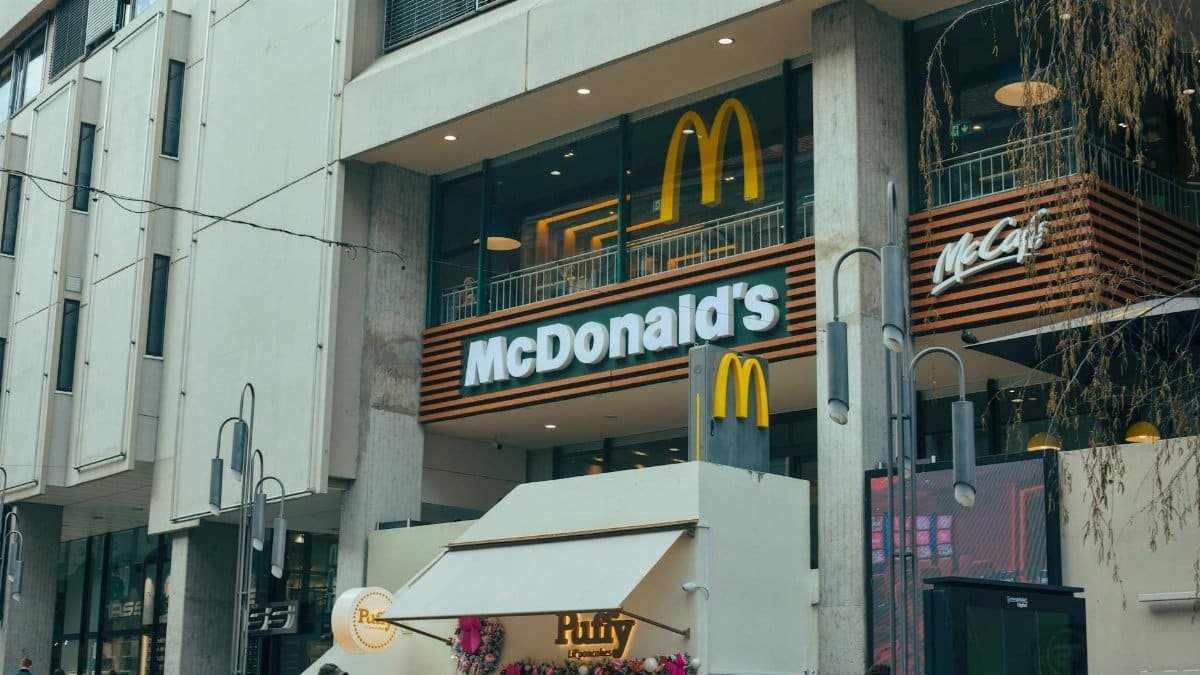
The company has moved to dismiss the case, calling the claims meritless in a court filing last month. McDonalds spokesperson Theresa Riley stated that all pricing is clearly displayed at registers and on digital menus, with juice costs reflecting market rates for premium ingredients. We provide value through combos and transparency in every purchase, she added. Critics counter that drive-thru boards and apps prioritize speed over detail, burying surcharges in legalese. The case remains in early discovery, with a hearing scheduled for spring.
A Pattern in Fast-Food Pricing Wars
This isnt McDonalds first brush with pricing scrutiny. The mcdonalds orange juice lawsuit echoes past suits over hidden fees, like the 2019 settlement for misleading Dollar Menu claims and a 2022 California case on inflated delivery surcharges. Fast-food chains nationwide face similar challenges as inflation squeezes margins and consumers grow savvier. Data from the National Restaurant Association shows beverage markups averaging 300 percent, with juices commanding higher premiums due to perishability. Yet disclosure remains inconsistent, fueling litigation.
Consumer Impact: Pennies Add Up

For the average patron, 40 cents per juice might seem trivial, but multiply by McDonalds scale and it compounds. An analysis by the plaintiff estimates overcharges exceeding $100 million since the pandemic, when breakfast sales surged 20 percent amid remote work routines. Middle-income families, Thompsons demographic, feel it most; a USDA report notes fast food accounts for 37 percent of their away-from-home calories, often on tight budgets. Social media amplifies the outrage, with #McDJuiceScam trending and class members signing up via a dedicated website.
Expert Views on Menu Psychology

Behavioral economists see the mcdonalds orange juice lawsuit as a textbook case of choice architecture. Dr. Dan Ariely, author of Predictably Irrational, notes in a recent interview that default options like free soda anchor expectations, making upgrades feel optional yet obligatory. Juice, positioned as healthier, taps aspirational buying without full cost revelation. A study by Cornell Universitys Food and Brand Lab,published here, found opaque pricing boosts sales 15 percent by reducing decision friction. McDonalds, with its army of menu psychologists, knows this terrain well.
Franchisee Pressures and Corporate Mandates

Independent franchisees, who operate 95 percent of U.S. outlets, operate under tight corporate guidelines. The lawsuit alleges McDonalds national pricing software enforces juice surcharges automatically, limiting local flexibility. Franchise owners interviewed by Bloomberg expressed frustration, caught between profit targets and customer backlash. One Texas operator, speaking anonymously, said, Juice costs us more, but wed rather advertise it upfront than fight lawsuits. This tension underscores broader industry shifts toward digital menus, where dynamic pricing could either clarify or complicate matters.
Legal Precedents and Potential Outcomes

Class-action suits like the mcdonalds orange juice lawsuit often settle quietly. Comparable cases, such as Wendys 2021 drip coffee fee resolution for $1.2 million, suggest McDonalds might follow suit with coupons or modest payouts. However, stronger evidence could push for injunctive relief, mandating clearer menus. Legal analyst Bill Baskin predicts a 60 percent settlement chance, citing the chains aversion to prolonged discovery. If certified, the class could encompass every U.S. customer whos ordered a juice combo since 2019.
Health Angle: Juice as the Premium Play

Orange juice enters combos as a nod to wellness trends, yet its pricing belies nutritional realities. Pasteurized from concentrate, McDonalds OJ mirrors competitors but carries a halo effect; CDC data shows 60 percent of adults seek healthier fast-food options. The lawsuit argues this perception justifies gouging, with surcharges subsidizing cheaper sodas. Nutritionists like Marion Nestle question the value: At those prices, youre better off with water and fruit at home. Still, demand persists, propping up sales amid declining soda consumption.
What Lies Ahead for Diners and Dinosaurs
As the mcdonalds orange juice lawsuit unfolds, it signals a reckoning for fast foods opaque economics. Inflation-weary consumers, armed with apps like Receipt Hog for scanning windfalls, are pushing back. McDonalds recent menu simplifications and AI drive-thrus aim to preempt such issues, but trust erosion lingers. For now, Thompson urges vigilance: Check your receipt, every time. Whether this case reshapes combos or fades into footnotes, it reminds us that in the $400 billion industry, small charges fuel big empires.
(Word count: 1,248)