
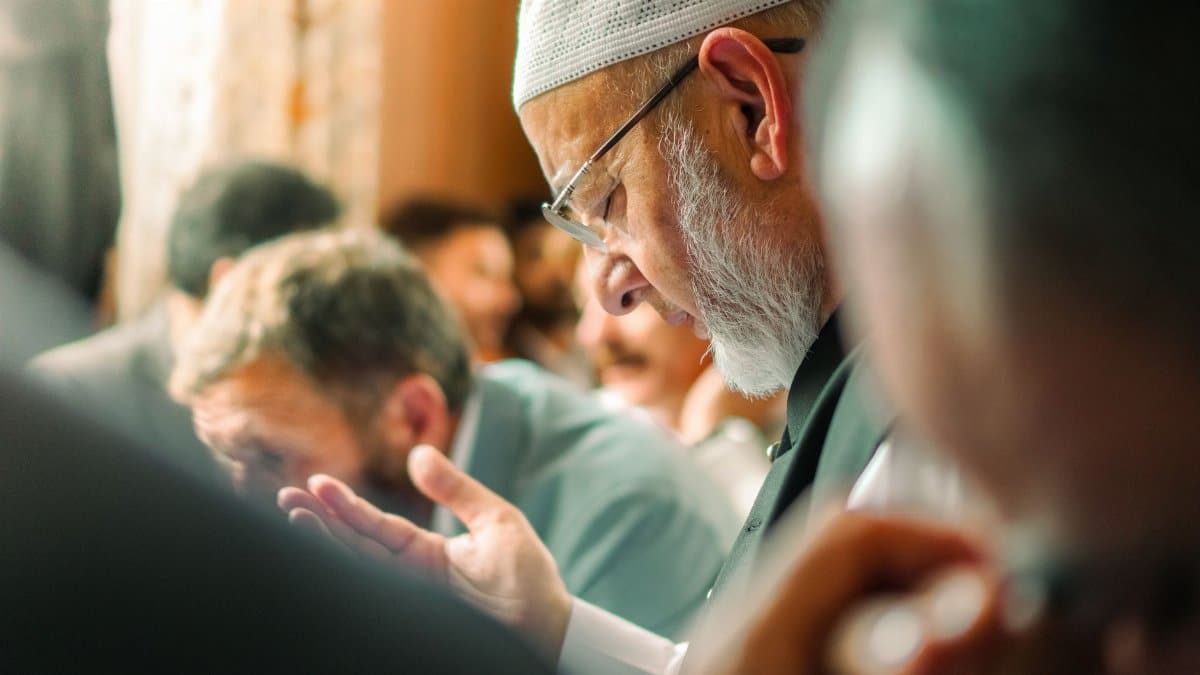
In the bustling terminals of Houston’s George Bush Intercontinental Airport a quiet provision has sparked intense debate among state officials. The presence of Airport foot-washing facilities designed to assist Muslim travelers performing ablutions before prayer has drawn criticism from Governor Abbott prompting Mayor John Whitmire to step forward in support of these religious accommodations. This development highlights ongoing tensions over how public spaces accommodate diverse faiths while balancing practical needs for millions of passengers each year.
The Religious Importance of Foot Washing in Islam
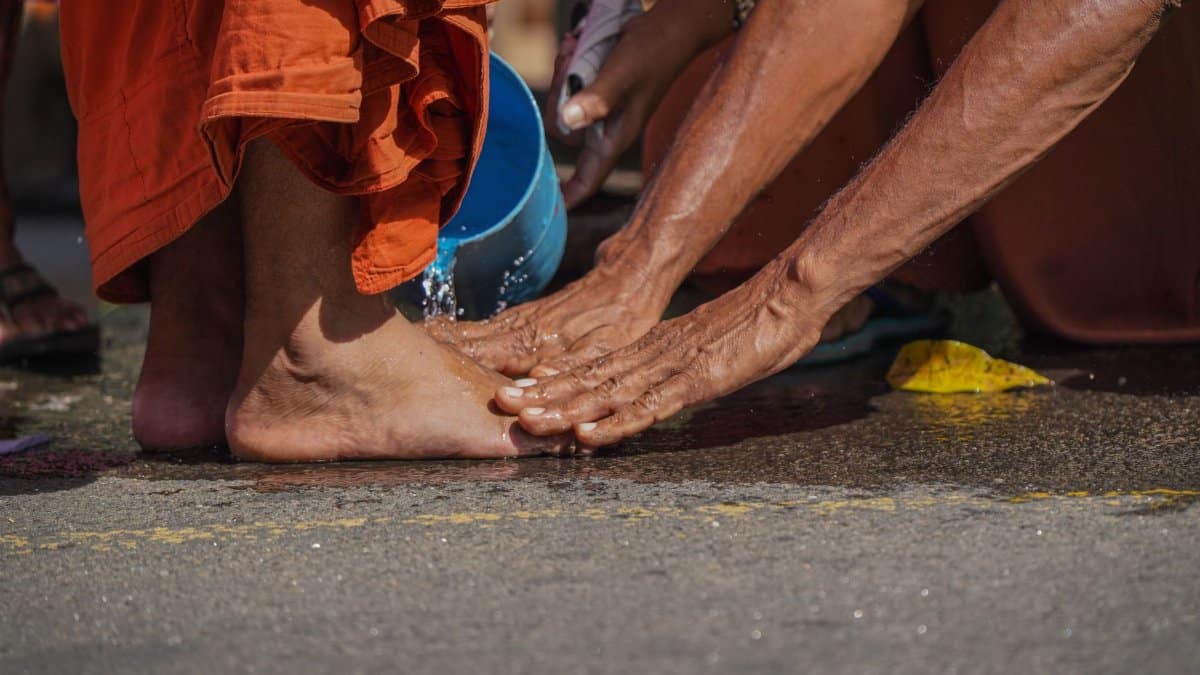
Foot washing forms a central part of the purification ritual known as wudu that Muslims undertake before each of the five daily prayers. This practice requires clean water to rinse specific body parts including the feet ensuring spiritual readiness. At a major hub like Bush Airport such stations allow travelers to maintain their observances without disruption during layovers or connections. Religious scholars emphasize that these rituals promote discipline and cleanliness rather than creating inconvenience for others.
Installation and Design at Bush Airport
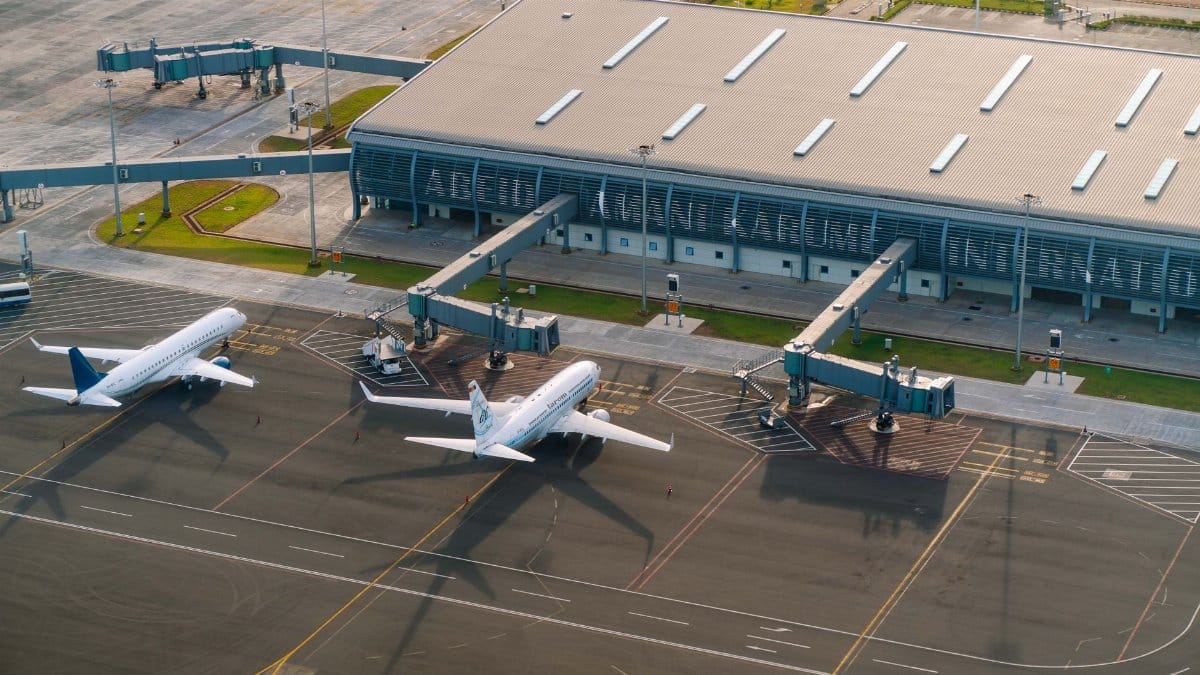
Airport foot-washing stations were added several years ago in response to requests from faith based groups seeking practical solutions for travelers. The fixtures feature low basins with running water and nonslip surfaces placed in designated areas near restrooms. Officials consulted with community leaders to ensure the setup met both religious guidelines and safety standards. Passenger feedback has generally noted the convenience especially during peak travel seasons when prayer times coincide with flight schedules.
Political Backlash from State Leaders
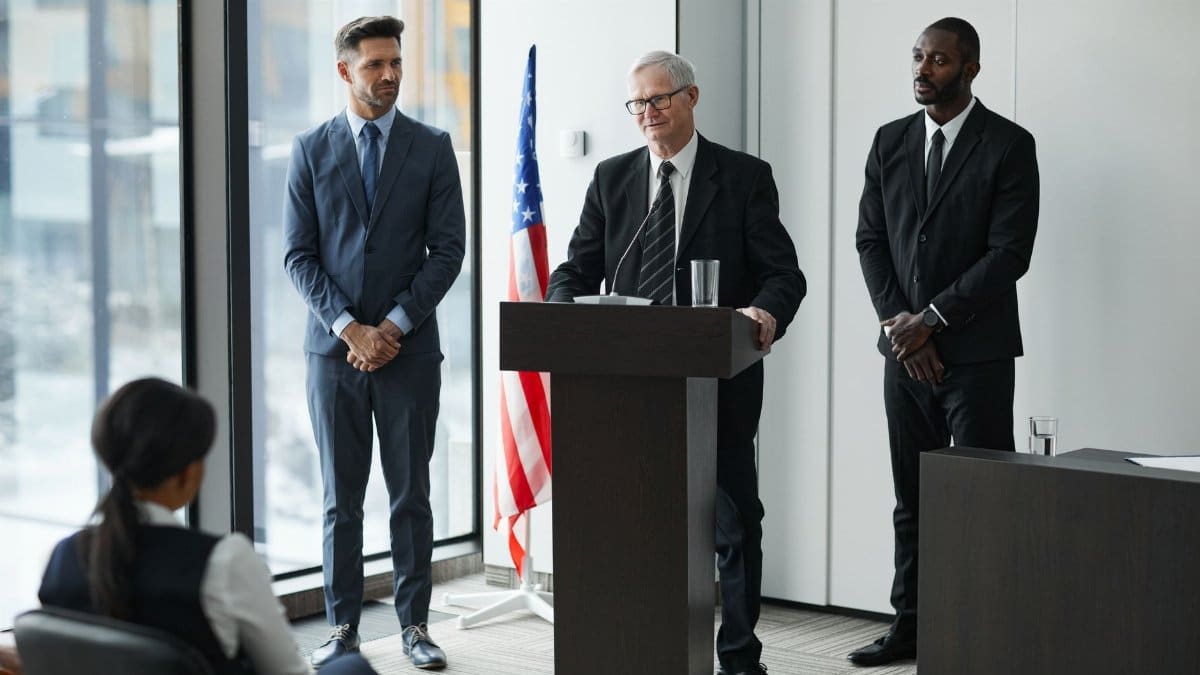
Governor Abbott voiced strong objections claiming the installations represented an unnecessary use of public resources for one specific group. His statements framed the issue as a matter of fairness suggesting that similar accommodations might be demanded by other communities. Critics of this view argue that the stations serve a small but steady number of users and do not exclude anyone from basic facilities. The exchange has elevated the topic from local infrastructure to a statewide discussion on religious expression in shared spaces.
Mayor Whitmire’s Defense and Rationale
Mayor Whitmire responded by underscoring the importance of respecting all faiths in a city known for its diversity. He pointed out that Bush Airport serves international routes with many passengers from Muslim majority countries who expect basic support for their routines. In public remarks the mayor stressed that these adjustments cost little yet foster goodwill among global visitors contributing to Houston’s reputation as a welcoming destination. His position aligns with longstanding city policies that prioritize inclusivity without favoring any single religion.
Impact on Traveler Experience

Passengers who use the stations report smoother transitions between flights and prayer times reducing stress during long journeys. Airport staff have observed no significant delays or conflicts arising from the facilities which remain available to anyone needing a place to rinse their feet. Broader data from aviation authorities shows that such thoughtful additions can improve satisfaction scores for hubs handling high volumes of international traffic. Families traveling with children also benefit from the accessible design during extended waits.
Community Reactions and Support

Local Muslim organizations expressed gratitude for the mayor’s stance noting it reflects Houston’s multicultural fabric. Interfaith coalitions joined in statements affirming that minor accommodations like these strengthen social cohesion rather than divide it. Some residents questioned the governor’s focus on the issue suggesting attention could instead turn to larger airport upgrades such as improved signage or seating. Polls conducted by regional news outlets indicate divided opinions with many supporting practical religious support in public venues.
Legal and Constitutional Considerations
Legal experts note that providing neutral facilities for religious practices often falls under protections for free exercise of faith under the Constitution. Courts have upheld similar arrangements in schools prisons and other institutions when they do not impose burdens on others. In this case the stations appear to meet those criteria by occupying minimal space and requiring no special funding beyond standard maintenance. Challenges could arise if future demands exceed reasonable limits but current usage remains modest.
Future of Accommodations in Public Spaces
As air travel rebounds and demographics shift airports nationwide may revisit how they address varying cultural needs. Houston’s approach offers one model that balances efficiency with respect for tradition. Mayor Whitmire has indicated openness to reviewing other potential adjustments based on passenger input while maintaining focus on core operations. Observers expect continued dialogue at both local and state levels as similar issues surface in different cities.
Airport foot-washing provisions at Bush Airport thus stand as a modest yet telling example of how American infrastructure adapts to an increasingly varied population. The debate underscores broader questions about inclusion without compromising shared public resources. Through measured responses leaders like Mayor Whitmire aim to keep such conversations grounded in practicality and mutual understanding rather than division. This episode may influence how other transportation centers plan for the needs of all who pass through their doors in years ahead.