

On a foggy Tuesday in November, San Francisco voters did something that has grown uncommon in big American cities. They gave a sitting mayor not a protest, not a split decision, but a broad endorsement of his governing project. The Daniel Lurie election result was less a personality contest than a referendum on whether City Hall can be rebuilt in public view. People who have spent years watching commissions stall, budgets blur, and housing plans expire seemed ready to trade some procedural comfort for a chance at clearer authority and faster results.
A city voting on how it governs
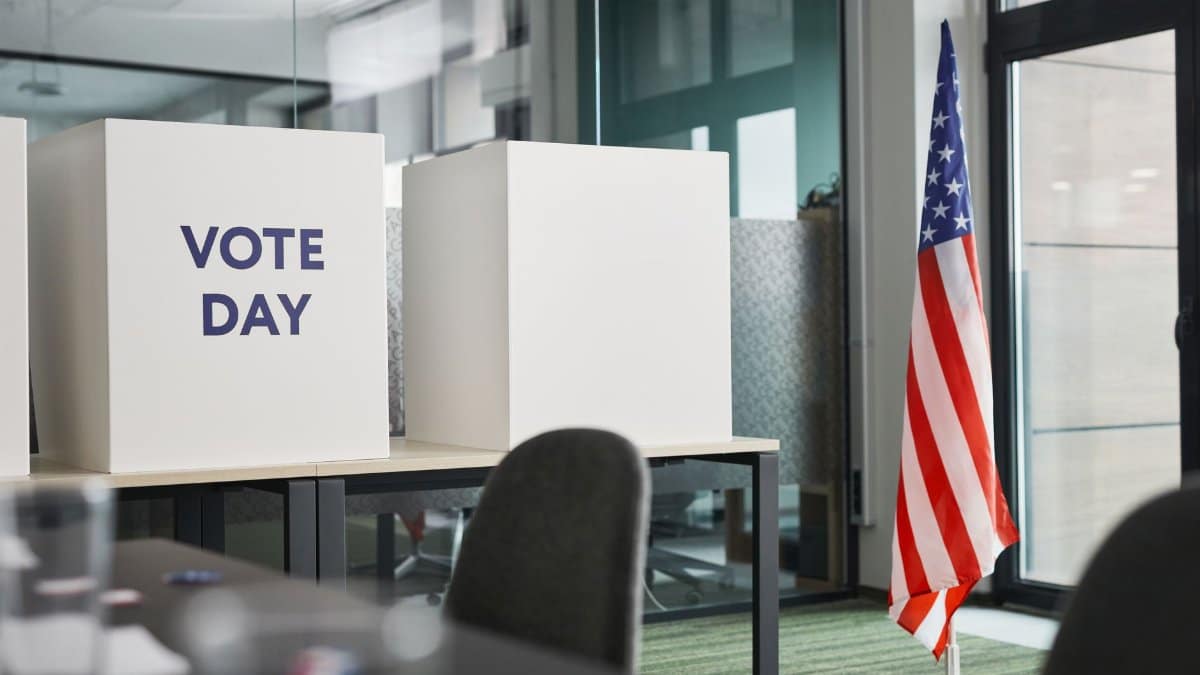
San Francisco has never lacked for plans. It has lacked for a machinery that can carry a plan from hearing room to street without losing years to overlap, veto points, and unclear responsibility. That is the quiet subject of the charter package voters just approved. The reforms do not invent a new ideology. They try to answer a practical question: who is accountable when a bus line fails, a shelter contract drifts, or a housing approval circles the same desks for another season.
Mayor Daniel Lurie campaigned on the idea that competence is a moral claim, not a technocratic hobby. The November ballot tested whether that claim still lands with people who ride Muni, pay rent, and have watched successive administrations promise a cleaner, safer, more workable city. The answer, taken together with the transit tax and the housing measures, was yes, with conditions. Voters did not hand over a blank check. They handed over a timetable.
What the charter reforms are meant to change

Charter reform sounds abstract until it touches a permit, a budget line, or a department that cannot hire. The measures backed by the mayor aim to clarify lines of authority inside City Hall, reduce duplicated review, and make it easier for the executive branch to manage departments that have grown into small governments of their own. Supporters describe the package as housekeeping with consequences. Opponents hear a concentration of power dressed up as efficiency.
Both readings can be true at once. A city charter is a constitution in miniature. Change it, and you change who gets blamed when things go wrong and who gets credit when they go right. San Francisco has spent decades adding boards, commissions, and procedural safeguards, often for good reasons born of scandal or neglect. The cost has been a government that is hard to steer and easy to stall. The vote suggests residents are willing to prune some of that thicket if the pruning comes with visible results.
None of this erases the City Charter as a constraint. It rewrites pieces of it. Courts, the Board of Supervisors, labor agreements, and state law still bound what a mayor can do. The political meaning is sharper than the legal one. Lurie can no longer say the structure itself blocked him from trying. The structure just moved.
Power with a public face

American cities are rediscovering an old argument. Diffuse power can protect against abuse. It can also protect failure. San Francisco voters have lived inside that argument for years, through recall politics, housing fights, and a downtown that has not fully recovered its weekday pulse. The charter vote is their latest attempt to pick a side without pretending the other side has no case.
A mayor with clearer authority is easier to judge. That is the democratic bargain buried in the fine print. If street conditions improve, if permits move, if departments stop working at cross purposes, the credit will be harder to share. If they do not, the excuse will be thinner. In that sense the reforms are as much a trap for the mayor as a gift. They convert complaints about process into a test of performance.
I have watched enough local campaigns to know that voters rarely read charter language line by line. They read the mood of their block. They notice whether a promise survives contact with a budget. This time the mood favored a mayor who has tried to sound less like a movement and more like a manager. Whether that style wears well will depend on what the next two years feel like on the 38 Geary and in a permit window on a Tuesday morning.
The Muni tax and a bet on staying

Alongside the charter package, voters approved a parcel tax to support Muni. Transit measures are never only about buses. They are about whether a city still believes in the shared inconvenience of public movement, the idea that a nurse, a student, and a visitor should be able to cross town without a car. San Francisco has asked that question in harder form since ridership fell and service became less reliable.
A parcel tax is a blunt instrument. It lands on property, which means owners feel it first and renters may feel it later. It also creates a dedicated stream that is harder for a future budget crisis to raid. Voters who said yes were not endorsing every past decision by the transit agency. They were saying the alternative, a thinner network and longer waits, is worse. In a city that talks constantly about climate and equity, a functioning bus system is one of the few policies that touches both without a speech.
The mayor will be tied to that choice even if he does not drive the buses. Service cuts, operator shortages, and slow projects will now sit beside a fresh tax. Residents have a right to ask what improved because they paid. If the answer is murky, the next transit conversation will be colder.
Housing measures and the cost of delay

The affordable housing measures on the same ballot carried a similar impatience. San Francisco knows the vocabulary of crisis. It has studied sites, funded studies, and argued over height, shadows, and neighborhood character while rents and street homelessness remained stubborn facts. Voters this fall signaled that they want more homes that people with ordinary paychecks can reach, and that they are tired of treating delay as a form of caution.
Caution still matters. Bad projects can scar a block for decades. So can the absence of projects. The political center of this vote sits in that tension. Residents did not abolish review. They declined to treat every review as sacred. For a mayor who has framed housing as a test of whether the city can still house its teachers, cooks, and caregivers, the result is useful and dangerous. Useful because it weakens the claim that voters will punish any attempt to build. Dangerous because approval of a measure is not the same as keys in a door.
Financing, construction costs, labor, state rules, and neighborhood lawsuits remain. A ballot win does not pour concrete. It does change the story officials tell themselves about what is politically possible. In San Francisco that story has often been the real bottleneck.
Why this Daniel Lurie election felt larger than one night

The Daniel Lurie election, read as a single evening of returns, can look like a local footnote. Read against the last several years, it looks like a correction. The city has been governed by emergency, by recall, by pandemic aftermath, and by a politics of permanent opposition. A mayor who wins not only office but a structural rewrite is asking residents to leave that posture for a while.
That ask is fragile. San Francisco contains organized interests with long memories: public employee unions, neighborhood groups, downtown employers, tenant advocates, builders, and a Board of Supervisors that does not exist to applaud the mayor. Many of them supported pieces of this ballot and feared others. Their cooperation after election night will matter more than their statements before it. A charter can reassign authority. It cannot manufacture trust.
Still, the pattern across the charter reforms, the Muni tax, and the housing measures is hard to dismiss as accidental. Voters chose tools. They chose revenue. They chose a direction on shelter and price. Taken together, those choices describe a public that wants the city to function more than it wants another round of symbolic combat.
The case critics will keep making

Skeptics have a serious argument, and it should not be waved away because the tally was favorable. Concentrated authority can speed good decisions and bad ones with equal efficiency. A parcel tax can become a habit. Housing shortcuts can favor well connected builders if oversight grows lazy. San Francisco has been burned before by reforms that promised clarity and delivered a new set of insiders.
The honest response is not to pretend those risks vanished on election night. It is to name the safeguards that remain and the ones that must be built in practice: transparent hiring, published timelines, independent audits, and a Board willing to oversee without relitigating every managerial choice. Sunlight is not a slogan here. It is the price of the power voters just confirmed.
Critics also warn that a managerial mayor can lose the plot on dignity, treating people on the street as a logistics problem. The charter will not answer that. Daily policy will. A city can count exits from homelessness, bus on time performance, and permits issued, and still fail the test of whether the vulnerable are seen as neighbors. Numbers without that discipline become a different kind of fog.
What delivery will require
The next chapter is administrative, which is to say it is political in a quieter key. Departments will need directors who can use clearer authority without treating staff as obstacles. The Board will need to legislate with the new map in mind rather than around it. Labor negotiations will test whether efficiency is a shared project or a pretext. Neighborhoods that feel unheard will look for the first project that confirms their fear.
Lurie’s advantage is the mandate. His risk is the calendar. Voters remember the feeling of an election longer than they remember the legal text, but they remember a broken promise longest of all. If Muni frequency improves on a few visible lines, if a shelter or housing site moves from rendering to opening, if a notorious permitting snarl shortens by months rather than memos, the mandate will deepen. If the city produces another stack of frameworks, the Daniel Lurie election will be reclassified as a mood, not a turning point.
There is also the matter of money. Dedicated taxes help, and they do not cover every ambition. Federal and state budgets, commercial property values, and the slow return of downtown all shape what City Hall can afford. A mayor who won on competence will be judged on choices under constraint, not on wishes.
A local verdict with a wider echo

Other cities are watching, even if they will not admit it. The urban argument of this decade is not only left against right. It is delivery against performance of concern. Residents in expensive coastal cities have grown skilled at detecting the difference. They can support tenant protections and still furious at a process that produces neither homes nor safety. They can fund transit and still abandon it if the bus does not come.
San Francisco just recorded a version of that distinction in law. The Daniel Lurie election, in this broader sense, is a data point for mayors who believe voters will reward specificity. It is also a warning. Specificity creates a scoreboard. The scoreboard does not care about branding.
National politics will try to swallow the story, as it swallows most local ones. That would be a mistake. The charter is not a proxy for a presidential mood. It is a set of rules for a particular peninsula city with a particular history of invention and self sabotage. The most useful reading stays close to the ground: people who live here decided that the way power is arranged inside City Hall is part of why daily life feels stuck, and they agreed to rearrange it.
The morning after the mandate

Mandates decay. They decay faster in a city that refreshes its outrage every news cycle. The work now is deliberately unglamorous. Publish the implementation calendar. Name the official who owns each delay. Report Muni reliability in language a rider can check against a morning wait. Show housing approvals that become buildings, not press releases. Invite the skeptics into the audit rather than into a victory lap.
If that sounds modest, it is the modesty the vote actually purchased. San Francisco did not crown a savior. It tightened the link between authority and results, put new money behind the bus network, and signaled that affordable housing is a governing duty rather than a permanent argument. Mayor Daniel Lurie asked for that link. Voters gave it to him. The rest will be written in schedules, budgets, and streets, where election night speeches cannot reach.