

In the crowded corridors of San Francisco City Hall a surprising partnership has taken shape that highlights tensions over public spending and community priorities. Mayor Daniel Lurie has joined forces with police and firefighter unions to challenge a tax proposal slated for the November 2026 ballot. Their shared goal centers on halting what they view as an excessive burden on taxpayers while questioning how funds might truly advance shelter options. This situation draws focus to Lurie Prop I housing as observers weigh the balance between revenue needs and existing municipal obligations.
The Coalition Against the Tax

Mayor Lurie has publicly stated his opposition to the measure which seeks to raise property taxes to support new construction projects. Union leaders echo these concerns noting that current budgets already stretch thin across essential services. Together they argue the initiative risks diverting resources from core functions like public safety without guaranteed results in housing availability. Discussions in recent weeks reveal coordinated efforts to inform voters about potential drawbacks including higher costs for property owners across diverse income levels.
Union Perspectives on City Spending
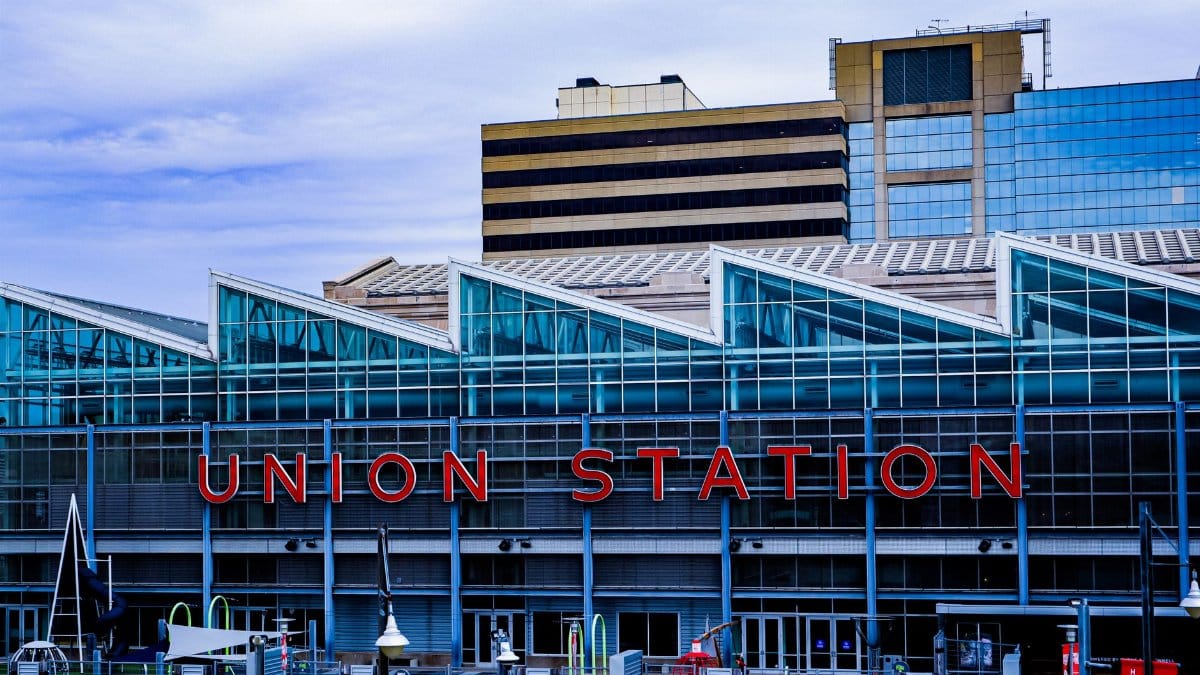
Representatives from the police and firefighter groups emphasize their stake in maintaining adequate funding for frontline operations. They point out that past tax increases have not always translated into improved outcomes for residents in need of stable residences. Their involvement adds weight to the campaign against the proposal as these organizations bring established networks and voter outreach capabilities. Analysts suggest this alliance could influence turnout in key districts where union members reside and work.
Mayoral Leadership in Fiscal Matters
Since taking office Mayor Lurie has prioritized reviews of city expenditures to identify efficiencies. His stance on the tax measure aligns with a broader push to avoid new levies that might strain household finances amid rising living expenses. Supporters praise this approach as pragmatic while critics question whether it sufficiently addresses shortages in shelter options. The mayor has hosted forums to discuss these issues inviting input from various stakeholders including housing advocates and business owners.
Potential Effects on Local Housing Supply

Proponents of the measure claim it would accelerate building of units priced for lower income households yet opponents including the mayor counter that existing programs already target such needs. Data from recent years shows mixed progress in meeting demand with many projects facing delays due to regulatory hurdles. If the tax fails to pass attention may shift toward streamlining approvals rather than adding revenue streams. This debate touches on Lurie Prop I housing as a symbol of competing visions for growth in the city.
Community Reactions Across Neighborhoods
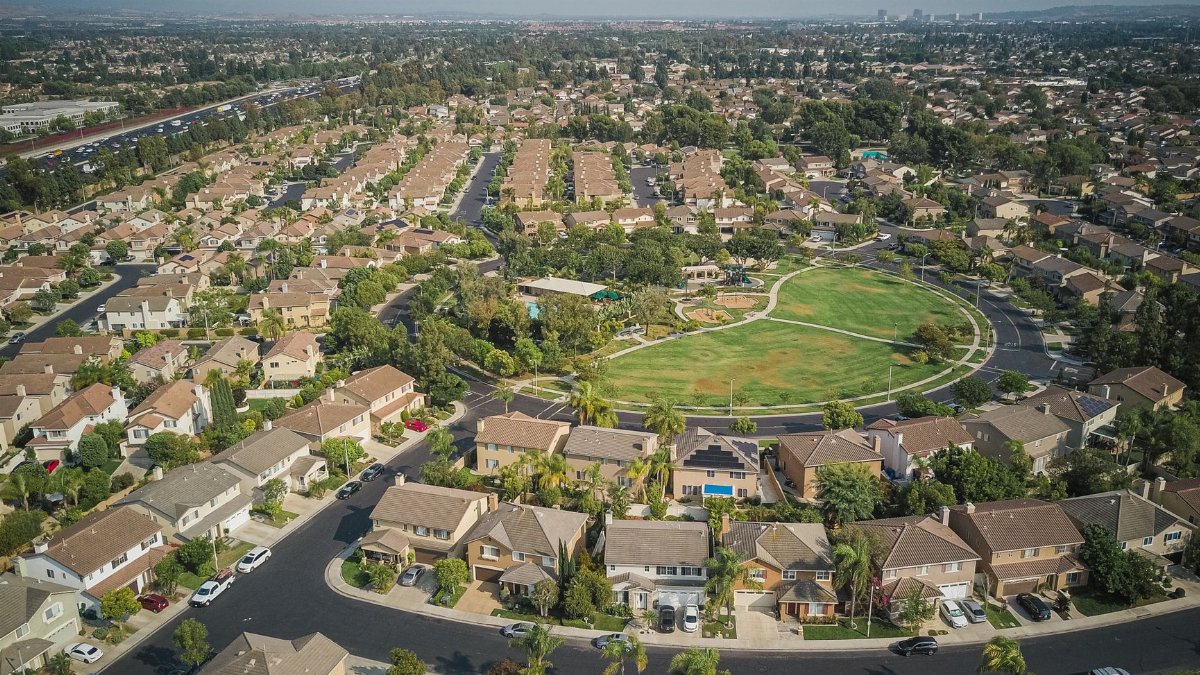
Residents in areas like the Mission District and Sunset have voiced varied opinions during town hall sessions. Some express worry over increased tax bills while others highlight the urgency of expanding affordable options amid ongoing displacement pressures. Local business owners worry about ripple effects on commercial rents if property taxes climb. These grassroots conversations underscore how the measure divides opinions along lines of immediate costs versus long term benefits.
Historical Precedents in San Francisco Politics
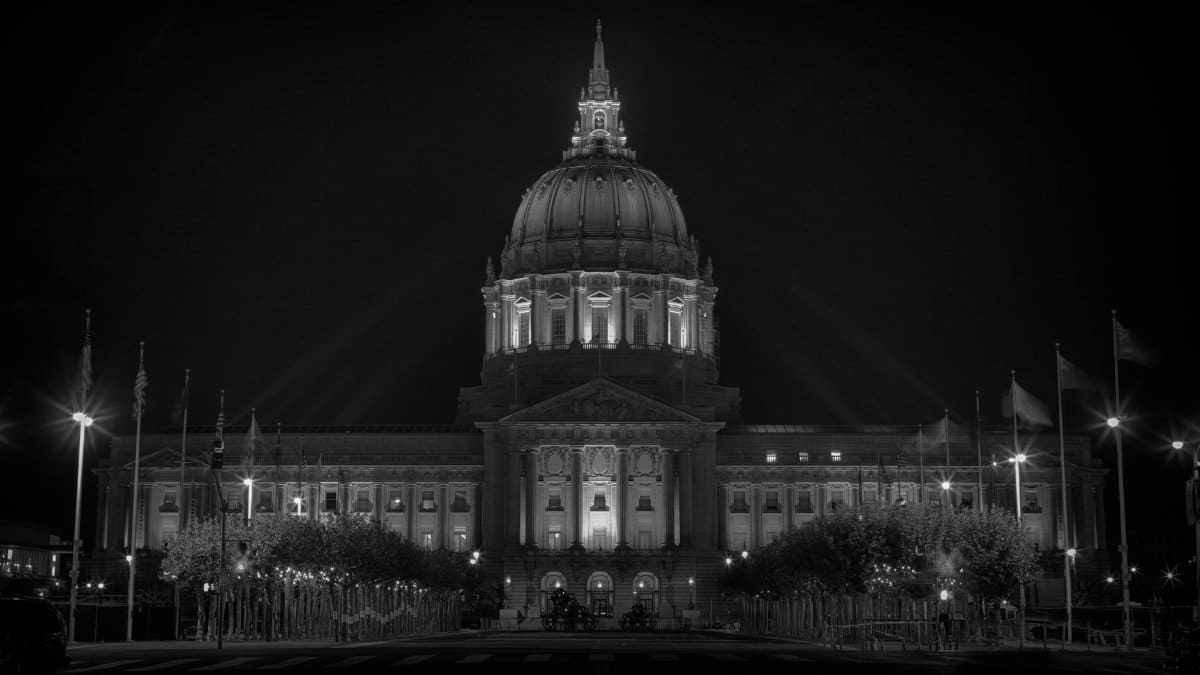
Similar tax initiatives have appeared on ballots in prior cycles often sparking intense campaigns from both sides. Past outcomes show voters sometimes reject proposals when union opposition mobilizes effectively or when economic conditions favor caution. Mayor Lurie draws on this record to frame his position as consistent with prudent governance rather than resistance to progress. Observers note patterns where alliances between elected officials and labor groups shape electoral results.
Alternative Funding Approaches Considered

Instead of new taxes the coalition advocates reallocating current funds or pursuing state and federal grants for housing initiatives. They also suggest reforms to zoning laws that could speed up private development without public subsidies. These ideas aim to achieve similar goals through different mechanisms though skeptics doubt their sufficiency in addressing scale of need. The discussion continues as both camps prepare materials for the coming election season.
Looking Ahead to the 2026 Vote

As the November 2026 date approaches the contest over the measure promises to intensify with advertising and endorsements playing key roles. Mayor Lurie and his union partners plan additional public events to build support for their viewpoint. Success or failure will influence not only housing policy but also future collaborations between city leadership and labor organizations. Lurie Prop I housing remains central to these calculations as the city navigates its path forward.