
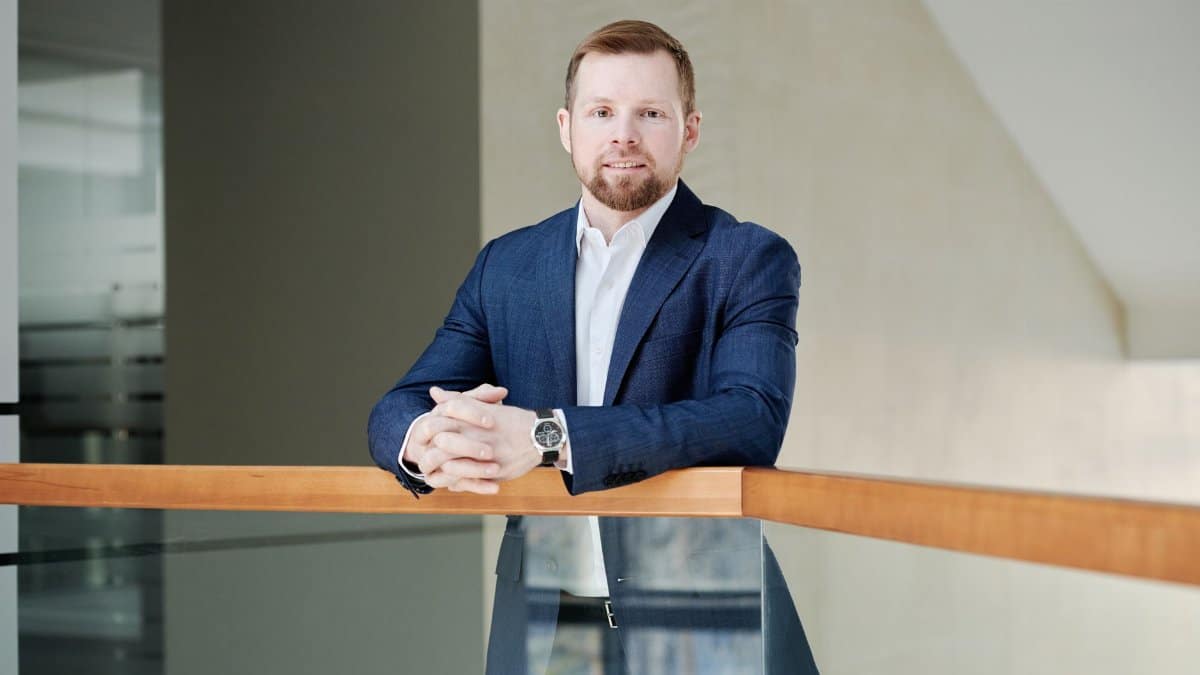
On a January morning that will look ordinary to most people checking in for a scan or a clinic visit, the person responsible for one of the country’s most closely watched medical systems will change. Mayo Clinic has named an insider, Dr. Matthew Callstrom, as its next Mayo Clinic CEO, effective January 1, succeeding Dr. Gianrico Farrugia. The choice is quiet in the way institutional news often is, and large in the way it will shape how care, research, and new tools meet in the same building.
An insider at the top of a famous name

Boards sometimes reach outside when they want a rupture. This time the signal is continuity. Callstrom already knows the culture, the campuses, and the peculiar mix of clinical duty and scientific ambition that defines the place. Naming an insider is not a promise that nothing will change. It is a bet that the next leader can move the institution without spending a year learning which doors actually open.
For readers far from Rochester, the title can sound abstract. In practice it sits over operating rooms, research labs, a vast outpatient schedule, and a reputation that patients treat as a kind of last consult. The job is managerial and symbolic at once. People will read the appointment as a statement about what the clinic values now: clinical craft, institutional memory, and a radiologist’s fluency with images and with the software that increasingly reads beside the human eye.
A radiologist who has been living with the machines
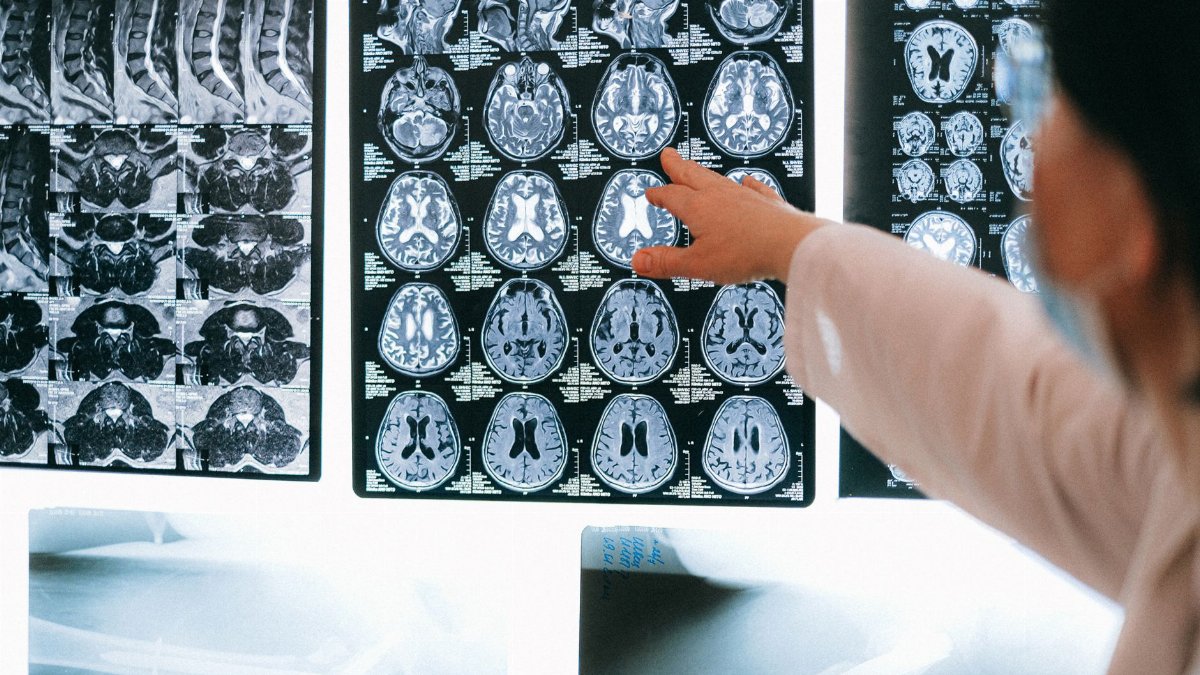
Callstrom is a radiologist who has been leading the clinic’s work on artificial intelligence. That pairing matters. Radiology was among the first specialties to feel software press against daily work, because images are already digital and because pattern recognition is exactly what a careful reader of scans has always done. A leader who has sat with that pressure is less likely to treat new tools as a press release and more likely to treat them as a workflow problem with patients attached.
Radiology also trains a certain temperament. The work is precise, often invisible to the person in the gown, and intolerant of casual error. A missed finding can travel for years. That habit of looking twice is a useful inheritance for a chief executive, even if the calendar will now be filled with budgets, partnerships, and public scrutiny rather than reading rooms.
What the handoff from Farrugia actually means

Dr. Gianrico Farrugia has led the clinic through a period when health systems were asked to do more with less patience from the public and more noise from technology vendors. Succession after a stretch like that is never only a personnel note. It is a judgment about whether the strategy of the last several years should be extended, revised, or quietly retired in pieces.
An orderly internal succession can steady staff who have watched other systems lurch from one outside savior to the next. It can also postpone hard arguments. The useful test, once January arrives, will not be whether the new leader praises his predecessor. It will be which projects keep their funding, which clinics keep their hours, and which experiments in software are allowed to touch a real chart.
Patients will not see the title on the door
Most people who travel to Mayo, or who use a local site tied to the name, will never meet the chief executive. They will meet a scheduler, a nurse, a fellow, a physician who may be rushed. Leadership still reaches them through wait times, through whether a specialist is hired, through whether a new imaging protocol is explained in plain language or dumped into a portal note.
I have sat in enough waiting rooms to know that institutional fame does not soothe a delayed result. The moral weight of this appointment, if there is one, is ordinary: does the person at the top keep the institution pointed at the person in the chair. Titles do not guarantee that. They only decide who is accountable when the answer is no.
Artificial intelligence as a clinical question, not a slogan

Health care is crowded with claims that software will ease burnout, catch disease earlier, and lower cost. Some of those claims will prove true in narrow tasks. Many will not survive contact with messy records, unequal access, and clinicians who already document more than they talk. A Mayo Clinic CEO who has steered artificial intelligence work is positioned to be skeptical in public, which is rarer than enthusiasm.
The responsible path is boring and necessary. Tools should be tested against real outcomes, not demo reels. Patients should know when a machine contributed to a reading. Clinicians should be able to override a suggestion without punishment. Communities that already struggle to get a timely scan should not become the place where unproven software is tried first because the marketing deck needed a diverse slide.
None of that requires mysticism about machines. It requires the same ethics medicine already claims: do not harm, tell the truth, and do not hide uncertainty behind a confident interface.
A system larger than one Minnesota city

Mayo is associated with Rochester, yet its footprint and its referral patterns reach well beyond a single downtown. Leadership decisions about staffing, digital tools, and partnerships land in Arizona, Florida, and in clinics that send patients north or south for a second opinion. An insider may understand those distances better than a newcomer, including the risk that the flagship campus absorbs attention while satellite sites carry the volume.
Geography also shapes trust. A family driving hours for an appointment is not buying a brand story. They are buying the hope that someone will take the case seriously. The next leader inherits that hope as a kind of debt. Paying it down means protecting time for complex patients even when simpler visits would look better on a productivity chart.
Money, mission, and the nonprofit tightrope

Large medical nonprofits live in a contradiction the public never fully resolves. They are charities in law and competitors in practice. They raise money, employ thousands, negotiate with insurers, and still ask to be judged as missions. The chief executive becomes the face of that contradiction, whether or not the person sought the spotlight.
Readers should watch for plain accounting rather than slogans. Where does surplus go. Which capital projects crowd out hiring. How are community obligations described when they are inconvenient. A radiologist’s training will not answer those questions, but a leader who has depended on accurate images may be less tempted by foggy numbers. Clarity is a clinical virtue that belongs in the budget memo too.
The board’s bet on culture

Choosing from within says the board believes the culture is an asset, not a cage. Mayo’s culture is famous for committee medicine, for long training, for a reluctance to let any single star outrun the group. That model can protect patients from ego. It can also slow a needed change until the moment has passed.
Callstrom will have to decide, in specific arguments rather than speeches, when consensus is wisdom and when it is delay. Staff will notice quickly. So will researchers who want room to test ideas, and clinicians who want protection from ideas that are not ready. The art is not to pick one tribe. It is to keep both honest.
What January will actually test

The first months of a tenure are a poor time for grand theories. They are a good time for small, visible choices. Who is in the room when artificial intelligence vendors pitch a product. Whether safety reports reach the top without being sanded down. Whether the outgoing and incoming leaders share enough of the file that institutional memory does not walk out with one person.
Public language will be polished. The more revealing record will be operational. Hiring freezes or expansions. How errors are discussed. Whether patients who cannot pay the full freight of a destination medical center still find a path, or only a brochure.
A vocation hiding inside an executive search

The category of spiritual news can sound strange beside a corporate appointment. Yet medicine has always carried a vocational strain, even when the paperwork tries to flatten it. People still bring fear, gratitude, and unanswered questions into these buildings. Leaders who forget that reduce a healing institution to a logistics firm with better architecture.
That is not an argument for soft focus. It is an argument for seriousness. The next Mayo Clinic CEO will be judged on access, quality, research integrity, and whether new tools serve clinicians instead of replacing their judgment by stealth. Those are worldly measures. They are also moral ones, because a missed diagnosis and a closed clinic both land on particular lives.
Why the rest of health care will be watching

Other systems copy Mayo more often than they admit, in branding, in destination care, and now in how they talk about software. If a renowned clinic treats artificial intelligence as a governed clinical practice rather than a growth hack, smaller hospitals gain cover to move slowly where slow is safer. If it chases speed, the permission structure for the industry shifts the other way.
Insiders sometimes disappoint people who wanted a dramatic outsider. They also sometimes spare an institution a costly education in its own history. The coming year will show which kind of insider Callstrom intends to be. Patients will not need the org chart to feel the answer. They will feel it in whether the care still has a human pace, and whether the machines in the reading room remain servants of that care rather than its editors.