
Many adults reach a point in life where maintaining strength becomes both a priority and a challenge. Years of desk work, family responsibilities, and occasional weekend activities often leave the body with uneven leg power and subtle imbalances that compound over time. Traditional squats and leg presses can sometimes aggravate knees or lower back rather than resolve underlying issues. This is where the Bulgarian split squat stands out as an exceptionally effective solution. Its effectiveness however depends completely on understanding bulgarian split squat form. When executed with attention to detail this unilateral exercise can rapidly enhance leg size and strength while improving balance and coordination. It requires minimal equipment yet rewards patience and precision. For those in their forties and fifties seeking sustainable ways to stay active and capable the movement offers renewed vitality without the risks associated with heavier bilateral lifts. The growing interest in this exercise reflects a shift toward training methods that respect the bodys natural mechanics and limitations.
The History Behind This Powerful Movement
The Bulgarian split squat first gained attention through the remarkable success of Bulgarian weightlifters during international competitions in the late twentieth century. Strength coaches observed their athletes using a rear foot elevated squat variation to develop exceptional unilateral power and stability. Although its precise origins remain somewhat debated the name has endured and the technique has spread widely. Today physical therapists and trainers recommend it for its ability to uncover and correct asymmetries that bilateral movements often conceal. By forcing each leg to work independently the exercise addresses weaknesses created by daily habits such as favoring one side when carrying groceries or sitting at a desk. For middle aged adults this approach represents more than physical conditioning. It supports a return to balanced movement patterns that promote long term mobility and confidence in everyday activities.
Why Precise Technique Leads to Better Results
In many fitness circles the emphasis falls heavily on lifting heavier weights or completing more repetitions. With the Bulgarian split squat however proper technique consistently outperforms raw intensity. As detailed in a recent Mens Health guide small refinements in alignment can dramatically improve muscle activation while protecting vulnerable joints. When the front knee tracks correctly over the toes and the torso stays relatively upright the quadriceps glutes and stabilizing muscles receive optimal stimulation. Poor form on the other hand can transfer stress to the lower back or knees diminishing returns and inviting discomfort. Trainers working with clients over forty repeatedly observe that investing time in mastering fundamentals prevents injuries and accelerates visible improvements in leg strength and definition. This measured approach aligns with the needs of those who wish to train consistently for decades rather than months.
Preparing the Body for Optimal Performance
Effective training begins with intelligent preparation. Before stepping into position for the Bulgarian split squat a short warm up focused on hip mobility and light body weight squats increases blood flow and prepares the joints for greater range of motion. Many middle aged adults carry tightness in the hip flexors and ankles from prolonged sitting which can limit comfortable execution. Gentle dynamic stretches and controlled lunges help create the necessary space for proper depth. Starting with body weight allows full attention to balance and control before introducing dumbbells or kettlebells. This progressive method respects the bodys current state and builds a foundation that supports safer advancement. Practitioners who take these preparatory steps often report that the exercise feels more natural and effective from the very first session.
Step By Step Setup Instructions
Stand approximately two feet in front of a sturdy bench or step that reaches roughly knee height. Place the top of one foot behind you on the bench keeping the foot centered and toes pointing downward. The distance between your front foot and the bench should permit the front knee to travel smoothly over the toes during the lowering phase. Keep the front foot pointing directly forward and distribute weight evenly across the entire foot. Engage the core muscles to support an upright posture and let the arms hang naturally or rest hands on the hips for balance. The rear leg serves primarily for stability rather than propulsion. Take a moment to settle into the position and make minor adjustments until it feels stable yet challenging. This careful setup creates the conditions for safe and productive movement.
Executing the Descent and Ascent with Control

Once properly positioned begin bending the front knee and hip to lower the body in a slow and deliberate manner. Aim to bring the rear knee close to the floor without making contact while keeping the chest lifted and shoulders relaxed. The front knee should remain aligned with the second and third toes to maintain optimal joint positioning. At the lowest point pause briefly to preserve tension in the working muscles then drive through the heel of the front foot to return smoothly to the starting position. The upward phase should feel powerful yet controlled avoiding any sudden momentum that could compromise balance. This full range of controlled motion maximizes muscle fiber recruitment across the quadriceps glutes and calves. Regular practice develops not only physical strength but also a refined sense of body awareness that enhances performance in sports hiking and routine daily tasks.
Breathing Strategies That Enhance Focus
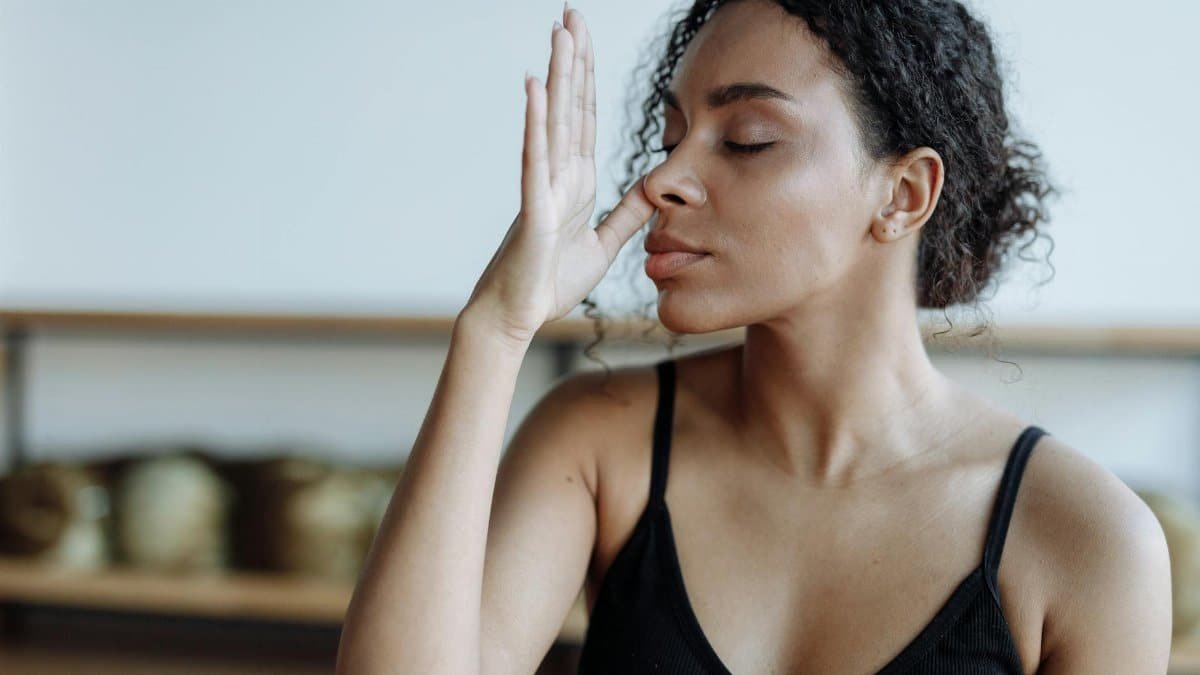
Breath control provides both stability and mental clarity during the exercise. Inhale deeply through the nose as the body descends filling the lungs and creating intra abdominal pressure to support the spine. Exhale steadily through the mouth during the ascent generating power while maintaining core engagement. This rhythmic breathing prevents unnecessary tension in the shoulders and neck and helps sustain attention throughout each set. For many middle aged practitioners the deliberate breath pattern transforms the movement into something more than mechanical repetition. It becomes an opportunity to practice presence and bodily awareness qualities increasingly valued in wellness communities that bridge physical training with contemplative traditions.
Correcting Common Errors Before They Become Habits

Even dedicated exercisers can fall into subtle technical traps that limit progress. One frequent mistake involves allowing the front knee to collapse inward which reduces effectiveness and stresses supporting ligaments. Another common error is excessive forward lean that shifts load away from the legs and onto the lower back. Maintaining a tall posture demands sufficient core strength and ankle mobility both of which improve with consistent practice. Recording video from the side or working with a knowledgeable trainer can illuminate habits that feel normal but deviate from ideal bulgarian split squat form. Addressing these issues promptly ensures that each repetition contributes positively to strength gains rather than reinforcing compensatory patterns that could lead to discomfort over time.
Benefits Tailored for Those in Their Middle Years

After forty preserving muscle mass becomes essential for metabolic health bone density and functional independence. The Bulgarian split squat provides an efficient means of stimulating growth in the legs without placing heavy compressive loads on the spine. It simultaneously improves single leg balance which naturally declines with age and helps prevent falls. Many adults report noticeable reductions in knee discomfort after several weeks of practice because the movement strengthens the muscles surrounding the joint. The unilateral emphasis promotes symmetry that supports healthier posture and reduces the compensatory habits responsible for chronic tightness. Beyond aesthetics the functional strength gained translates directly to improved performance in activities ranging from climbing stairs to playing with grandchildren.
The Mindful Dimension of Physical Training
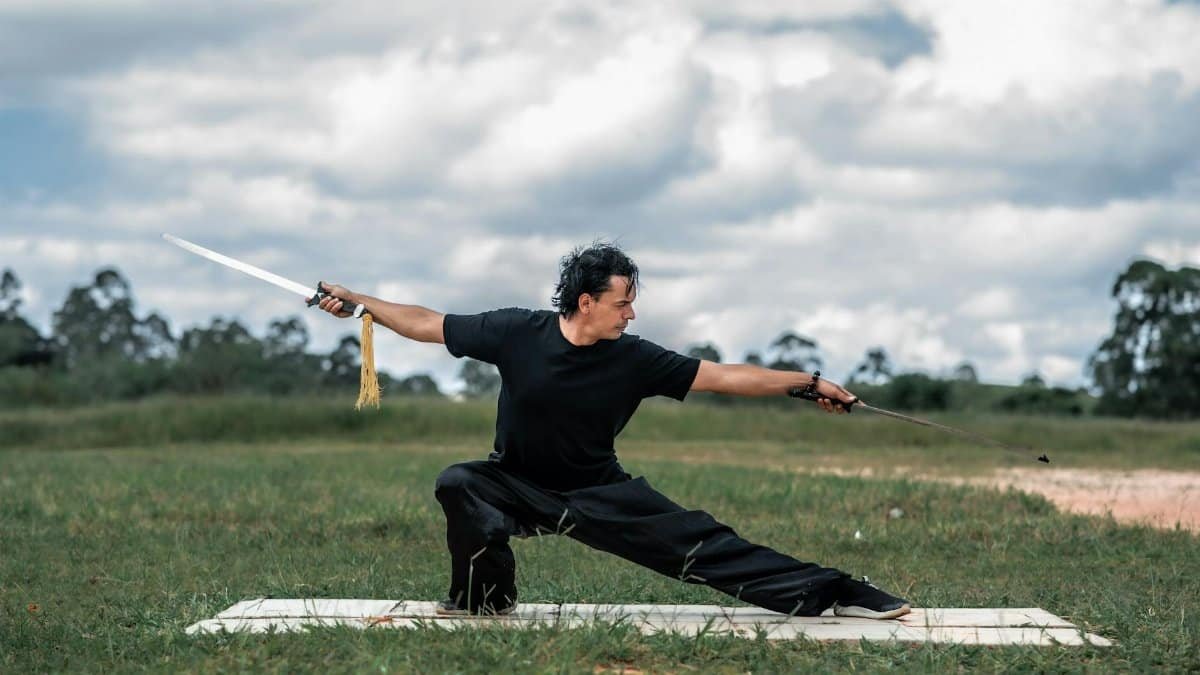
Beyond its physical benefits the Bulgarian split squat invites a quality of attention that resonates with broader spiritual and wellness trends. Each repetition asks the practitioner to remain fully present feeling the placement of the feet the alignment of the knees and the steady engagement of the core. This sustained focus mirrors mindfulness practices that emphasize embodiment and non judgment. In an age when many seek integration between physical health and inner development the exercise offers an accessible entry point. The discipline required to refine technique cultivates patience self awareness and respect for limitations qualities celebrated across contemplative traditions. What begins as a leg strengthening drill can evolve into a moving meditation that nourishes both body and mind.
Progressions and Variations to Sustain Interest

Once foundational bulgarian split squat form feels natural gradual progression keeps the stimulus fresh and effective. Holding light dumbbells at the sides increases resistance in a controllable manner. Elevating the rear foot higher or standing on a thicker surface adds balance challenge while deeper ranges of motion further engage the glutes. Advanced trainees may incorporate brief pauses at the bottom position to increase time under tension. These variations should only follow solid mastery of the basics to avoid compromising safety. The guiding principle remains intelligent progression that matches current ability and recovery capacity allowing consistent training without burnout or plateaus.
Creating a Program That Fits Real Life
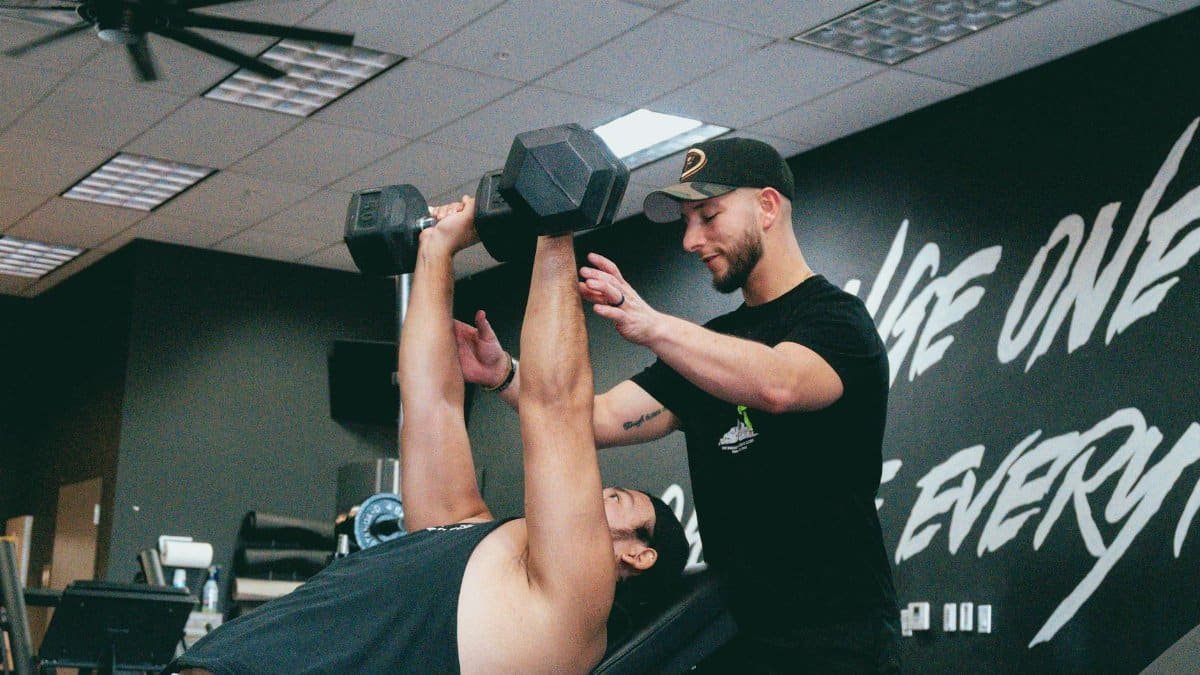
Sustainability separates short lived fitness resolutions from lifelong habits. Most middle aged adults benefit from performing the Bulgarian split squat two or three times per week paired with complementary movements such as glute bridges or calf raises. Sessions need not exceed thirty minutes when focused and intentional. Scheduling workouts during naturally occurring gaps in the day such as early mornings or after work helps embed the practice into existing routines. Keeping a simple training log reveals patterns in strength and energy levels over months providing motivation during periods when progress feels slow. The ultimate aim is a flexible program that supports overall wellbeing rather than demanding unrealistic sacrifices.
Stories of Transformation from Everyday Practitioners

Real world experiences illustrate the exercises potential more vividly than any theoretical explanation. A fifty two year old accountant who once struggled with knee pain during weekend walks now completes trail hikes with renewed ease after six months of consistent training. A forty seven year old teacher discovered that improved leg symmetry reduced her chronic hip tightness allowing her to stand comfortably during long days in the classroom. These accounts echo across fitness and wellness communities where sustainable functional strength has become a central goal. The Bulgarian split squat earns its reputation by delivering measurable improvements that enhance quality of life rather than simply changing appearance. Its accessibility and effectiveness ensure it will remain relevant for generations seeking strength that lasts.