
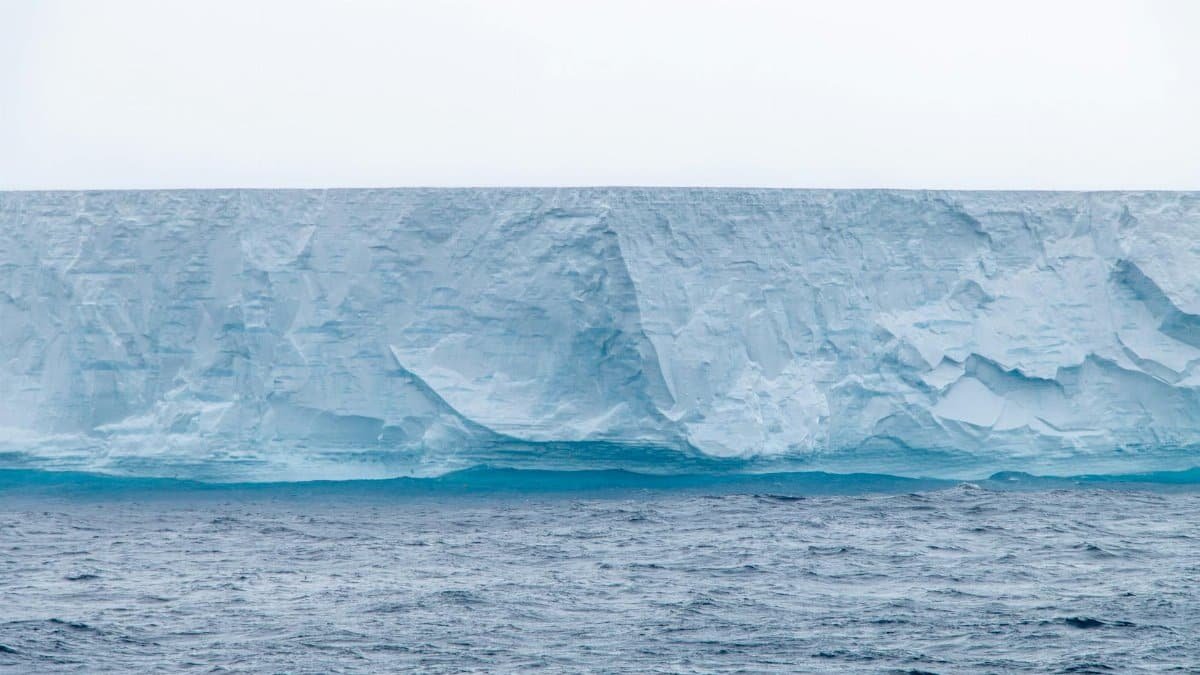
In the vast, frozen expanse of Antarctica, satellite imagery captured a dramatic rupture last week, as a colossal section of the Conger Ice Shelf sheared away into the Weddell Sea. This antarctic ice shelf collapse, one of the largest documented in recent decades, sent a flotilla of icebergs drifting northward, each larger than Manhattan. Captured by NASA’s Earth Observing System, the event unfolded over mere days, underscoring the accelerating pace of polar instability. For coastal communities worldwide, the implications ripple far beyond the icy frontier, amplifying fears of inexorable sea level rise amid a warming planet. As glaciers feed into these shelves, their disintegration signals a tipping point in Earth’s climate equilibrium.
The Anatomy of the Collapse

Researchers tracking the Conger Ice Shelf via the European Space Agency’s Sentinel satellites noted fractures widening months earlier. Warm ocean currents, penetrating beneath the shelf, accelerated the melt from below, a process known as basal melting. By early October, a 1,200 square kilometer slab calved off, dwarfing previous events. Glaciologist Dr. Elena Vasquez of the British Antarctic Survey described it as “a seismic shift in ice dynamics,” linking it directly to this antarctic ice shelf collapse. Unlike smaller disintegrations, this one exposed vulnerable grounding lines where inland ice meets the sea.
Historical Precedents in Antarctica
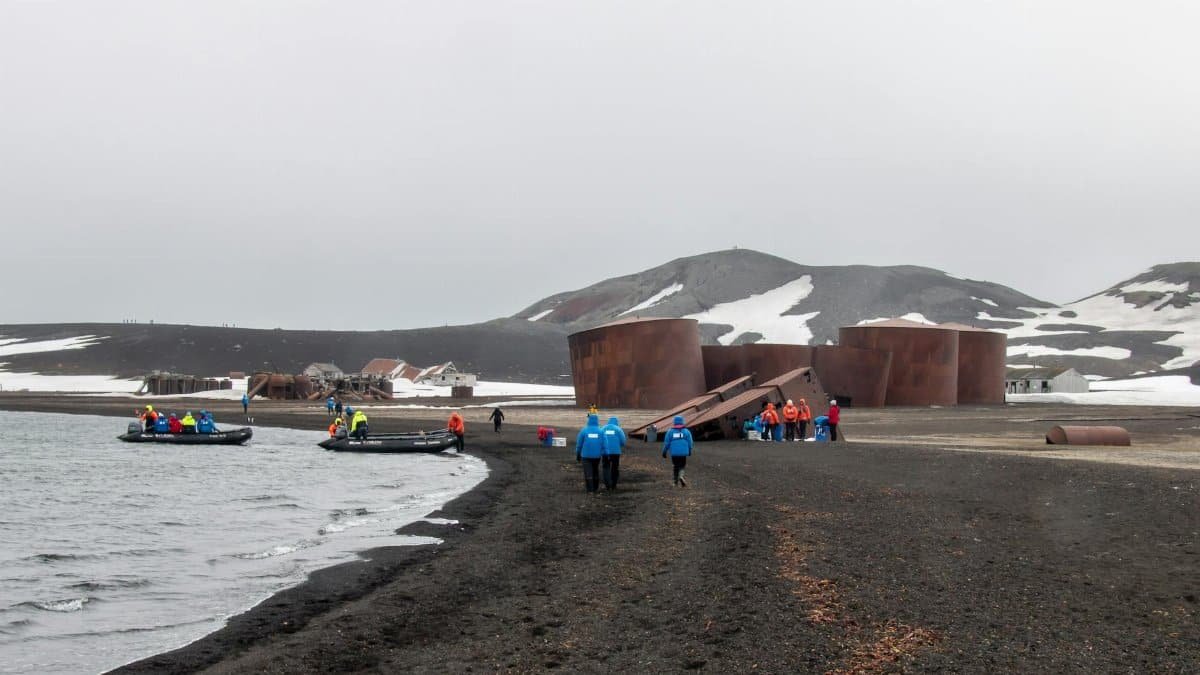
Antarctica’s ice shelves have a history of dramatic retreats. The Larsen B shelf famously shattered in 2002, an event that propelled glaciologist Ted Scambos to fame. Earlier, Larsen A succumbed in 1995. Yet the Conger event stands apart in scale and speed. Data from the National Snow and Ice Data Center shows ice shelf losses accelerating since 2010, with over 40 percent reduction in vulnerable areas. These precedents illustrate a pattern: once destabilized, shelves rarely recover, paving the way for accelerated glacier flow into the ocean.
Unveiling the Scale Through Satellite Eyes

High resolution images from NASA’s ICESat-2 laser altimeter quantified the loss at 450 billion tons of ice. That’s equivalent to the volume of Lake Superior. The largest berg, dubbed C-Prime, measures 45 kilometers long. Copernicus Sentinel-1 radar pierced the winter darkness to map the fracture’s jagged edges. Such precision tools have revolutionized monitoring, revealing how this antarctic ice shelf collapse reshapes ocean currents and exposes new seafloor to warming waters.
Ecological Ripples Across the Southern Ocean
Beneath the shelf, ecosystems thrived in stable darkness: krill swarms, colossal squid, and filter feeding sponges. The sudden exposure disrupts food webs critical to penguins, seals, and whales. Marine biologists report initial blooms of phytoplankton in freshened surface waters, but long term, acidification and warmer inflows threaten biodiversity. A 2023 study in Global Change Biology (read here) warns of cascading effects, potentially halving krill populations by mid century.
Direct Contributions to Sea Level Rise

Ice shelves themselves float, displacing water without raising sea levels upon calving. The real peril lies in buttressing: they restrain massive glaciers like Thwaites and Pine Island. With Conger’s collapse, models predict an additional 10 to 20 centimeters of global sea level rise by 2100 from unchecked flow. The Intergovernmental Panel on Climate Change’s latest assessment pegs Antarctica’s total potential at 58 meters, though gradual. Cities like Miami and Shanghai now face annual “sunny day” flooding more frequently.
Climate Forcings Behind the Break

Atmospheric rivers, intensified by climate change, dumped anomalous precipitation on the shelf, adding weight and fractures. Ocean heat content in the Weddell Sea hit record highs, per NOAA buoys. A paper in Nature Geoscience attributes 70 percent of recent Antarctic losses to human induced warming. Greenhouse gas emissions trap heat, fueling a feedback loop where meltwater stratifies the ocean, trapping warmth below shelves. This antarctic ice shelf collapse exemplifies how regional anomalies amplify global trends.
Scientists Mobilize for Deeper Insights

Field teams from the Alfred Wegener Institute launched an urgent expedition, deploying autonomous underwater vehicles to probe the calved cavity. Early findings confirm accelerated melting rates at 100 meters per year. International collaborations, including the U.S. Antarctic Program, integrate AI driven forecasts to predict successors. “We’re racing against time,” says polar expert Dr. Robert DeConto of the University of Massachusetts. Their work informs the next IPCC report, urging emission cuts.
Global Coastal Vulnerabilities Exposed
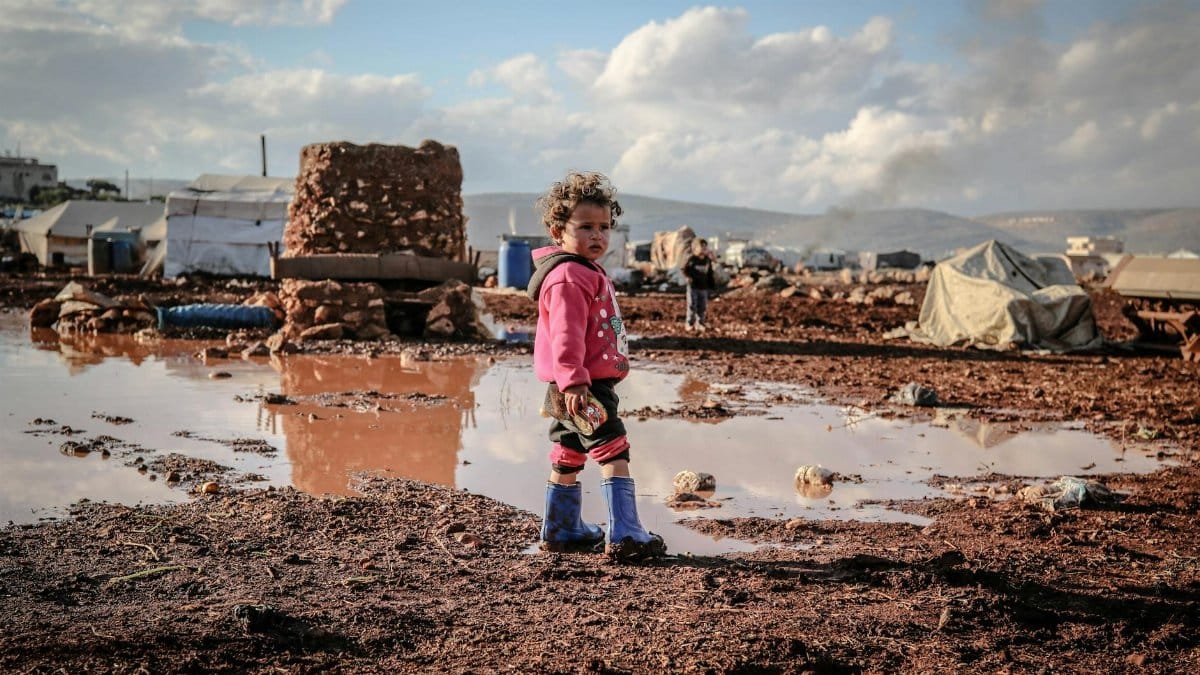
From Bangladesh’s lowlying deltas to California’s eroding cliffs, the fallout is universal. The World Bank estimates $1 trillion in annual damages by 2050 from sea level rise alone. Pacific islands like Kiribati confront existential relocation. In the U.S., Norfolk’s naval base pumps out billions in flood defenses. Insurance giants like Lloyd’s of London factor Antarctic instability into skyrocketing premiums, signaling economic tremors from polar events.
Policy and Geopolitical Tensions

The collapse reignites debates over the Antarctic Treaty, which bans resource claims but faces pressure from melting access. Nations like China and Russia expand research stations, eyed suspiciously by Western allies. At COP29, delegates pushed for binding fossil fuel phaseouts, citing Antarctic sentinels. Yet U.S. policy wavers, with Senate gridlock on green infrastructure. Urgent diplomacy is needed to safeguard the continent’s role as Earth’s climate regulator.
Forecasts and the Path Forward

Ensemble models from the Ice Sheet Model Intercomparison Project project up to 40 percent of Antarctic shelves at risk by 2050 under high emissions. Mitigation hinges on limiting warming to 1.5 degrees Celsius, per Paris Agreement goals. Innovations like marine protected zones around outflows and geoengineering trials offer hope, though controversial. Restoration remains elusive; nature’s resilience demands prevention. This antarctic ice shelf collapse serves as a clarion call: act decisively, or inherit submerged shorelines.
As the icebergs drift toward warmer latitudes, they carry a frozen warning. Humanity stands at the threshold, equipped with knowledge yet tested by will. The stakes, etched in ice and water, demand nothing less than global resolve.