

In the dim twilight of a Louisiana swamp, a symphony erupts not from human orchestras but from the throats of male frogs, their calls pulsing like a living barometer. Scientists have uncovered that these vocalizations, long dismissed as mere mating serenades, might double as rudimentary weather reports, signaling shifts in atmospheric pressure long before clouds gather. This revelation in male frog calls weather challenges our assumptions about animal communication, blending biology with meteorology in ways that echo ancient folklore. As climate patterns grow erratic, these amphibian announcers offer a glimpse into nature’s predictive prowess, urging us to listen more closely to the wild.
The Evolutionary Roots of Amphibian Meteorology
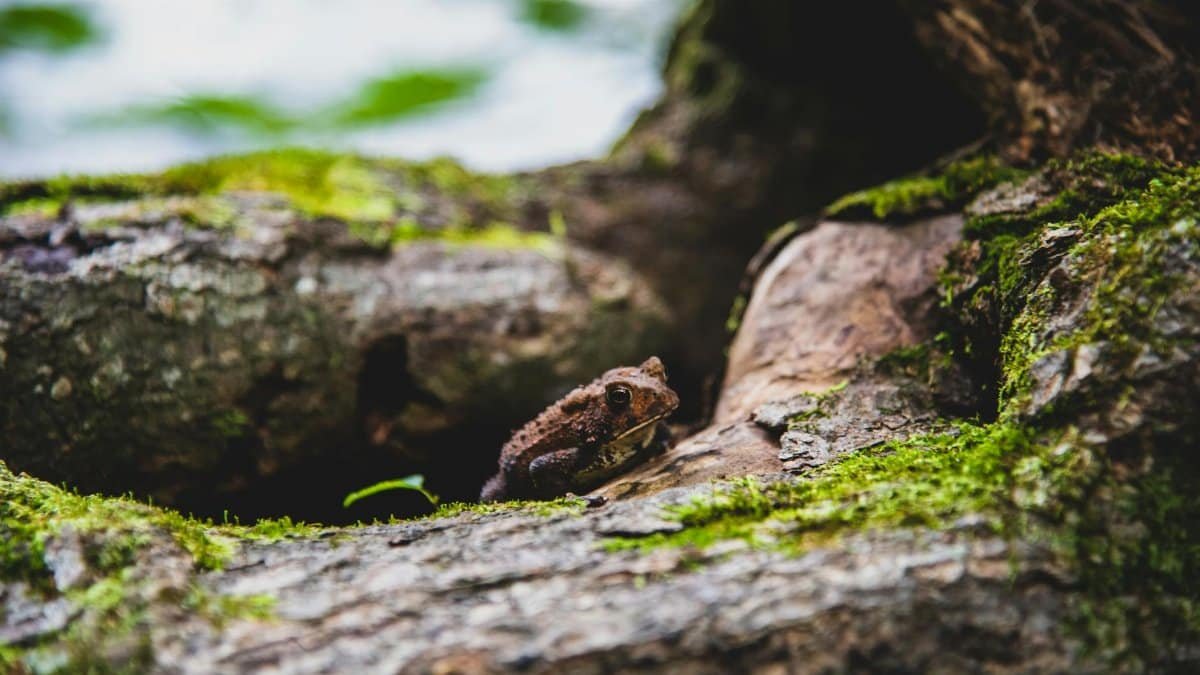
Frogs have croaked through Earth’s climatic upheavals for over 200 million years, evolving in tandem with weather’s whims. Male frogs, particularly in species like the green tree frog, produce calls that vary in pitch, duration and rhythm based on environmental cues. Researchers at the University of Cincinnati observed that lower barometric pressure, often preceding rain, prompts louder, more sustained choruses. This adaptation likely stems from survival needs: accurate weather forecasting helps synchronize breeding with optimal conditions, ensuring tadpoles hatch amid plentiful moisture. In essence, male frog calls weather represent an ancient strategy, honed by natural selection to forecast deluges.
Decoding the Acoustic Signals

Each frog species has its sonic signature, but common threads emerge in how males broadcast barometric bulletins. Take the spring peeper, whose high pitched peeps accelerate as humidity climbs. Acoustic analysis reveals subtle modulations: shorter pulses during stable air masses, elongated trills when pressure drops. A 2019 study in the Journal of Experimental Biology, available at jeb.biologists.org, used spectrograms to map these patterns across North American wetlands. Males do not merely react to rain; their calls anticipate it, integrating humidity, temperature and wind data into a chorus that rivals modern Doppler radar in precision.
Species Spotlight: Túngara Frogs as Rain Prophets
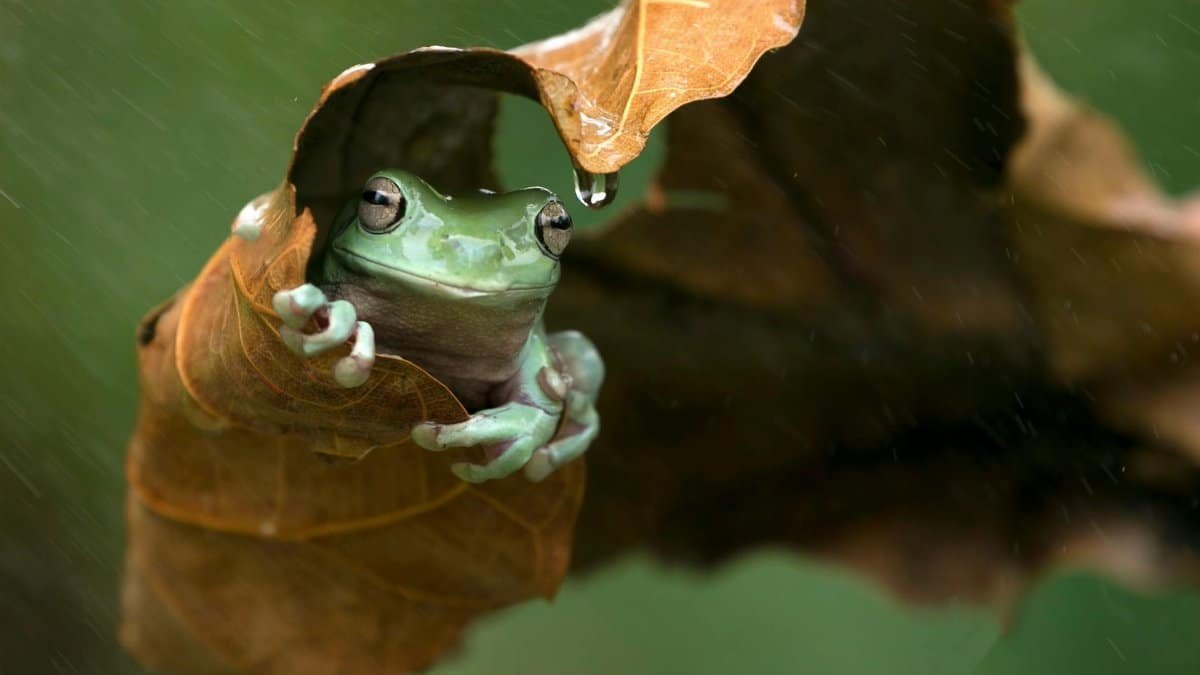
Among tropical pioneers, Central America’s túngara frog stands out. Males here emit a “whine chuck” combo that intensifies pre storm. Fieldwork by Smithsonian Tropical Research Institute biologists showed calls peaking 12 hours before precipitation, correlating with 85 percent accuracy in Panama’s rainy season. This male frog calls weather phenomenon extends to choruses swelling in unison, creating a collective forecast audible up to half a mile away. Such reliability suggests not instinct alone, but a form of acoustic consensus among breeding males, pooling sensory data for communal benefit.
From Swamp to Lab: Scientific Validation
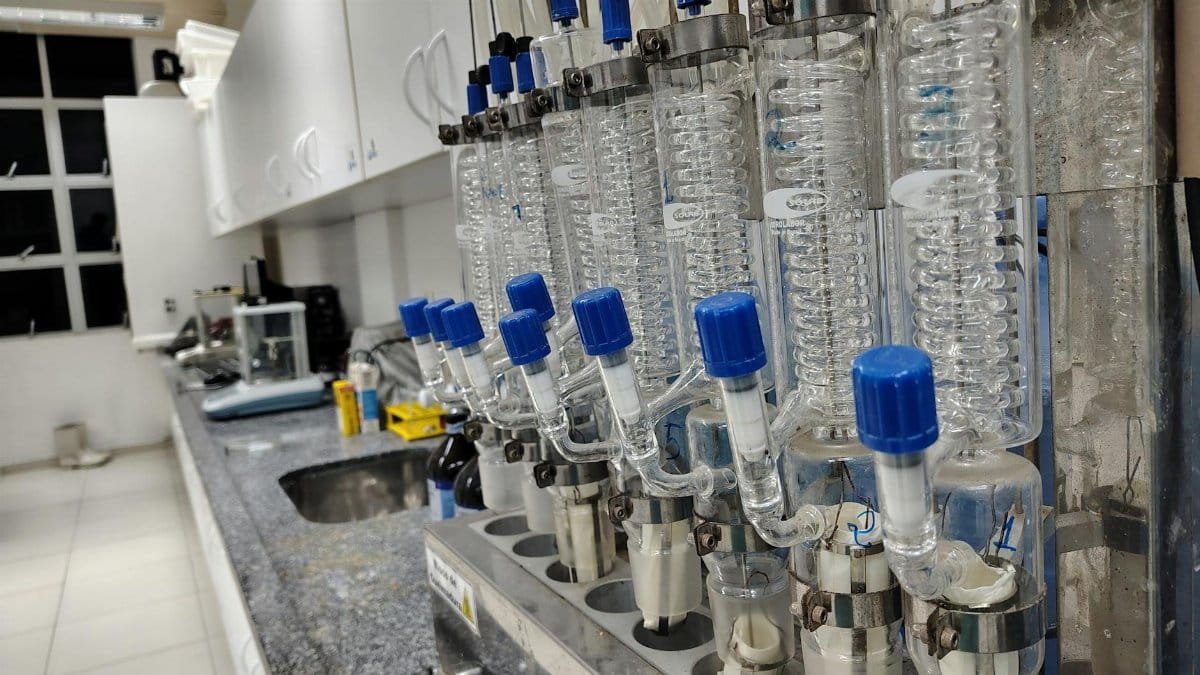
Laboratory recreations confirm field hunch. In controlled chambers at Cornell University, scientists manipulated pressure and recorded responses. Frogs exposed to simulated drops in millibars ramped up call rates by 40 percent within minutes, per a 2022 paper in Animal Behaviour ( sciencedirect.com ). These experiments isolate variables, proving causation over coincidence. Yet wild variability persists, influenced by predators or rivals, reminding us that male frog calls weather blend prophecy with pragmatism.
Cultural Echoes and Indigenous Wisdom

Long before peer reviewed papers, indigenous peoples attuned to frog symphonies. In Mayan traditions of Mesoamerica, frog croaks heralded planting seasons, interpreted as divine weather missives. Similarly, Australian Aboriginal lore casts male frogs as rainmakers, their calls invoking monsoons. Today, in the category of spiritual news and trends, this science revives such views, positing frogs as nature’s oracles. Ethnobotanist Wade Davis notes in his writings how these observations fostered sustainable agriculture, a harmony modern society might reclaim amid climate uncertainty.
Climate Change’s Impact on Frog Forecasters

Rising temperatures disrupt this delicate system. Warmer nights mute calls, as energy diverts to thermoregulation over broadcasting. A report from the Ecological Society of America ( esa.org ) highlights declining chorus volumes in the U.S. Southeast, linked to erratic storms. If male frog calls weather falter, breeding windows narrow, threatening populations already stressed by habitat loss. Conservationists advocate wetland preservation as a dual win: safeguarding biodiversity and preserving these organic radars.
Technological Twists: Bioacoustics in Action

Enterprising engineers now mine frog chatter for apps. Projects like FrogWatch USA deploy microphones in ponds, using AI to parse calls for precipitation predictions. A prototype in Florida outperformed local forecasts during hurricane season, integrating male frog calls weather data with satellite feeds. This fusion of ancient signals and algorithms could democratize rural meteorology, especially where gauges are scarce. Venture backed startups eye commercialization, though purists warn against commodifying nature’s voice.
Comparing Frog Calls to Avian Alarms

Frogs are not alone; birds like the American robin quiet before storms, while geese honk in formation shifts. Yet frog choruses offer denser, more quantifiable data, their amphibian immobility forcing reliance on sound over sight. Comparative studies, such as one in Proceedings of the Royal Society B ( royalsocietypublishing.org ), position male frog calls weather as superior in temporal resolution, detecting pressure changes hours ahead of feather rufflers.
Conservation Imperatives for Vocal Vanguards

With one third of frog species endangered, protecting these forecasters demands action. Initiatives like the Amphibian Ark fund acoustic monitoring in hotspots from the Amazon to Appalachia. By restoring polluted bogs, we amplify male frog calls weather, gaining both ecological and predictive dividends. Policymakers in Louisiana and Florida increasingly reference frog data in flood planning, bridging science and stewardship.
The Broader Symphony of Nature’s Warnings
Frogs remind us that weather wisdom permeates the biosphere. Ants seal nests pre rain; earthworms surface amid low pressure. Male frog calls weather exemplify this web, where one species’ song informs the chorus of life. As global weirding accelerates, heeding these cues fosters resilience, blending empirical rigor with humble awe.
Future Horizons: Listening to the Chorus
Emerging research probes genetic underpinnings, with CRISPR experiments tweaking call responses. Global networks of hydrophones could soon stream live frog forecasts, accessible via smartphone. For now, a midnight pond visit reveals the poetry: males proclaiming not just mates, but monsoons. In an era of algorithmic alerts, their unerring honesty endures, a call to attune our own senses to the rhythms of rain.