
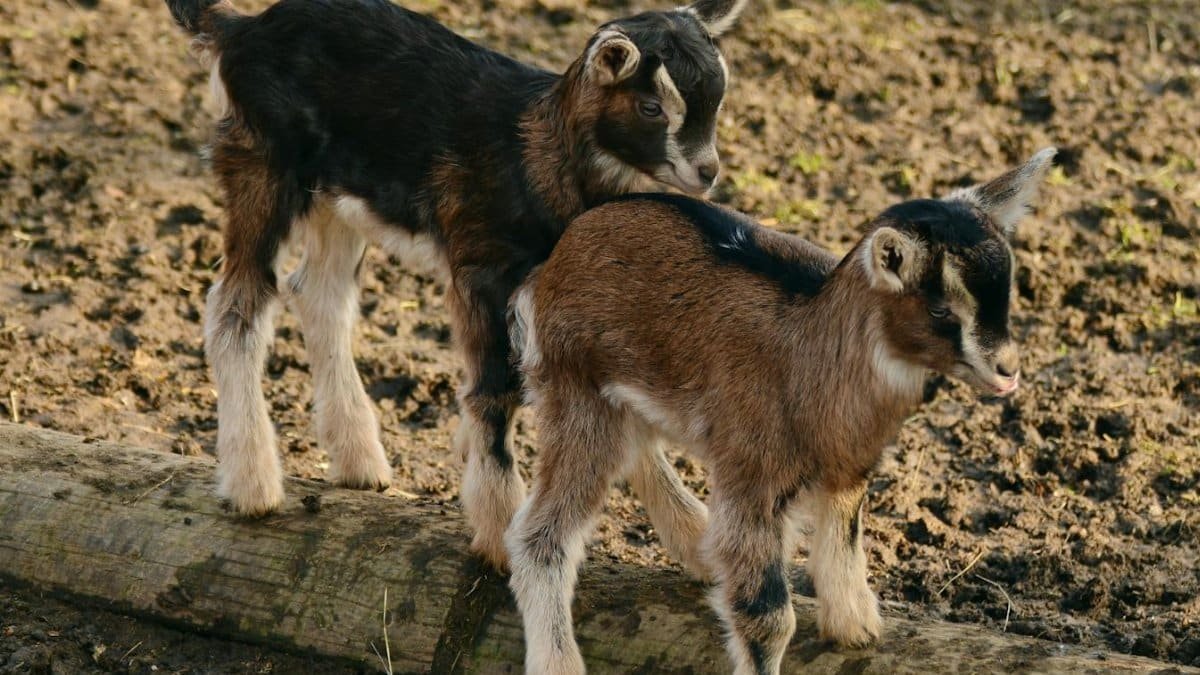
As the days grow longer and the flowers begin to bloom families across the country are seeking out moments of simple delight. At the Smithsonian National Zoo in Washington a pair of African penguin chicks recently hatched drawing excited whispers from onlookers. Similar events are happening from San Diego to New York where us zoos baby animals are becoming the center of attention this season. These tiny creatures with their awkward steps and curious eyes offer a powerful reminder of natures resilience and the careful work of dedicated zookeepers. In an era filled with environmental concerns these births provide a glimmer of optimism. They invite us to pause and appreciate the intricate web of life that sustains us all. For middle aged Americans who remember visiting zoos with their own parents or who now bring grandchildren these scenes carry a special emotional weight connecting generations through shared awe.
The Arrival of New Penguin Chicks
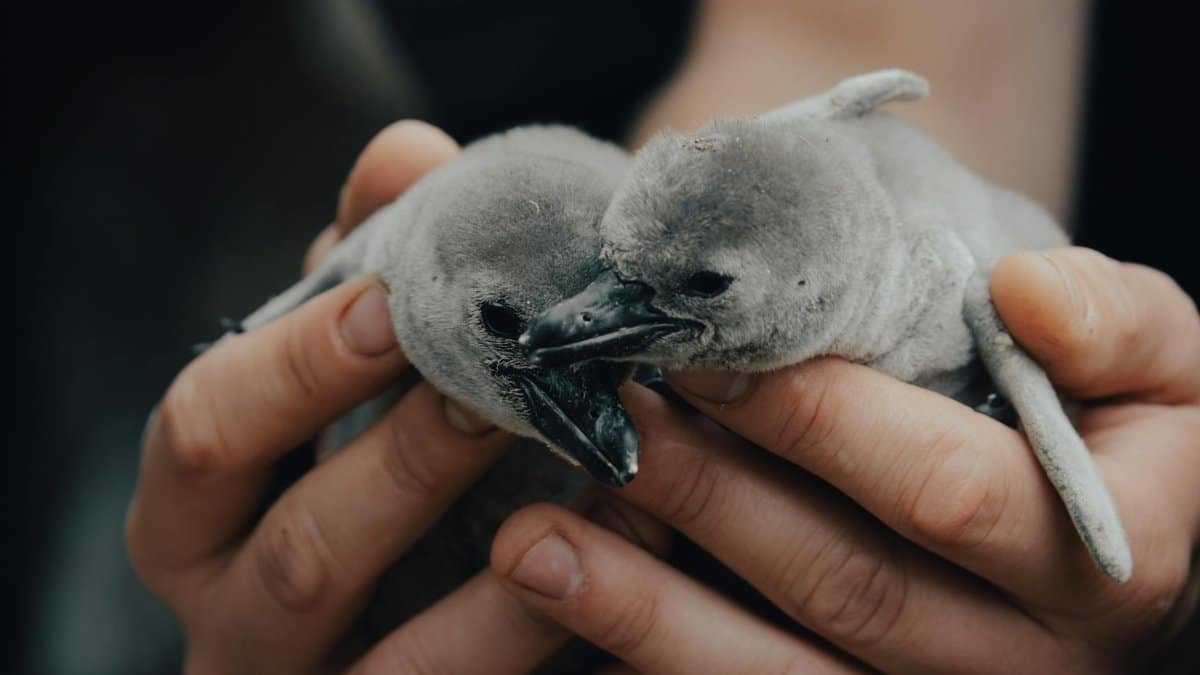
At several prominent institutions this spring African penguin chicks have emerged healthy and vocal. The Bronx Zoo reported three successful hatches in March alone while the Shedd Aquarium in Chicago welcomed two more. These birds already listed as endangered in the wild benefit greatly from coordinated breeding programs that mirror natural cycles. Keepers monitor every stage from egg incubation to the first swims using specialized equipment designed to minimize stress. The chicks sport distinctive downy coats that will gradually give way to the sleek waterproof feathers needed for ocean life. Visitors often stand mesmerized by the way parents trade off duties with what appears to be practiced coordination. Such displays reveal the depth of instinct that persists even in managed environments. Zoos have become vital partners in global efforts to stabilize populations and these new arrivals represent tangible progress.
Red Panda Cubs Light Up the Exhibits
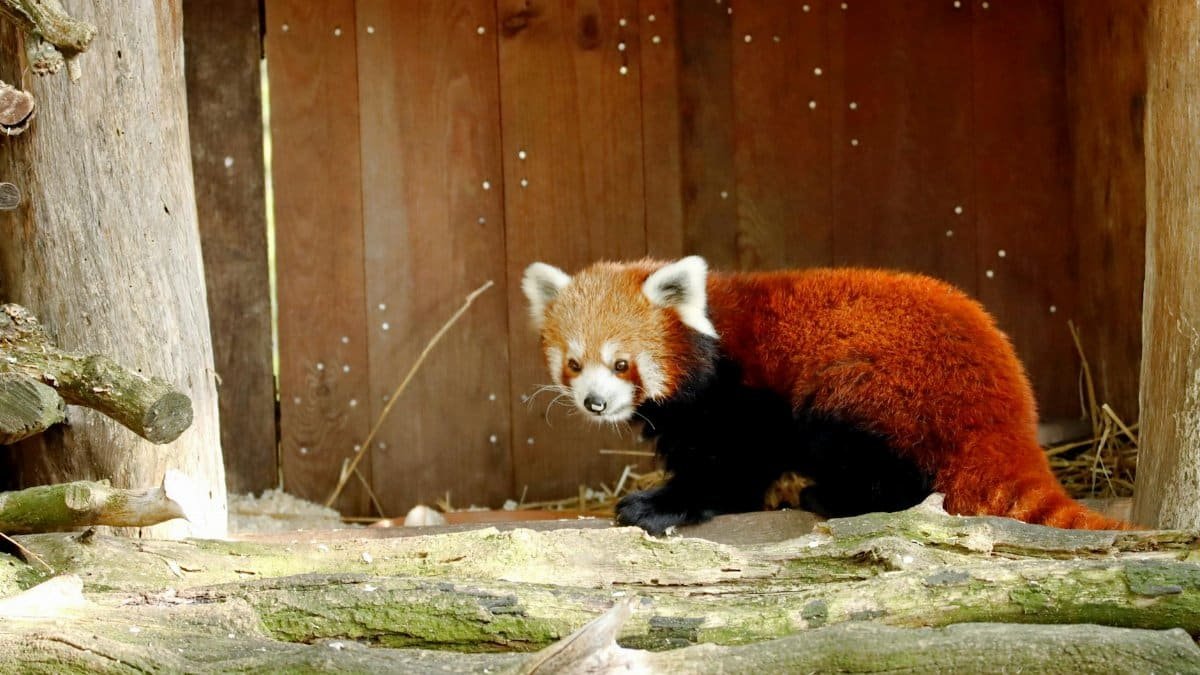
Red pandas continue to captivate audiences with their striking coloration and gentle demeanor. The San Diego Zoo Safari Park announced the birth of twin cubs in late February marking a significant achievement for the species survival plan. These cubs spend their first weeks nestled in carefully constructed dens where staff observe them through remote cameras to avoid disturbing the mother. Once they venture out their playful tumbles and curious explorations become instant social media favorites though zoos discourage excessive photography to protect the animals comfort. Red pandas face habitat loss in their native Asian ranges yet programs in American facilities have boosted genetic diversity. Each healthy cub adds hope to long term recovery strategies. For many observers the sight of these fluffy creatures tumbling across branches stirs a protective instinct that transcends mere entertainment.
Behind the Scenes at Major Zoos
Zookeepers and veterinarians invest countless hours preparing for these births. Nutritionists craft special diets for expectant mothers while behavioral experts design environments that encourage natural parenting. At the Atlanta Zoo a team of six specialists rotated shifts around the clock when a giant panda gave birth to a single cub last month. Their work includes everything from temperature control in nursery areas to gentle training that allows medical checks without sedation. Such dedication often goes unnoticed by casual visitors yet it forms the foundation of every public encounter. Training extends beyond the animals to the staff themselves who study years of data to refine techniques for each species. This commitment reflects a broader shift in zoo philosophy from simple exhibition to active participation in worldwide conservation networks.
Conservation Efforts Yield Results
Modern zoos have transformed into research and breeding centers that directly support wild populations. According to data compiled by the Association of Zoos and Aquariums more than two hundred species have seen improved outcomes through captive breeding and reintroduction programs. The births we witness this spring form part of that larger story. When a zoo successfully raises a baby animal it gains knowledge that can later help protect similar creatures in threatened habitats. Funding from ticket sales and donations supports field projects thousands of miles away. One notable example involves penguin conservation in South Africa where American zoos provide both financial resources and scientific expertise. These connections illustrate how local experiences of wonder contribute to global solutions. The public gains more than adorable photographs; they participate in a system designed to secure biodiversity for coming decades.
The Spiritual Meaning in New Life

There exists a profound sense of reverence in witnessing the first breaths of any creature. Across spiritual traditions spring has long symbolized renewal and the animal kingdom offers living expressions of that principle. Many visitors to zoos this season describe an almost sacred feeling when they watch a red panda cub take its initial steps or hear the high pitched calls of penguin chicks. These moments cut through daily routines and remind us of forces larger than ourselves. The vulnerability of newborns combined with their immediate spark of personality prompts reflection on the miracle inherent in all life. In a culture often disconnected from natural processes these zoo encounters provide accessible portals to deeper contemplation. They encourage a form of stewardship that aligns with many faith based calls to care for creation. The tenderness keepers show toward their charges models the compassion many spiritual teachings advocate.
How Zoos Prepare for Breeding Seasons
Preparation begins months before any conception occurs. Geneticists analyze bloodlines to ensure optimal pairings while habitat designers modify enclosures to stimulate breeding behavior. Temperature lighting and even sounds play crucial roles in signaling to animals that conditions favor new life. At the Oregon Zoo staff introduced specific bamboo varieties to encourage natural foraging in red pandas weeks before mating season. Such attention to detail demonstrates the scientific rigor now standard in responsible institutions. Veterinary teams conduct thorough health screenings and maintain detailed records that inform future decisions. This methodical approach has dramatically increased success rates over the past twenty years. What appears to visitors as spontaneous magic actually rests on layers of planning and expertise developed through decades of careful observation and adjustment.
Public Interest Surges with Each Birth
Attendance typically rises when news spreads of new arrivals. Families who might visit once a year return repeatedly to check on progress. Schools organize field trips around these events turning them into living lessons about biology and responsibility. The Cincinnati Zoo experienced a thirty percent increase in March ticket sales following announcements about their river otter pups. Social media amplifies the effect as photographs and short videos reach millions who may never visit in person. This heightened visibility creates opportunities to educate the public about conservation challenges facing each species. Zoos carefully balance celebration with substance ensuring that cuteness serves as an entry point to more serious discussions. The emotional connection people form with individual animals often translates into sustained support for protection efforts both locally and internationally.
Challenges in Raising Healthy Young

Not every birth proceeds smoothly. Some mothers lack natural parenting instincts requiring keepers to step in with round the clock care. Others face health complications that demand immediate intervention. Zoos maintain specialized nurseries equipped with incubators feeding tubes and monitoring devices that rival human neonatal units. Staff train extensively to recognize subtle signs of distress in species ranging from flamingos to snow leopards. The emotional toll on workers can be significant especially when outcomes prove unfavorable. Yet these challenges have driven innovations in animal care that benefit both captive and wild populations. Knowledge gained through difficult cases now informs better preventive strategies. The persistence shown by zoo teams in the face of uncertainty offers its own form of inspiration to those following their stories.
Stories of Individual Animal Care
Each baby carries its own narrative. At the Denver Zoo a prematurely born kangaroo joey spent weeks in a makeshift pouch fashioned by keepers who took turns providing warmth and stimulation. The animal now thrives and delights visitors with energetic hops. Such accounts reveal the personal investment staff make in their charges. Names chosen through public contests or staff votes further connect animals to community identity. One keeper at the Philadelphia Zoo described hand feeding a rejected penguin chick every two hours for twenty seven days until it could join the colony. These intimate details humanize the scientific work and illustrate the genuine affection that develops between caretakers and animals. Through these individual stories larger truths about dedication and resilience emerge in ways that resonate across age groups.
Why These Animals Matter for the Future
The babies born in us zoos baby animals programs this spring carry significance far beyond their immediate appeal. They represent hope for species facing uncertain futures due to habitat destruction and climate shifts. Each successful rearing adds to the reservoir of genetic material available for restoration projects. More importantly they cultivate public empathy that translates into political and financial support for conservation. Children who meet these animals today may become the scientists and policymakers of tomorrow. For middle aged visitors the experience often prompts examination of personal habits and their environmental impact. The spiritual dimension emerges again as people sense their place within a larger living system. These small creatures serve as ambassadors bridging the gap between human society and the natural world that sustains it. Their survival depends on choices made by our generation.
The wave of births sweeping through American zoos offers more than seasonal entertainment. It presents an opportunity to reconsider our relationship with the animal kingdom and the responsibilities that relationship entails. As families gather to witness these new lives they participate in something larger than a simple outing. They engage with cycles of renewal that have inspired spiritual reflection for centuries. In the careful hands of modern zookeepers these vulnerable animals receive the best possible start while contributing to knowledge that may one day help their wild counterparts. The coming months will see these youngsters grow more independent and interactive providing continued chances for connection and learning. Their presence reminds us that even in challenging times life persists in its remarkable capacity for fresh beginnings.