
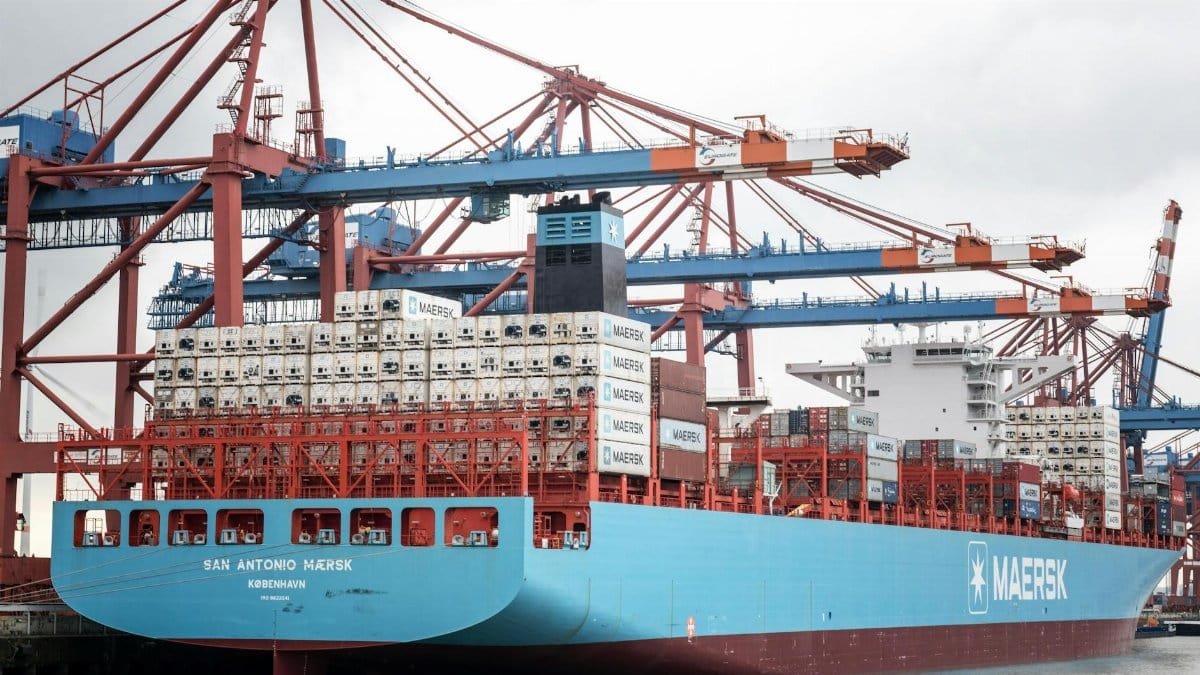
As cargo ships idle off the coast of Singapore, their engines humming expensively on pricier fuel, the global trade machine shows signs of strain. Maersk, the Danish shipping behemoth, along with rivals like MSC and Hapag-Lloyd, has rolled out an emergency fuel surcharge across key routes. This move, triggered by soaring bunker prices amid the escalating Iran war, threatens to cascade through economies already battered by uncertainty. What began as a regional conflict has rippled into the arteries of international commerce, forcing shippers to pass on costs that could redefine holiday shopping bills and factory output worldwide. (112 words)
The Mechanics of the Emergency Fuel Surcharge
At its core, the Maersk emergency fuel surcharge functions as a dynamic add-on to standard freight rates. Unlike routine adjustments tied to market fluctuations, this one activates thresholds based on bunker fuel costs exceeding $1,000 per metric ton. Maersk calculates it daily, applying percentages that can swing from 10 to 30 percent on affected voyages. For a typical Asia-Europe container, that translates to hundreds of dollars extra per unit. The policy, detailed on Maersk’s website, aims to shield carriers from volatility but has drawn fire for its opacity. Shippers argue the formula lacks transparency, blending spot prices with hedging strategies that favor the lines.
Geopolitical Flashpoint: Iran’s Role in Fuel Chaos

The Iran war has choked key oil chokepoints like the Strait of Hormuz, through which 20 percent of global crude flows. Sanctions and skirmishes have spiked Brent crude above $120 a barrel, pushing marine diesel and low-sulfur fuel oil to records. Analysts at Drewry, a maritime consultancy, note bunker prices in Fujairah, UAE, jumped 45 percent in weeks ( Drewry Bunker Reports ). Maersk cites this as unavoidable, with war risks rerouting vessels around Africa, adding days and fuel burn. The surcharge, they say, mirrors responses to past disruptions like the 2021 Suez blockage.
Bunker Fuel Surge: Numbers Tell the Story
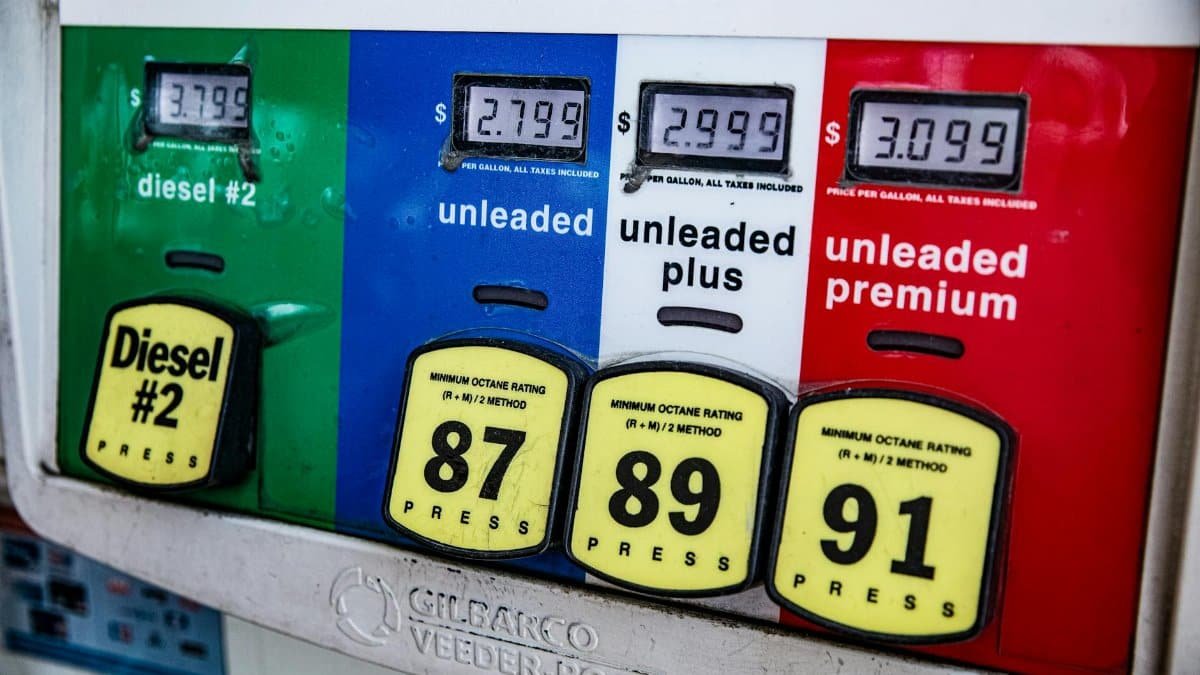
Bunker fuel, the heavy oil blend powering massive vessels, now costs carriers millions daily. In Rotterdam, prices hit €950 per ton last week, up from €650 pre-war. Maersk’s fleet of 700-plus ships guzzles 30 million tons yearly; a 20 percent hike equals $6 billion in extra expense. Competitors followed suit: COSCO added 15 percent on transpacific lanes, while ONE imposed flat fees. This Maersk emergency fuel surcharge, averaging 18 percent on Middle East trades, reflects a sector-wide scramble. Without it, warns Maersk CEO Vincent Clerc, fleets risk insolvency amid fixed contracts.
Global Routes Under Pressure

No ocean escapes untouched. Transatlantic services face 12 percent hikes, Asia-US west coast lines 22 percent. The worst hits Far East-Mediterranean corridors, where surcharges top 28 percent due to Persian Gulf proximity. Maersk suspended some calls to Jebel Ali, shifting to safer Oman ports at higher costs. Smaller lines like Evergreen echo the policy, but independents balk, risking rate wars. Trade data from Clarksons shows volumes dipping 3 percent already, as forwarders reroute or delay shipments.
Supply Chain Ripples Reach Factories

Manufacturers from Vietnam electronics plants to German automakers feel the pinch first. A Shanghai toy exporter reports 25 percent freight cost jumps, squeezing margins on Walmart orders. Inventory piles up in bonded warehouses, echoing pandemic shortages. The Maersk emergency fuel surcharge amplifies this, with forwarders like Kuehne+Nagel warning of Q2 bottlenecks. US importers, facing Section 301 tariffs atop fuel fees, lobby for exemptions. In Europe, chemical firms halt production, citing unaffordable resin imports.
Consumer Wallets Hit Hardest

Eventually, these costs filter to store shelves. Economists at Oxford Economics project a 2-4 percent rise in US import prices by summer, stoking inflation fears ( Oxford Economics Shipping Outlook ). Holiday goods, apparel, and appliances could cost families $200 more annually. Retailers like Target blame “force majeure” clauses, but shoppers see only pricier tags. In the UK, Tesco warns of vegetable import delays from conflict zones, blending fuel woes with insurance spikes.
Industry Backlash and Boycotts

Shippers unite in protest. The World Shipping Council decries “predatory pricing,” while freight platforms like Freightos show spot rates doubling. Some forwarders shun Maersk, opting for air despite 10x costs. Social media buzzes with #FuelGouge, tagging CEOs. Yet carriers counter that surcharges saved the industry during COVID, preserving capacity. Maersk reports 80 percent customer retention, betting resilience over revolt.
Regulatory Eyes Turn to Brussels and Washington

Antitrust watchdogs stir. The EU’s competition arm probes surcharge uniformity across lines, suspecting collusion. In the US, the Federal Maritime Commission demands data on pass-through rates. Maersk welcomes scrutiny, publishing methodologies online. Past fines, like $280 million in 2016 for rate-fixing, loom large. Regulators could cap fees or mandate rebates if volatility eases.
Maersk’s Strategic Playbook

Far from panicked, Maersk accelerates green fuels, testing biofuel blends on 10 vessels to cut surcharges long-term. CEO Clerc frames the emergency fuel surcharge as a bridge to methanol propulsion by 2030. Investments in LNG carriers hedge oil risks, with 20 newbuilds on order. This positions Maersk as innovator amid crisis, eyeing market share as weaker rivals falter.
Seeking Shelter: Hedging and Alternatives

Forwarders hedge via futures on ICE, locking prices months ahead. Rail and air freight gain traction for high-value goods, though volumes stay niche. Nearshoring booms: Mexico’s ports snag US-bound cargo from Asia. Blockchain platforms like TradeLens, Maersk’s own, streamline claims, easing surcharge disputes. Still, no silver bullet exists for bulk commodities.
Historical Echoes from Past Crises

This mirrors 1973’s oil embargo, when surcharges tripled rates and sparked recessions. The 2018-19 US-China trade war added 40 percent to some lanes. Lessons? Diversify suppliers and stockpile. Today’s Iran war adds military peril, with US Navy escorts inflating insurance 300 percent. Maersk draws on these, stress-testing fleets quarterly.
A Turbulent Horizon Ahead

Prognoses vary. If Iran hostilities cool by fall, bunkers could retreat 15 percent, phasing out surcharges. Persistent war risks $150 oil, entrenching fees. Maersk eyes 5 percent volume growth despite headwinds, buoyed by e-commerce. Broader lesson: global trade’s fragility demands resilient policies. As routes stabilize, watch for consolidation; survivors like Maersk may dominate a leaner fleet. (1,248 words)