
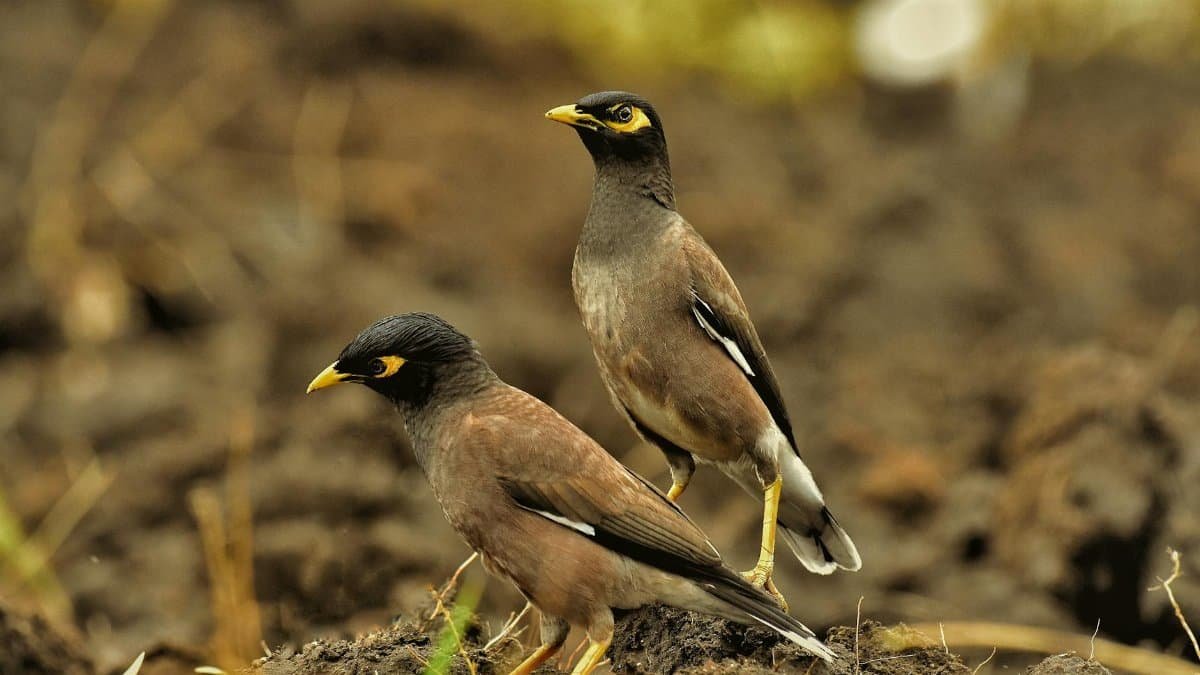
In the shadowed understory of Australia’s ancient rainforests, a male superb lyrebird pauses its famous mimicry to rake the forest floor with powerful claws. What begins as a ritual for courtship soon reveals a staggering truth: lyrebirds move soil litter in quantities that dwarf those of any other digging animal on Earth. Recent research from the Ecological Society of Australia highlights how these birds, through relentless scratching, redistribute up to 100 kilograms of leaf litter and soil per hectare each year. This behavior positions them as unsung architects of their ecosystem, reshaping habitats in ways that sustain biodiversity. As scientists delve deeper, the lyrebirds role emerges not just as performers, but as vital forces in forest health.
Uncovering the Digging Phenomenon

Researchers have long admired lyrebirds for their vocal talents, but a study in the Daintree Rainforest shifted focus to their feet. Cameras and soil traps documented how these birds methodically flip litter layers, exposing nutrient rich soil beneath. The findings, detailed in a report by the Ecological Society of Australia ( esa.org/newsroom/esa-in-the-news/ ), quantify that lyrebirds move soil litter at rates exceeding wombats or bandicoots. Each bird can displace several kilograms daily during breeding season, creating a mosaic of microhabitats. This activity aerates soil, promotes seed germination, and cycles organic matter back into the earth.
Why Lyrebirds Excel at Soil Turnover

The superb lyrebirds anatomy equips it uniquely for this task. Long, curved toes and strong legs allow precise, forceful scrapes that other forest dwellers cannot match. Observations show males constructing display mounds by moving soil litter in elaborate patterns, sometimes over 200 square meters per territory. Females join in, foraging in the disturbed patches. This dual purpose digging integrates survival with ecosystem engineering. Unlike invasive earthworms in other continents, lyrebirds provide a native service, preventing soil compaction and fostering fungal networks essential for tree roots.
Comparisons with Global Diggers

Worldwide, animals like gophers in North America or armadillos in South America turn soil, but none rival the lyrebirds intensity. A hectare patrolled by lyrebirds sees more disturbance than areas worked by packs of feral pigs. Data from the Australian study reveals lyrebirds move soil litter equivalent to 1.5 tons per square kilometer annually. This outpaces even the industrious echidnas, which focus on ants rather than broad litter displacement. Such comparisons underscore the lyrebirds outsized impact in Gondwanan forests, where evolutionary pressures honed their habits.
Boosting Forest Regeneration
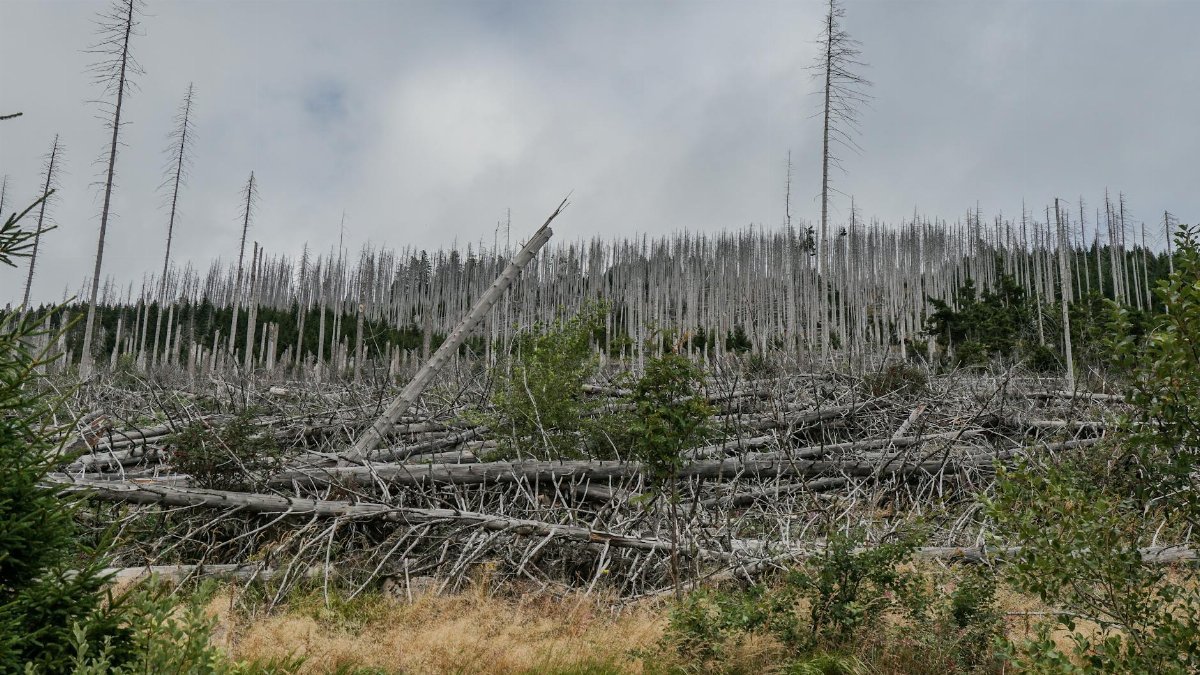
By constantly moving soil litter, lyrebirds accelerate decomposition and nutrient release. Fallen leaves that might smother seedlings instead become fertilizer in turned plots. Studies link these sites to higher plant diversity, with rare orchids and ferns thriving amid the churn. In fire prone eucalypt woodlands, this prepares the ground for post blaze recovery. Without lyrebirds, litter buildup could stifle regeneration, altering forest composition over decades. Their work mirrors human tilling, yet harmonizes perfectly with natural cycles.
The Breeding Ritual Connection

Male lyrebirds courtship arenas demand pristine stages, prompting vigorous litter clearance. They scrape away debris to showcase tail feathers against bare earth, inadvertently benefiting the ecosystem. This seasonal frenzy peaks in winter, when lyrebirds move soil litter most aggressively. Females select mates partly based on arena quality, perpetuating the trait. Researchers note that disrupted habitats reduce these displays, hinting at cascading effects on soil health. The birds artistry thus serves a greater ecological purpose.
Threats to These Ecosystem Engineers

Habitat fragmentation from logging and invasive species endangers lyrebirds populations. In cleared areas, the absence of their digging leads to litter accumulation and soil degradation. Feral cats prey on ground active birds, while climate shifts alter rainfall patterns critical for litter moisture. Conservationists advocate protecting core ranges in national parks, where lyrebirds move soil litter unchecked. Initiatives like those from the Rainforest Conservation Society emphasize corridors linking fragments to maintain this vital service.
Insights for Broader Biodiversity

Lyrebirds exemplify keystone species, whose removal ripples through food webs. Their soil turnover supports invertebrates, which feed lizards and small mammals. Birds like the eastern whipbird exploit turned earth for insects. This chain reaction highlights why preserving such engineers matters globally. In temperate forests worldwide, analogous species like thrushes play lesser roles, but lyrebirds scale sets a benchmark. Policymakers could model rewilding efforts on these dynamics.
Mimicry and Groundwork Synergy

While famous for imitating chainsaws or cameras, lyrebirds ground habits remain underappreciated. Their scratching precedes song bouts, clearing acoustics as well as litter. This multitasking reveals a creature attuned to its world. Tourists in Lamington National Park witness both, fostering appreciation. Yet, increased visitation risks compacting the very soil lyrebirds work. Balancing ecotourism with protection ensures future generations see these marvels in action.
Future Studies and Applications
Ongoing research deploys GPS trackers to map exact movement patterns, promising refined estimates. Collaborations with indigenous knowledge holders, who have observed lyrebirds for millennia, enrich interpretations. Potential applications include bioinspired agriculture, where lyrebird style tillage reduces machinery needs. As climate change intensifies, understanding how lyrebirds move soil litter could inform resilience strategies for vulnerable woodlands. The birds story invites reflection on natures hidden labors.
The revelation that lyrebirds move soil litter more than any other animal reframes our view of Australias forests. These feathered tillers, through instinctual behaviors, sustain life in profound ways. Protecting them safeguards not just a performer, but the stages vitality beneath.