

Louisiana wellness tax credit is causing a major shift in home improvement trends this year. On January 29, 2025, Act 491 was introduced in Baton Rouge, offering homeowners a deduction of up to $3,000 for installations that promote mental well-being. From cold plunges to meditation spaces, residents are seizing the opportunity to enhance their homes and health. Early data shows a significant sales spike for installers, while economists and health researchers track the broader economic and societal impacts of this innovative policy.
Act 491: A New Incentive for Wellness

In a bold move to support mental health, Louisiana’s Act 491, rolled out on January 29, 2025, in Baton Rouge, allows homeowners to claim a tax deduction of up to $3,000. This credit applies to installations designed to boost mental well-being, such as saunas, cold plunges, and dedicated meditation rooms. The policy aims to make wellness-focused home improvements more accessible, encouraging residents to invest in spaces that reduce stress and improve quality of life. State officials hope this will set a precedent for health-driven incentives nationwide.
Cold-Plunge Installers See Sales Surge

The impact of the Louisiana wellness tax credit was almost immediate. Within just two months of the policy’s introduction, cold-plunge installers across the state reported a staggering 40% jump in sales. These icy installations, popular for their purported benefits in reducing stress and inflammation, have become a go-to choice for homeowners looking to capitalize on the tax deduction. Local businesses are struggling to keep up with demand, signaling a potential boom for niche wellness contractors in Louisiana.
Economic Ripple Effects in Construction

Beyond individual households, the tax credit is stimulating significant economic activity. Economists at Louisiana State University (LSU) project that the policy will generate approximately $18 million in local construction activity. This figure reflects new projects tied directly to wellness installations eligible for the credit. From hiring contractors to sourcing materials, the initiative is providing a much-needed boost to the state’s construction sector in 2025, potentially creating jobs and supporting small businesses in communities across Louisiana.
Public Health Benefits Under Scrutiny
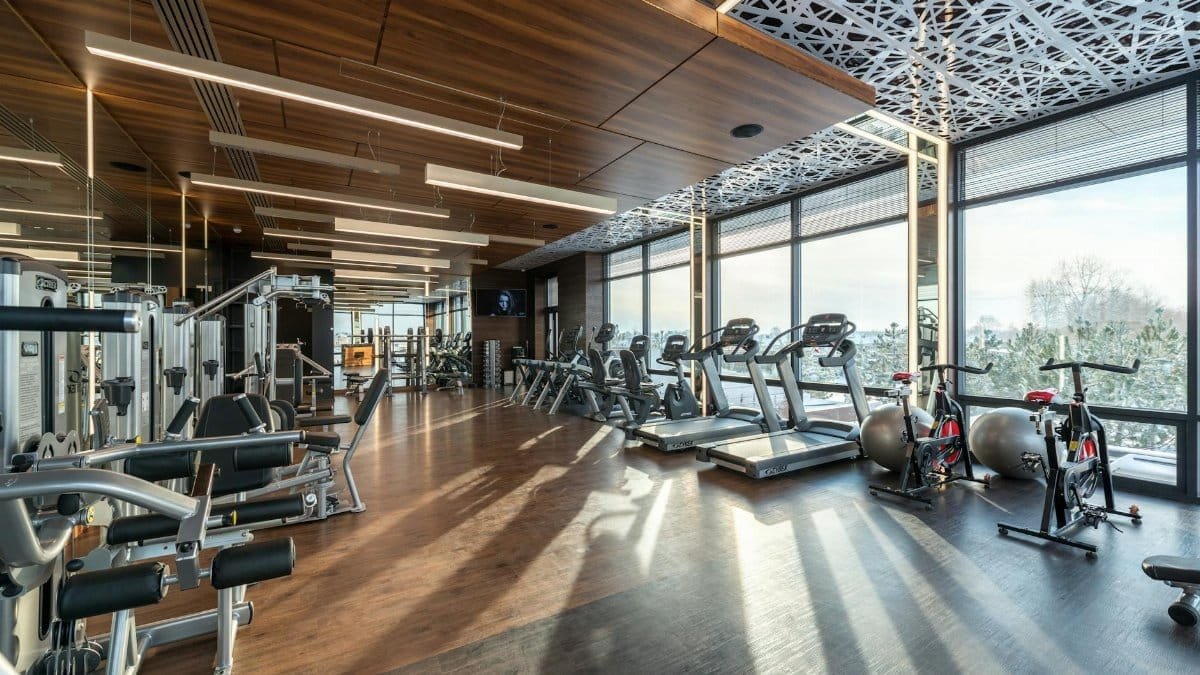
The Louisiana wellness tax credit isn’t just about economics—it’s also a public health experiment. Public health researchers are actively monitoring whether these wellness-focused home improvements lead to measurable outcomes, specifically a reduction in stress-related emergency room visits. While data collection is ongoing, early anecdotal feedback suggests that residents with access to personal wellness spaces may experience lower anxiety levels. Researchers hope to quantify these effects in the coming months, providing hard evidence on the policy’s impact on mental health.
Who Qualifies for the Credit?
Act 491 is designed to be inclusive, targeting homeowners across Louisiana who are willing to invest in qualifying installations. The $3,000 deduction applies to a range of projects, provided they are deemed to promote mental well-being. Eligible improvements include cold plunges, saunas, and even custom meditation rooms. Homeowners must ensure proper documentation of expenses to claim the credit, and state guidelines are available to clarify which installations qualify. This accessibility has fueled widespread interest in the program.
Broader Implications for State Policies

The introduction of the Louisiana wellness tax credit raises questions about the role of state policies in personal health. By incentivizing mental wellness through home improvements, Louisiana is pioneering a unique approach to public health challenges. If the data on reduced ER visits and economic growth holds, other states may look to replicate this model. For now, Louisiana stands as a test case, with national observers watching closely to see if tax credits can effectively bridge the gap between policy and personal well-being in 2025.
Supporting Data and Resources

For those seeking more information on the broader context of wellness incentives, reputable sources offer valuable insights. The Louisiana Department of Revenue provides detailed guidelines on Act 491 and eligibility for the tax credit, accessible through their official site at Louisiana Department of Revenue. Additionally, research on the mental health benefits of wellness spaces can be explored through resources from the National Institute of Mental Health at NIMH, which offers studies on stress reduction and environmental factors.