
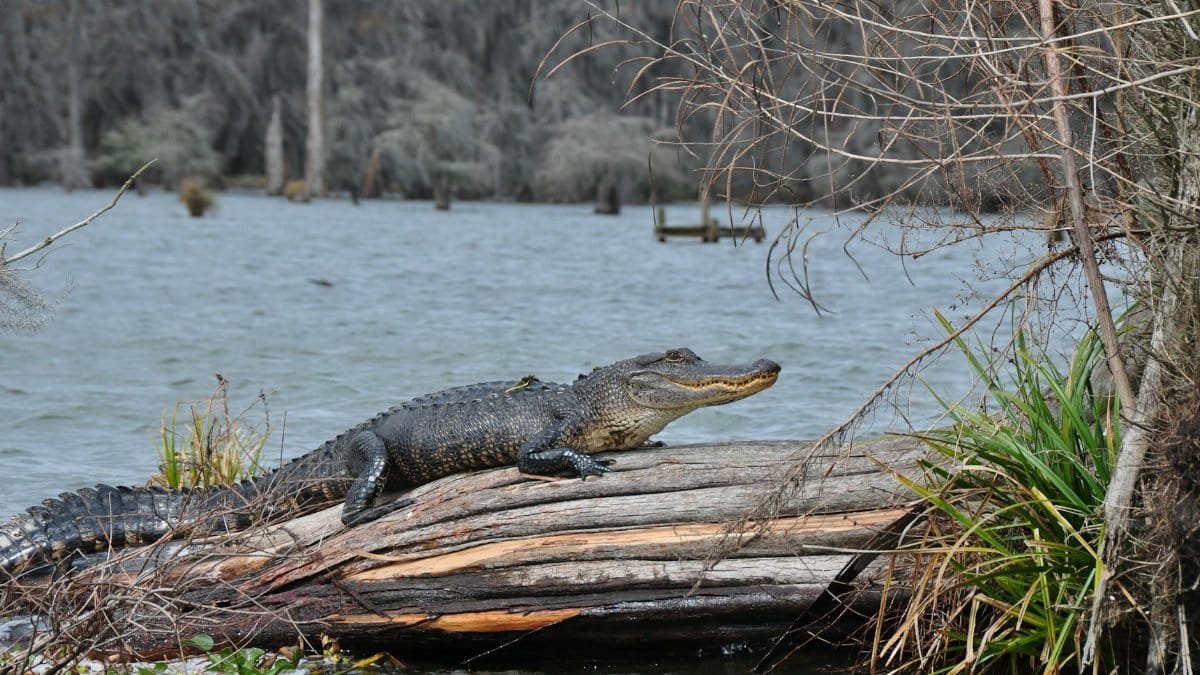
In the heart of Louisiana’s lush wetlands and bayous, a series of pivotal louisiana wildlife meetings is underway, blending hands-on education for hunters with high-stakes discussions on fishing quotas and disease management. The Louisiana Department of Wildlife and Fisheries (LDWF) is spearheading the “Beyond the Stand” workshop, aimed at deepening hunters’ knowledge of the state’s diverse reptiles and amphibians. Meanwhile, the Oyster Task Force and Wildlife and Fisheries Commission are convening to address commercial fishing quotas and the expansion of the Chronic Wasting Disease (CWD) management area in East Central Louisiana. These efforts underscore a delicate balance between preserving sporting heritage and safeguarding ecological health, as detailed by [LDWF](https://www.wlf.louisiana.gov/).
Spotlight on the “Beyond the Stand” Workshop

The “Beyond the Stand” workshop represents a fresh approach to hunter education, moving beyond traditional game pursuits to spotlight Louisiana’s often-overlooked reptiles and amphibians. Hosted by LDWF, this initiative invites sportsmen to explore the slithering and croaking inhabitants of the state’s forests and marshes. By fostering awareness of these species, the workshop equips participants with insights that enhance their time in the field, turning every hunt into an opportunity for broader environmental stewardship. It’s a reminder that Louisiana’s outdoors isn’t just about deer stands—it’s a vibrant ecosystem demanding respect and understanding.
Educating Hunters on Reptiles and Amphibians
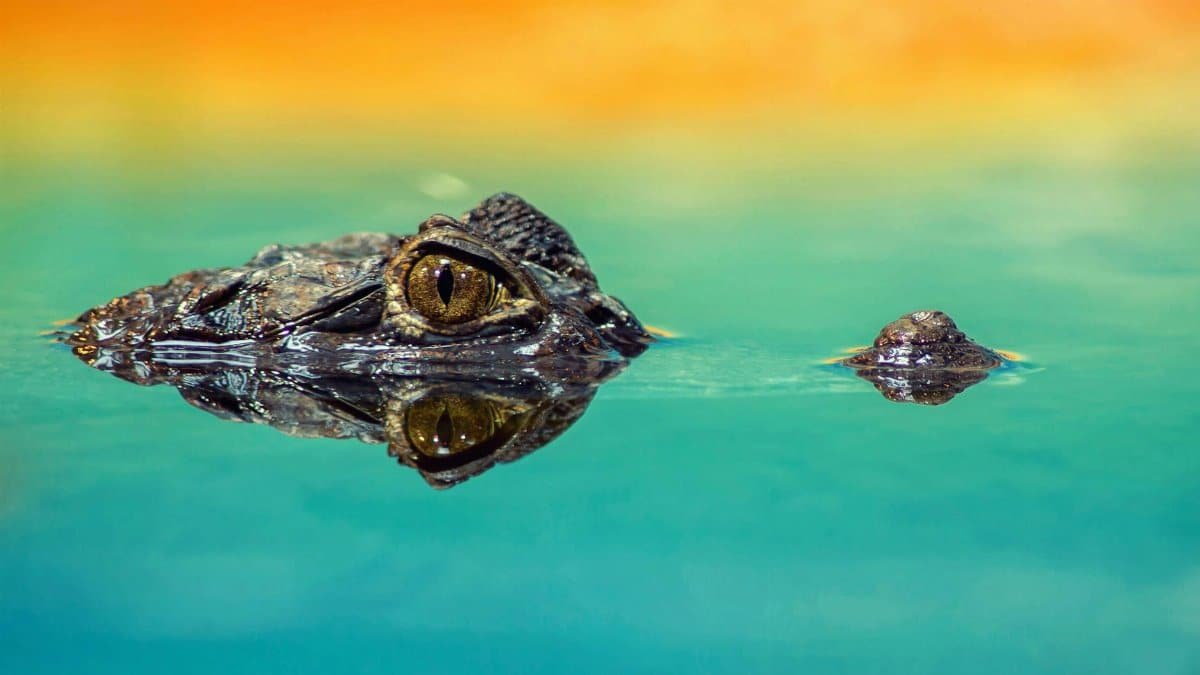
Reptiles and amphibians form a critical thread in Louisiana’s wildlife tapestry, serving as indicators of wetland health and prey for larger game. The workshop delves into regional species, from the stealthy cottonmouths to the chorus of frog calls echoing at dusk, educating hunters on identification, habitats, and ecological roles. This knowledge isn’t abstract; it directly informs safe and ethical hunting practices. As LDWF emphasizes, understanding these creatures helps hunters navigate encounters that could otherwise disrupt both personal safety and natural balances. In an era where habitat pressures mount, such programs bridge the gap between sport and science.
The Oyster Task Force Steps Up
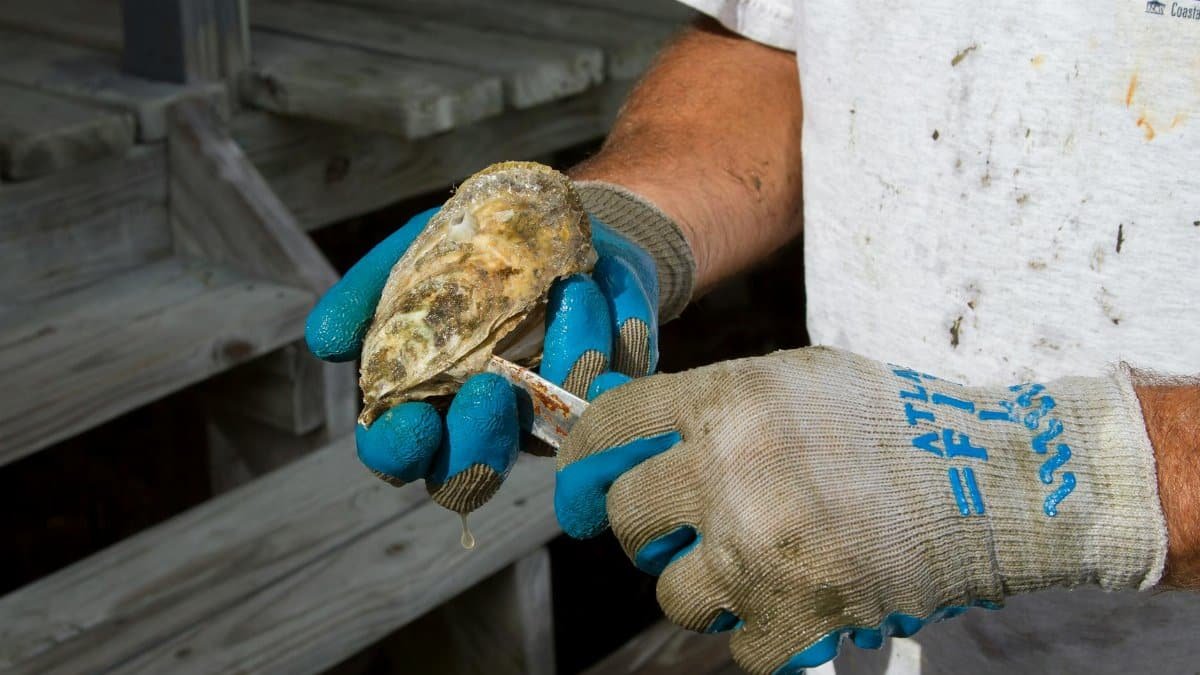
Shifting from the hunt to the harvest, the Oyster Task Force is holding a critical meeting focused on commercial fishing quotas. Louisiana’s oyster industry is a cornerstone of coastal economy and cuisine, but sustainable management is paramount amid fluctuating bayou conditions. These discussions aim to set quotas that protect oyster beds while supporting livelihoods dependent on the briny bounty. By calibrating harvest limits, the task force ensures that this renewable resource endures for future generations, reflecting LDWF’s commitment to data-driven decisions that harmonize human needs with marine vitality.
Navigating Commercial Fishing Quotas
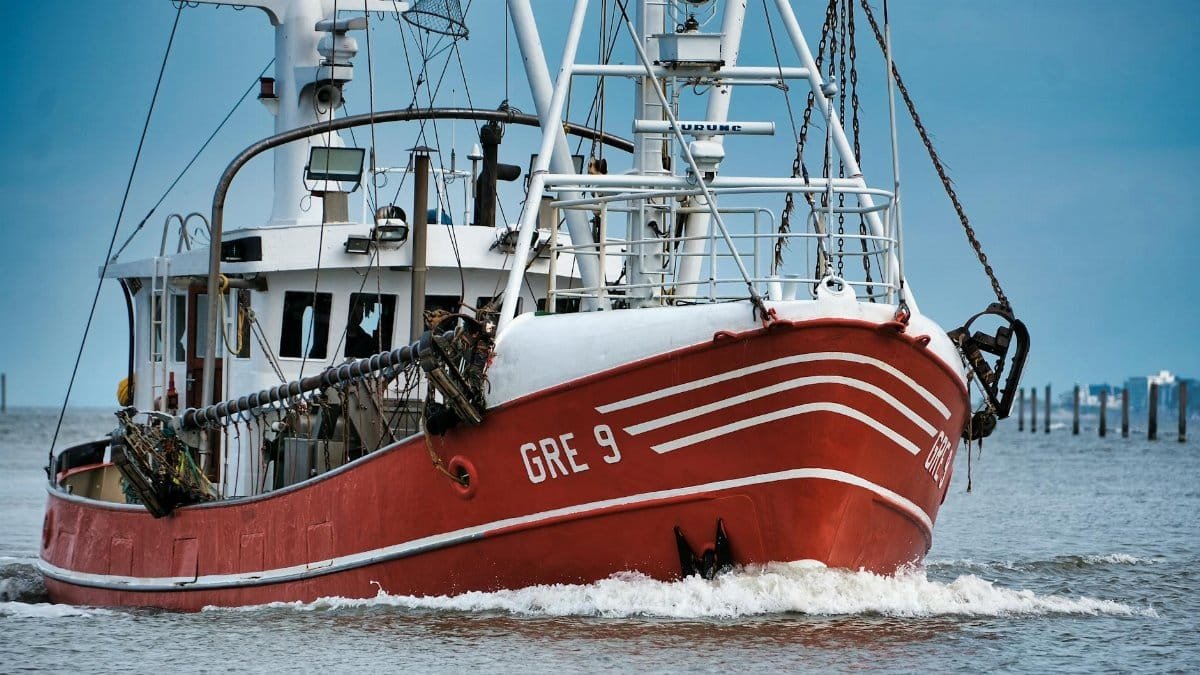
Commercial fishing quotas aren’t mere numbers—they’re lifelines for Louisiana’s working waterfronts. The Oyster Task Force’s deliberations weigh current stock assessments against market demands, striving for allocations that prevent overharvesting. This process involves input from industry stakeholders, ensuring quotas are realistic yet restrictive enough to foster reef regeneration. As reported by [LDWF](https://www.wlf.louisiana.gov/), these meetings are essential for maintaining the delicate equilibrium in oyster populations, which in turn bolster broader aquatic food webs. The outcome could ripple through seafood markets and supper tables across the Gulf South.
Wildlife and Fisheries Commission Addresses CWD Expansion

Parallel to oyster talks, the Wildlife and Fisheries Commission is tackling the expansion of the CWD management area in East Central Louisiana. Chronic Wasting Disease, a progressive neurological affliction in deer and elk, poses a growing threat to herd health and hunting viability. Extending the management zone allows for intensified surveillance, testing, and containment measures tailored to this region’s dense whitetail populations. This proactive step safeguards not just game animals but the cultural rituals of hunting seasons that define Louisiana’s sporting soul.
Understanding CWD’s Regional Impact
In East Central Louisiana, where woodlands teem with deer, CWD’s spread demands vigilant response. The disease, which erodes brain tissue over time, has no cure but can be managed through targeted strategies like enhanced hunter reporting and carcass disposal protocols. Expanding the management area here enables LDWF to concentrate resources where risks are highest, blending science with on-the-ground action. Brief insights from wildlife health studies, such as those from the Southeastern Cooperative Wildlife Disease Study, affirm that early zoning expansions curb transmission rates effectively—directly supporting the commission’s forward-thinking agenda without introducing undue alarm.
Balancing Sporting Heritage and Ecological Stewardship
At the core of these louisiana wildlife meetings lies a profound duality: honoring the traditions of hunting and fishing while embracing ecological imperatives. The “Beyond the Stand” workshop enriches the hunter’s craft with reptilian savvy, the Oyster Task Force secures sustainable yields, and CWD expansions protect prized game. Together, they weave sporting heritage into modern conservation, ensuring Louisiana’s wild spaces remain bountiful. LDWF’s multifaceted approach demonstrates how targeted education and policy can coexist, fostering resilience in an ever-changing natural world.
What These Initiatives Mean for Louisiana’s Future
These concurrent efforts signal a maturing wildlife management paradigm in Louisiana, where louisiana wildlife meetings serve as forums for collaboration over confrontation. Hunters gain tools to appreciate the full spectrum of fauna, fishers secure viable quotas, and deer herds receive preemptive care against CWD. The result? A healthier ecosystem that sustains both recreation and industry. As these discussions unfold, they invite public engagement, underscoring that stewardship is a shared responsibility. In the bayous of East Central Louisiana and beyond, the harmony of heritage and habitat promises enduring vitality for the Pelican State.