
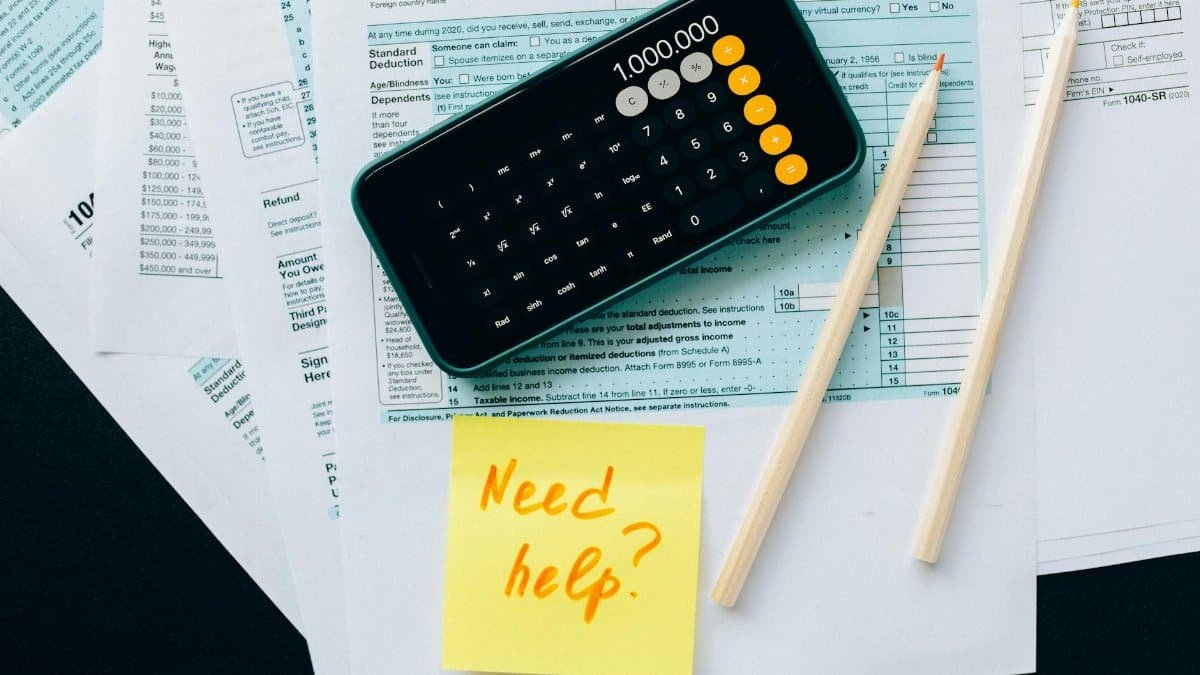
Loud budgeting is the act of proudly declining plans to save money. This financial self-care trend is reshaping how Americans handle social invitations in 2026. No more pretending to keep up with expensive outings. A January 5 report spotlights it as a straightforward way to protect bank accounts. People are owning their finances openly, turning “no” into a power move for long-term stability.
What Drives Loud Budgeting?
The core of loud budgeting lies in rejecting the pressure to spend. It targets those moments when friends suggest dinners or trips that strain wallets. Instead of silent suffering or debt, individuals voice their choice to save. This shift marks a rebellion against fake-it-till-you-make-it spending habits. In 2026, it’s positioned as essential self-care, prioritizing personal finances over appearances.
Breaking the ‘Faking It’ Cycle

“Stop faking it” captures the trend’s rallying cry. For years, many nodded along to costly plans, hiding empty accounts. Loud budgeting flips that script. It encourages transparency about money limits. This honesty builds resilience. Bank accounts stay intact as unnecessary expenses vanish. The approach fosters genuine relationships, weeding out plans based on obligation rather than joy.
Proudly Saying No

Declining isn’t meek—it’s loud and proud. Picture responding to a pricey event invite with, “Can’t swing it; saving for my goals.” This boldness redefines social norms. It signals self-respect. In 2026, this practice gains traction as a badge of financial wisdom. Savings grow steadily, free from impulse buys disguised as fun.
Financial Self-Care in Action

Loud budgeting embodies self-care beyond spa days or workouts. It’s tending to your money like health. By skipping non-essentials, users redirect funds to emergencies, debts or dreams. The trend frames saving as nurturing, not deprivation. This mindset shift sustains bank accounts through uncertainties. Americans embrace it for empowerment, aligning spending with true priorities.
How It Saves Bank Accounts

Direct impact hits the wallet hard. Each declined plan avoids a $50 dinner or $200 weekend. Over months, these add up to hundreds or thousands preserved. Loud budgeting curbs lifestyle inflation. It promotes intentional choices. In 2026, this habit proves a lifeline amid rising costs. Accounts swell, stress drops, and financial freedom edges closer.
For structured budgeting support, the Consumer Financial Protection Bureau offers free tools aligned with such practices.
The Social Shift

Friends adapt when loud budgeting spreads. Groups pivot to free or low-cost hangs—picnics, walks, home games. This levels the playing field. No one feels sidelined for choosing save over splurge. The trend normalizes money talks. It strengthens bonds built on authenticity. In 2026, social calendars reflect fiscal reality, boosting collective well-being.
Why 2026 Marks the Turning Point

The January 5 spotlight cements loud budgeting’s rise. Economic strains amplify its appeal. People tire of post-holiday debt or stagnant wages. This trend arrives as a remedy, urging proactive saves. It’s not fleeting—it’s a cultural pivot. Bank accounts thank the honesty, positioning 2026 as the year of fiscal candor.
Embracing the Trend Daily

Start small: Scan invites against your budget. Practice the proud decline. Track avoided spends to see gains. Share your wins to inspire others. Loud budgeting builds momentum. It turns self-care into habit. As adoption grows, so does financial health nationwide. This 2026 movement delivers real results without gimmicks.
Personal finance platforms like NerdWallet echo these principles with practical guides on prioritizing savings over social spending.
Long-Term Payoff
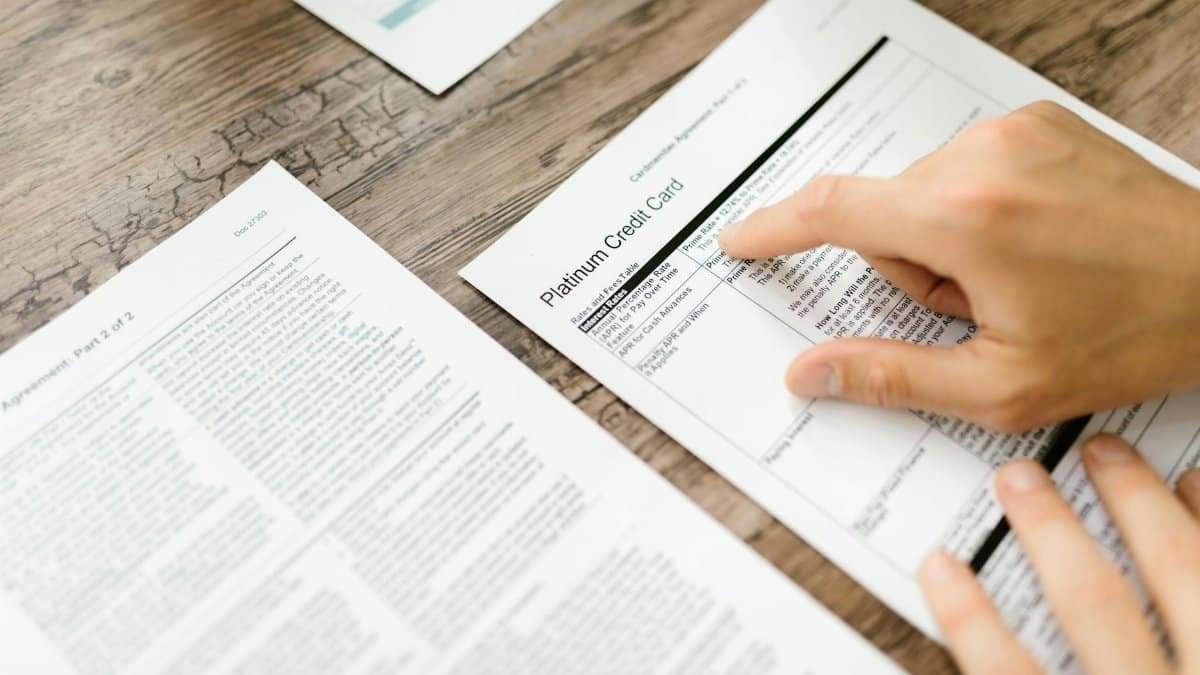
Beyond immediate saves, loud budgeting cultivates discipline. It preps for big goals—homes, retirements, security. No regrets from overspending. The self-care label sticks because it feels good. In 2026, it’s the quiet revolution filling accounts. Americans lead richer lives, financially and otherwise, by owning their “no.”