

In the bustling streets of Los Angeles, where the hum of traffic often drowns out inner thoughts, a quiet revolution is underway. Clinics across the city are weaving mindfulness practices into their mental health programs, responding to a surge in demand for tools that foster calm amid chaos. This shift reflects a broader cultural trend: Angelenos, from stressed executives in Hollywood to overworked parents in the suburbs, are seeking ways to cut through the noise. At the heart of it lies presence awareness clarity—a state where one tunes into the moment with sharp focus, stripping away distractions to reveal deeper insights. It’s not just a buzzword. Recent surveys show that more than half of Californians report heightened anxiety levels, pushing healthcare providers to innovate. As these programs expand, they promise to reshape how the city approaches wellness, blending ancient techniques with modern therapy.
The Catalyst: Rising Stress in the City of Angels
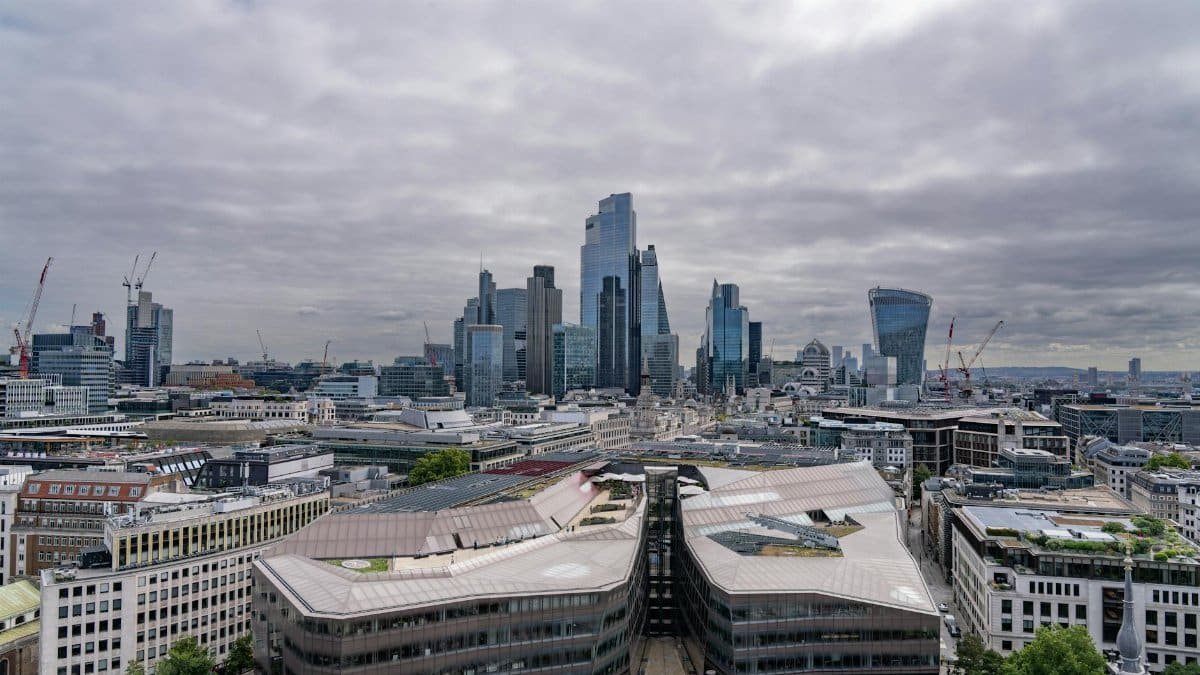
Los Angeles has long been a pressure cooker. Think of the daily grind: endless commutes on the 405 freeway, the relentless pursuit of creative dreams, and the shadow of economic uncertainty. Mental health experts note that these factors have intensified since the pandemic, with reports of burnout spiking. A study from the University of Southern California highlights how urban stressors contribute to a 25% increase in anxiety disorders among residents over the past five years. Clinics like those affiliated with UCLA Health are stepping in, incorporating mindfulness to address this.
One clinic in Westwood recently launched a pilot program where patients begin sessions with guided breathing exercises. It’s simple yet profound. A participant might sit quietly, focusing on the sensation of air filling their lungs, gradually achieving that elusive presence awareness clarity. This isn’t abstract theory. It’s grounded in real needs. As one anonymous forum post shared recently, a local resident described feeling “trapped in a fog” until mindfulness helped them “see the path ahead clearly.” Such stories underscore why these additions are gaining traction.
The push comes from data, too. The Centers for Disease Control and Prevention (CDC) reports that mental health issues affect one in five adults nationwide, with urban areas like LA hit harder. By integrating mindfulness, clinics aim to offer proactive tools, not just reactive treatments.
Defining Presence Awareness Clarity in Practice

Presence awareness clarity goes beyond vague notions of being “in the now.” It’s about cultivating a mindful state where awareness sharpens, and mental clutter fades. In therapeutic settings, this means patients learn to observe thoughts without judgment, leading to clearer decision-making. For instance, a therapist might guide someone through a body scan, noting tension in the shoulders as a signal of unspoken stress.
This concept draws from mindfulness-based stress reduction (MBSR), a program developed decades ago but now tailored for LA’s fast-paced life. Clinics adapt it by shortening sessions to fit busy schedules, making it accessible. Imagine a young professional pausing amid a hectic day to anchor themselves in the present. That moment of clarity can transform overwhelm into manageable steps.
Research supports its efficacy. A meta-analysis published in JAMA Psychiatry found that mindfulness interventions reduce symptoms of depression by up to 20%. Linking back to LA, local providers report similar outcomes, with patients gaining tools to navigate personal crises.
Integration into Existing Mental Health Frameworks

How do clinics actually blend mindfulness with traditional therapy? It starts with training. Therapists at places like the Los Angeles County Department of Mental Health undergo certifications in mindfulness techniques, ensuring seamless incorporation. Sessions might combine cognitive behavioral therapy (CBT) with short meditations, helping clients reframe negative thoughts while staying grounded.
Take a group therapy setting in Silver Lake. Participants share experiences, then practice mindful listening, where presence awareness clarity emerges as they truly hear one another without preconceptions. It’s not always smooth. Some resist, viewing it as too “woo-woo” for their practical concerns. Yet, over time, many report breakthroughs.
Evidence from the National Institutes of Health (NIH) underscores this hybrid approach, showing improved patient engagement when mindfulness complements standard care. In LA, this integration addresses diverse populations, from immigrants facing cultural adjustments to veterans dealing with PTSD.
Patient Perspectives: Stories from the Front Lines
Real change shows in the lives touched. Consider Maria, a fictional composite based on common accounts: a single mother in East LA juggling two jobs. She entered a clinic program skeptical, burdened by constant worry. Through weekly mindfulness exercises, she discovered presence awareness clarity, learning to pause during stressful moments and respond thoughtfully rather than react impulsively.
Her story echoes others. In online discussions, one person recounted how mindfulness helped during a family crisis, providing “a clear lens” amid emotional turmoil. These anecdotes reveal the human side. They’re not miracles, but incremental shifts that build resilience.
Clinics track such progress through follow-ups, with many patients noting reduced reliance on medication. A report from the Pew Research Center on mental health trends indicates that such personal narratives drive program popularity, especially among millennials and Gen Z in urban hubs.
Challenges and Criticisms in Adoption

Not everything is seamless. Critics argue that mindfulness can feel like a band-aid for systemic issues, such as inadequate healthcare access in underserved LA neighborhoods. There’s also the risk of cultural appropriation, as practices rooted in Eastern traditions get repackaged for Western consumers.
Implementation hurdles include funding. Smaller clinics struggle to afford trained staff, leading to uneven availability. One therapist shared in a professional forum that “clarity comes slowly, and not everyone sticks with it.” This points to dropout rates, which studies peg at around 30%.
Despite these, proponents push forward. The American Psychological Association (APA) provides guidelines to mitigate risks, emphasizing ethical integration. In LA, community partnerships help bridge gaps, making programs more inclusive.
The Role of Technology in Enhancing Programs

Apps and virtual sessions are amplifying these efforts. Clinics partner with platforms like Headspace, offering guided meditations tailored to LA-specific stressors, such as traffic anxiety. This tech infusion makes presence awareness clarity more attainable, even for those without clinic access.
Virtual reality setups simulate calming environments, helping users practice mindfulness in simulated high-stress scenarios. It’s innovative, yet grounded. A recent trial at Cedars-Sinai Medical Center showed participants achieving quicker states of clarity through these tools.
Data from the NIH supports tech’s potential, with studies linking digital mindfulness to sustained mental health improvements. As 2025 approaches, expect more hybrid models, blending in-person care with app-based support.
Broader Impacts on Community Wellness

Beyond individual therapy, these programs ripple into communities. Schools in LA Unified are piloting mindfulness for students, aiming to instill early habits of presence awareness clarity. Workplaces, too, from tech firms in Silicon Beach to studios in Burbank, incorporate it into employee wellness.
This creates a cultural shift. Public events, like free meditation sessions in Griffith Park, draw crowds seeking collective calm. It’s fostering a more empathetic city, where mental health conversations lose their stigma.
Surveys from Pew reveal that 40% of Americans now view mindfulness as essential for well-being, a trend accelerating in diverse areas like LA.
Looking Ahead: Sustainability and Expansion

As we move into 2025, forecasts predict mindfulness programs will expand, driven by growing evidence and public interest. Clinics plan to scale up, potentially integrating AI for personalized sessions. Yet, sustainability hinges on policy support, like increased funding from state initiatives.
Experts speculate that presence awareness clarity could become a cornerstone of preventive care, reducing long-term healthcare costs. It’s an optimistic vision, tempered by the need for ongoing research.
In LA, this evolution signals hope. Amid the city’s vibrancy and volatility, these programs offer a pathway to clearer, more present lives.