
Forget the home gym. Longevity real estate has arrived as 2026’s top status symbol. Dubbed “Longevity Residences,” these homes integrate advanced technology designed to extend residents’ lifespans. Health-conscious buyers are shifting focus from standalone fitness setups to built-in systems that optimize daily living for longevity. This trend marks a pivot in luxury property design, blending real estate with biohacking principles right into the structure.
Defining Longevity Residences

Longevity Residences represent a fresh category in longevity real estate. These are not ordinary homes. Builders embed specialized technology directly into the design. The goal: create environments that support longer, healthier lives. Unlike traditional properties, every element targets wellness at a foundational level. This approach elevates the home from shelter to active health partner. Developers position these residences as essential for those pursuing peak vitality.
Ditching the Home Gym Era
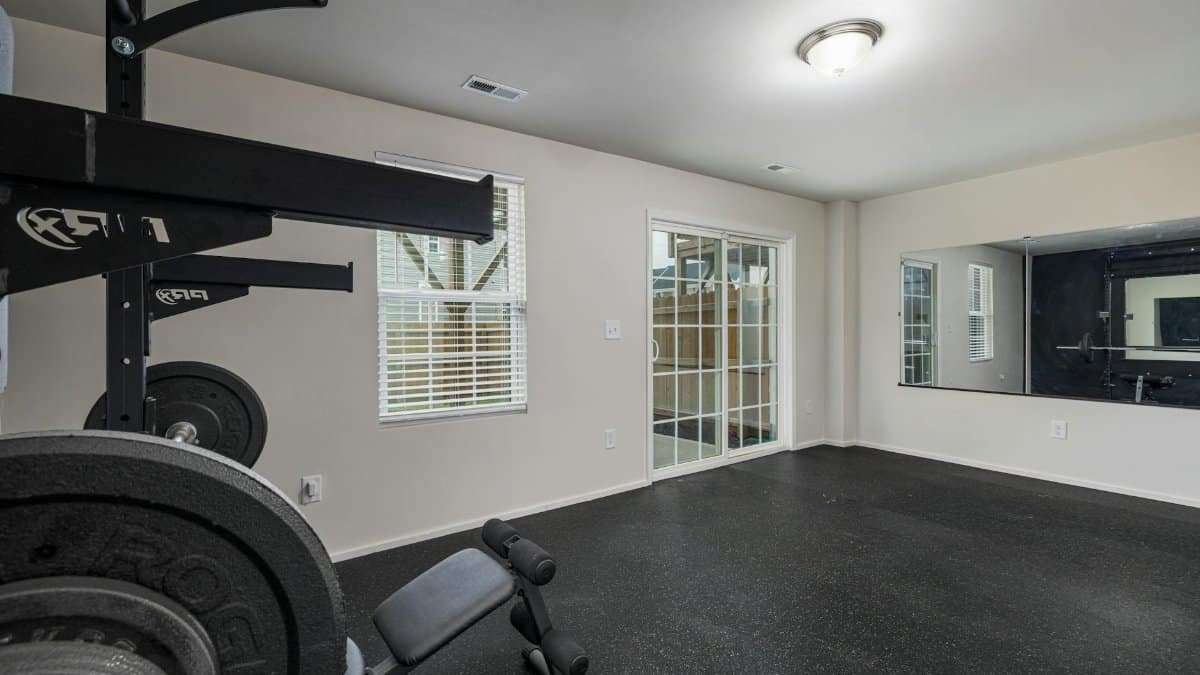
The home gym once defined upscale living. No longer. Longevity real estate flips the script. Buyers now view isolated workout spaces as outdated. Instead, they demand seamless tech woven throughout the house. This shift reflects growing skepticism toward conventional fitness tools. Entire homes now serve as dynamic wellness zones. The message is clear: why settle for a room when the whole property can enhance lifespan?
Core Technology Integration

At the heart of longevity real estate lies sophisticated tech. Homes come built with systems claiming to promote extended life. These innovations monitor and adjust living conditions in real time. From structural elements to fixtures, everything aligns with health optimization. Builders prioritize features that address daily exposures impacting longevity. The result: residences that actively contribute to residents’ well-being, setting a new benchmark in smart home evolution. For details on environmental health factors, see the National Institute of Environmental Health Sciences on healthy home environments.
Claims of Lifespan Extension

Proponents tout bold promises. Longevity Residences claim to help owners live longer through embedded tech. This goes beyond passive design. Systems purportedly fine-tune factors known to influence aging. No more relying on personal gadgets. The home itself becomes the intervention. Skeptics question the evidence, but demand surges anyway. In longevity real estate, aspiration meets engineering. Buyers bet on cumulative small gains adding up over decades.
Status Symbol Redefined

Status symbols evolve fast. In 2026, Longevity Residences top the list. Forget flashy cars or pools. Owning a home wired for immortality signals elite priorities. Affluent circles buzz about these properties. They showcase commitment to cutting-edge health. Real estate agents report heightened interest from high-net-worth individuals. This trend cements longevity real estate as a marker of forward-thinking luxury.
Appeal to Biohackers

Biohackers lead the charge. These self-optimizers crave every advantage. Longevity Residences deliver. Tech built for lifespan extension aligns perfectly with their ethos. No need for constant upgrades or hacks. The home handles it. Communities form around shared pursuits of vitality. Discussions highlight how such properties amplify personal regimens. Longevity real estate draws this niche, turning homes into personal labs for extended youth.
U.S. real estate data underscores shifting buyer preferences toward health-integrated properties. The National Association of Realtors housing statistics reflect broader wellness trends in the market.
Impact on Luxury Markets

Luxury real estate transforms under this wave. Developers race to incorporate longevity tech. Standard features now include lifespan-focused systems. Buyers negotiate for proven integrations. Valuations climb accordingly. Neighborhoods once prized for views now compete on health specs. Longevity Residences reshape what “prime” means. This 2026 surge signals deeper changes in how Americans value their living spaces.
Broader Wellness Shift

The rise challenges old norms. Longevity real estate prompts rethinking home roles. Families and professionals alike seek properties that sustain health long-term. Builders adapt blueprints accordingly. Early adopters share stories of enhanced routines. Momentum builds as awareness spreads. This isn’t a fad. It’s a recalibration toward proactive living through architecture.
Key Takeaways for Buyers
Prospective owners weigh options carefully. Prioritize verified tech claims. Inspect integration quality. Longevity Residences demand scrutiny like any investment. Agents advise focusing on scalable systems. As 2026 unfolds, availability tightens. Those eyeing longevity real estate act swiftly. The home gym fades into memory, replaced by structures promising enduring vitality.