
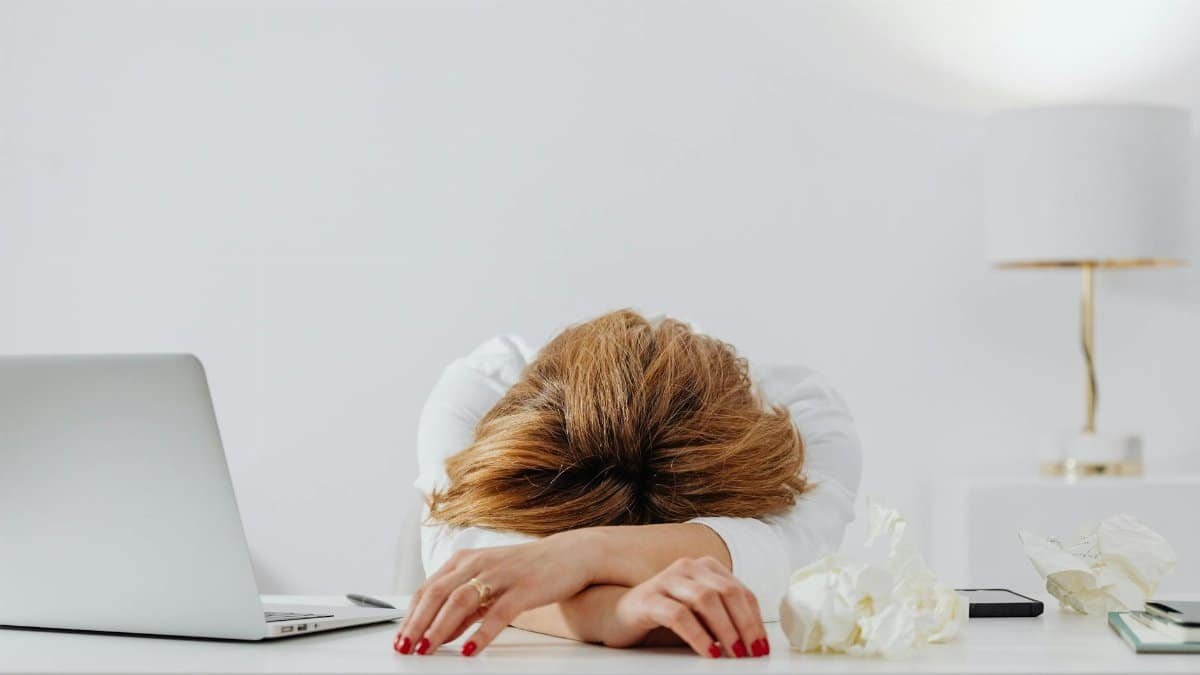
For many middle aged professionals the struggle with persistent fatigue is not limited to the darker months. Office workers teachers and parents alike report feeling drained even in the height of summer when demands remain high and indoor hours stretch long. New clinical guidelines suggest that light therapy lamps can play a significant role in combating this issue throughout the year. By providing a controlled dose of bright light these tools help reset internal clocks elevate mood and sharpen focus. The approach once reserved for seasonal challenges is gaining traction as a year round strategy for better energy and focus. Physicians and wellness practitioners now view these lamps as versatile instruments capable of supporting productivity and emotional balance in any season.
The Science Behind The Benefits
Light therapy lamps deliver intense illumination that closely resembles natural sunlight. Most models produce ten thousand lux at a standard viewing distance a level that triggers biological responses far more effectively than ordinary room lighting. Exposure influences the suprachiasmatic nucleus the brains master clock suppressing melatonin in the morning and promoting serotonin release. A comprehensive review of multiple trials shows measurable improvements in cognitive performance and reductions in daytime tiredness after consistent morning sessions lasting twenty to thirty minutes. According to reporting in The Washington Post researchers documented changes in brain imaging that correlate with lower fatigue scores across participants regardless of season. The evidence establishes these devices as reliable tools for regulating circadian rhythms beyond traditional winter applications.
Expanding Applications Throughout The Year
While light therapy lamps first gained popularity for seasonal affective disorder clinicians now recommend them for non seasonal fatigue linked to shift work travel across time zones or simply insufficient outdoor time. Spring and autumn transitions can disrupt sleep patterns just as profoundly as January gloom. Summer months bring their own challenges when air conditioning and screen heavy routines keep people inside. Recent guidelines from sleep medicine societies endorse year round use for adults reporting chronic low energy. The lamps appear especially useful during periods of reduced natural sunlight caused by geographic location or lifestyle factors. This broader application reflects a growing recognition that modern indoor living creates light deficiency at any time of year.
Identifying Those Who Benefit Most

Individuals whose work keeps them indoors before sunrise or after sunset often respond particularly well. Middle aged adults juggling career family and community obligations frequently accumulate sleep debt that bright light exposure can help repay. People managing mild depression or attention difficulties without needing medication also report gains. Those recovering from jet lag or adjusting to new work schedules find the lamps accelerate adaptation. Even retirees who spend limited time outdoors describe renewed vitality after adopting a regular practice. The common thread appears to be any sustained mismatch between internal body clocks and actual light exposure from the environment. Medical professionals advise consulting a doctor before beginning especially for those with certain eye conditions or bipolar disorder histories.
Selecting An Appropriate Light Therapy Lamp
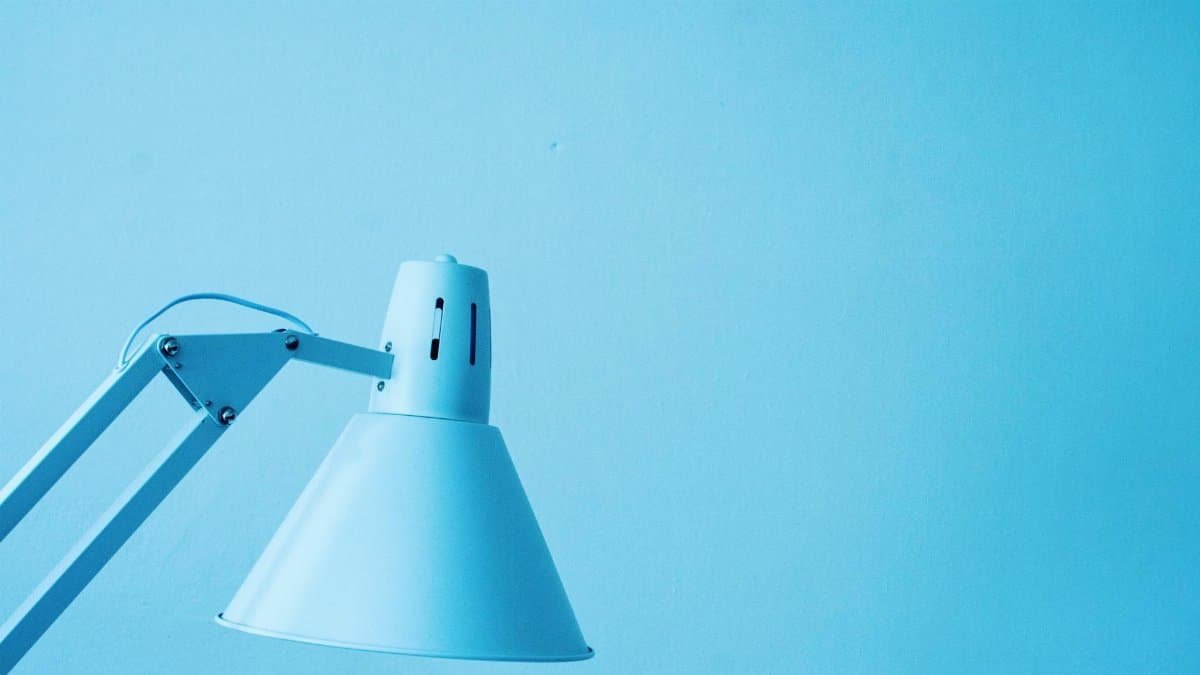
Consumers face an array of choices when shopping for light therapy lamps. Key specifications include lux output light spectrum and size of the illuminated surface. Experts recommend devices that filter out ultraviolet rays while providing full spectrum visible light. Portability matters for those who travel or move between home and office. Some models incorporate timers and adjustable brightness to match individual tolerance levels. Price ranges vary widely yet reliable performance does not always correlate with cost. Independent testing organizations publish comparisons that help buyers avoid ineffective products. Reading product specifications carefully and checking for medical device certification helps ensure safety and effectiveness. The best lamp is one that fits naturally into daily habits rather than becoming another unused gadget.
Building A Consistent Daily Routine

Success with light therapy lamps depends heavily on regular use at the right time. Most research supports morning sessions within the first hour after waking. Placing the lamp on a desk or breakfast table allows hands free activities like reading email or eating. Twenty to thirty minutes typically suffices though some individuals need longer periods. Consistency across weeks produces cumulative benefits that often become noticeable after seven to ten days. Many users combine the practice with meditation journaling or morning news consumption creating a pleasant ritual rather than a chore. Tracking energy levels in a simple notebook helps fine tune timing and duration. The goal is gentle integration into existing patterns so the habit becomes sustainable for months or years.
How The Body Responds To Bright Light
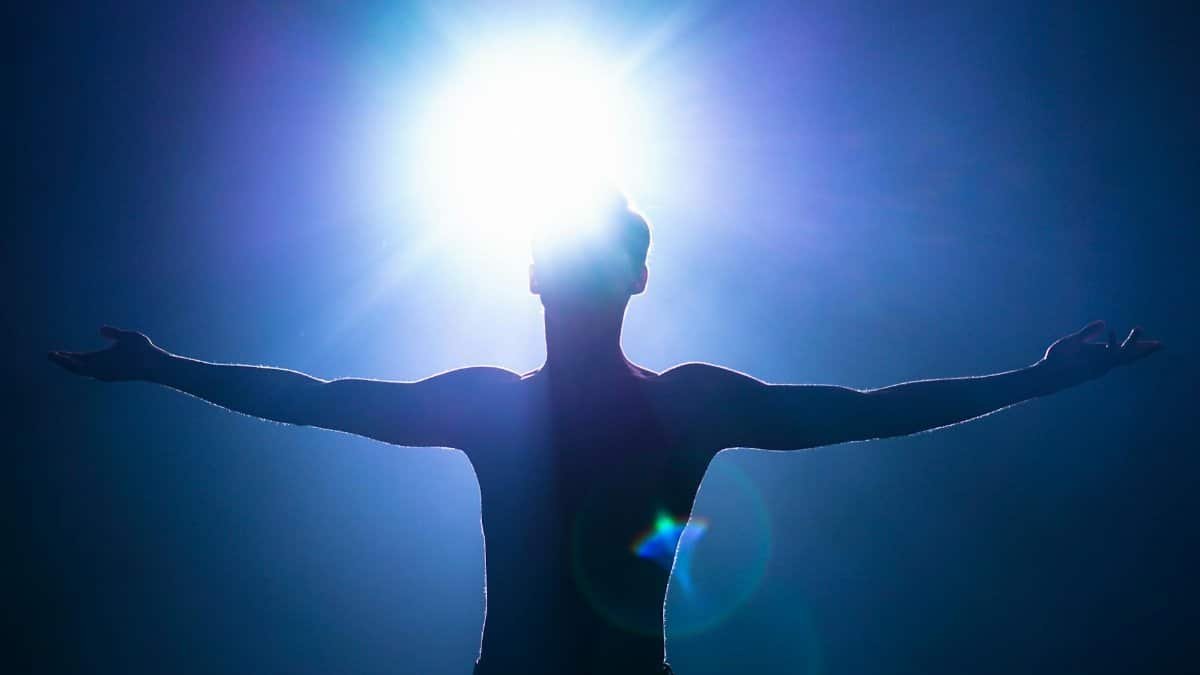
Upon exposure to the lamps specialized cells in the retina send signals that adjust hormone production almost immediately. Cortisol levels rise appropriately in the morning promoting alertness while evening melatonin production shifts to earlier hours improving sleep onset. These changes influence inflammation markers and neurotransmitter balance according to several laboratory studies. Users commonly describe a subtle lifting of mental fog after two weeks of regular practice. Appetite and energy fluctuations tend to stabilize. The physiological response mirrors what occurs during outdoor morning walks on clear days yet remains available regardless of weather or latitude. This biological accessibility explains why the lamps maintain usefulness across seasons and geographic regions.
Perspectives From Wellness Experts

Practitioners in integrative medicine increasingly incorporate light therapy lamps into comprehensive wellness plans. Psychologists note improved therapy outcomes when clients maintain steady light exposure. Nutritionists observe better dietary choices among those with regulated energy levels. The approach aligns with ancient traditions that revered sunlight as a source of vitality while adding modern precision. One prominent researcher at a major university describes the lamps as bridging conventional medicine and lifestyle medicine. They emphasize that these devices do not replace healthy behaviors but enhance them. Continuing education courses for physicians now include modules on phototherapy reflecting mainstream acceptance within clinical communities.
Real World Experiences From Users
Marketing executive Susan Ramirez began using light therapy lamps two years ago after struggling with afternoon exhaustion that affected her performance reviews. She reports sustained focus and eliminated need for multiple cups of coffee. Teacher Michael Chen incorporated a lamp into his classroom preparation routine and noticed sharper lesson planning and more patience with students. Retired accountant Barbara Thompson credits the practice with helping her maintain an active social calendar despite living in a northern climate with long winters. These accounts echo findings from larger surveys in which roughly seventy percent of regular users describe meaningful improvements. The stories illustrate practical impact across professions and life stages reinforcing the clinical data with human experience.
Addressing Potential Limitations

Light therapy lamps are not universal solutions. Some people experience mild side effects such as headache or eye strain during initial days of use. These symptoms usually resolve by adjusting distance or session length. The practice requires commitment and does not produce instant results. Insurance coverage remains limited though some flexible spending accounts allow reimbursement with proper documentation. Not every lamp on the market meets quality standards making research essential. Experts stress that severe mood disorders still require professional mental health care rather than self treatment alone. When viewed as one component of a broader approach to wellbeing the lamps offer genuine value without promising miracles.
Light Therapy Lamps In Spiritual And Holistic Practices
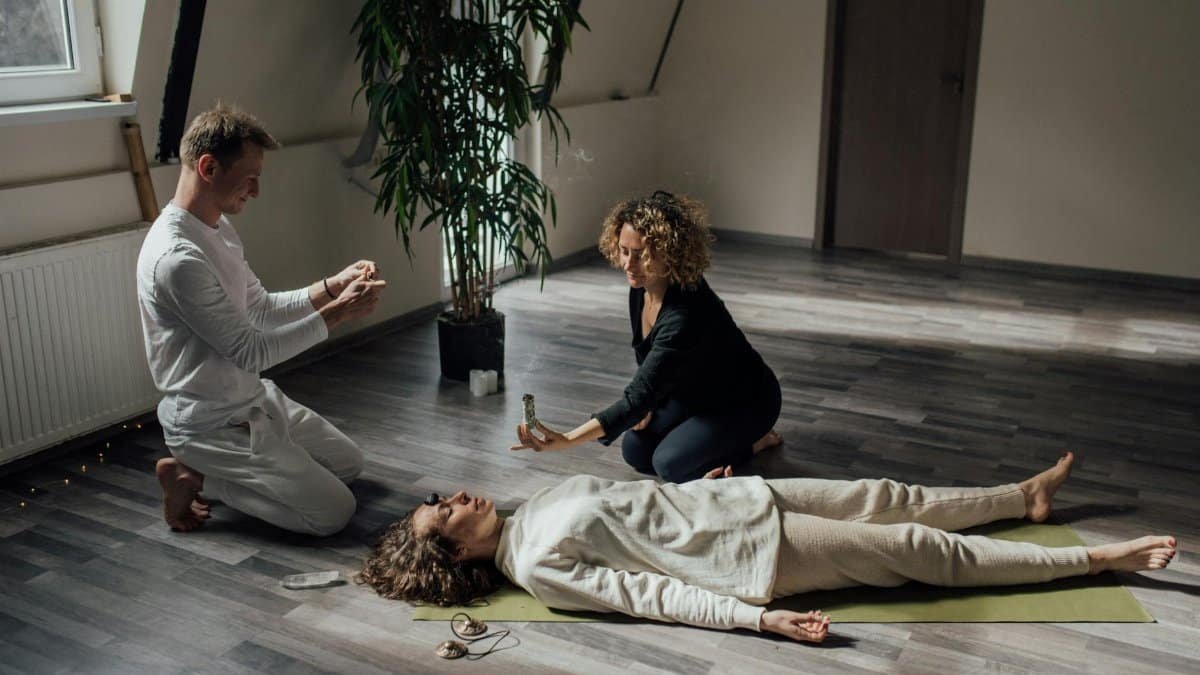
Within spiritual communities these lamps complement practices centered on energy and presence. Many mindfulness teachers begin sessions with gentle light exposure to help participants feel more grounded and awake. Yoga studios in northern regions use them during winter months to support energetic flow during practice. The connection between outer light and inner awareness resonates with traditions that link sunlight to life force. Holistic practitioners often pair lamp use with breathwork or gratitude exercises creating multisensory morning rituals. This synthesis appeals to those seeking both evidence based methods and deeper meaning. The lamps become tools for cultivating awareness rather than mere medical devices bridging science and spirit in contemporary wellness culture.
Looking Ahead To New Developments
Manufacturers are exploring smarter designs that adjust intensity based on ambient light and personal biometric data. Researchers continue investigating optimal wavelengths and durations for specific conditions. Larger long term studies will further clarify benefits for diverse populations. As remote work persists and awareness of light hygiene grows demand for effective lamps will likely increase. Public health campaigns may eventually include recommendations about daily bright light exposure alongside advice on nutrition and exercise. The trajectory suggests light therapy lamps will occupy an expanding place in both clinical recommendations and personal wellness strategies for years to come. Their simplicity combined with robust evidence positions them as enduring tools in the pursuit of sustained vitality.