
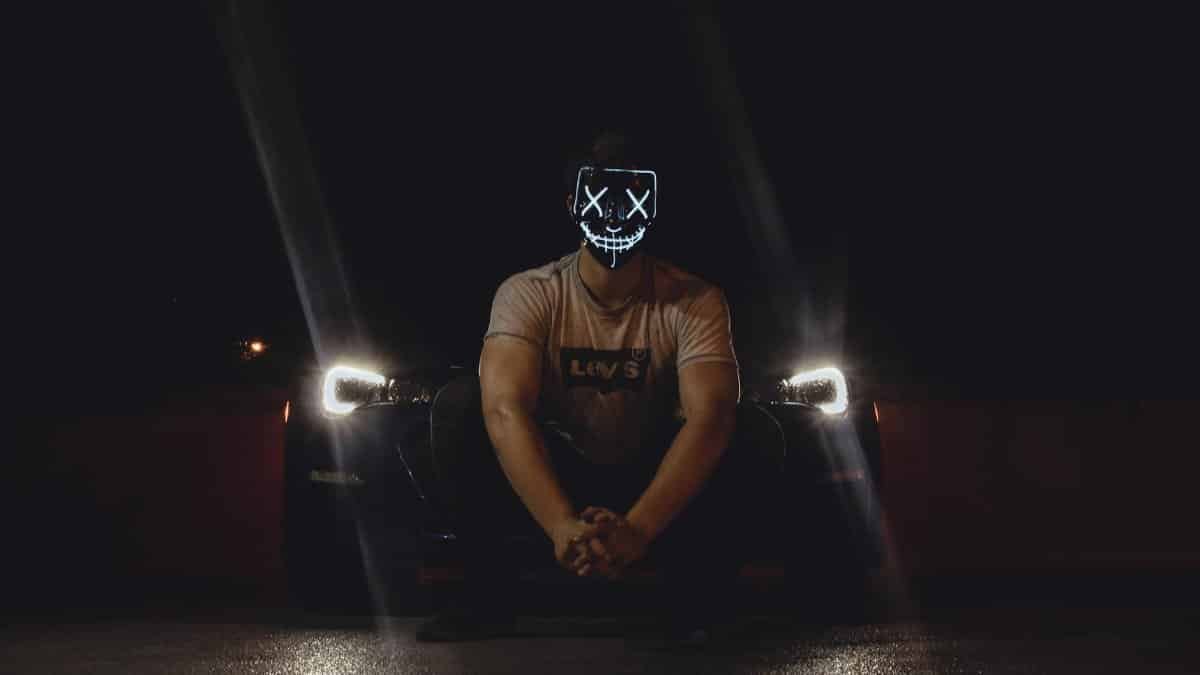
A petition demanding a ban on blinding LED headlights has surged to 100,000 signatures, spotlighting the led headlights danger that drivers say turns night roads into hazards. Dated February 17, 2026, the campaign captures widespread frustration: “I can’t see the road.” Motorists report ultra-bright beams causing accidents after dark, fueling calls for action amid growing safety fears.
Petition Reaches Critical Mass

The online petition hit 100,000 signatures on February 17, 2026, a milestone that amplifies driver outrage. Launched amid complaints about visibility, it urges regulators to outlaw the lights. Backers argue the beams overwhelm eyes, leaving oncoming traffic invisible. This threshold often triggers official reviews, pressuring lawmakers to address the issue head-on.
Drivers Voice Visibility Woes
“I can’t see the road.” That stark phrase from the petition sums up the core grievance. Night drivers describe LED headlights as piercing spotlights that blind rather than illuminate. The ultra-bright output scatters glare, reducing contrast on pavement and signs. Frustrated motorists share stories of slowed reactions and near-misses, turning routine commutes into tense ordeals.
Ultra-Bright LED Design Under Fire

LED headlights pack intense brightness, often far exceeding older halogen bulbs. Their white-blue hue cuts through fog but dazzles rivals at close range. Petition supporters claim poor aiming and overuse exacerbate the problem. What aids one driver hinders others, creating a chain of visibility blackouts on highways.
Nighttime Accidents Linked to Glare
Drivers directly blame the lights for nighttime crashes. The petition highlights how blinding beams spark accidents by disorienting those behind the wheel. Reduced night vision leads to delayed braking and swerves. As LED adoption rises in 2026 models, these claims gain urgency, with signatories demanding proof through data before more lives hang in the balance.
A Growing Chorus of Complaints
Over 100,000 signatures reflect a national swell of anger. From suburban streets to interstates, U.S. drivers report the same issue: overwhelming light that erases the road ahead. Social media amplifies tales of temporary blindness, bolstering the petition’s momentum. This consumer rage signals broader discontent with automotive trends prioritizing brightness over safety.
Safety Implications for All Roads
The led headlights danger extends beyond individuals. Petition filers warn of heightened crash risks after sunset, when eyes adjust to darkness. Ultra-bright LEDs disrupt this balance, potentially spiking collision rates. Older drivers and those with vision issues face amplified threats, underscoring the need for balanced lighting standards in 2026 vehicles.
Push for Immediate Ban

The petition’s goal is clear: ban the lights outright. Signatories demand swift regulatory intervention to curb the blinding effect. They point to the 100,000-strong support as evidence of crisis-level concern. Without change, nighttime driving remains a gamble, they argue, pressing authorities to prioritize road safety over tech upgrades.
Research echoes these driver reports. The AAA Foundation for Traffic Safety documented headlight glare as a persistent hazard, with oncoming LEDs rated most problematic. Similarly, the Insurance Institute for Highway Safety notes glare’s role in reduced visibility, detailed in their lighting studies page. These findings align with the petition’s claims, though U.S. regulators have yet to mandate adjustments.
Regulatory Eyes Turn to Headlights
As signatures pile up, eyes shift to agencies like the National Highway Traffic Safety Administration. The February 17 announcement spotlights LED flaws, urging federal standards on brightness and color. Drivers hope the petition forces recalls or redesigns, ending the era of road-blinding beams. In 2026, this fight tests how quickly officials respond to grassroots pressure.
Broader Impact on Daily Drives
Beyond petitions, the led headlights danger reshapes habits. Some drivers dim interiors or wear sunglasses at night—makeshift fixes for a design flaw. Others avoid evening travel, squeezing commutes into daylight. The 100,000 voices demand innovation that lights paths without blinding peers, a fix long overdue as LED tech dominates showrooms.