

A quiet suburban neighborhood in Wisconsin became the scene of profound loss when a toddler died after using a toy bought at a local Target store. Court documents now reveal claims that the retailer had access to safety data indicating potential dangers yet proceeded with sales. The Target toy lawsuit Wisconsin raises pressing concerns about how consumer products reach the market and what responsibilities fall on large chains when warnings might prevent harm. Parents and safety advocates watch the proceedings closely as they seek clearer answers about accountability in retail.
Sequence of Events in the Wisconsin Home

The family purchased the item during a routine shopping trip expecting it to provide safe entertainment. Within days the child encountered a problem with one component that led to the fatal outcome. Emergency responders arrived quickly but could not reverse the damage already done. Investigators later examined the toy and found it matched descriptions in earlier internal reports about similar risks.
Details Surrounding the Toy Design
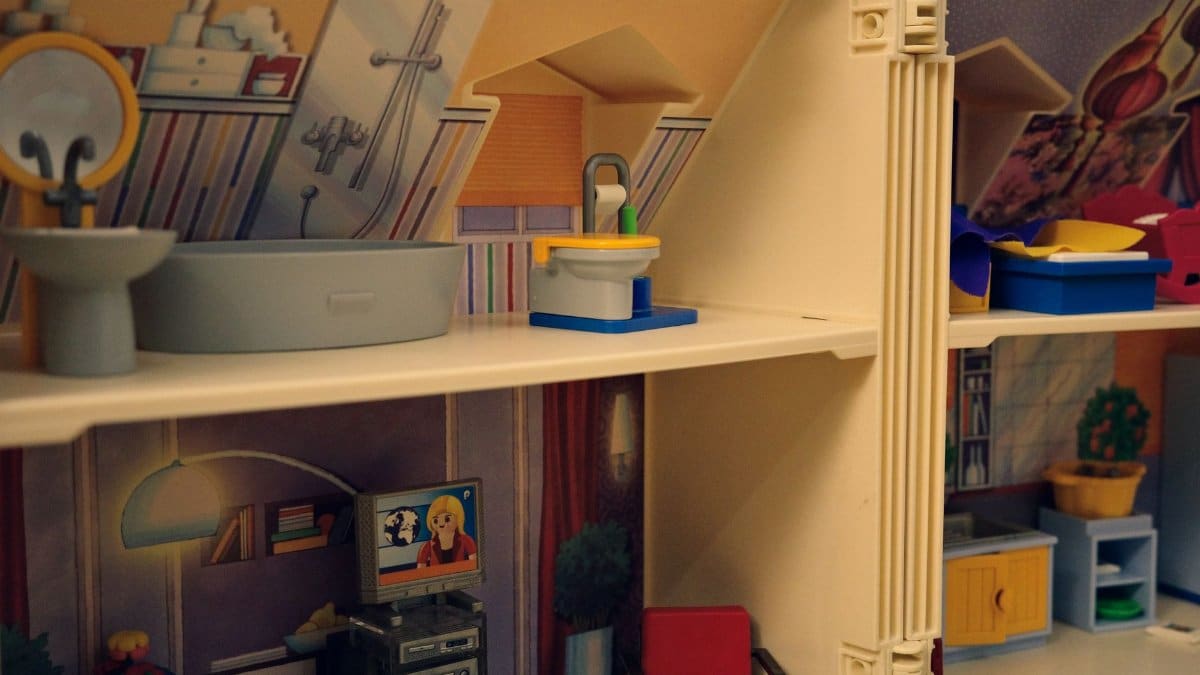
Manufacturers had marketed the product as suitable for young children with features meant to encourage creative play. Materials included small detachable parts that some testing had flagged as possible choking hazards under certain conditions. Target stocked the item widely across its locations including those in the Midwest. Packaging carried basic age guidance but omitted more specific cautions that later surfaced in legal filings.
Claims About Prior Knowledge at Target
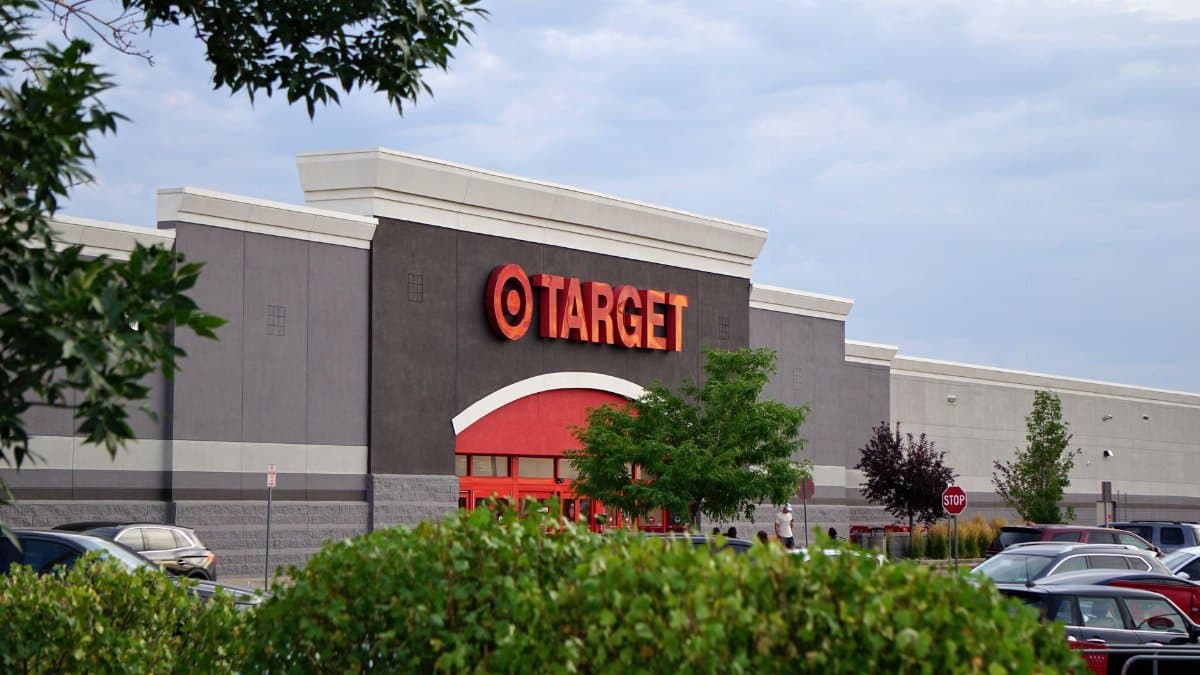
The lawsuit asserts that company officials received communications from customers and safety monitors well before the Wisconsin incident. These messages reportedly described near misses and requested stronger labels or design changes. Rather than pulling the product Target continued distribution while internal reviews moved slowly through corporate channels. Plaintiffs argue this pattern shows a choice to prioritize sales over immediate protective steps.
Role of Consumer Reports in the Case

Records submitted to the court include logs of complaints gathered from various states. Several described the same component failure that proved deadly in Wisconsin. Legal teams now examine whether these earlier signals should have prompted faster action by both the retailer and oversight agencies. Such documentation forms a central element in efforts to establish a timeline of awareness.
Impact on the Affected Family

Relatives describe ongoing grief mixed with determination to see safety standards improve. They have spoken publicly about the difficulty of explaining the loss to siblings and extended family members. Support from local community groups has helped with daily needs while the legal process unfolds. The parents express hope that the case will lead to changes preventing similar events elsewhere.
Broader Questions for Retail Safety Practices
Industry observers note that large chains like Target handle thousands of products daily and must balance speed to shelf with thorough vetting. The current dispute highlights gaps in how information flows from factory to store floor. Some experts call for shared databases that would alert all sellers to emerging issues faster than current systems allow. Others point to the need for clearer rules on when a product crosses the threshold for removal.
Regulatory Framework and Possible Outcomes

Federal and state agencies maintain guidelines for toy safety yet enforcement often depends on reports reaching the right offices in time. This lawsuit may test how courts interpret retailer duties when complaints accumulate. Possible resolutions range from financial settlements to mandated policy revisions at the corporate level. Observers expect the proceedings to draw attention from other chains facing parallel concerns.
Views From Safety Advocates and Experts
Groups focused on child protection have long pushed for tighter testing protocols on detachable parts and electronic features. One analyst suggested that routine third party audits could catch problems before items reach consumers. These voices now follow the Wisconsin case for precedents that might strengthen future prevention efforts across the retail sector.
Public Reaction and Media Coverage

News of the filing spread quickly through parenting forums and local broadcasts prompting renewed conversations about everyday purchases. Some shoppers report checking toy labels more carefully while others question whether any product can carry absolute guarantees. The discussion reflects wider unease about balancing convenience with caution in family life.
Potential Changes in Corporate Policies
Target has stated it takes all safety matters seriously and cooperates with investigators. The company may revise its review processes to include faster escalation when patterns emerge in customer feedback. Such adjustments could influence how competitors handle comparable situations and might set new expectations for transparency in the years ahead.