
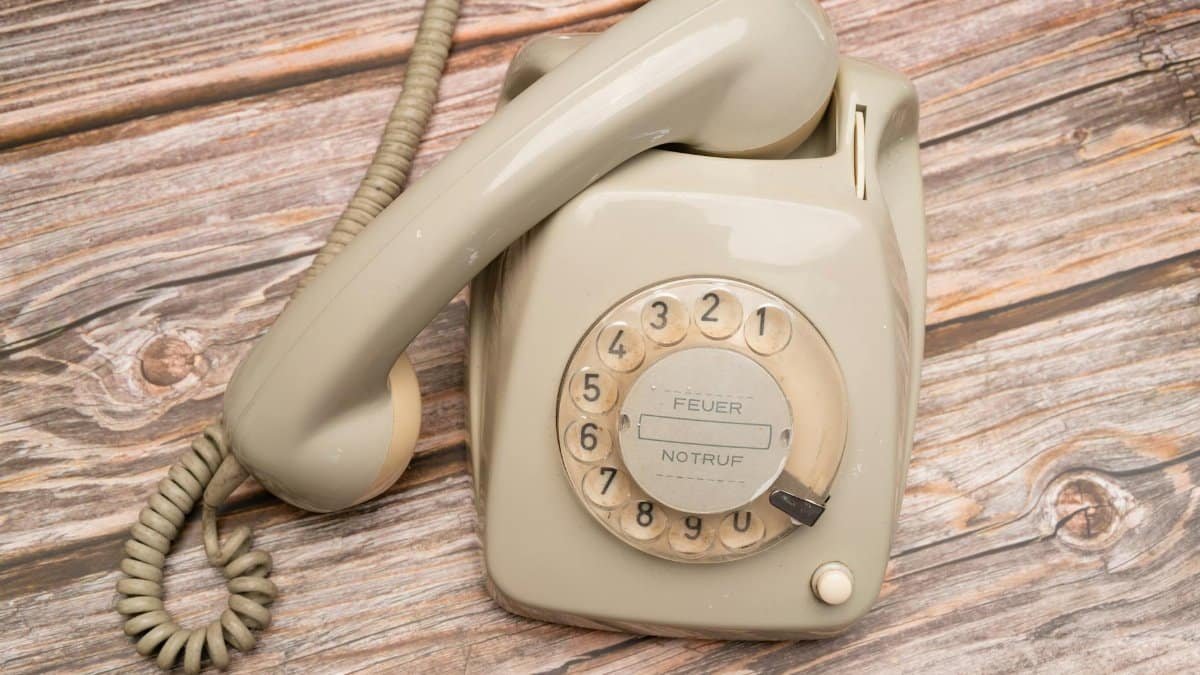
Can’t put the phone down? “Landline Mode” might be the fix. This viral 2026 hack strips smartphones to basics—calls and maps only—to fight endless scrolling. Launched as a simple digital detox, it disables all other apps. Users report breaking free from dopamine-driven habits. Dated January 29, 2026, the trend targets those glued to screens. It mimics old-school landlines, forcing focus on real connections.
What Is Landline Mode?
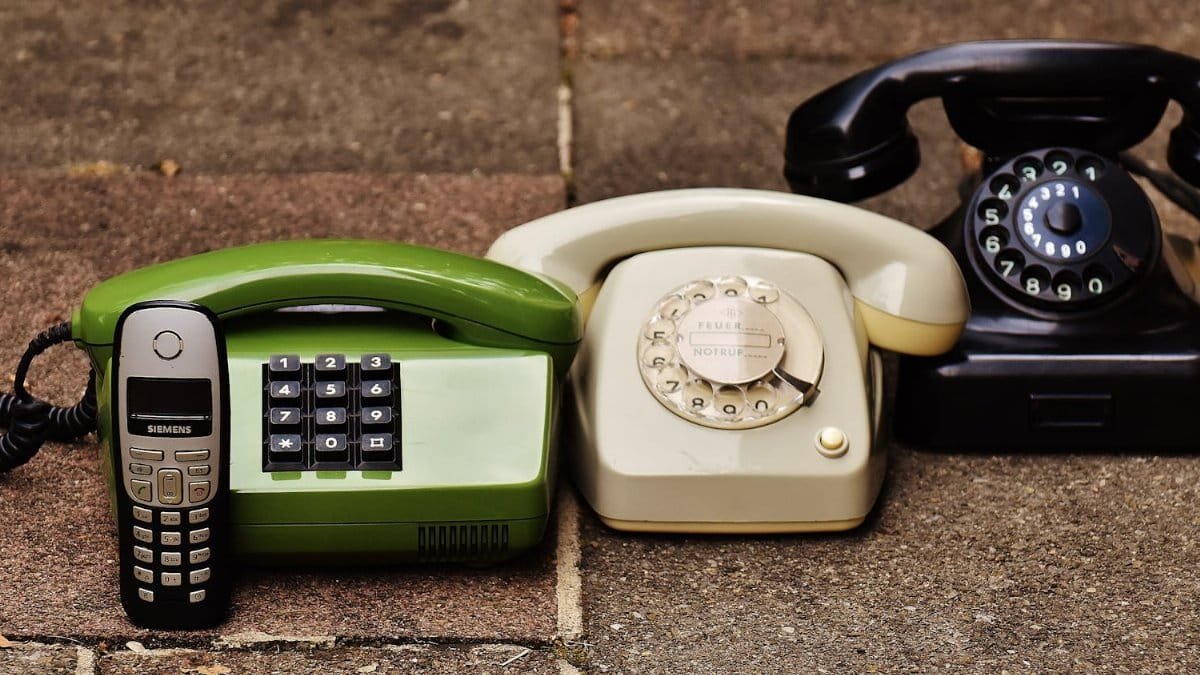
Landline Mode reimagines the smartphone as a stripped-down tool. The core idea: disable every app except phone calls and maps. No social media. No email. No games. This hack surfaced in early 2026 as a response to screen overload. It echoes the simplicity of landline phones from decades past, where communication meant voice only. Proponents call it a rebellion against constant notifications. The method gained traction fast, becoming a go-to for reclaiming attention.
The Dopamine Addiction Crisis
Smartphones hook users through dopamine hits. Each scroll, like, or alert triggers the brain’s reward chemical. Landline Mode cuts that cycle cold. By removing apps, it starves the addiction loop. Experts note this mirrors broader fights against tech dependency. In 2026, reports show rising awareness of these effects. The hack positions itself as an immediate countermeasure. Users feel the pull weaken without endless feeds.
For deeper insight into smartphone impacts on the brain, see the National Institute on Drug Abuse summary.
How the Hack Works Step by Step
Implementation stays straightforward. First, enter device settings. Disable or offload non-essential apps. Keep only the phone dialer and a basic maps function. Some use built-in focus modes or third-party tools to enforce this. Restart the phone. The result: a device that dials out and navigates, nothing more. No setup takes hours. It’s ready in minutes. This minimalism forces reliance on real-world navigation and direct calls.
Why Calls and Maps Stay Active

Calls handle urgent communication. Maps provide essential navigation without data drains. These choices make sense for practicality. Lose them, and the phone becomes useless. Landline Mode balances detox with utility. It nods to landline eras, when phones connected people without distractions. In 2026 urban life, maps prevent getting lost amid detox experiments. This selective retention boosts adoption rates.
Viral Spread in 2026
The hack exploded online early in the year. Social posts touted quick wins: better sleep, sharper focus. By January 29, it hit mainstream chatter. Tech forums and wellness groups amplified it. No single inventor claims credit—it’s crowd-sourced simplicity. U.S. users, facing work-from-home screen fatigue, latched on. Trends show it filling a gap left by failed resolutions. Its low barrier to entry fuels the fire.
Real-User Shifts from Scrolling
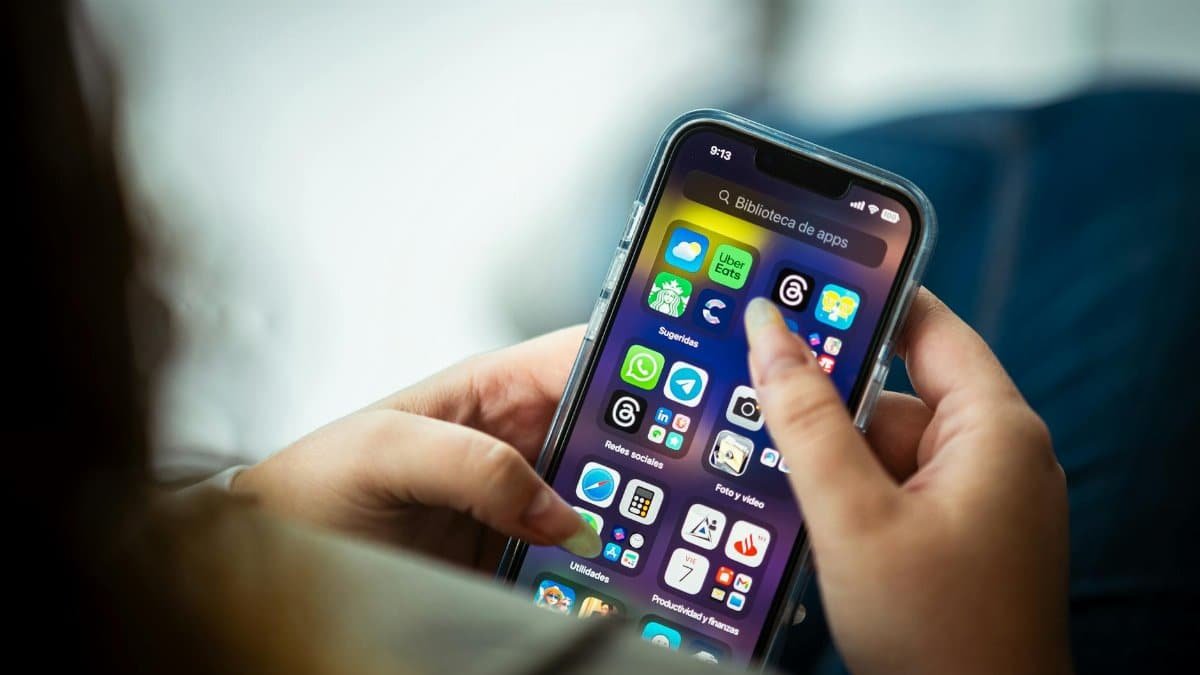
Adopters describe a phone that demands intention. No autopilot browsing. Calls replace texts. Maps guide walks without playlist temptations. Dopamine cravings fade as habits rewire. Some pair it with evening rituals. Others cycle it weekly. The 2026 version adapts to hybrid lifestyles—remote work plus travel. It proves small changes yield big control. Early feedback highlights sustained use over gimmicks.
Broader Digital Detox Context
Landline Mode fits rising U.S. pushes against tech excess. Surveys track climbing detox interest. Phones dominate daily hours, squeezing family time and productivity. This hack offers agency without buying new gear. It challenges the always-on norm. In 2026, amid economic pressures, free fixes resonate. Wellness sectors nod to its mental health angle. Expect refinements as users tweak for personalization.
Supporting data on U.S. smartphone habits appears in Pew Research Center’s Mobile Fact Sheet.
Challenges and Limitations

Not flawless. Emergencies might need quick apps. Ride-sharing or banking apps vanish, demanding workarounds. Battery life improves, but habits die hard. Some relapse after days. Critics say it’s temporary without deeper changes. Still, as a starter hack, it builds momentum. 2026 iterations may integrate AI enforcers. Users weigh trade-offs: freedom versus convenience.
Future Momentum for the Hack
Landline Mode sets a template. App developers eye similar toggles. Wellness apps could automate it. U.S. trends point to more such innovations. Dopamine awareness grows, per health reports. This January 2026 spark could redefine phone norms. It proves radical simplicity works. Millions test it, reshaping daily rhythms one disabled app at a time.