
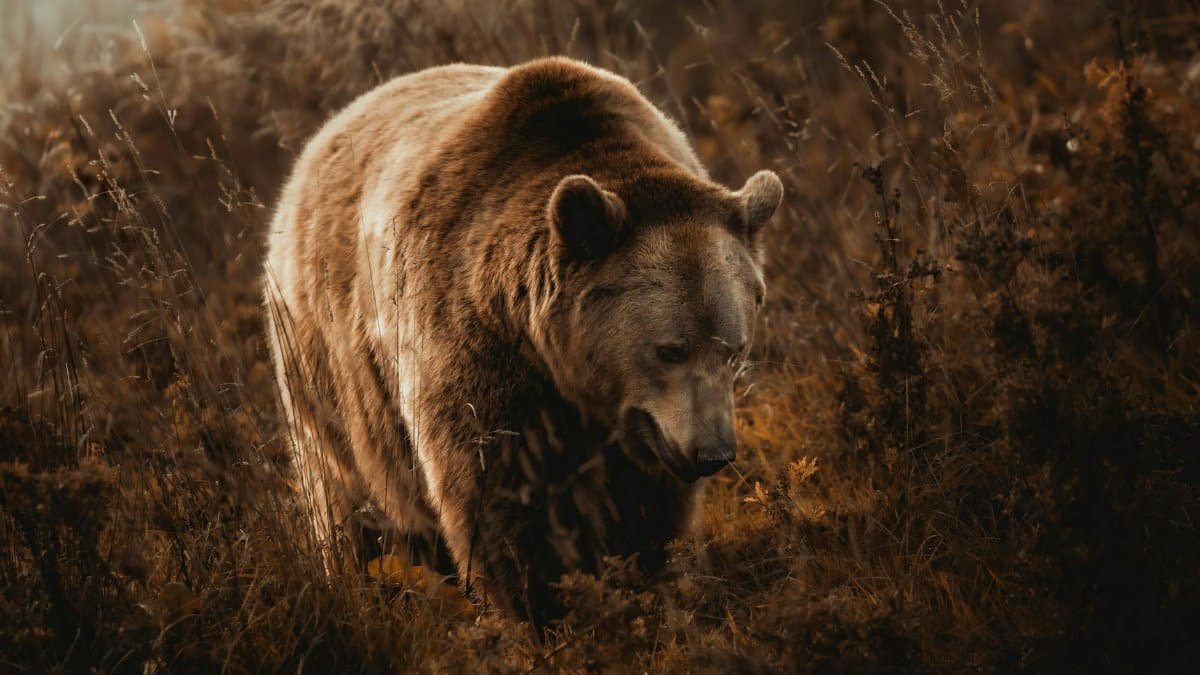
In the leafy foothills of Monrovia, a Los Angeles suburb where tract homes nudge against wild chaparral, residents once marveled at a black bear they named Goldie. She ambled through backyards with her cubs in tow, scavenging trash and pausing for photos that lit up neighborhood social media. Goldie became a local celebrity, a symbol of untamed nature brushing against suburban life. But last week, that fragile coexistence shattered when wildlife officials made the wrenching call to euthanize mama bear Goldie after repeated conflicts. The decision has ignited a firestorm of grief and fury, with hundreds gathering in protest and online petitions surging past 50,000 signatures. As Monrovia grapples with the loss, broader questions emerge about how humans share space with the wild—and what it costs when we dont.
Goldies Rise as Neighborhood Icon

For years, Goldie roamed the hills above Monrovia, drawn by the easy pickings of unsecured garbage bins and fruit trees heavy with summer bounty. Residents first spotted her in 2022, a sleek adult female with golden fur that earned her name. She returned annually with cubs, turning ordinary evenings into wildlife sightings. “She was like our own Yogi Bear, minus the picnic baskets,” said Maria Gonzalez, a mother of three who snapped photos of Goldie from her patio. Social media pages dedicated to her filled with affectionate posts, tracking her family’s growth. By 2024, Goldie had become a fixture, her presence a quirky badge of Monrovias foothill charm. Locals left out dog food and apples, fostering what many saw as a harmonious bond.
The Escalating Encounters

Trouble brewed as Goldies visits grew bolder. Last month, she rifled through a dozen yards in a single night, scattering trash across streets. Motion camera footage captured her cubs climbing fences, while she muscled into sheds. One resident reported a close call when Goldie charged after spotting a barbecue grill. Wildlife officials from the California Department of Fish and Wildlife responded with traps and relocation attempts, but Goldie evaded them, returning within days. “Bears learn quickly,” explained agency spokesperson Dana Michaels. “Habituation to human food sources makes them unpredictable.” By mid-October, reports of her in childrens play areas prompted urgent warnings.
The Fateful Decision to Euthanize

On October 22, after Goldie broke into a home and overturned kitchen cabinets, officials deemed her a public safety threat. Trapped near a school, the team chose euthanasia over relocation, citing state protocols for “problem bears” with multiple infractions. A veterinarian administered a lethal injection at the scene. “It was the last resort,” said wildlife biologist Dr. Elena Vasquez, who oversaw the operation. The choice followed guidelines from the departments bear management plan, which prioritizes human safety. News of the act spread like wildfire, transforming Goldie from mascot to martyr.
Outrage Erupts in Monrovia Streets
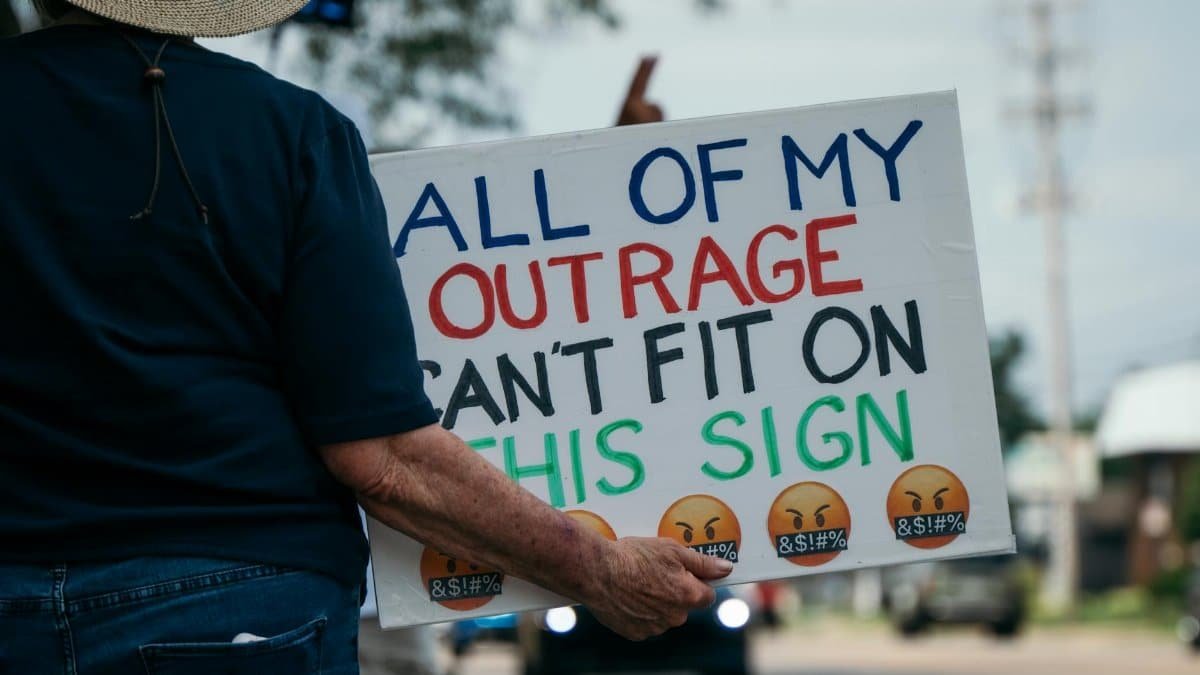
By dawn the next day, a vigil drew over 200 people to Goldies favorite hillside trail. Signs reading “Justice for Goldie” and “Let Wildlife Live” waved alongside photos of the bear with her cubs. Mayor Becky Sheehan addressed the crowd, acknowledging the pain while defending the agencys actions. Online, the hashtag #SaveGoldiesCubs trended locally, with residents blaming officials for poor trash management education. Petitions demanded policy reviews, and a GoFundMe for bear awareness campaigns raised $15,000 in 48 hours. “We euthanized mama bear Goldie without a fair chance,” one organizer lamented.
Officials Defend the Hard Choice

California Fish and Wildlife stands firm, pointing to data: Black bears cause over 200 conflicts yearly in urban wildland interfaces. Relocation often fails, with 70 percent of moved bears returning or causing issues elsewhere, per a 2022 study by the University of California, Davis ( link ). Goldies file listed 18 verified incidents, including property damage exceeding $5,000. “We dont make these calls lightly,” Michaels told reporters. “But protecting communities comes first.” The cubs, meanwhile, were relocated to a remote preserve, monitored via radio collars.
A History of Bears in LA Foothills
Monrovia sits on the edge of the Angeles National Forest, home to 20,000 black bears. Urban sprawl has squeezed their habitat, pushing them into neighborhoods during drought years when acorns and berries dwindle. Similar dramas unfolded in nearby Claremont, where a bear named “Chester” met the same end in 2021 after mauling a dog. These encounters reflect a national trend: The Humane Society reports a 30 percent rise in human bear conflicts since 2010, fueled by development and climate shifts altering food availability.
Spiritual Reflections on Goldies Legacy

Beyond the anger, some in Monrovia find deeper meaning in Goldies story. Local spiritual leader Reverend Tomas Rivera led a memorial circle, framing the bear as a teacher of interconnectedness. “Goldie reminds us that nature is not separate from our spiritual journey,” he said. Drawing from indigenous traditions, participants shared how her presence urged mindfulness about consumption and boundaries. In a category often overlooked in wildlife debates, this outpouring taps into trends where animals embody soul lessons—coexistence as sacred duty. Yoga studios hosted “Goldie meditations,” pondering compassion amid conflict.
Voices from the Community Divide

Not everyone mourns uniformly. Retiree Harold Jenkins, whose fence Goldie splintered, supports the decision: “She was cute until she wasnt.” Younger families, however, romanticize her, sharing cub videos tagged with pleas for mercy. Surveys by the Monrovia Chamber of Commerce reveal a split: 62 percent oppose future euthanizations, but 55 percent prioritize safety. This tension mirrors broader cultural rifts over wildlife management, where affection clashes with pragmatism.
Lessons from Past Bear Tragedies
Goldies fate echoes cases like Humphrey the 1980s whale in San Francisco Bay, beloved until intervention turned controversial. More recently, Colorados “Problem Bear” program euthanized 104 animals in 2023 amid suburban expansion. Experts advocate “bear proofing”—electric fences, locked bins—as prevention. A National Park Service report ( link ) shows such measures cut conflicts by 85 percent in Yellowstone. Monrovia now rolls out free audits, but skeptics question timing.
What Happens to Goldies Cubs
The orphans, estimated at one year old, thrive in their new Sierra Nevada home. Equipped with GPS, they forage naturally, avoiding human zones. Biologists predict high survival odds, as subadults disperse widely. “Theyre resilient,” Vasquez noted. Still, residents wonder if trauma lingers, fueling campaigns for “no euthanize” zones.
Policy Shifts on the Horizon

State lawmakers, eyeing the backlash, consider bills expanding relocation options and funding for aversive conditioning—using rubber bullets and dogs to deter bears. Governor Newsoms office pledged a task force. Locally, Monrovia mandates bear-resistant trash cans citywide by 2026. Whether these mollify the outrage over euthanizing mama bear Goldie remains seen.
A Call for Balanced Coexistence

As emotions cool, Monrovias saga underscores the wild hearts pulsing near our doorsteps. Goldie, in her brief stardom, bridged worlds, her passing a poignant reminder. Balancing reverence for wildlife with human needs demands nuance—education, innovation, empathy. In this spiritual lens, her story invites reflection: How do we honor the wild without inviting peril? The hills above Monrovia hold no easy answers, but the conversation endures.Chris F. Weber reports on environment and community from Southern California.