

In the heart of Los Angeles a new pact has taken shape to manage public outlays tied to the coming international sporting event. City leaders have settled on terms that clarify repayment for police fire and other essential services all while keeping an eye on possible shortfalls. The idea of 2028 Olympics cost recovery sits at the center of these talks as officials weigh the thrill of global attention against the need for sound budgeting.
Background on the Recent Pact

Los Angeles city council members reviewed and passed the framework after months of review. The measure spells out exactly how the organizing body will repay the municipality for resources used during the games. Supporters say the structure protects taxpayers while critics urge caution over optimistic revenue forecasts.
Key Elements of Reimbursement Plans

The accord lists specific categories such as security traffic control and sanitation that fall under city duties. Each area carries projected costs along with timelines for repayment from ticket sales sponsorships and other event income. This approach aims to create a clear path from outlay to return.
Views from City Officials
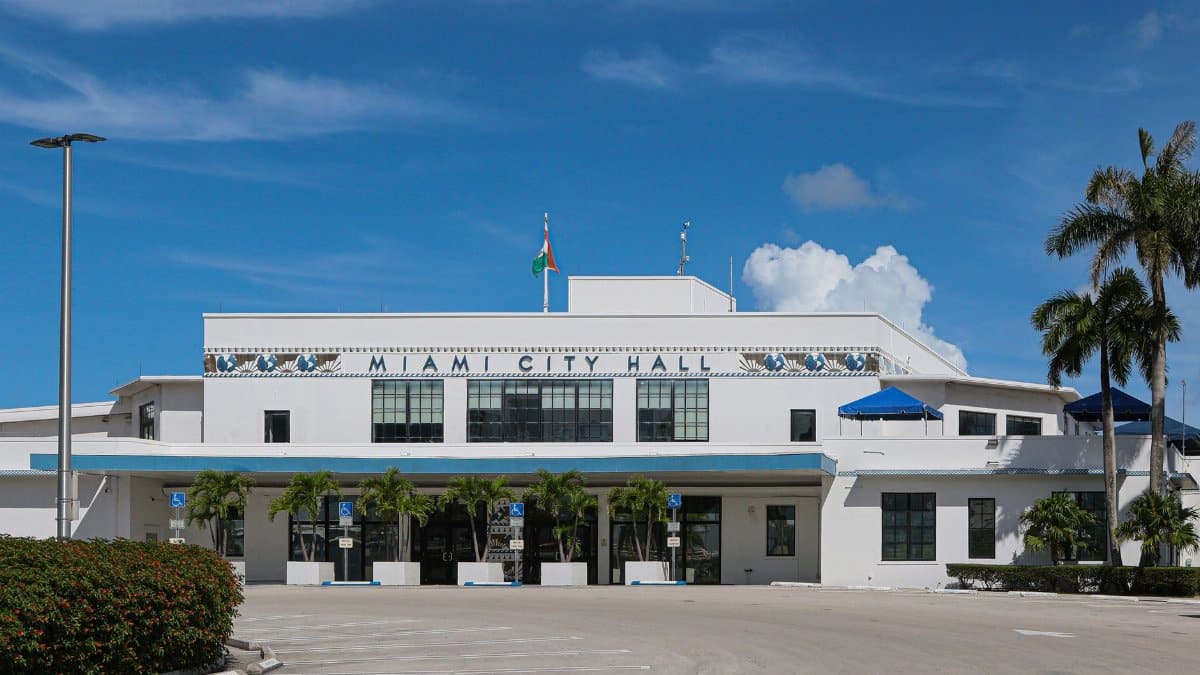
Mayor and council representatives described the deal as a prudent step that balances opportunity with responsibility. They pointed to past events in other cities where similar arrangements helped limit public exposure. At the same time they acknowledged that no plan can remove every uncertainty.
Warnings from Financial Observers

Independent analysts have raised flags about reliance on projected income streams that may fall short. They note that tourism surges and private donations often prove less robust than initial models suggest. These voices call for larger reserve funds to cover any gaps that emerge.
Comparisons with Prior Olympic Hosts

Earlier games in various locations offer lessons on both successes and shortfalls in expense management. Some cities emerged with upgraded facilities and lasting economic lifts while others faced prolonged debt service. Los Angeles planners have studied these cases to shape their own strategy.
Role of Private Partners

Event organizers from the private sector play a central part in generating funds that feed back to the city. Contracts require them to cover a defined share of public service expenses before they retain profits. This division seeks to align incentives across all parties involved.
Potential Effects on Local Services

Residents may notice changes in everyday city operations during the event period as resources shift toward games support. Officials promise that core functions will continue without major disruption yet they concede some temporary adjustments will occur. Community groups continue to monitor these impacts closely.
Next Steps for Oversight

Committees will track compliance with the repayment schedule through regular audits and public reports. Any shortfalls will trigger reviews that could adjust future contributions from the organizing committee. Transparency measures aim to keep residents informed throughout the process.
Broader Lessons for Event Planning

The experience in Los Angeles may influence how other municipalities approach large scale international gatherings. Clear repayment rules and conservative projections appear essential to protecting public finances. As preparations advance the focus remains on turning the event into a net positive for the region.