
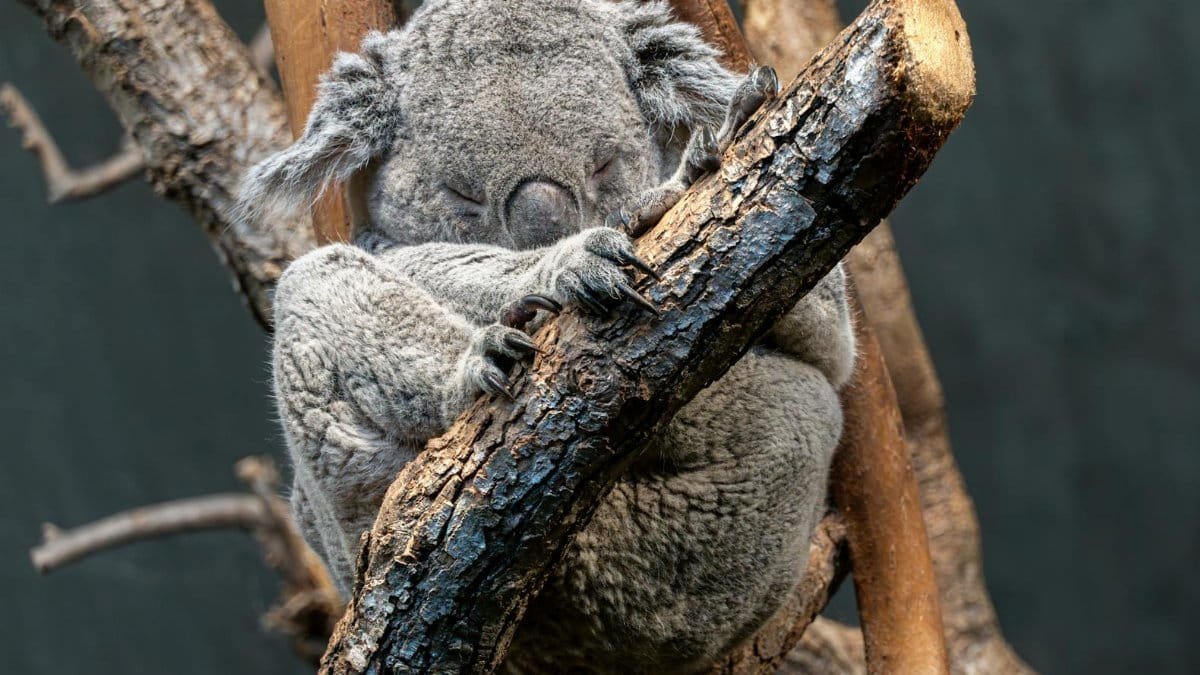
In a delightful segment that left viewers both amused and enlightened, KOMO News’ “Who Knew?” quiz aired during their February 2026 broadcast at 11 a.m., dropping a fascinating tidbit about koala sleep habits: these iconic Australian marsupials can snooze up to 22 hours a day. The revelation, tied directly to their specialized eucalyptus diet, highlighted how these fuzzy creatures conserve energy for the demanding task of digestion. As the quiz engaged audiences with its fun facts, it underscored a quirky yet vital aspect of wildlife behavior, sparking curiosity far beyond the screen. Koalas in U.S. zoos, such as those in San Diego, mirror this pattern, proving these habits transcend continents.
The ‘Who Knew?’ Quiz That Sparked Nationwide Interest

KOMO News has a knack for turning everyday broadcasts into moments of discovery, and their February 2026 “Who Knew?” quiz was no exception. Airing precisely at 11 a.m., the segment dove into intriguing animal trivia, with the standout fact about koalas sleeping up to 22 hours daily stealing the show. Viewers tuned in for what promised to be lighthearted learning, only to walk away with a deeper appreciation for how these animals adapt to their environment. As reported by KOMO News, the quiz wasn’t just informative—it was interactive, prompting audiences to guess before the big reveal. This format turned passive watching into active engagement, making koala sleep habits a talking point from Seattle to beyond.
Decoding the 22-Hour Slumber: A Koala Staple
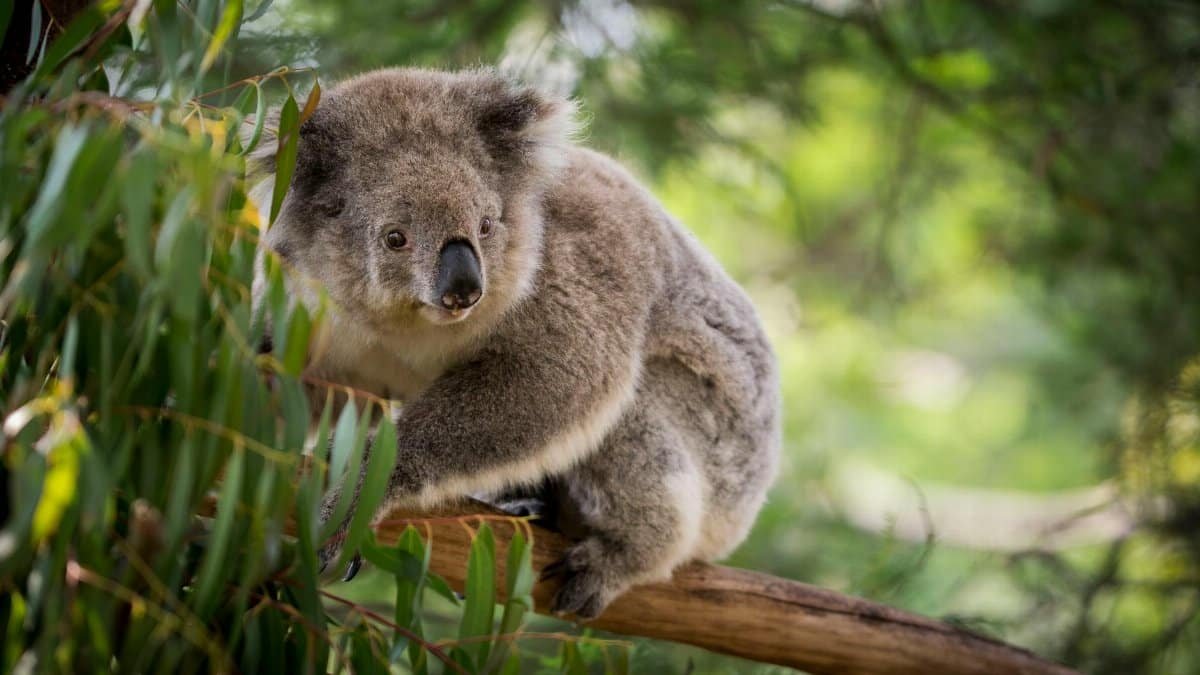
At the heart of the quiz’s appeal was the jaw-dropping number: 22 hours of sleep per day. For koalas, this isn’t laziness but a finely tuned survival mechanism. Their days—or rather, their near-constant naps—allow them to stretch every ounce of energy from their diet. Imagine curling up in a eucalyptus tree, eyelids heavy, as the world buzzes below; that’s the reality for these marsupials. The KOMO segment painted this picture vividly, helping viewers visualize koala sleep habits as both adorable and essential. It’s a reminder that in nature, rest can be as strategic as any hunt or migration.
Eucalyptus: The Diet Driving Extreme Rest
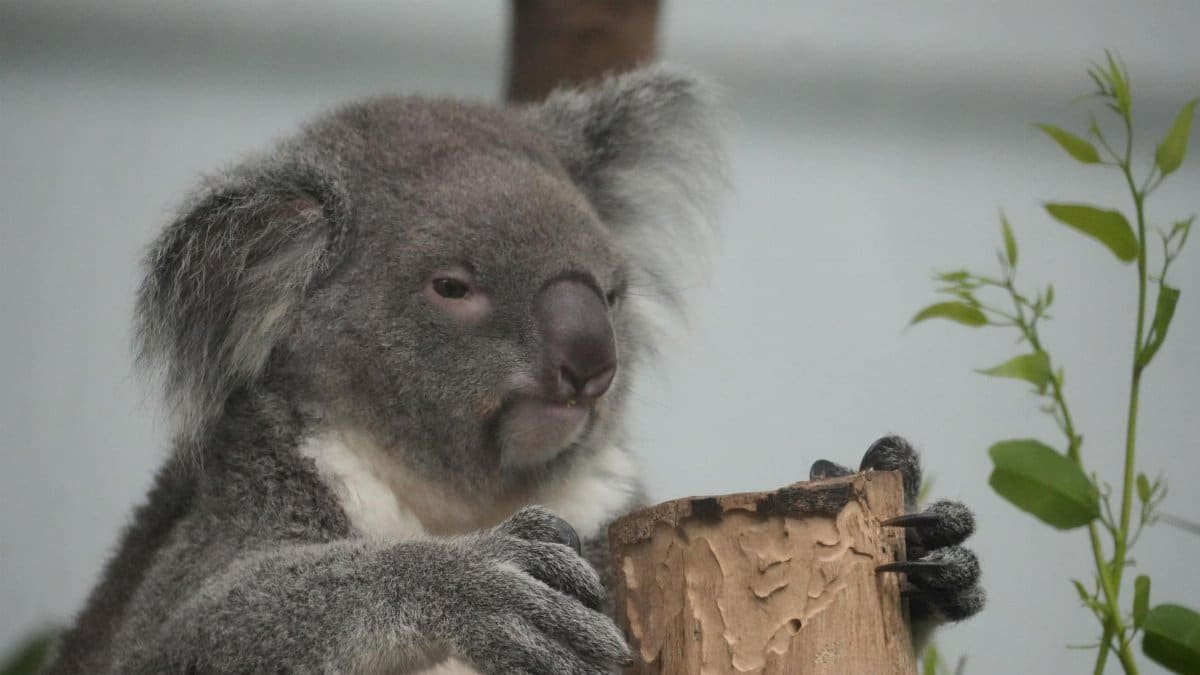
Eucalyptus leaves form the cornerstone of a koala’s menu, but they’re no nutritional powerhouse. Low in calories and tough to process, these leaves demand an extraordinary amount of energy just to break down. This is where koala sleep habits come into sharp focus—those long hours of slumber serve as a conservation tactic, giving their bodies time to extract what little sustenance is available. The “Who Knew?” quiz cleverly linked this dietary quirk to the sleep marathon, as aired by KOMO News. Blended seamlessly with observations from wildlife experts, it explained how this toxic, fibrous foliage shapes every aspect of koala life, from feeding to dozing.
Energy Conservation: Koalas’ Secret to Survival
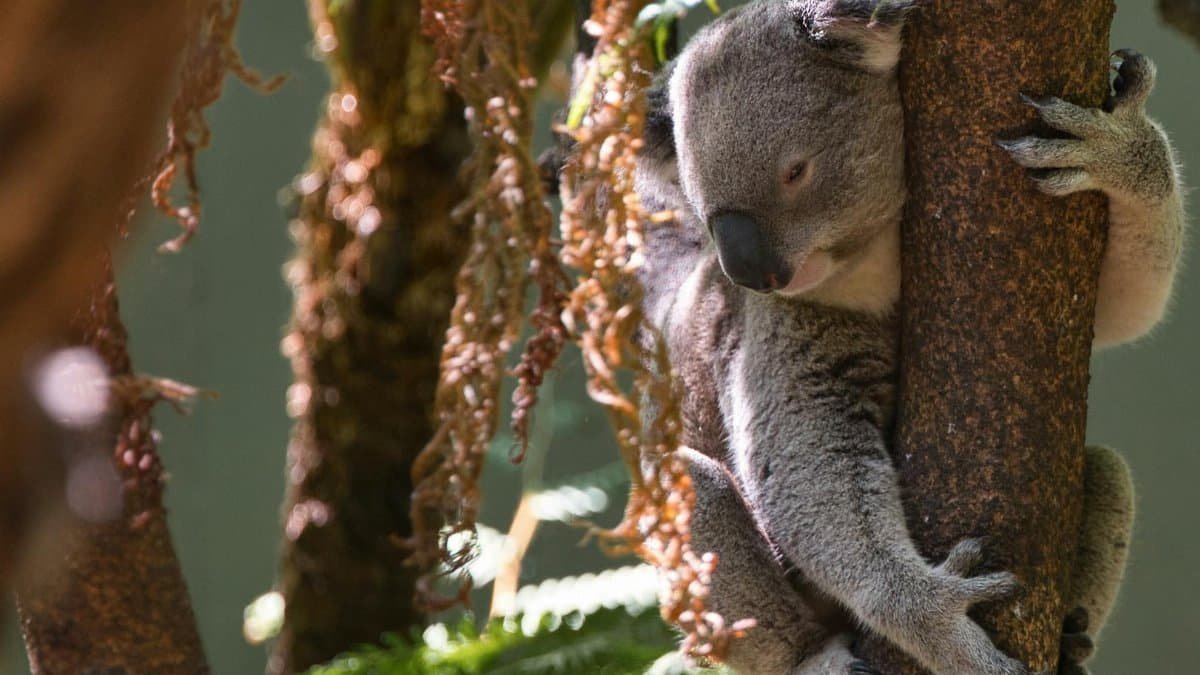
Experts featured in the segment emphasized that sleeping up to 22 hours isn’t indulgence; it’s energy conservation at its finest. Koalas’ sluggish metabolism, geared toward digesting eucalyptus, leaves little room for excess activity. By minimizing movement, they preserve calories for the slow, steady work of gut fermentation—a process that can take days. This insight from the KOMO quiz resonates with broader understandings of wildlife adaptation, where rest becomes a superpower. Koala sleep habits, in this light, exemplify how evolution favors efficiency over hustle, a lesson subtly woven into the fun-fact format that captivated morning viewers.
San Diego Zoo Koalas: Same Habits, New Continent
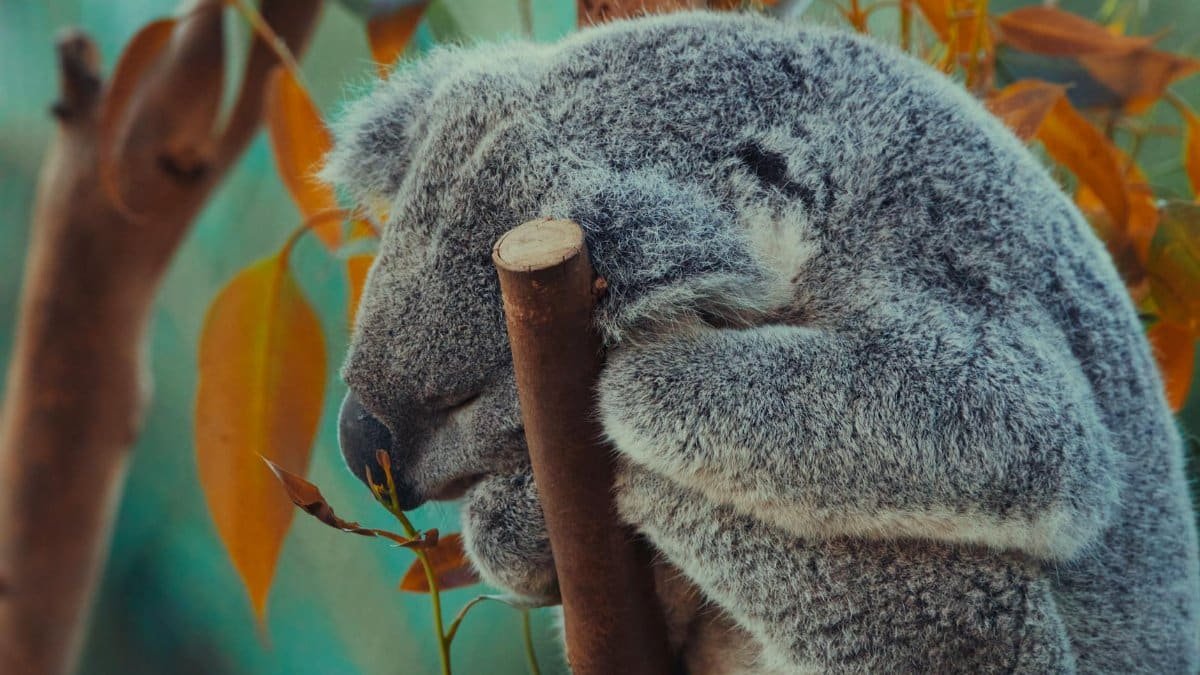
Across the Pacific, koalas in U.S. zoos like San Diego exhibit the same somnolent routines, sleeping up to 22 hours daily just like their wild counterparts. The KOMO News quiz highlighted this transcontinental consistency, reassuring audiences that captivity doesn’t alter these core behaviors. Visitors to the San Diego Zoo often marvel at the napping koalas, branches cradling their forms as they embody pure relaxation. This parallel underscores the reliability of koala sleep habits, driven by diet regardless of zip code. The segment’s nod to American exhibits made the trivia feel relatable, bridging Australian wilderness with local zoo experiences.
Expert Views on Digestion and Dormancy
Digestion takes center stage in explaining koala sleep habits, according to specialists referenced in the broadcast. The eucalyptus breakdown requires not just time but minimal interference, hence the extended rest periods. Wildlife biologists note that this conserves energy precisely when it’s scarcest, allowing koalas to thrive on a seemingly inadequate diet. The “Who Knew?” quiz distilled these expert opinions into digestible bites—pun intended—making complex biology accessible. As KOMO News reported, this energy-saving strategy is key to their endurance, turning what might seem like excessive sleep into a model of physiological smarts.
Supporting this, brief observations from reputable sources like the San Diego Zoo’s long-term studies align perfectly, showing how gut microbes work overtime during those quiet hours, fermenting leaves into usable fuel without the koalas lifting a paw.
Social Media Shares Ignite Koala Fever

The quiz’s impact rippled online almost instantly, with social media platforms lighting up from shares and reactions. Viewers clipped the koala fact, pairing it with memes of snoozing bears and captions celebrating “ultimate chill mode.” Hashtags tied to koala sleep habits trended locally, amplifying the segment’s reach. KOMO News’ 11 a.m. airtime caught people in a scroll-friendly moment, fueling posts that blended humor with newfound knowledge. This viral spark demonstrated how a simple quiz could educate en masse, turning passive facts into shareable wonders and extending the conversation well into the evening feeds.
Ethical Storytelling: Koalas Left Undisturbed
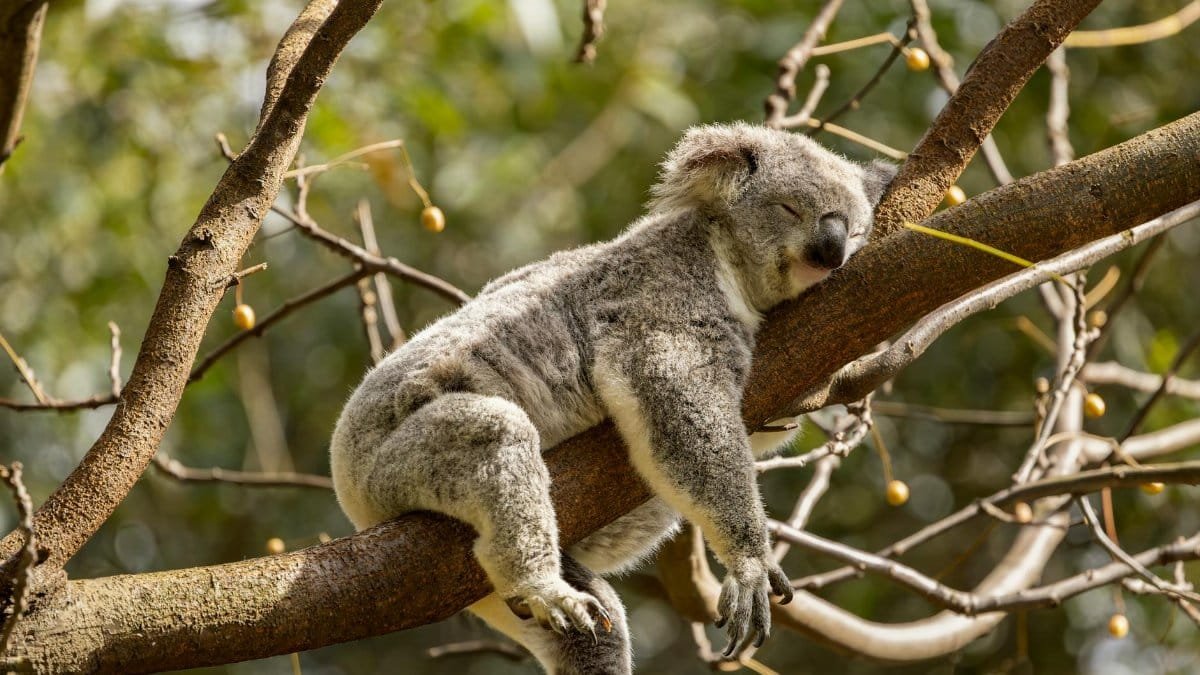
In an era of wildlife documentaries sometimes bordering on intrusive, the KOMO News segment stood out for its restraint—no koalas were disturbed in its production. Relying on established knowledge and zoo footage, the quiz delivered its punch without compromising animal welfare. This approach not only respected koala sleep habits but modeled responsible journalism for engaging with nature’s stories. Viewers appreciated the ethics baked into the fun, knowing their morning trivia came at no cost to the subjects. It’s a subtle nod to how media can inform without interfering, leaving koalas to their 22-hour dreams in peace.
The “Who Knew?” revelation lingers as a charming entry point into koala sleep habits, reminding us that even the sleepiest creatures hold secrets worth uncovering. From eucalyptus groves to zoo enclosures, these habits persist, a testament to nature’s ingenuity.