

The challenges facing Seattle residents who lack stable housing have grown more visible in recent years with tents lining underpasses and families cycling through shelters. Local leaders created the King County Regional Homelessness Authority several years ago to coordinate efforts across the city and county yet recent scrutiny has exposed deep problems in how money flows and decisions get made. The Homeless Agency Audit released last month laid bare a series of fiscal missteps that now fuel calls for major change including possible dissolution of the entire structure.
Origins of Coordinated Homeless Services
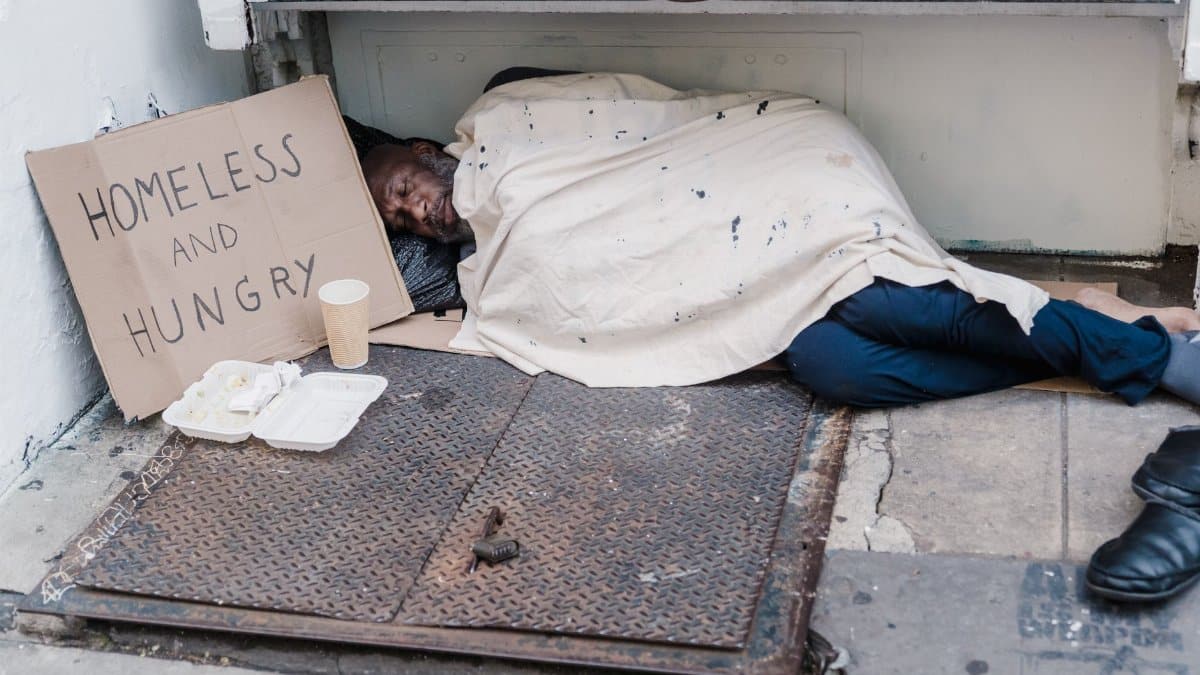
The authority emerged from years of frustration over fragmented programs scattered among dozens of providers. City and county officials hoped a single regional body would align funding streams and track outcomes more clearly. Early promises centered on ending street homelessness through data driven strategies yet implementation quickly revealed gaps in oversight and accountability.
Key Revelations in Recent Scrutiny

Auditors uncovered instances where funds intended for direct services instead supported administrative overhead that exceeded initial projections. Contracts lacked clear performance metrics leaving taxpayers uncertain whether resources reached those most in need. These patterns prompted questions about whether the centralized model truly improved upon earlier decentralized approaches.
Reactions from Elected Officials

Several council members voiced disappointment and demanded immediate reforms while others argued the findings justify starting over with a fresh governance model. Public meetings drew packed rooms as advocates and service providers debated next steps. Some leaders suggested returning primary responsibility to individual jurisdictions to foster greater responsiveness.
Effects on Frontline Service Groups

Smaller nonprofits that rely on authority contracts described delays in payments and shifting priorities that disrupted ongoing work. Case managers reported uncertainty about program continuity which in turn affected relationships with clients already wary of system instability. The ripple effects reached shelters and street outreach teams struggling to maintain daily operations.
Financial Practices Under Review

The audit highlighted weak internal controls around procurement and expense tracking. Recommendations included tighter reporting requirements and independent monitoring boards to prevent recurrence of past issues. Observers noted that similar problems have surfaced in other large scale social service consolidations across the country.
Community Voices and Lived Experience

People who have navigated the local shelter system shared stories of inconsistent support and abrupt changes in eligibility rules. Their accounts underscored how bureaucratic friction can compound the trauma of housing loss. Advocates emphasized that any restructuring must prioritize direct input from those served rather than top down planning alone.
Comparisons with Other Regional Models

Neighboring counties have experimented with different coordination methods some retaining more local control while others pursue tighter integration. Analysts point to measurable differences in outcomes tied to governance clarity and stable leadership. Lessons from these examples could inform adjustments here though political will remains a limiting factor.
Potential Paths Forward

Options under discussion range from incremental fixes within the current authority to a full reset that dissolves it in favor of direct city county agreements. Each approach carries tradeoffs in speed equity and oversight capacity. Stakeholders continue to weigh these choices against urgent needs on the streets.
Broader Implications for Public Trust

The episode reflects wider skepticism toward large public agencies managing complex social problems. Restoring confidence will require transparent communication and demonstrated results rather than promises alone. Observers suggest that success hinges on aligning incentives so that all parties focus on measurable reductions in homelessness.