

In many American families a familiar weekend routine has started to unravel. Children who once packed their bags with anticipation for nights at their grandmothers house now offer excuses or outright refusals. This shift can leave parents feeling caught between loyalties and unsure how to respond without damaging important relationships. The phenomenon touches on broader questions of child development independence and the evolving role of extended family in modern life.
It was during one such moment that a mother in Maryland reached out to a well known parenting advisor for guidance. Her story is far from unique. When kids resisting sleepovers grandma starts happening regularly it forces families to examine what lies beneath the surface of these simple overnights. Is it a passing phase or the sign of something more significant? Understanding the answer requires patience and a willingness to explore emotions on all sides. The discomfort ripples outward touching grandparents who feel rejected and parents who wonder if they have somehow failed to maintain the delicate balance of family ties.
Why Children Suddenly Resist These Visits
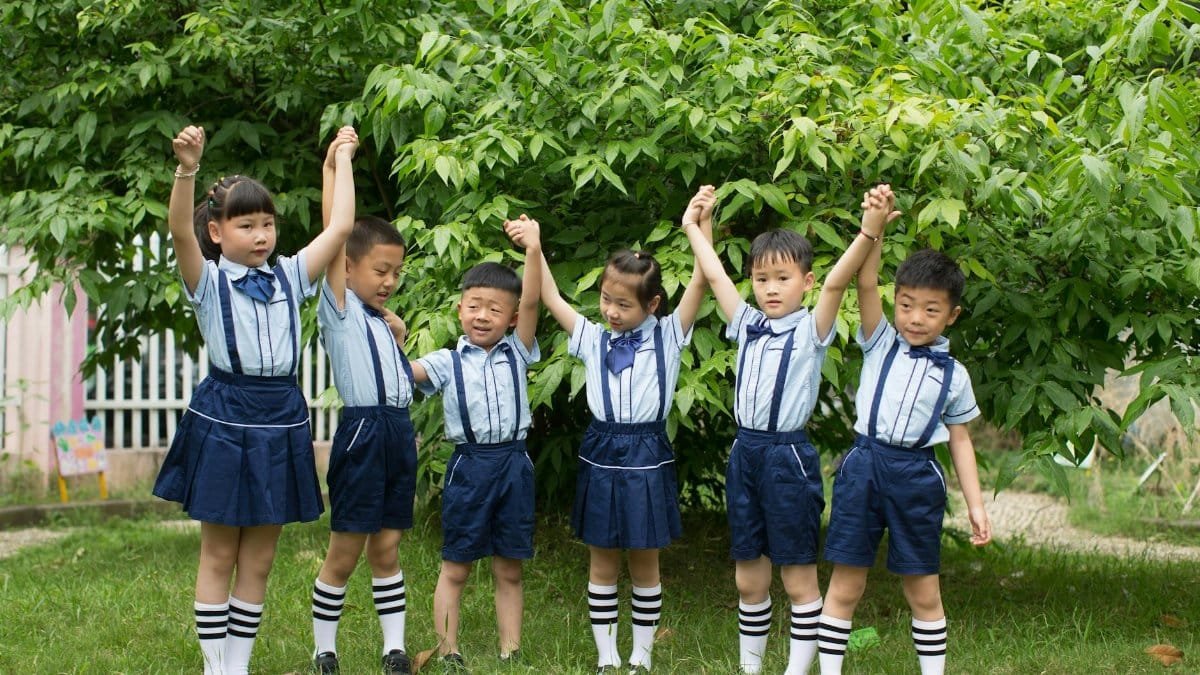
Child psychologists point to several common reasons behind this behavior. As youngsters enter new stages of growth their needs and fears can transform quickly. What felt like a treat at a younger age may now trigger feelings of homesickness or boredom if the activities no longer align with their interests. Some children may have experienced subtle conflicts or simply prefer the comfort of their own beds and routines. The key is to approach the situation with curiosity rather than frustration.
Research from the University of Michigan Institute for Social Research indicates that children between the ages of seven and twelve often test boundaries as they develop their sense of self. This can manifest in resistance to regular commitments including family traditions. Parents who pause to consider the childs perspective frequently discover that the pushback has little to do with grandmother herself and far more to do with the childs internal growth spurt. One eight year old boy recently explained that he loved his grandmother but hated feeling that he could not leave once the sun went down. Such revelations remind us that resistance often carries important information if adults choose to listen.
Listening Closely to Your Childs Concerns
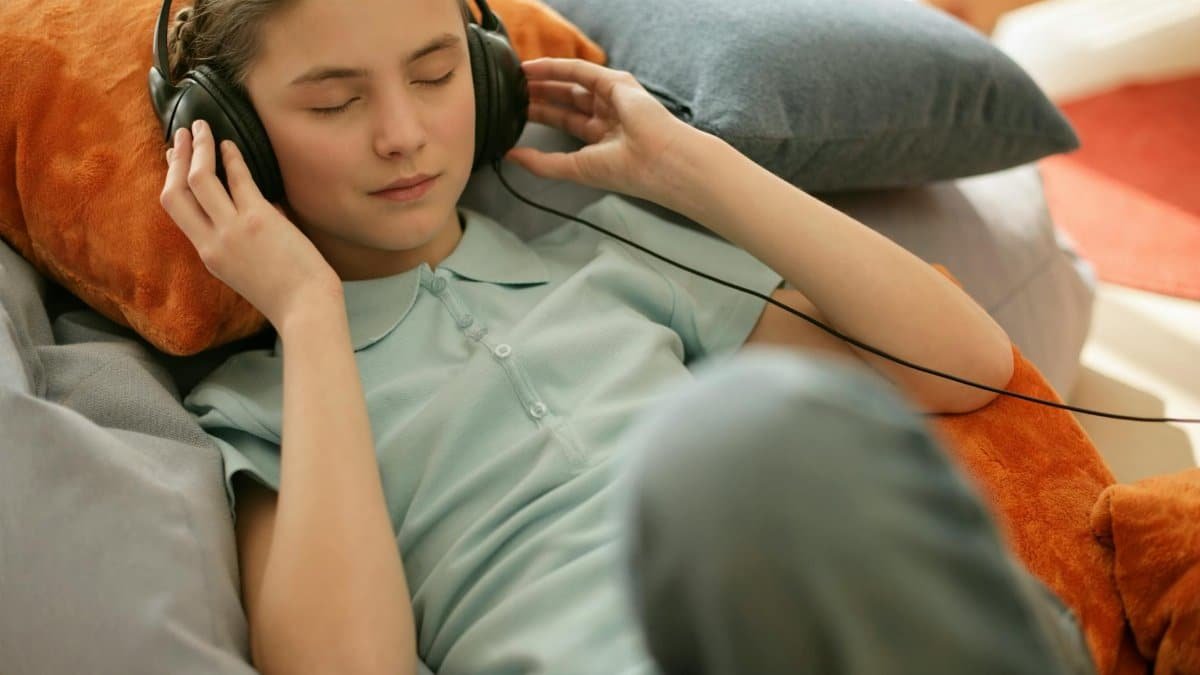
Effective communication begins with creating space for children to express themselves without fear of disappointing their parents or grandparents. Many youngsters struggle to articulate complex feelings so parents must pay attention to nonverbal cues as well as spoken words. Open ended questions can help uncover the root of the discomfort. Is it the lack of privacy? The food choices? Or perhaps the absence of friends their own age during these visits?
Parenting experts emphasize validation as the first step. Acknowledging the childs feelings builds trust and encourages honesty. Dismissing the resistance as ingratitude only widens the gap. When families practice reflective listening they often find that the original complaint shrinks while connection grows. This process takes time yet the investment returns dividends far beyond any single sleepover.
The Grandmothers Perspective Matters Too
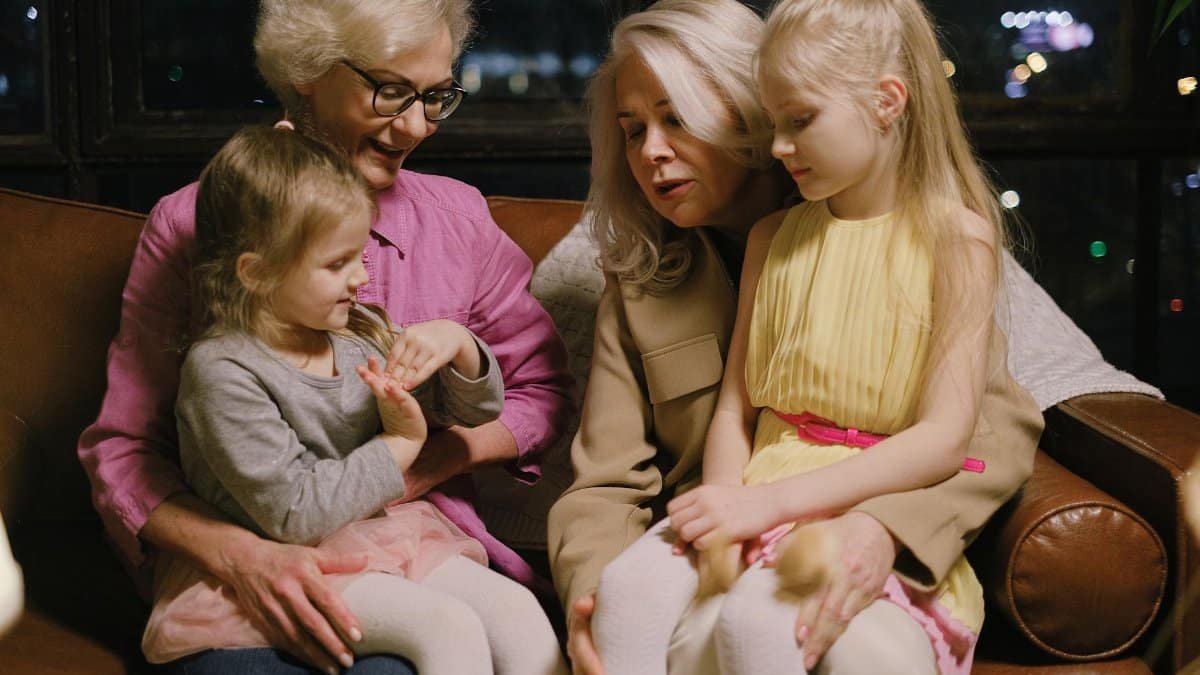
For grandparents these sleepovers often represent cherished opportunities to connect and create memories. When resistance emerges it can feel like rejection after years of effort to be the fun house away from home. Grandmothers may wonder if they have done something wrong or if their role in the family is diminishing. This emotional response is understandable yet it opens the door for meaningful conversations about evolving family needs.
Advice columns such as the one by Meghan Leahy in The Washington Post stress the importance of empathy across generations. Her guidance on navigating these tensions offers practical steps for maintaining harmony without forcing anyone into uncomfortable situations. Grandmothers who remain flexible and curious about the childs changing world often discover new ways to relate that feel fresh for everyone involved. Many report that stepping back from expectations actually deepens the eventual bond.
Practical Steps Parents Can Take Immediately
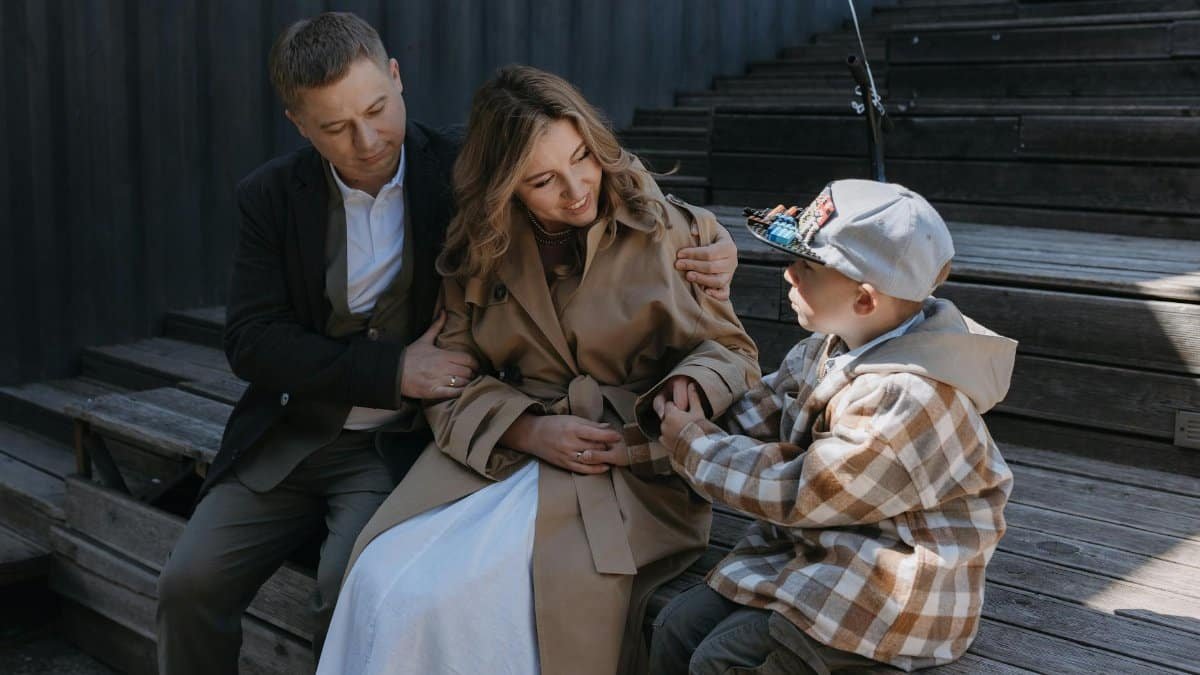
When parents encounter kids resisting sleepovers grandma families do not need to abandon the practice altogether. Instead they can adjust the format. Shorter visits during the day or sleepovers that include a parent for part of the time can serve as bridges. Consistency remains important but so does flexibility. Parents might establish a regular check in time during the evening to reassure anxious children.
Setting clear expectations with both the child and the grandmother helps everyone feel prepared. Some families have found success by allowing the child to bring a special item from home or plan an activity in advance. Small adaptations like these demonstrate respect for the childs emerging autonomy while preserving the relationship. Over weeks and months many children return to overnight visits once they sense that their voice truly matters in the decision.
Exploring the Spiritual Dimension of Family Bonds
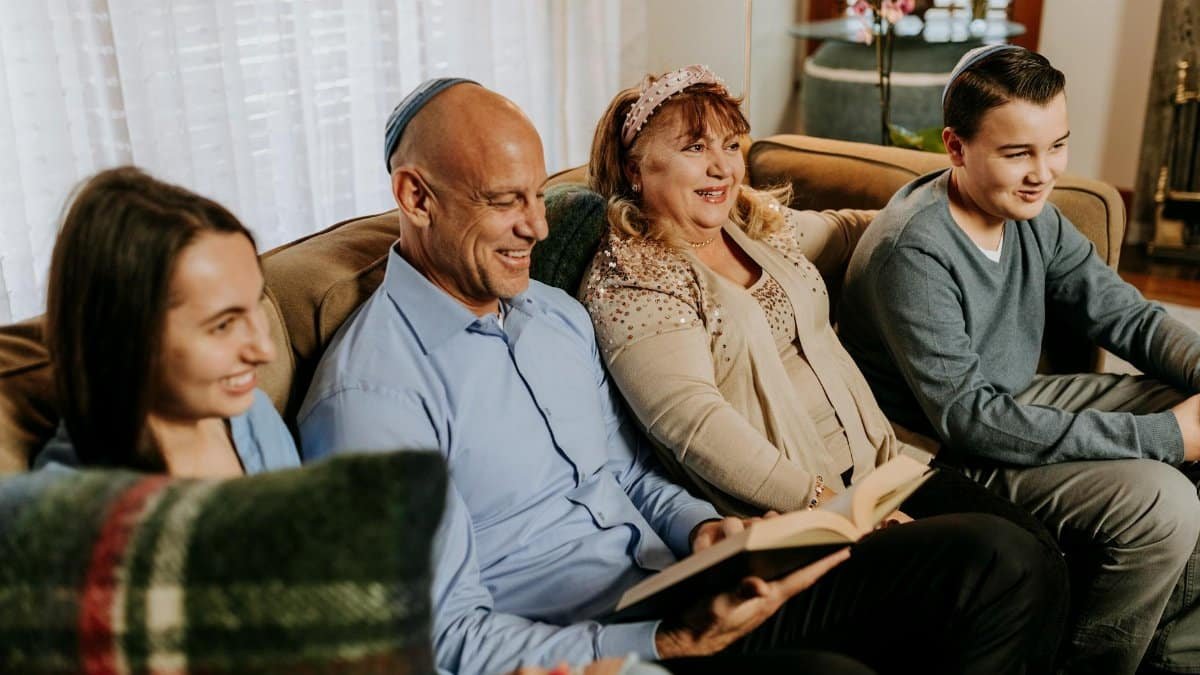
Beyond the practical aspects there is a deeper layer to these interactions. Many families find that intergenerational connections carry a spiritual significance fostering a sense of continuity and belonging. In a fast paced world these quiet nights at grandmas can become spaces for sharing stories of faith resilience and love that transcend daily life. When children resist parents might reflect on whether the visits nurture the soul as well as the body.
Trends in mindful parenting suggest incorporating small rituals such as gratitude practices or shared reflection before bedtime. These elements can transform sleepovers from routine events into meaningful experiences that strengthen spiritual ties within the family. A child who once resisted might later recall those evenings as the place where he first learned that wisdom lives in listening and that love can be shown through patient presence rather than perfect performance.
When Resistance Points to Deeper Issues

While most cases reflect normal development some instances of resistance may signal anxiety bullying at school or other underlying challenges. Parents should consider whether the child is avoiding something specific at grandmas or using the sleepover as an excuse to stay home for other reasons. In these situations professional guidance from a counselor can provide clarity and direction.
Resources from organizations like the American Academy of Pediatrics offer insights into distinguishing typical behavior from concerns that warrant attention. Families who address these signals early often prevent larger problems from taking root. The willingness to seek support reflects strength rather than failure and models for children that emotional health deserves priority.
Alternatives to Overnight Stays That Preserve Connections
Creative solutions abound for families dealing with this shift. Grandparents and grandchildren might enjoy extended afternoon outings baking sessions or even virtual story times if distance is a factor. The goal is to maintain the special relationship without forcing situations that cause distress. Many families report that reducing pressure around sleepovers actually leads to more willing participation over time.
One mother discovered that her daughter preferred daylong adventures with grandma rather than overnights. This adjustment allowed their bond to flourish without the anxiety that had crept into their routine. Other families have created monthly grandparent grandchild clubs focused on hobbies or community service. These fresh formats often reignite enthusiasm and remind everyone that connection can take many shapes.
Building a Foundation of Trust and Understanding

Trust forms the cornerstone of any healthy family dynamic. When parents model respectful listening and collaborative problem solving children learn valuable lessons about relationships. This approach not only addresses the immediate issue of sleepovers but also equips young people with skills for future conflicts. The process teaches that love includes negotiation and that everyones feelings hold value.
Grandparents who participate in these conversations with openness often find their role enriched rather than diminished. Children who feel heard become more generous in return. Over months the family culture shifts toward greater authenticity and the original struggle becomes a catalyst for growth that benefits all generations.
What the Research Tells Us About Intergenerational Time
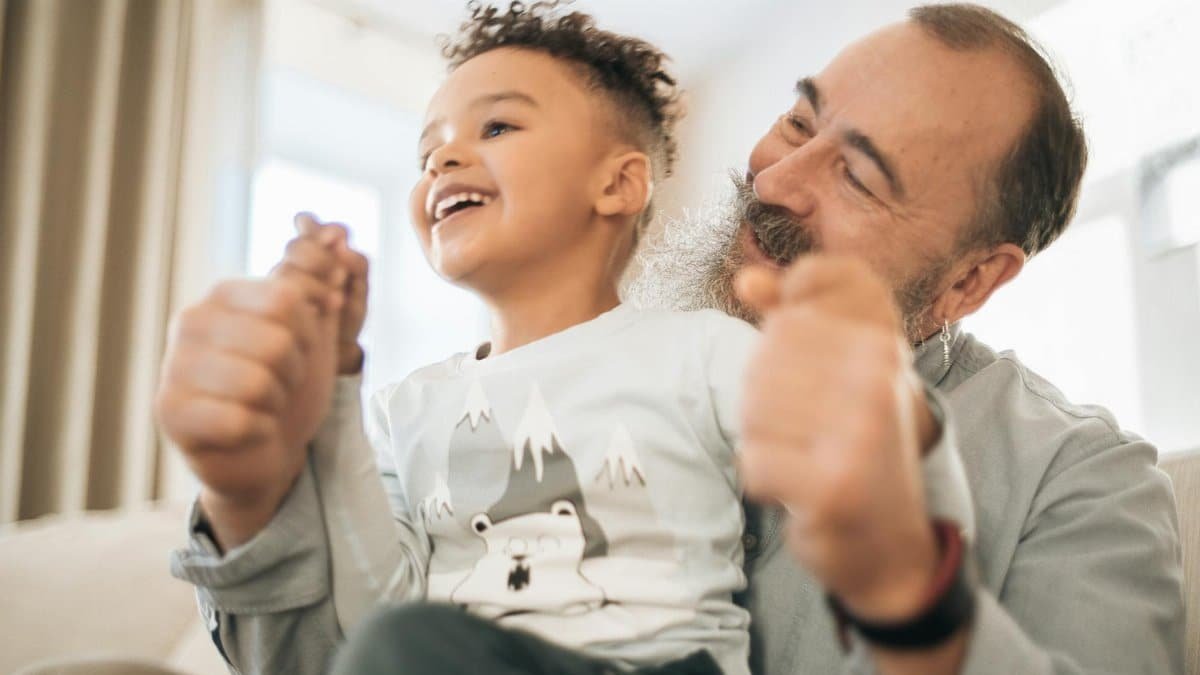
Studies consistently show the benefits of close relationships between children and grandparents. A report from the Journal of Family Psychology found that children with strong grandparent ties exhibit greater emotional stability and higher sense of worth. Yet these benefits depend on the quality of interaction rather than the quantity. Forced visits may backfire if they create negative associations.
Parents should focus on quality moments that all parties enjoy. This perspective encourages adaptability rather than rigid adherence to old patterns. The data suggests that families who prioritize mutual comfort over tradition ultimately sustain deeper connections across decades.
Strategies For Lasting Family Harmony
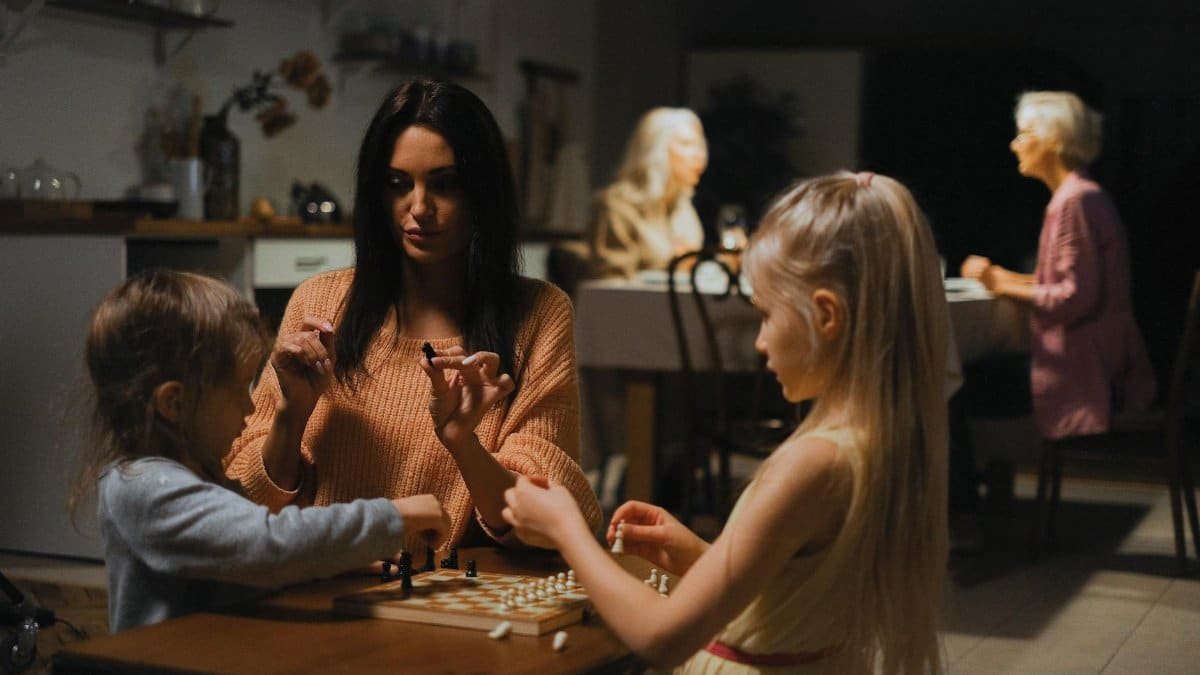
Looking beyond the immediate challenge families can develop ongoing practices that support positive relationships. Regular family meetings where everyone shares feelings and preferences can prevent small issues from growing larger. Celebrating the unique contributions of each generation reinforces appreciation and mutual respect. These habits create resilience that serves the family well through every developmental stage.
Ultimately the goal is not to force compliance but to cultivate genuine desire for connection. With thoughtful attention parents can transform resistance into an opportunity for growth that benefits the entire family for years to come. The families who navigate this terrain with grace often emerge with bonds that are more honest more flexible and more enduring than before. In learning to honor the childs voice they model the very compassion and wisdom they hope to pass down through every generation.