
In a raw birthday post that has fans buzzing, Kid Cudi mental health took center stage as the rapper confessed he “almost didn’t make it” to 40. Shared from Los Angeles on January 30, 2026, the message credits rehab and personal boundaries for pulling him back from the brink. This candid reveal underscores his long battle with inner demons, now transformed into a testament of survival. As mental health conversations surge in the music world, Cudi’s words hit hard, reminding millions that recovery is possible.
The Birthday Post That Stopped Scrolls

Kid Cudi chose his 40th birthday to drop a bombshell on social media. From Los Angeles, the post cut through the celebrations with brutal honesty. “Almost didn’t make it,” he wrote, laying bare the fragility of his journey. This wasn’t performative vulnerability— it was a survivor’s dispatch. In 2026, where celebrity candor on mental health shapes public dialogue, Cudi’s timing amplified its reach, turning a personal milestone into a rallying cry.
Unpacking “Almost Didn’t Make It”

Those four words pack a lifetime of struggle. Kid Cudi alluded to depths where survival hung by a thread, a nod to past suicidal thoughts he’s shared before. The admission paints a vivid picture of rock bottom, where mental health crises loomed largest. By voicing it on his birthday, he reframed age 40 not as a given, but a hard-won victory. This directness resonates in an era when U.S. adults report rising anxiety, per ongoing health surveys.
Rehab: The Lifeline He Credits

Rehab emerges as the cornerstone in Cudi’s post. He explicitly thanked the process for saving his life, highlighting structured treatment’s role in mental health recovery. Inpatient or outpatient programs provide the tools to rebuild—therapy, medication management, peer support. For Kid Cudi, it marked the pivot from chaos to clarity. The National Institute on Drug Abuse outlines how such interventions combat co-occurring mental health issues, aligning with Cudi’s path.
Boundaries: The Unsung Hero
Beyond rehab, Kid Cudi spotlighted boundaries as his other savior. Setting limits—on relationships, work, triggers—became his shield. This practice, rooted in therapy, prevents relapse by protecting emotional space. “Boundaries saved my life,” his post implies, emphasizing proactive self-care. In 2026’s high-pressure entertainment industry, where burnout is rampant, this tactic gains traction among artists prioritizing wellness over hustle.
Los Angeles: Epicenter of the Reveal
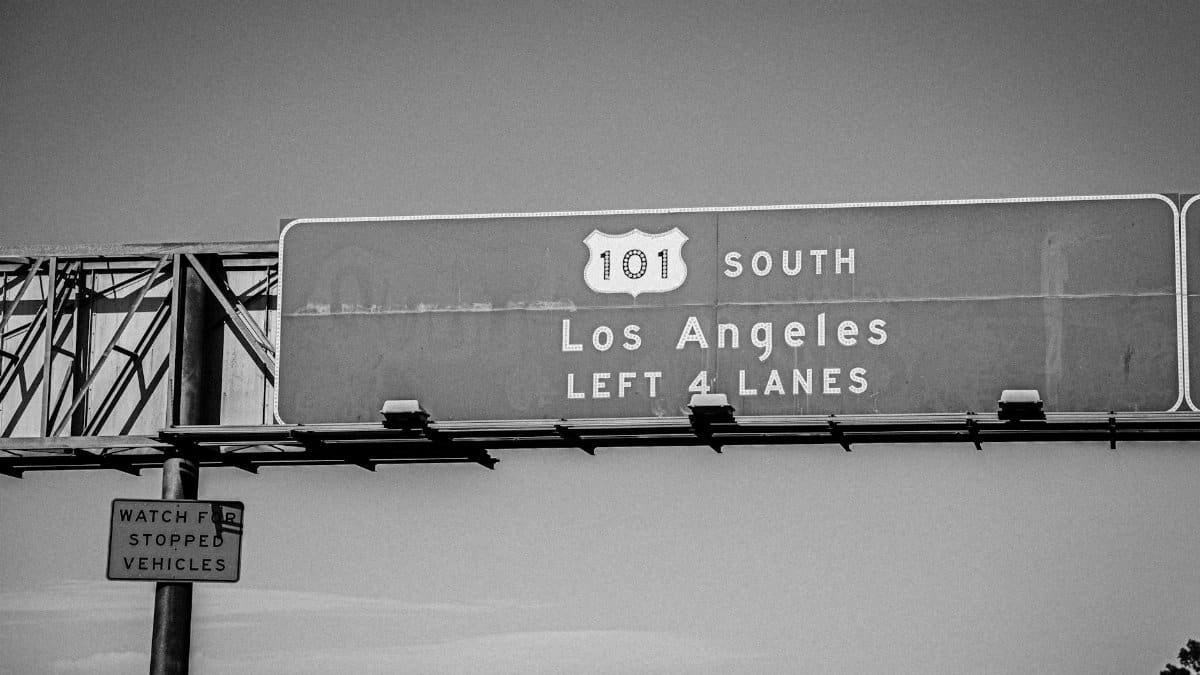
The post originated in Los Angeles, CA, a city synonymous with Hollywood highs and hidden lows. LA’s vibrant yet volatile scene has long tested mental resilience, making Cudi’s location poignant. On January 30, 2026, amid sunny skies, his message pierced the glamour, grounding it in real struggle. This West Coast hub hosts countless rehab facilities, underscoring why Cudi might credit local resources.
Turning 40: A Mental Health Milestone

Hitting 40 wasn’t guaranteed for Kid Cudi. His reflection recasts the milestone as proof of progress in his mental health odyssey. Birthdays often trigger introspection, but Cudi’s fused gratitude with grit. In a year like 2026, when midlife mental health checks are trending among Gen X and Millennials, his story spotlights longevity through intervention.
Ripples in the Music Community

Kid Cudi’s openness fuels broader kid cudi mental health discourse. As a pioneer in hip-hop vulnerability—think albums like *Man on the Moon*—his post reinforces music’s power to destigmatize pain. Fans and peers respond with their stories, creating a chain reaction. This aligns with U.S. efforts to normalize treatment, as seen in rising helpline calls.
For those navigating similar battles, resources abound. The National Institute of Mental Health details prevention strategies, echoing Cudi’s rehab-boundary combo. Boundaries, rehab—these aren’t just words; they’re lifelines.
Why This Matters Now
In 2026, Kid Cudi’s post arrives amid a mental health reckoning. Post-pandemic data shows persistent struggles, yet recovery narratives like his inspire action. By crediting rehab and boundaries, he demystifies the path forward. His survival isn’t solo—it’s a blueprint. As conversations evolve, expect more artists to follow, pushing kid cudi mental health from whisper to headline.