

“Life doesn’t end at 50,” declares Julia Roberts, pushing back against julia roberts aging stereotypes with a bold take on “gray divorce.” On January 22, 2026, the actress addressed the growing trend of older couples splitting, urging women to ditch unhappy marriages no matter their age. Her words cut through societal expectations, framing later-life divorce as a path to empowerment. Roberts’ message resonates in a time when women are redefining what aging means—prioritizing personal freedom over staying stuck.
Julia Roberts Tackles Gray Divorce

Julia Roberts stepped into the spotlight on January 22, 2026, to discuss the “gray divorce” phenomenon. This term captures divorces among those over 50, a trend gaining steam across the U.S. Roberts didn’t mince words. She empowered women to walk away from unfulfilling marriages, regardless of years spent together or societal pressure to endure. Her stance challenges the idea that aging locks people into decisions made decades ago. Instead, she positions julia roberts aging as a phase ripe for reinvention.
The Core of Her Message

At the heart of Roberts’ comments lies a simple yet powerful idea: age is no barrier to change. “Life doesn’t end at 50,” she stated flatly. This line underscores her view on julia roberts aging—not as decline, but as opportunity. Women in long-term marriages that have soured don’t have to settle, Roberts argued. Her discussion highlights how staying in misery stifles growth, while leaving opens doors to independence. It’s a direct call to action, delivered with the conviction that defines her public persona.
Empowering Women Over 50
Roberts zeroed in on women, the driving force behind many gray divorces. She encouraged them to prioritize happiness over convention. Unhappy marriages drain energy, she implied, especially as people age and reflect on their lives. By leaving, women reclaim control. This empowerment angle ties straight into julia roberts aging narratives, where maturity brings clarity rather than resignation. Roberts’ words serve as a rallying cry, validating choices that buck traditional timelines for marital bliss.
Understanding Gray Divorce
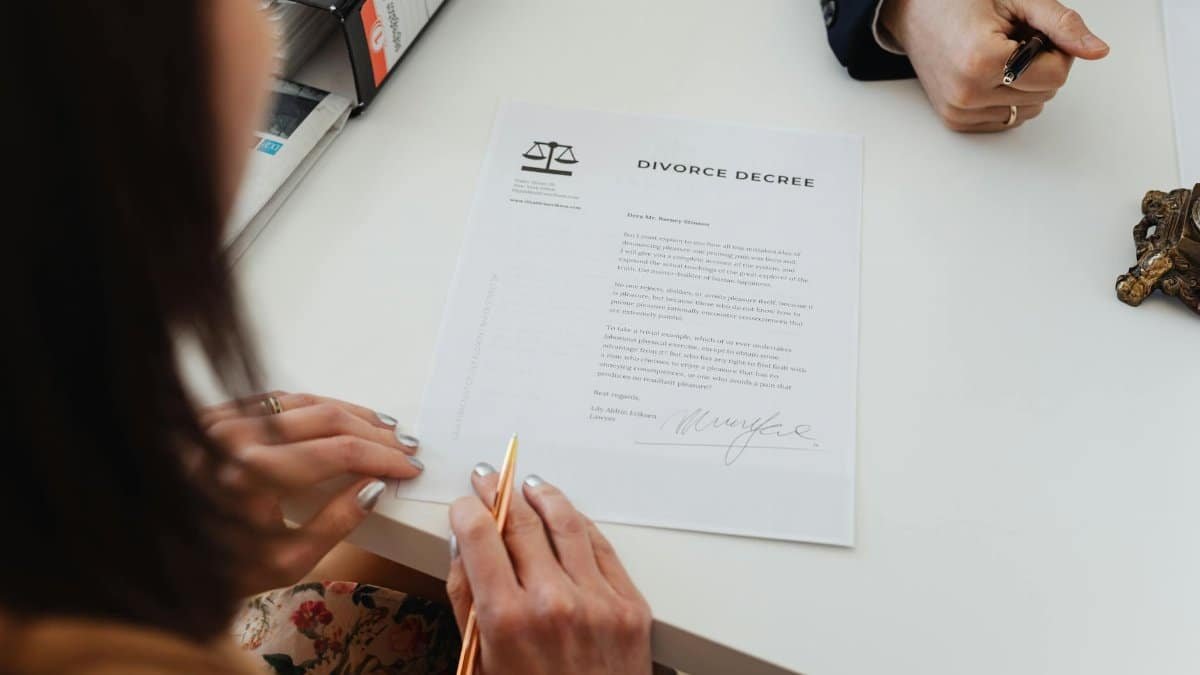
Gray divorce refers to splits after age 50, often after decades of marriage. Roberts brought this trend into sharp focus during her January 22 remarks. Factors like empty nests or shifting priorities fuel it, but Roberts emphasized personal agency. Women, in particular, are initiating these divorces to pursue better lives. Her discussion frames the phenomenon not as failure, but as a healthy response to unhappiness. For more on the trend’s roots, see Pew Research Center’s analysis of rising rates among baby boomers: Pew Research Center.
Roberts’ Stance on Age and Happiness

Julia Roberts rejects the notion that 50 marks an endpoint. Her comments on January 22, 2026, paint julia roberts aging as liberating. Divorce in later years isn’t reckless—it’s courageous. She empowers women to assess their marriages honestly. If joy is absent, it’s time to go. This perspective shifts aging from a countdown to a launchpad. Roberts’ voice adds weight, drawing from her status as a cultural icon who knows how to command attention on personal matters.
Rising Phenomenon in 2026
In 2026, gray divorce continues to shape U.S. family dynamics. Roberts’ timely discussion underscores its relevance. Women over 50 are divorcing at higher rates, seeking fulfillment post-kids and careers. Her message aligns with this shift, validating bold moves. Researchers track the surge, noting how longevity plays a role—people now face decades post-50. Bowling Green State University’s National Center for Family & Marriage Research details the data: BGSU NCFMR. Roberts amplifies it with star power.
Breaking Free from Unhappy Marriages

Roberts stressed that no age excuses staying trapped. Unhappy marriages erode well-being, she suggested, especially as julia roberts aging brings sharper self-awareness. Her empowerment pitch targets women weighing their options. Leave if needed, she urged—life awaits. This advice resonates amid 2026’s focus on mental health and autonomy. Roberts’ discussion positions divorce as renewal, not rupture, encouraging listeners to act without regret.
Impact on Women’s Independence
By spotlighting gray divorce, Roberts champions independence for aging women. Her January 22 words empower them to redefine success. No longer bound by outdated vows, they can chase passions anew. This ties into broader julia roberts aging conversations, where vitality trumps chronology. Roberts’ influence could inspire thousands facing similar crossroads, proving celebrities can drive real societal dialogue.
A Cultural Shift in Aging Views

Roberts’ intervention signals a cultural pivot. Gray divorce embodies julia roberts aging done right—authentically, without apology. Her quote, “Life doesn’t end at 50,” encapsulates it. Women hearing this may feel seen, validated in their struggles. In 2026, as lifespans extend, such messages gain urgency. Roberts doesn’t just comment; she catalyzes change, urging a rethink of marriage’s forever clause.
Roberts’ discussion on gray divorce lands at a pivotal moment. Her empowerment of women over 50 challenges norms head-on. Age doesn’t dictate destiny—action does. As julia roberts aging evolves, her voice ensures it’s heard loud and clear.