

On a July afternoon in a Texas cellblock, the air does not move so much as press. Concrete holds the day’s heat after the sun drops. Fans push warm air from one bunk to the next. For years, people locked inside those rooms, and the families waiting on a phone call, have described summer as a test of whether the body gives out before the season ends. A federal ruling now puts a date on that test. The Texas prison air conditioning order requires the state to cool every prison by 2029, on the finding that uncooled lockups violate the Eighth Amendment.
What the ruling actually requires

A federal court has told Texas to finish air conditioning across its prison system by 2029. The Texas prison air conditioning order is not a suggestion to study the problem, and it is not a request for another summer plan. It is a command with a calendar. Coverage of the case, including reporting by the Houston Chronicle, describes a finding that extreme indoor heat in state lockups crosses the line the Constitution draws against cruel and unusual punishment. The account of the lawsuit is here: https://www.chron.com/texas/article/texas-prisons-air-conditioning-lawsuit-22444167.php
The practical meaning is large. Texas runs one of the biggest prison systems in the country. Housing units, infirmaries, kitchens, and intake areas were built in different decades, some of them before cooled air was treated as ordinary in public buildings. A deadline of 2029 forces design work, bidding, electrical upgrades, and installation on a schedule that does not wait for a friendly budget year. Units that already have partial cooling will not settle the case. The obligation runs to the system, not to a showcase facility near a highway.
How hot it gets behind the walls

Texas summers regularly push outdoor temperatures past 100 degrees. Inside masonry buildings with little shade and limited ventilation, indoor readings can climb higher and stay high into the night. People sleep on concrete floors or thin mattresses. Medications for mental illness, heart disease, and high blood pressure can make heat harder to tolerate. Staff walk the same halls in heavy uniforms, answering doors and medical calls in air that feels wet even when the sky is clear.
In recent summers, state heat logs and news investigations have recorded deaths and medical emergencies in which extreme temperature was part of the story. Advocates argue that official counts understate the harm, because heat worsens heart failure, kidney strain, and psychiatric crises without always appearing as the sole cause on a form. Respite areas, ice water, and fans have been the standard answer. Those measures can save a life in a crisis. They do not change the temperature of the room where a person is required to live.
The Eighth Amendment argument

Courts do not require prisons to be comfortable. They do require that conditions not amount to punishment that is cruel and unusual. Lawyers for incarcerated people argued that prolonged exposure to dangerous heat, when the state knows the risk and has the ability to reduce it, fails that test. Knowledge is the hinge. Texas has measured indoor heat for years. It has moved some vulnerable people. It has not, until this order, been bound to cool every housing area on a dated plan.
The ruling accepts the constitutional frame. Cooling is treated not as a luxury but as a condition of lawful confinement in a climate that now produces longer and hotter seasons. That distinction will matter in later fights. A state can still argue about design, cost, and sequence. It will have a harder time arguing that a fan and a cup of ice meet the duty once a court has said the duty includes cooled air.
Who bears the heat

The people most exposed are not an abstraction. They include older prisoners, people with chronic illness, and those serving long sentences who will still be inside when the next record summer arrives. Many cannot leave a housing area when a heat advisory is issued for the county outside the fence. Commissary fans and extra water are partial measures, and they depend on money a person may not have. Families describe calls that end early because a relative is too drained to talk, or visits cut short because the waiting and the walk back leave someone unsteady.
Race and geography sit inside the numbers even when a ruling does not dwell on them. Texas incarceration falls hardest on Black and Latino communities, and many large units sit in rural counties where summer heat is not a brief spike but a season. The people who feel the ruling first are the ones with the least power to open a window that is not there.
What the state has said in its defense

Texas officials have not denied that many units lack full cooling. They have argued, in legislation and in court, that the fix is expensive, that emergency protocols already exist, and that lawmakers rather than a judge should set the pace of construction. Those protocols typically include respite areas, ice, water, and limits on outdoor work during peak heat. Plaintiffs have answered that a cool room down the hall is not the same as a housing area that does not bake a person while they sleep. The Texas prison air conditioning order sides with that answer and sets a finish line instead of another round of temporary relief.
Agency leaders also point to security. New ducts, new electrical rooms, and crews moving through secure areas create risks that a courthouse filing does not capture. That concern is real. It is also the kind of operational problem public agencies solve when a school, a hospital, or a capitol building needs work. Prisons are harder. They are not exempt from physics.
The price of cooled air
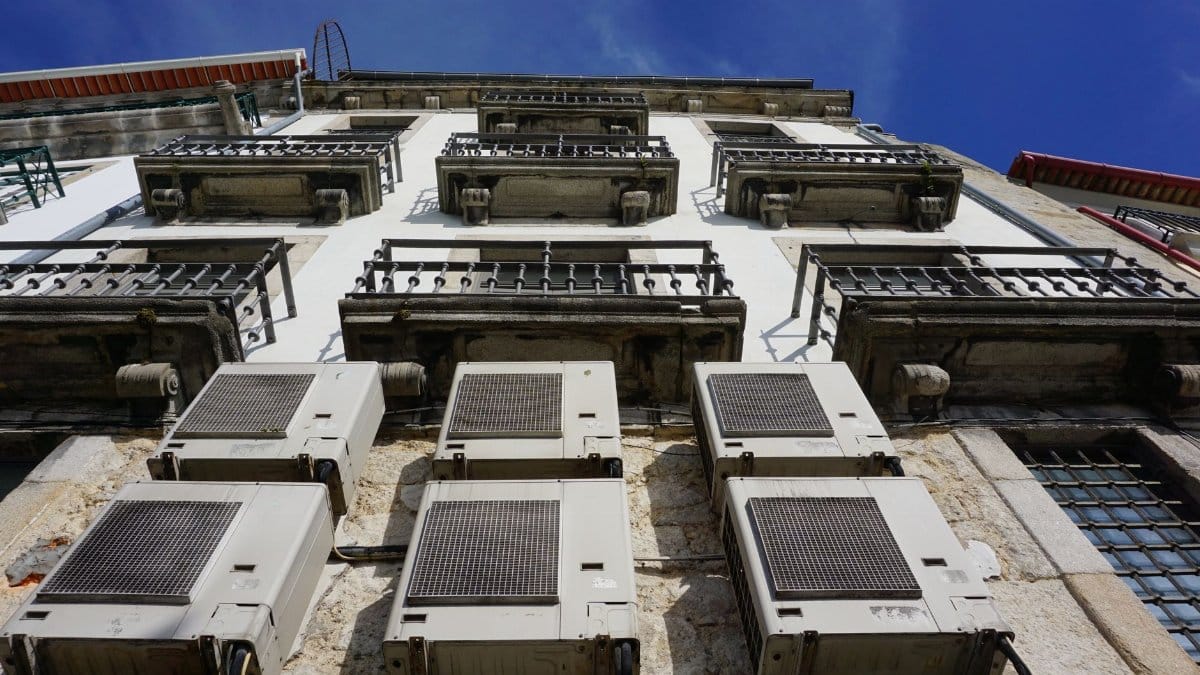
Money is the argument that will dominate the next sessions in Austin. Installing air conditioning in dozens of aging facilities is not a single purchase. It means new electrical capacity, ductwork, maintenance crews, and higher utility bills in a state grid that already strains in August. Legislative estimates have placed a systemwide buildout in the hundreds of millions of dollars. Some engineers expect the true bill to rise once roofs, switchgear, and backup power are counted. Advocates reply that the state already spends heavily on emergency medical care, lawsuits, and staffing gaps tied to miserable working conditions.
A cooler prison is not free. An uncooled one is not free either. The difference is who pays, and when. Construction shows up as a line in a budget. Heat shows up as an ambulance, a funeral, a vacant officer post, and a legal judgment years later. The court has decided that the second set of costs cannot be the plan.
Austin and the politics of delay
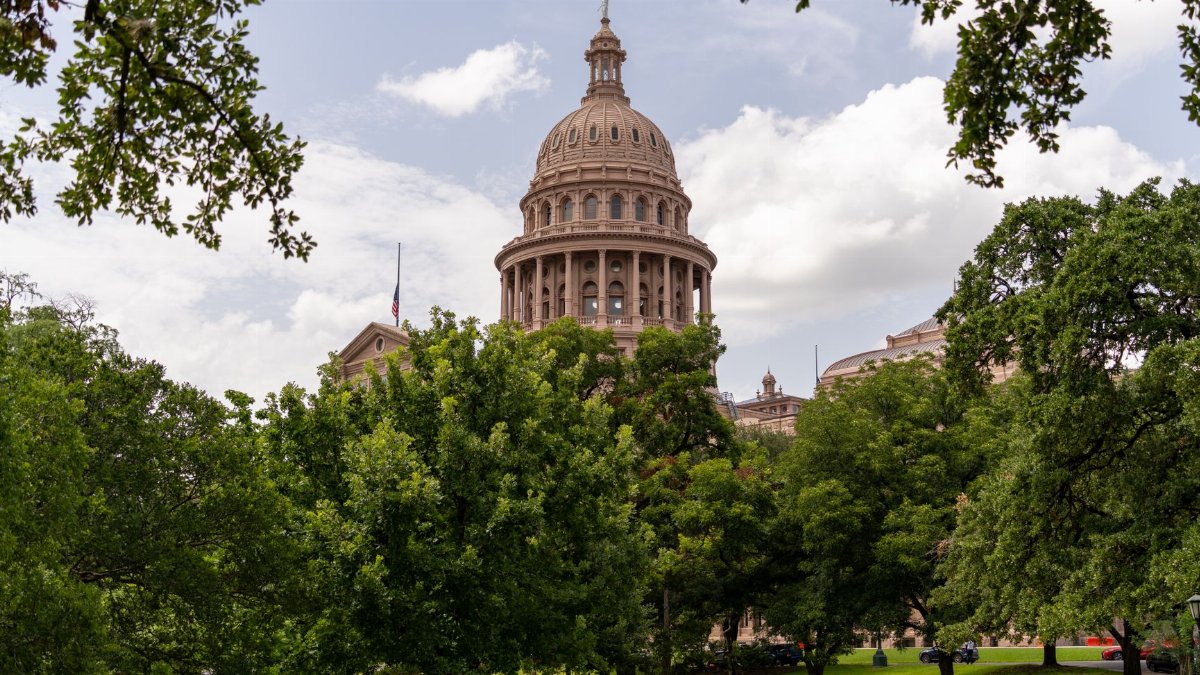
Lawmakers have debated prison cooling for years. Bills have been filed. Partial funding has appeared and then stalled. Rural districts that host prisons sometimes want the construction jobs and sometimes fear the utility costs that follow. Urban members hear from families who drive hours to sit in a visiting room and then drive home worried. Governors of both parties have treated the issue as manageable with protocols rather than as a building program.
The court order does not erase that politics. It changes the cost of doing nothing. A legislature that treats 2029 as optional invites further litigation and, possibly, tighter judicial supervision of the agency that runs the prisons. Consent is no longer the only path. Compliance is.
A deadline that leaves little room to drift

2029 is close in the life of a capital project. Design, procurement, and construction for a large public system rarely move in a straight line. Supply delays, contractor shortages, and fights over which units go first could eat the calendar. The Texas prison air conditioning order matters because it converts a moral complaint into a dated obligation. If the state misses interim steps, lawyers will be back in court asking for enforcement, not for another hearing on whether heat is unpleasant.
Sequencing will be the quiet fight. Which prisons are cooled first: the hottest, the oldest, the ones with the sickest populations, or the ones easiest to retrofit? A fair plan would start where the medical risk is highest. A political plan might start where the photos look best. The difference will be visible in summer incident logs long before a ribbon is cut.
Workers in the same rooms

Any honest account has to include the people who hold the keys. Correctional officers, nurses, and maintenance workers spend long shifts in the same heat. Employee groups have said for years that uncooled units make hiring harder in a tight labor market. Posts go unfilled. Overtime stacks up. Tired staff make worse decisions, and worse decisions land on people who cannot leave.
A cooler facility is a safety measure for workers as well as for people in custody. That shared interest does not erase the power difference inside a prison. It does explain why some of the support for cooling has come from outside the usual reform coalitions, from people who think first about staffing a night shift in August and only later about constitutional theory.
Oversight after the headline fades

Orders on paper do not install compressors. The years between this ruling and 2029 will test whether Texas publishes clear progress, unit by unit, or buries the work in budget riders and agency slides. Families and lawyers will look for cooled beds, not press releases. Temperatures taken at 3 in the afternoon in a lived in cell will matter more than a promise that equipment has been ordered.
Independent monitoring, already a point of tension in Texas prisons, becomes more important when a constitutional duty has a due date. Without public reporting, a deadline can slip one fiscal year at a time until another summer forces the question back into a courtroom. The measure of compliance is simple enough to explain to any reader: can a person sleep in the housing area assigned to them without the room itself becoming the hazard?
What changes if the state complies

If Texas meets the order, the daily life of a summer inside will change in ordinary ways. Sleep may become possible. Medications may be less dangerous to take. Intake, which often happens in the hottest months for people newly sentenced, may stop functioning as an accidental endurance trial. Kitchen shifts and laundry rooms, where heat and labor already stack, may become places a person can finish a task without collapsing.
None of that shortens a sentence or rewrites a conviction. It changes the conditions under which the sentence is served. That is the narrow, and still profound, work of an Eighth Amendment case. Victims of crime are not asked to give up their losses. The state is asked to stop adding a foreseeable physical danger that the sentence itself did not name.
Dignity, punishment, and a hotter climate
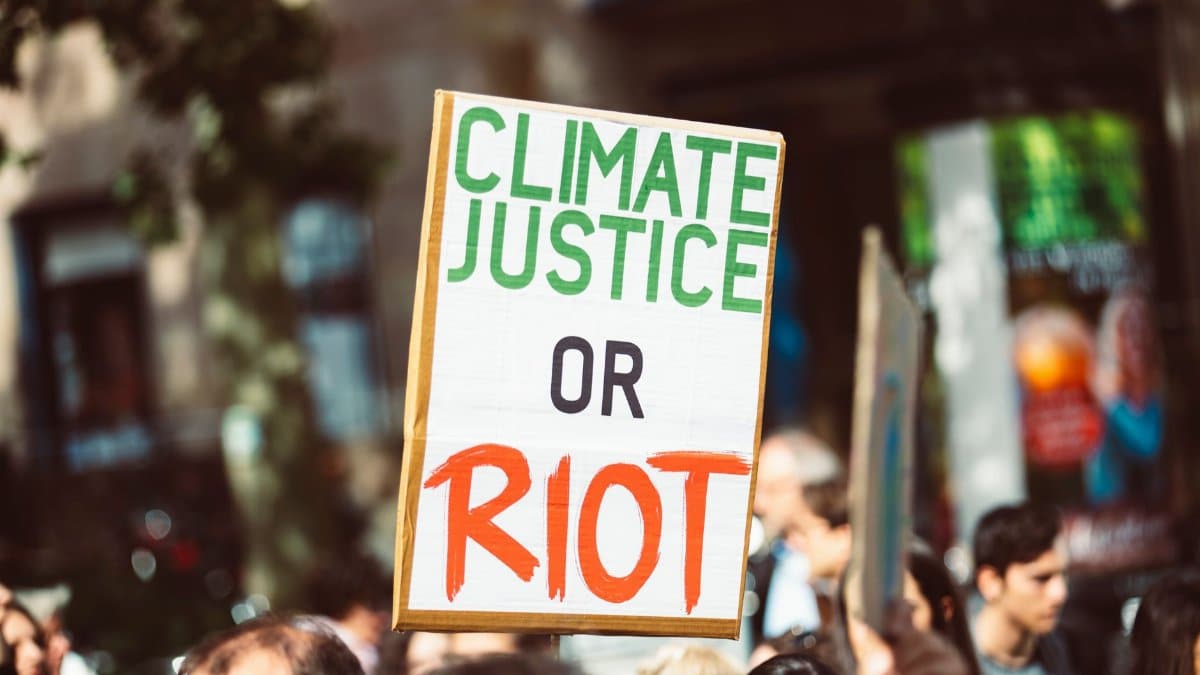
This story sits beside questions of conscience that outlast any single docket: what a society owes people it has decided to confine, and whether neglect can hide inside the word security. The constitutional language is legal. The question underneath is older than the courthouse. Texas will still punish. The Texas prison air conditioning order says punishment may not include a foreseeable risk of being cooked in a cell the state refuses to cool.
As summers lengthen, other states with aging lockups will watch whether a court deadline can move concrete, copper, and political will faster than another season of fans and ice water. The answer will not arrive in a headline. It will arrive, or fail to arrive, in the temperature of a room at midnight in 2029, when the people inside are still there and the excuse of later is gone.