

In a courtroom decision that highlights growing tensions between technological innovation and personal protections a federal judge has upheld the Minnesota nudification law against efforts by Elon Musks xAI to block its enforcement. The ruling ensures the statute remains active as litigation proceeds allowing Minnesota officials to continue regulating tools designed for creating explicit images without consent. This outcome reflects broader concerns about digital harms that extend into questions of human dignity and ethical boundaries in an era of rapid artificial intelligence advancement. Observers note the case could influence similar measures nationwide as states grapple with the societal effects of such technologies.
Origins of State Level Regulations

Minnesota lawmakers crafted the measure to address emerging risks from software capable of altering photos into intimate depictions. The approach focuses on preventing unauthorized use that targets individuals often without their knowledge. Supporters argue it fills gaps left by older statutes ill equipped for current digital realities. Enforcement mechanisms include penalties for developers and distributors who market these capabilities within state borders.
Role of Major Technology Players

xAI has positioned its legal challenge around claims that the statute impedes legitimate research and expression. Company representatives contend the rules could stifle progress in beneficial applications of artificial intelligence. Yet the court found insufficient grounds to pause the law pending full resolution of those arguments. This stance preserves regulatory authority while the suit moves forward through additional hearings.
Connections to Human Dignity
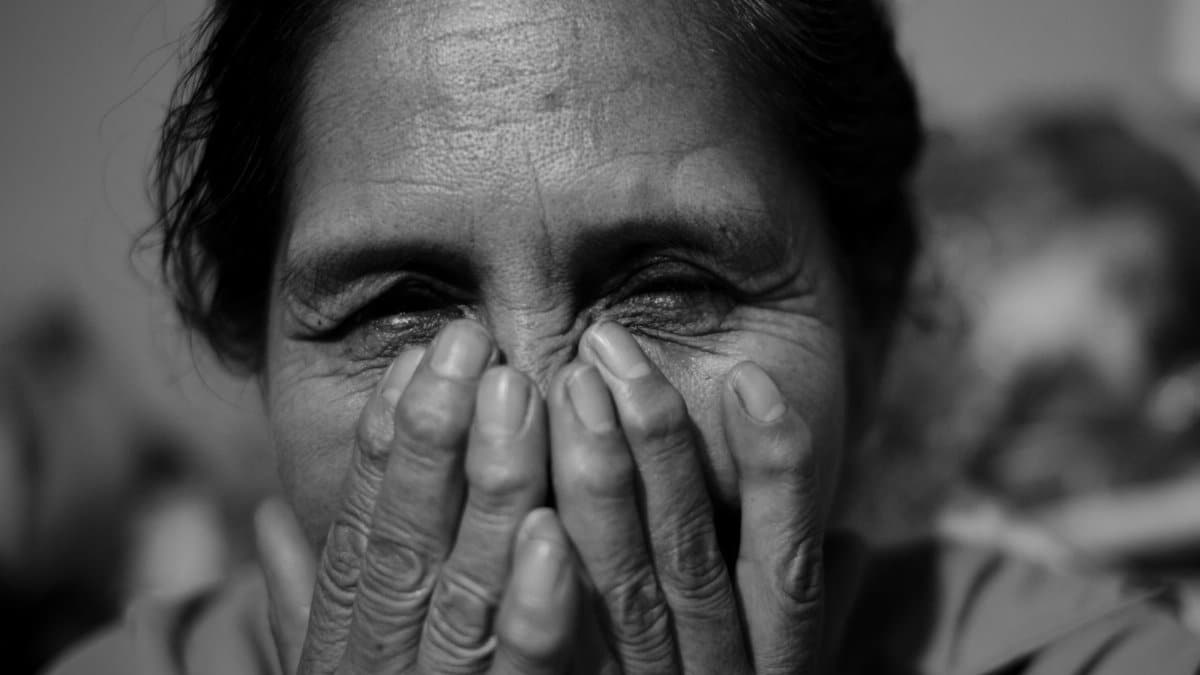
From a perspective emphasizing moral values the statute aligns with longstanding principles that safeguard individual worth against exploitation. Religious and ethical voices have weighed in noting how nonconsensual imagery undermines respect for persons as ends in themselves rather than objects. Such frameworks view privacy not merely as a legal right but as essential to spiritual integrity in communal life.
Impacts on Victims and Communities
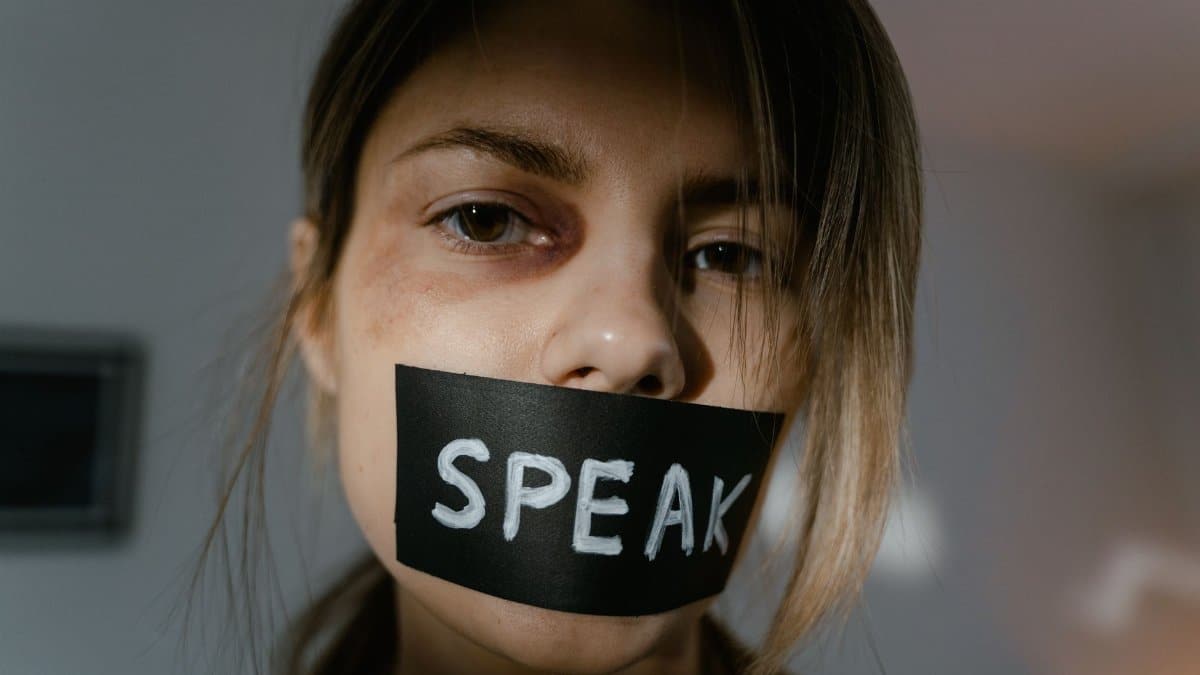
Those affected by similar tools frequently describe lasting emotional distress that ripples through families and social circles. Minnesota residents have shared accounts of how altered images circulate online damaging reputations and mental wellbeing. The active law provides avenues for recourse that might otherwise remain unavailable fostering a sense of security in an increasingly visual digital landscape.
Judicial Reasoning in Detail
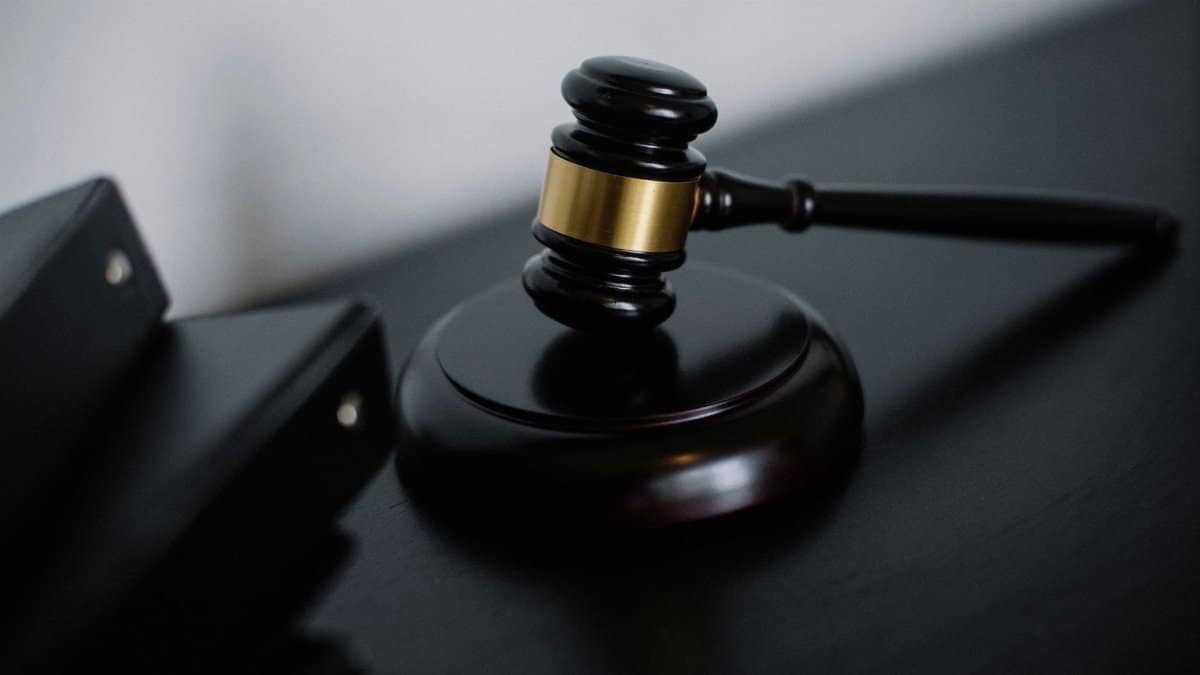
The federal judge evaluated arguments on both sides before concluding that public interest favored maintaining the status quo. Factors included potential irreparable harm from unchecked distribution and the states interest in protecting residents. The decision avoids prejudging the ultimate merits of the constitutional claims raised by xAI leaving room for further evidence and debate.
Broader National Trends

Other jurisdictions watch the Minnesota case closely as they consider parallel steps. Some have already enacted comparable restrictions while others await clearer precedents from higher courts. The ongoing litigation may clarify boundaries between free expression and harm prevention in artificial intelligence contexts across the country.
Future Outlook for Oversight

Analysts suggest prolonged court proceedings could shape industry standards for consent and verification in image generation software. Developers may adapt by incorporating stronger safeguards or shifting focus to other regions. Minnesota officials meanwhile continue implementing the law as written emphasizing education alongside enforcement to build awareness.
Public Discourse and Awareness

Conversations around these issues increasingly involve ordinary citizens concerned about family members and online safety. Community forums and educational efforts highlight ways to recognize and report potential violations. This grassroots engagement complements formal legal processes in sustaining the protective intent behind the Minnesota nudification law.