
Jennifer Lawrence’s raw confession about crying every time she leaves her son for work has Hollywood moms nodding in solidarity—is “jennifer lawrence mom” guilt hitting even A-listers hardest? The Oscar winner’s admission lit up social media on January 26, 2026, in Los Angeles, proving stars face the same heart-wrenching pulls of modern parenthood. Her words cut through the glamour, exposing the emotional toll of balancing blockbuster sets with baby duties.
The Viral Confession
Jennifer Lawrence dropped a bombshell that resonated far beyond red carpets. In a candid moment, she revealed she “cries every time” she parts from her young son to head to set. This wasn’t scripted drama—it was pure, unfiltered vulnerability from one of Tinseltown’s biggest names. Delivered amid the bustle of Los Angeles on January 26, 2026, her words exploded online, turning a personal struggle into a public phenomenon.
Stars, They’re Just Like Us

The phrase “stars, they’re just like us” took on new life as Lawrence peeled back her celebrity facade. No private jets or nannies could shield her from the ache of leaving her child behind. Her honesty humanized the “jennifer lawrence mom” experience, showing that even with resources most parents dream of, the guilt remains relentless. Fans flooded timelines with stories of their own teary goodbyes, bridging the gap between silver screen and suburbia.
Sparking Mom Guilt Conversations
Lawrence’s revelation ignited a firestorm discussion on the “crushing weight of modern mom guilt.” Working mothers everywhere saw their invisible burdens named aloud. In 2026, as U.S. women juggle careers and kids amid rising childcare costs, her story amplified a national tension. Social platforms buzzed with threads dissecting how set schedules clash with toddler timelines, making her voice a megaphone for the unspoken.
The Emotional Toll of Set Life
Leaving a son for long shooting days hits different when you’re Jennifer Lawrence. Her tears signal more than sentiment—they highlight the grind of film production, where 12-hour calls are standard. This “jennifer lawrence mom” reality underscores how unpredictable work demands amplify separation anxiety. Parents in similar high-stakes fields nodded, recognizing the pattern of hurried hugs and lingering doubts.
Hollywood’s Hidden Parental Struggles

Los Angeles, the epicenter of showbiz, became ground zero for this viral wave. Lawrence’s admission peeled back the industry’s glossy veneer, revealing how motherhood intersects with relentless schedules. While stars tout empowerment anthems, her tears exposed the raw underbelly. It prompted insiders to whisper about on-set family accommodations, though her case spotlights a broader, unresolved clash.
Modern Mom Guilt Defined

What makes this guilt so crushing? Lawrence’s story crystallizes it: the constant mental tug between professional drive and parental instinct. In today’s 2026 landscape, where remote work fades for creative fields like acting, moms face amplified pressure. Her viral moment validates what surveys have long shown about working parents’ emotional strain, as detailed in Pew Research Center’s analysis of U.S. parenting trends.
Fan Reactions Pour In
The internet erupted with empathy. Posts racked up millions of views, likes, and shares within hours of January 26. Mothers shared their own “cry every time” rituals—rushing from offices or studios, hearts heavy. Lawrence’s relatability turned her into an accidental advocate, with comments sections becoming therapy sessions. This groundswell proved her words tapped a universal vein.
Implications for Working Mothers
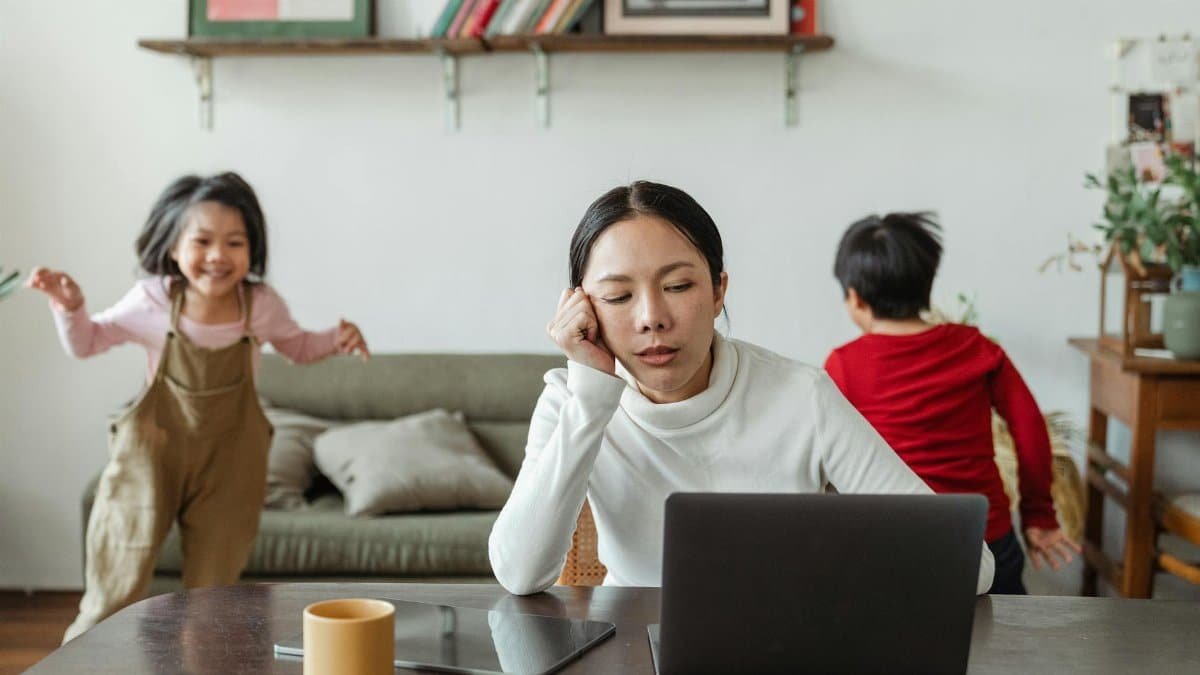
Beyond buzz, Lawrence’s confession fuels calls for change. It spotlights how “modern mom guilt” erodes well-being, echoing findings from health experts on parental stress. In the U.S., where over 70% of mothers work, such stories push for flexible policies. Her influence could nudge studios toward family-friendly reforms, easing the “jennifer lawrence mom” dilemma for all.
Tying into Broader Trends

This isn’t isolated—it’s symptomatic of 2026’s parenthood pressures. Economic shifts demand dual incomes, yet societal expectations heap guilt on moms. Lawrence’s viral honesty mirrors data on maternal mental health, with resources like the American Psychological Association’s insights on motherhood challenges underscoring the epidemic. Her tears validate a collective cry for balance.
Lawrence’s moment reminds us: fame doesn’t exempt anyone from motherhood’s fierce grip. As conversations rage on, her vulnerability keeps the spotlight on real struggles, urging empathy and action in a world where work and family collide daily.