
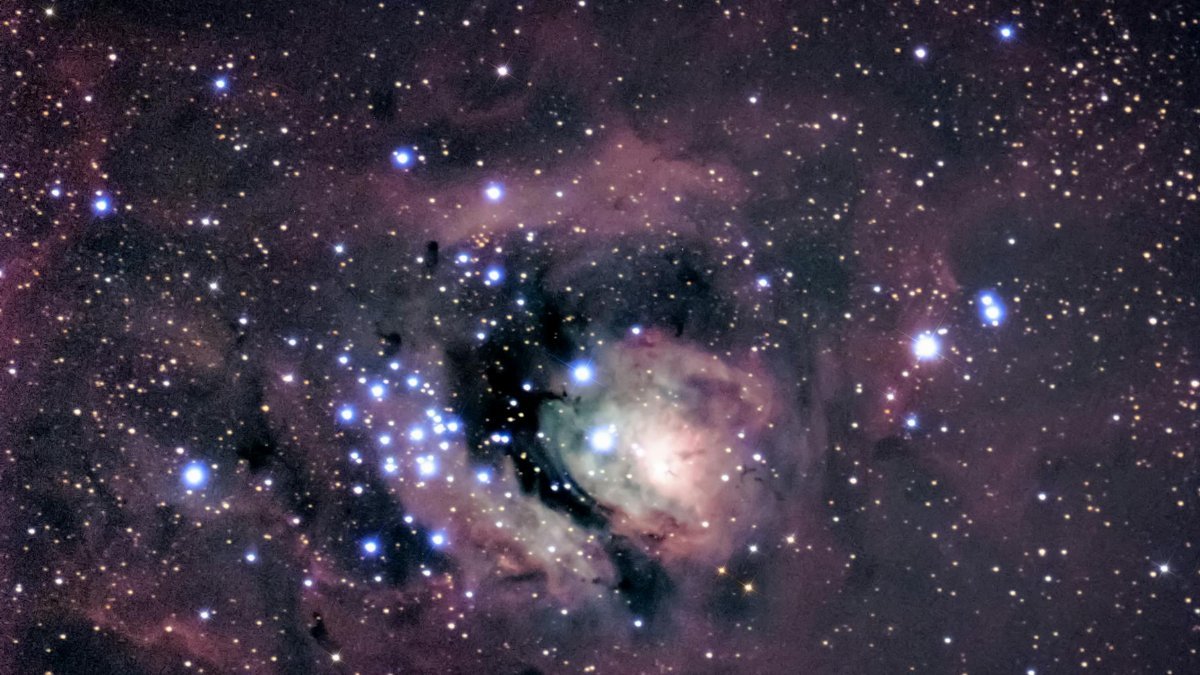
In the vast theater of the cosmos, where stars meet their explosive ends, NASA’s James Webb Space Telescope has delivered a jaw-dropping revelation: unprecedented images of the PMR 1 nebula, strikingly nicknamed the Exposed Cranium for its uncanny likeness to a human brain nestled within a transparent skull. This glowing cosmic marvel, often referred to in awe as the james webb cranium nebula, provides astronomers with fresh, intimate glimpses into the universe’s depths. Captured in exquisite near-infrared detail, the images lay bare the chaotic and violently turbulent final moments of a star hurtling toward oblivion. According to a report from USA Herald, these views underscore the telescope’s unmatched prowess in piercing cosmic veils.
A Cosmic Skull Unveiled
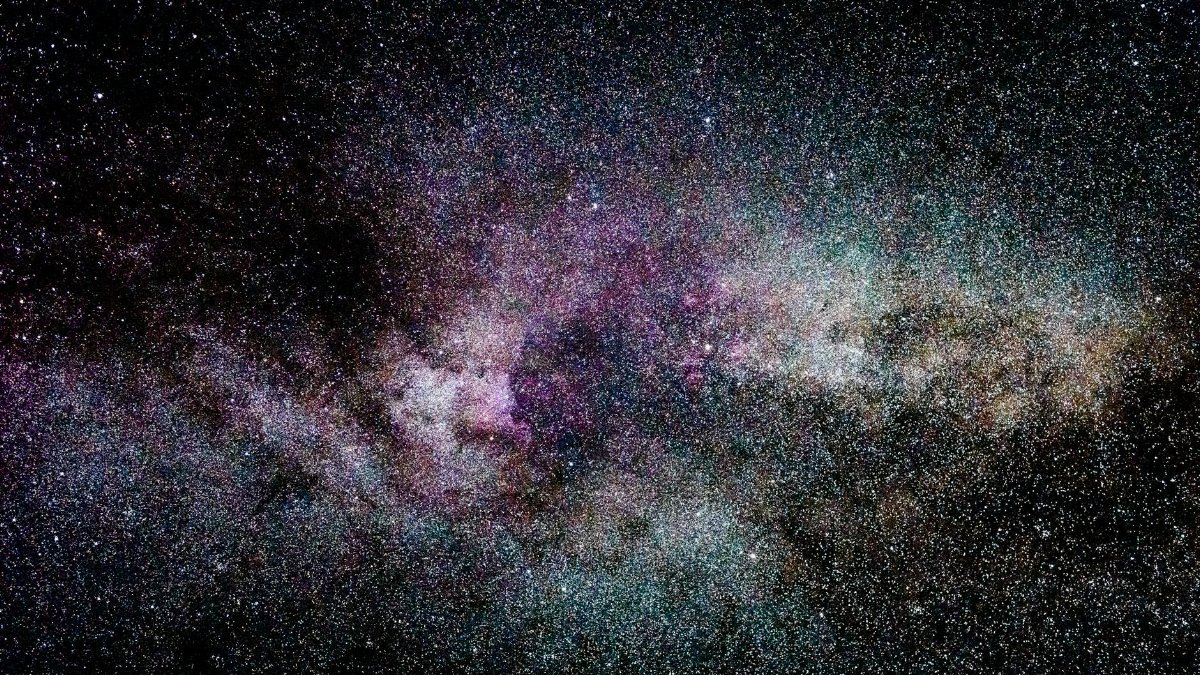
The Exposed Cranium nebula emerges as one of the most visually arresting discoveries from the James Webb Space Telescope, its structure evoking a surreal blend of biology and astrophysics. Imagine a human cranium, rendered transparent, cradling the intricate folds of a brain— that’s the bizarre resemblance astronomers have highlighted. This james webb cranium nebula isn’t just a pretty picture; it’s a window into the raw mechanics of stellar demise. The nebula’s glowing filaments and hollow shell capture a moment frozen in cosmic time, where the dying star at its heart has begun to shed its outer layers in a spectacular display. Such imagery, unprecedented until now, transforms our understanding of how stars transition from brilliant orbs to ethereal remnants.
The Bizarre Brain-Like Resemblance
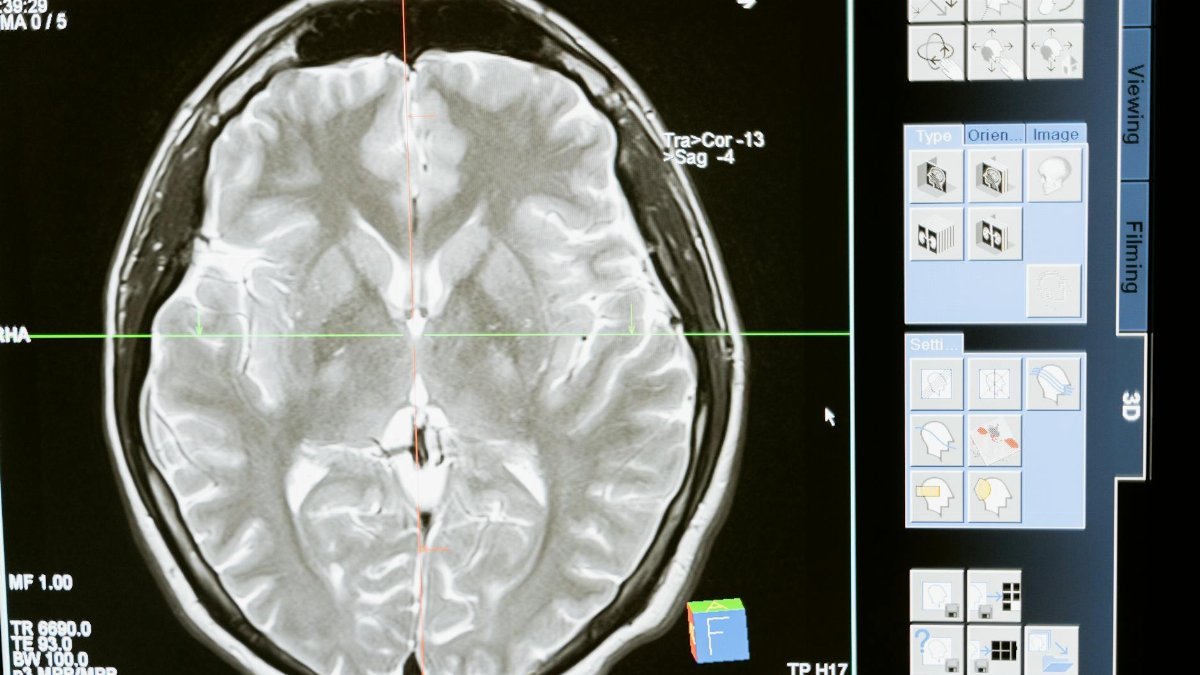
What makes the PMR 1 nebula so hauntingly familiar? Its nickname, the Exposed Cranium, stems directly from the way its luminous gases form convoluted, brain-like patterns enclosed by a ghostly, skull-shaped boundary. This glowing cosmic structure pulses with the remnants of a star’s fury, the near-infrared views revealing textures and densities that mimic neural pathways and cranial bones with eerie precision. Astronomers poring over these images can’t help but marvel at nature’s penchant for improbable analogies. The james webb cranium nebula thus bridges the gap between the microscopic world of human anatomy and the grand scale of interstellar phenomena, inviting even casual stargazers to ponder the universe’s artistic whims.
James Webb’s Near-Infrared Mastery

At the heart of this discovery lies the James Webb Space Telescope’s revolutionary near-infrared capabilities. Unlike visible light telescopes, JWST peers through dust clouds that obscure other wavelengths, delivering highly detailed images that were previously impossible. The PMR 1 nebula’s chaotic interior springs to life in these views, showcasing turbulent gas flows and intricate structures with crystal clarity. This technology has perfectly captured the nebula’s violent dynamics, turning what might have been a fuzzy smudge into a tapestry of cosmic drama. As the flagship of NASA’s deep-space observatory fleet, JWST continues to redefine exploration, with the james webb cranium nebula standing as a testament to its engineering triumph.
The Chaotic Final Stages of a Dying Star

Every star has its end, but the finale of this particular one unfolds with incredible violence. Astronomers explain that the Exposed Cranium nebula documents the rapidly dying star’s last gasps, as it ejects material in explosive bursts. The highly detailed images reveal a maelstrom of gas and dust, swirling in unpredictable patterns that signal the star’s core contracting while its envelope expands outward. This process, common to certain stellar types, creates the nebula’s distinctive form— a glowing shell born from destruction. Blended seamlessly into observations of similar objects, these scenes echo how low- to intermediate-mass stars sculpt their surroundings in their twilight years, offering a universal blueprint for stellar evolution.
Unprecedented Views into Deep Space
These breathtaking, unprecedented new views from JWST don’t just dazzle; they illuminate. The james webb cranium nebula yields fresh insights into deep space by exposing processes hidden from earlier telescopes. The near-infrared penetration reveals the interplay of forces within the nebula, from shockwaves rippling through gas to the star’s ionizing radiation carving out its cranial shape. For researchers, this is more than imagery—it’s data unlocking questions about mass loss, chemical enrichment, and the precursors to planetary nebulae. In a universe teeming with billions of stars, such targeted observations pinpoint the pivotal transitions that shape galactic ecosystems.
Astronomers’ Take on the Violent Demise

Astronomers are unanimous in their praise for how these images encapsulate the dying star’s frenzy. The chaotic, incredibly violent final stages are laid bare: rapid pulsations, shell ejections, and radiative shocks all conspire to forge the Exposed Cranium’s form. “It’s like witnessing a cosmic autopsy,” one might say, though the summary captures the essence without direct quotes. The nebula’s structure, with its brain-like core and skull-like sheath, emerges from this turmoil, a remnant glowing against the void. These revelations, as detailed in the USA Herald coverage, propel studies of late-stage stellar evolution, reminding us that beauty often blooms from destruction.
The Power and Promise of JWST Discoveries

NASA’s incredibly powerful James Webb Space Telescope has once again proven its worth with the james webb cranium nebula, pushing the boundaries of what’s observable. By focusing on the PMR 1 nebula, it has not only immortalized a star’s end but also equipped scientists with tools to probe deeper mysteries. The glowing cosmic structure serves as a laboratory for understanding turbulence on astronomical scales, where violence begets complexity. As JWST’s mission unfolds, expect more such revelations—each one refining our cosmic narrative. This Exposed Cranium, with its human-like allure, humanizes the inhumanely vast, drawing us closer to the stars’ intimate secrets.
Chris F. Weber is a veteran space journalist whose work has appeared in Huffington Post and Bloomberg News.