

Iowa City is making waves with a groundbreaking approach to easing hospital stress. Simply put,iowa city meditating waiting is a new initiative replacing waiting-room televisions with guided meditation sessions, and it matters because early results are showing a profound impact on patient and family anxiety. At the University of Iowa Hospitals and Clinics (UIHC), this shift is not just a trend but a potential game-changer for healthcare environments. Families awaiting surgical updates are finding calm in an unexpected way, and the numbers are backing up the hype.
Anxiety Scores Slashed in Half
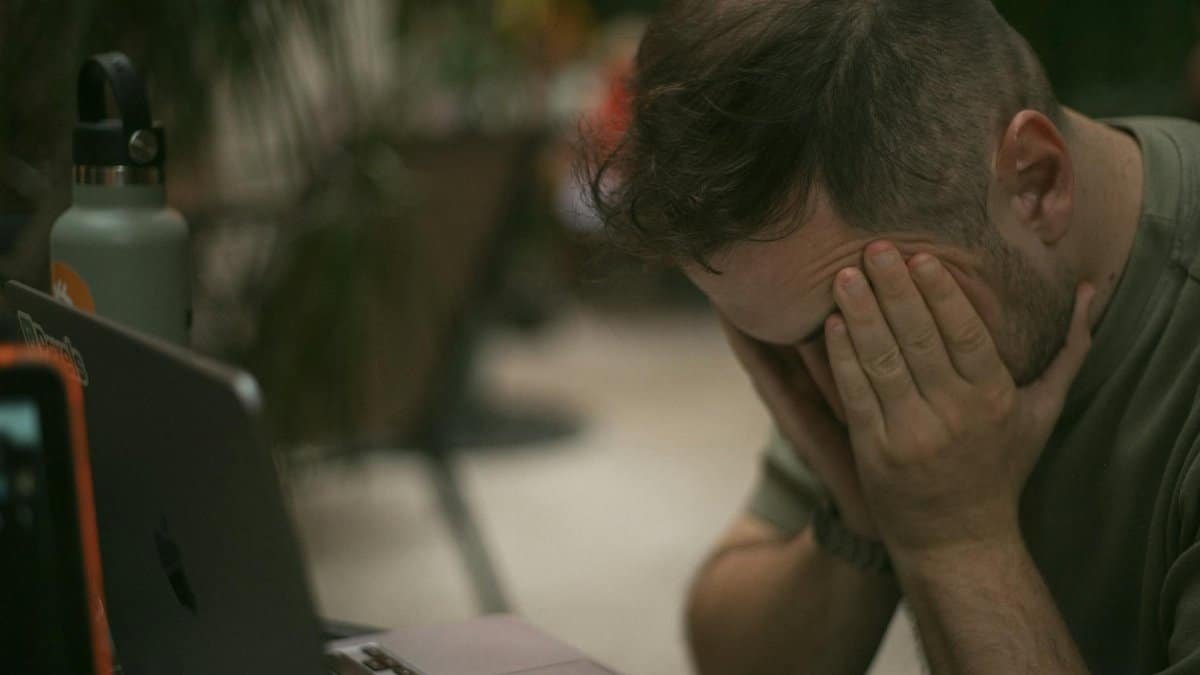
Recent data from UIHC reveals a stunning outcome: anxiety survey scores for families of surgical patients have been cut in half since the introduction of guided meditation in waiting areas. Instead of the usual drone of cable news or daytime TV, families now engage with short, calming sessions designed to focus on breathing and mindfulness. This change, implemented in early 2025, has transformed the often tense atmosphere of hospital waiting rooms into spaces of quiet reflection.
A Simple Swap with Big Impact

The concept behind iowa city meditating waiting is straightforward. UIHC replaced looping television broadcasts with 10-minute guided meditation videos, accessible on screens throughout waiting areas. These sessions, often led by trained professionals via pre-recorded content, guide participants through basic breathing exercises and stress-relief techniques. The hospital reports that the switch was initially piloted in select surgical waiting rooms before gaining traction due to overwhelmingly positive feedback from participants.
Families Feel the Difference

For families enduring the uncertainty of a loved one’s surgery, the emotional toll can be immense. UIHC’s initiative targets this specific group, offering a reprieve from the constant worry. By focusing on mindfulness, the meditation sessions provide a practical tool to manage stress in real time. Hospital staff have noted visible changes—less pacing, fewer tearful moments, and a general sense of calm among those who participate in the guided exercises.
The Science Behind the Calm

The effectiveness of meditation in reducing anxiety isn’t just anecdotal. Research supports the use of mindfulness practices to lower stress hormones like cortisol, which can spike in high-pressure environments like hospitals. While UIHC’s specific program data is still being analyzed, broader studies from institutions like the National Institutes of Health highlight meditation’s role in improving mental health outcomes. Similarly, resources from the Mayo Clinic underscore how even short sessions can yield measurable benefits.
Statewide Rollout on the Horizon

Buoyed by the success in Iowa City, UIHC is already planning to expand the iowa city meditating waiting program across the state. A rollout strategy is in development for 2025, with the goal of implementing similar meditation initiatives in other Iowa hospitals and clinics. Administrators believe this could set a new standard for patient and family care, prioritizing emotional well-being alongside physical health. The potential to scale this program could redefine waiting room experiences statewide.
Challenges in Implementation

Despite the promising results, rolling out a meditation-focused program isn’t without hurdles. Some waiting room visitors may prefer traditional distractions like television, and others might be skeptical of mindfulness practices. UIHC is addressing these concerns by offering optional participation and ensuring meditation content is accessible and non-intrusive. Additionally, the cost of updating waiting room technology and training staff to support the program requires careful budgeting and planning, especially for smaller facilities across Iowa.
A Model for National Change?

The success of this initiative raises a bigger question: could Iowa City’s approach inspire a nationwide shift in hospital waiting room culture? With anxiety and stress remaining significant challenges for patients and families across the U.S., UIHC’s experiment offers a low-cost, high-impact solution. As more data emerges from the program, other healthcare systems may take note, potentially integrating mindfulness into their own environments. For now, Iowa City is leading the charge with a focus on calm over chaos.
Looking Ahead in 2025

As UIHC prepares for a broader rollout, the focus remains on refining the meditation experience based on user feedback. The hospital aims to tailor content to diverse needs, ensuring inclusivity for all participants. With anxiety reduction proving to be a tangible benefit, the iowa city meditating waiting initiative could mark a turning point in how healthcare settings address emotional health. For families in Iowa, and potentially beyond, the wait just got a little easier to bear.