
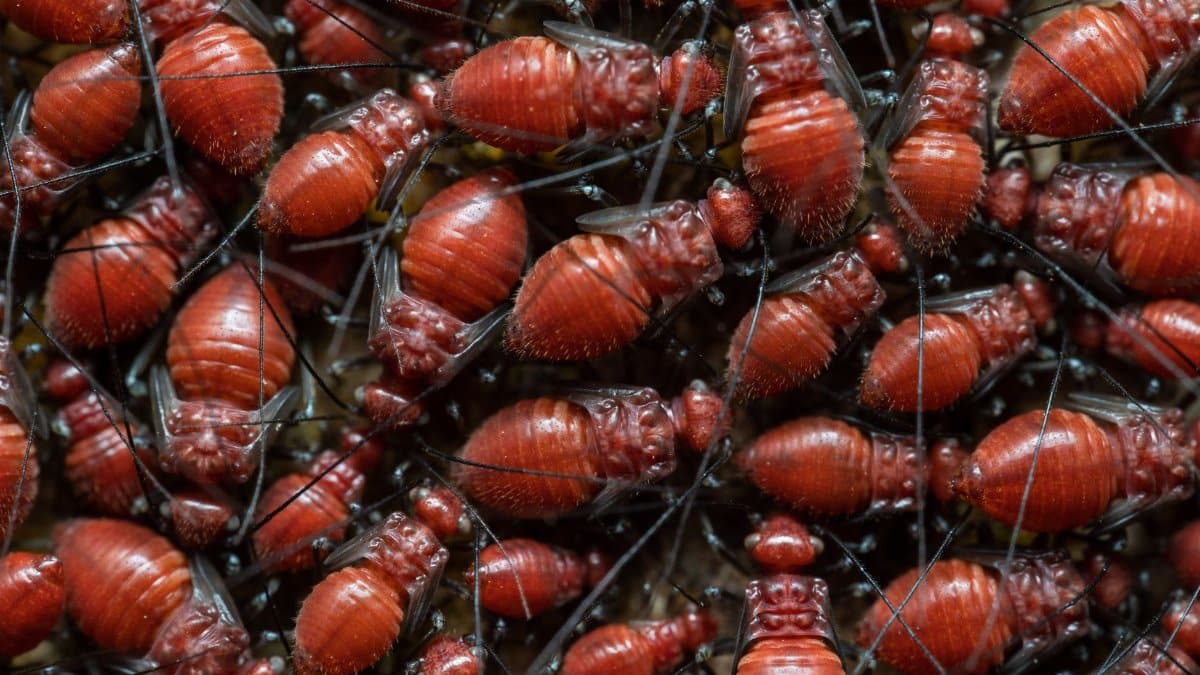
In the wake of an unusually wet and warm summer residents across the region have noticed a sharp rise in insect activity. Parks and lakefront areas in particular have seen large numbers of pests gathering in the evenings. This situation has given rise to what locals describe as Chicago mosquitoes swarm in many neighborhoods. Families have changed their routines to stay indoors after sunset while city crews work to reduce breeding sites. The combination of moisture and heat allowed larvae to thrive in ways that surprised even longtime observers of local weather patterns. Public discussions now focus on how to manage the situation without disrupting daily life for middle aged residents who enjoy outdoor time.
The Role of Weather Patterns
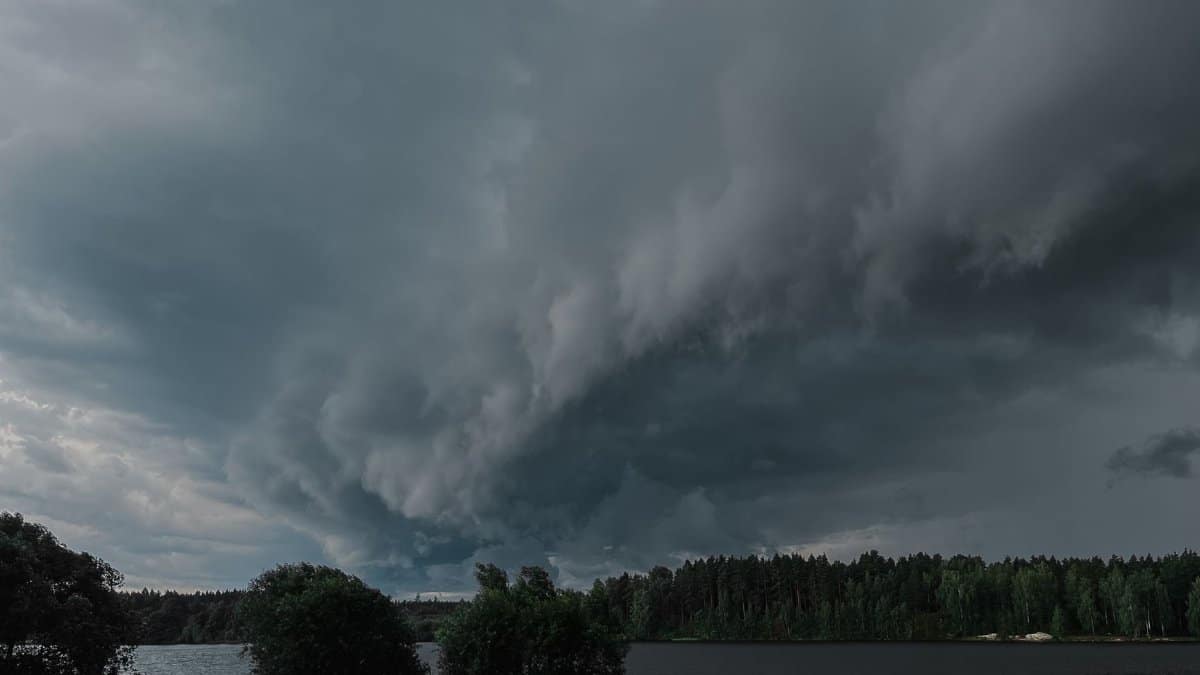
Extended rainfall created pools of water in yards and along streets that served as perfect spots for eggs to hatch. Temperatures stayed high enough to speed up the life cycle of several species. Experts point out that such conditions have appeared before yet the duration this year produced greater numbers than expected. Data from monitoring stations showed consistent moisture levels from June through August that supported rapid growth. This pattern reminds observers that small changes in climate can lead to noticeable shifts in everyday environments.
Effects on Local Parks and Recreation
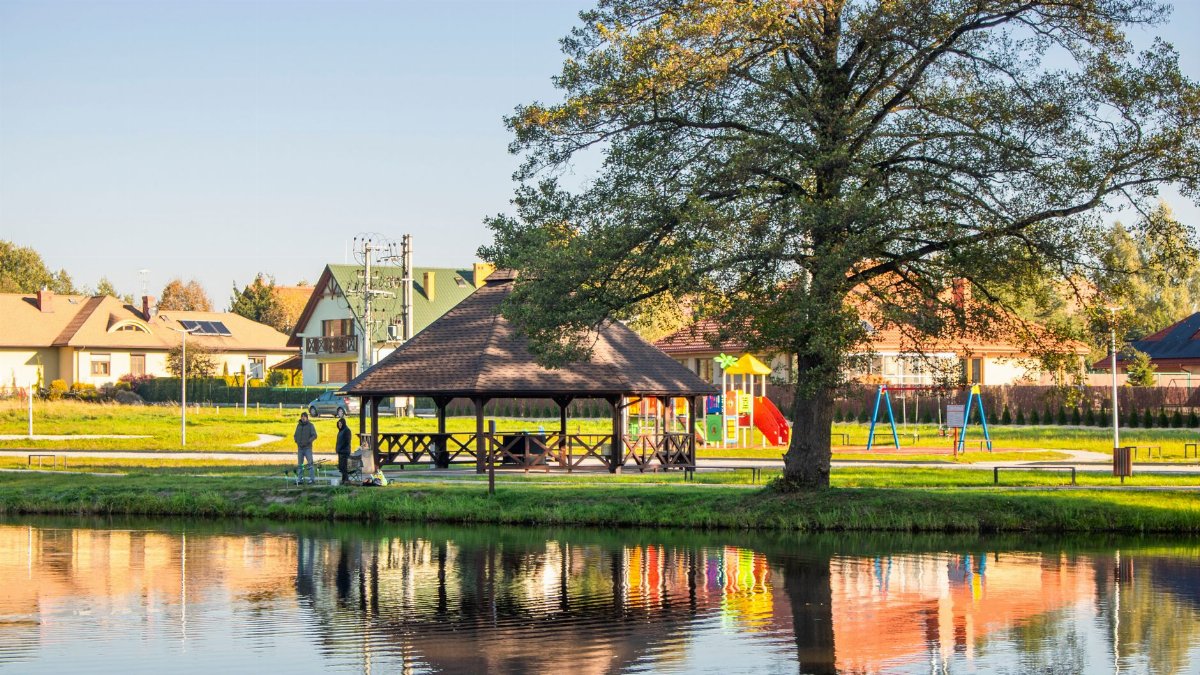
Visitors to green spaces found themselves cutting short walks and picnics because of persistent biting. Ball fields and trails saw fewer evening users as people adjusted schedules to daylight hours. City records indicate a drop in permit requests for outdoor events during peak swarm times. Maintenance teams responded by clearing debris that held water while also posting notices at entrances. These steps helped some areas but the overall presence remained strong in spots near the water.
Public Health Considerations

Health officials tracked reports of irritation and allergic reactions linked to bites. They stressed the value of simple barriers such as long sleeves and screened windows. No widespread illness surfaced yet the volume of complaints rose enough to prompt extra education campaigns through community centers. Doctors advised checking for standing water near homes each week. Such vigilance reduces personal exposure while supporting broader control efforts.
Community Responses and Measures

Neighborhood groups organized clean up days to remove containers and tires that collect rain. Local stores reported higher sales of protective sprays and netting. Some residents experimented with natural options like citronella plants around patios. Feedback from participants showed mixed results yet the shared activity built awareness. Officials welcomed these initiatives as they stretched limited municipal resources.
Signs from the Natural World

Many see the current insect surge as a prompt to reflect on human reliance on balanced ecosystems. The sudden visibility of small creatures highlights how urban life remains tied to seasonal rhythms. Spiritual traditions often view such events as calls to humility and care for surroundings. Discussions in faith based circles have touched on gratitude for the ability to adapt while respecting limits set by weather. This perspective adds depth to practical steps taken by individuals.
Comparisons to Previous Seasons
Records from earlier years show milder outbreaks when rainfall stayed below average. The contrast this season stands out for its consistency across multiple weeks. Long term residents recall similar events in the distant past but note that city growth has changed where water collects. These differences affect how quickly populations can expand. Tracking tools now provide clearer pictures than before allowing faster reactions.
Advice for Residents

Simple habits make a difference such as emptying bird baths regularly and keeping gutters clear. Evening gatherings benefit from fans that disperse insects and from lighting that does not attract them. Families with children focus on covering skin during outdoor play. Community workshops offer guidance on safe products and timing for yard treatments. Following these ideas helps maintain comfort without major lifestyle changes.
Future Outlook for Insect Populations
Projections suggest that cooler fall temperatures will reduce activity within weeks. Yet the lessons from this summer point toward better planning for wet periods ahead. Investments in drainage improvements and monitoring could limit future intensity. Residents and leaders alike recognize that ongoing attention yields better outcomes than reactive measures alone. The experience leaves the region better prepared for whatever weather arrives next. Chicago mosquitoes swarm has served as a reminder of nature influence while also showing the value of collective action. The total count of such events remains low but each one reinforces the need for awareness. Chicago mosquitoes swarm appears in conversations whenever conditions align again. Chicago mosquitoes swarm stands as a marker of the summer just passed.