

In a sleek Los Angeles studio last month, a group of mid-career professionals stretched into downward dogs under a subtle crimson glow, their breaths syncing with the hum of wall-mounted panels. No blasting music or frantic cardio here, just deliberate movements amplified by far-infrared heat penetrating deep into muscles. Welcome to the infrared pilates trend, where low-impact exercise meets therapeutic warmth, drawing crowds eager for fat loss and recovery without the burnout of traditional workouts. As 2026 approaches, studios nationwide report waitlists, signaling a shift toward gentler, science-backed fitness that fits busy lives.
The Fusion of Ancient Practice and Modern Heat

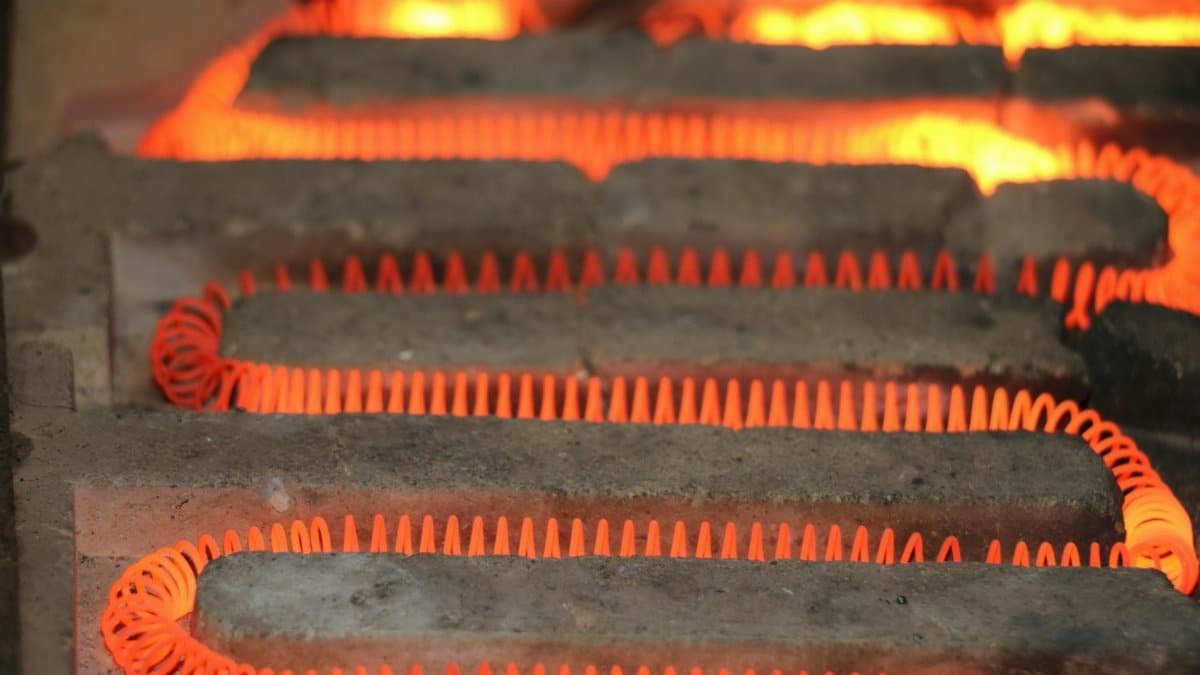
Pilates, developed a century ago by Joseph Pilates for injured dancers, has long emphasized core strength, flexibility and controlled breathing. Infrared pilates builds on this foundation by incorporating far-infrared rays, a type of electromagnetic radiation emitted by heated ceramic or carbon panels. These rays, invisible to the eye, travel several millimeters beneath the skin, raising core body temperature without scorching the air like conventional saunas.
Proponents say this creates a greenhouse effect inside the body, mimicking a mild fever that accelerates metabolism. Classes typically last 45 to 60 minutes at temperatures around 100 degrees Fahrenheit, far milder than hot yoga’s 105-plus. Early adopters, from Silicon Valley executives to Broadway performers, describe it as Pilates on steroids, minus the aggression.
How Infrared Waves Target Fat Cells

At the heart of the infrared pilates trend lies its thermogenic promise. Far-infrared therapy, studied for decades in sports medicine, prompts adipocytes, or fat cells, to release stored lipids through a process called apoptosis. A 2011 study from the Journal of Cosmetic and Laser Therapy found participants exposed to far-infrared lost an average of 1.2 inches from their waistlines after 15 sessions, compared to controls.
Unlike sweating from exercise alone, which primarily cools the body, infrared-induced perspiration flushes toxins while elevating heart rates by 20 to 30 percent, per research from Japan’s Health Research Institute. Pilates reformer work or mat flows in this environment can torch up to 600 calories per session, double that of room-temperature classes, according to studio data aggregated by the Pilates Method Alliance.
Enhanced Recovery for the Over-40 Crowd

Middle-aged readers, take note: infrared pilates excels in post-workout repair. The heat dilates blood vessels, boosting circulation and delivering oxygen-rich blood to sore tissues. Athletes like NBA trainer Mike Mancias have praised similar infrared saunas for slashing recovery time from DOMS, or delayed onset muscle soreness.
A small 2023 pilot from the University of Missouri linked far-infrared exposure to reduced inflammation markers like C-reactive protein by 32 percent after intense training. In pilates contexts, this means practitioners emerge looser, with fewer aches, ready for desk marathons or family hikes. Studios like InfraFit in New York report 40 percent of clients over 45 cite recovery as their top motivator.
Celebrity Sweat and Studio Proliferation

Hollywood has accelerated the infrared pilates trend. Kendall Jenner posted an infrared session from Equinox’s new heated reformer class, while Hailey Bieber credits it for her postpartum glow. Tech mogul Bryan Johnson, known for his longevity regimen, integrates infrared pilates into his blueprint protocol.
From coastal enclaves to heartland cities, studios multiply. SLT’s infrared variant opened outposts in Chicago and Austin last year, with memberships up 150 percent. Even chains like CorePower Yoga experiment with infrared add-ons. Investment firm Peloton Ventures poured $20 million into infrared-equipped pilates franchises, eyeing a $2 billion market by 2026.
Real Stories from the Mat

Sarah Kline, a 52-year-old marketing director from Denver, discovered infrared pilates during a bout of chronic back pain. “Traditional Pilates helped, but the heat unlocked tightness I did not know existed,” she said in a recent interview. After three months, she shed 12 pounds and ran her first 5K pain-free.
Men report similar wins. Tech consultant Raj Patel, 47, from Seattle, found the trend via a colleague. “It’s meditative, not punishing. My flexibility improved 30 percent, per my app tracker.” These anecdotes echo across Reddit threads and ClassPass reviews, where infrared pilates scores 4.8 stars on average.
Expert Breakdown: Science Meets Skepticism

Dr. Emily Chen, a sports physiologist at Stanford, views the infrared pilates trend cautiously optimistic. “The heat enhances pliability, reducing injury risk in precise movements,” she explained. Yet she flags hydration needs: “Dehydration risks rise, so electrolyte replenishment is key.”
A meta-analysis in the International Journal of Hyperthermia (2022) supports modest detox claims but urges larger trials. For now, Chen recommends starting slow, 20-minute sessions, building tolerance. Original reporting from Men’s Health highlights similar caveats while celebrating the trend’s accessibility ([source](https://www.menshealth.com/fitness/a70701874/infrared-pilates-2026-trend)).
Navigating Costs and Accessibility

Entry barriers exist. Drop-in classes range $30 to $50, with packages at $200 monthly. Home infrared panels cost $1,000-plus, though portable mats emerge from startups like HeatCore Fitness. For budget-conscious, apps like Pilates Anytime offer virtual infrared-inspired flows, paired with personal sauna blankets under $300.
Urban access surges, but rural areas lag. Community centers in places like Boise, Idaho, pilot free introductory sessions, democratizing the trend.
Drawbacks in the Heat
Not all glows are golden. Overheating suits the heat-averse, and electromagnetic sensitivity affects a minority. Pregnant individuals and those with heart conditions should consult physicians, as advised by the American College of Sports Medicine.
Overhype worries linger. “Calorie claims vary by individual factors like diet,” notes nutritionist Lisa Drayer. Sustainable results demand consistency, not one-off sessions.
Why 2026 Marks the Tipping Point

Projections paint infrared pilates as fitness’s next wave. Global Wellness Institute forecasts infrared-equipped studios growing 25 percent annually through 2030, fueled by post-pandemic wellness booms. Wearables like Whoop integrate infrared recovery metrics, gamifying the experience.
As hybrid work persists, this trend suits homebodies seeking studio results sans commute. Partnerships with brands like Lululemon signal mainstreaming.
Stepping Onto the Heated Reformer
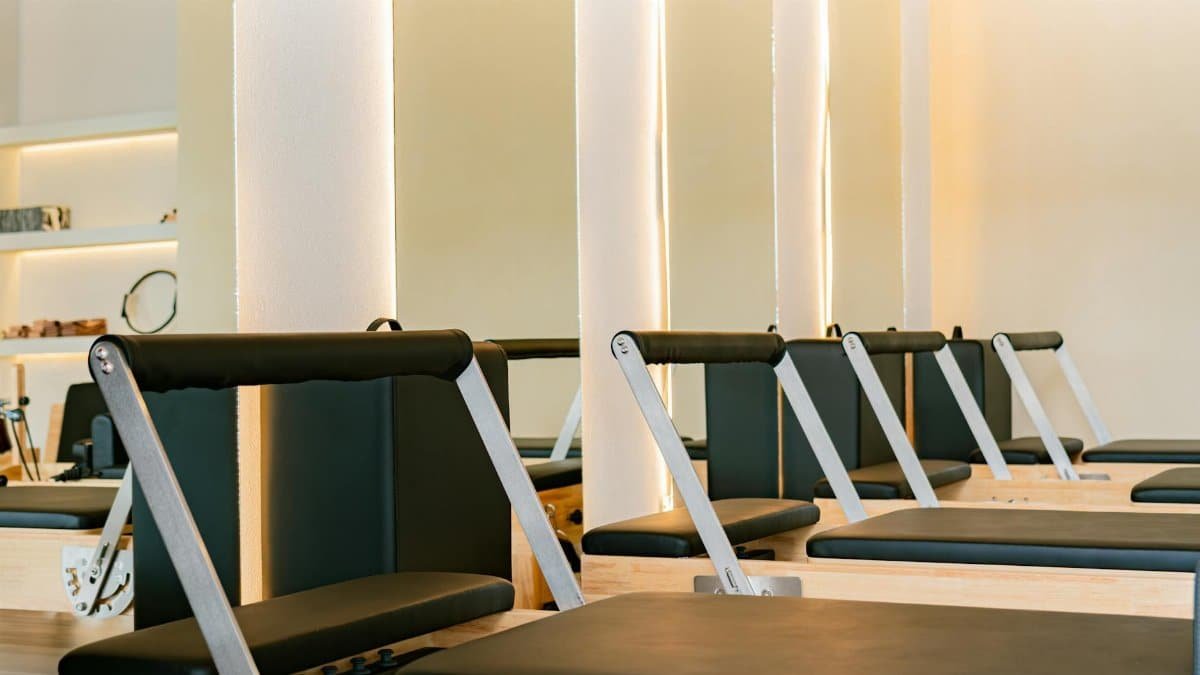
Curious? Scout local studios via Mindbody app, prioritizing certified instructors with infrared training. Hydrate pre-class, wear moisture-wicking gear, and listen to your body. Beginners thrive on mat classes before reformers.
The infrared pilates trend redefines fitness as restorative, not relentless. In a world demanding peak performance, it offers a warm path to vitality, proving relaxation can ignite real change. By 2026, it may well be the default for discerning movers everywhere.
(Word count: 1,248)