
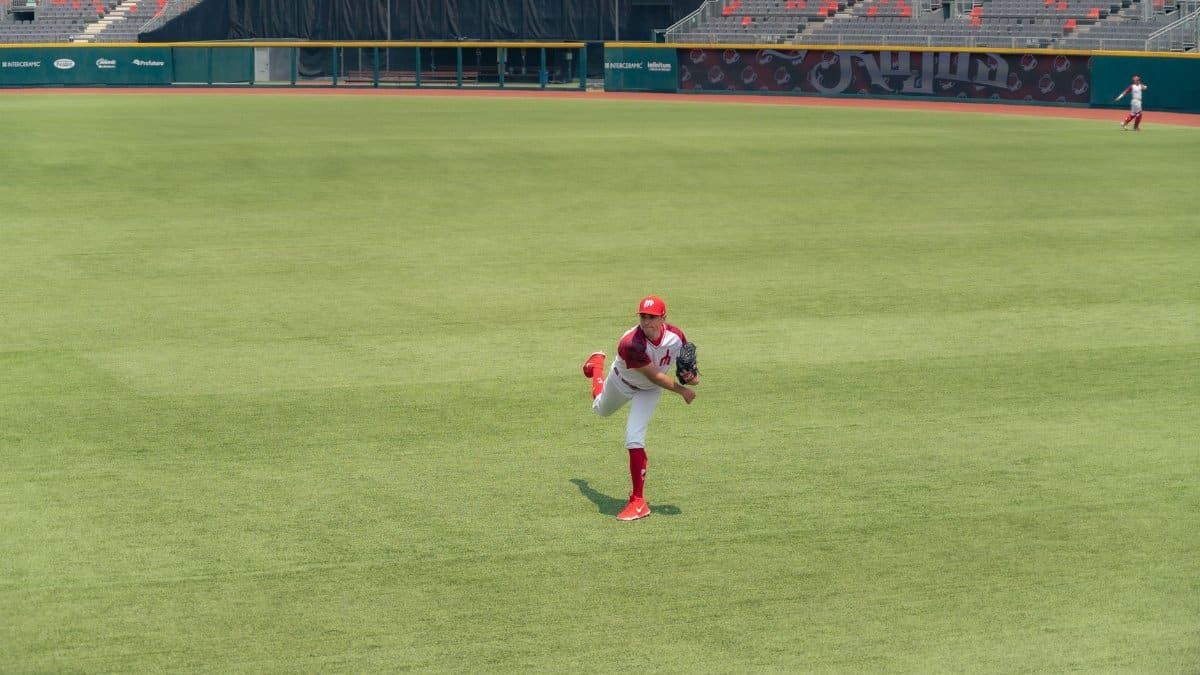
The announcement of a new independent baseball team settling into Blaine baseball stadium marks a significant shift for the northern suburb. As part of a larger seven hundred fifty million dollar redevelopment near the National Sports Center, this venue promises to reshape local commerce and daily routines for residents who have long watched the area evolve from open fields into a bustling hub. The project draws attention because it blends recreation with urban renewal in ways that echo broader trends across the Twin Cities region.
Project Scale and Initial Vision
Developers have outlined plans that extend well beyond the playing field itself. The stadium forms the centerpiece of a mixed use district designed to attract visitors year round. Local officials note that the seven hundred fifty million dollar investment will support retail spaces, housing options, and improved transit links that connect directly to existing highways. This approach aims to create a self contained environment where families can enjoy games without traveling far from home.
Role of the Independent Team
The independent club chosen to anchor Blaine baseball stadium brings a fresh competitive presence to the schedule. Unlike major league affiliates, this squad operates with greater flexibility in roster decisions and marketing strategies. Team executives have emphasized community outreach programs that include youth clinics and affordable ticket packages aimed at middle income households.
Economic Ripple Effects Nearby
Business owners along the adjacent corridors anticipate increased foot traffic once construction wraps up. Restaurants and shops expect higher sales on game days, while property values in surrounding neighborhoods may rise as the development gains visibility. Planners project hundreds of permanent jobs tied to stadium operations and related services.
Integration With National Sports Center
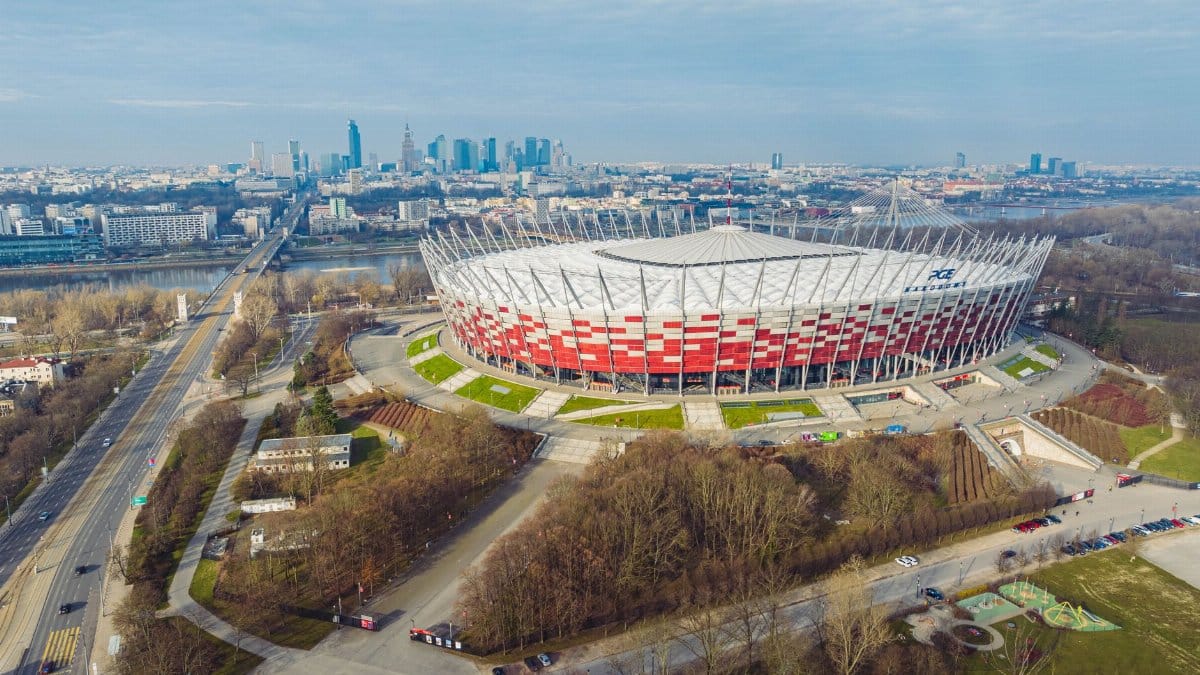
Proximity to the established National Sports Center allows for shared resources and coordinated events. Organizers envision joint tournaments that draw athletes from across the Midwest, boosting regional tourism. The layout incorporates pedestrian pathways that link the two sites, reducing reliance on cars for short trips between venues.
Public Input and Planning Process
City leaders held multiple forums to gather feedback from longtime residents before finalizing designs. Concerns about traffic congestion and noise levels prompted adjustments such as expanded parking structures and sound barriers along key boundaries. These steps reflect an effort to balance growth with quality of life considerations.
Future Expansion Possibilities

Room remains in the master plan for additional phases that could include entertainment complexes or office buildings. Officials have signaled openness to private sector proposals that align with the overall goal of creating a vibrant downtown core. Monitoring of early usage data will guide decisions on what comes next.
Broader Regional Context
Similar stadium driven projects in other suburbs have shown mixed results depending on management and surrounding amenities. Blaine benefits from strong existing infrastructure and a growing population base that supports sustained attendance. Comparisons to successful models elsewhere highlight the importance of consistent programming beyond the regular season.