
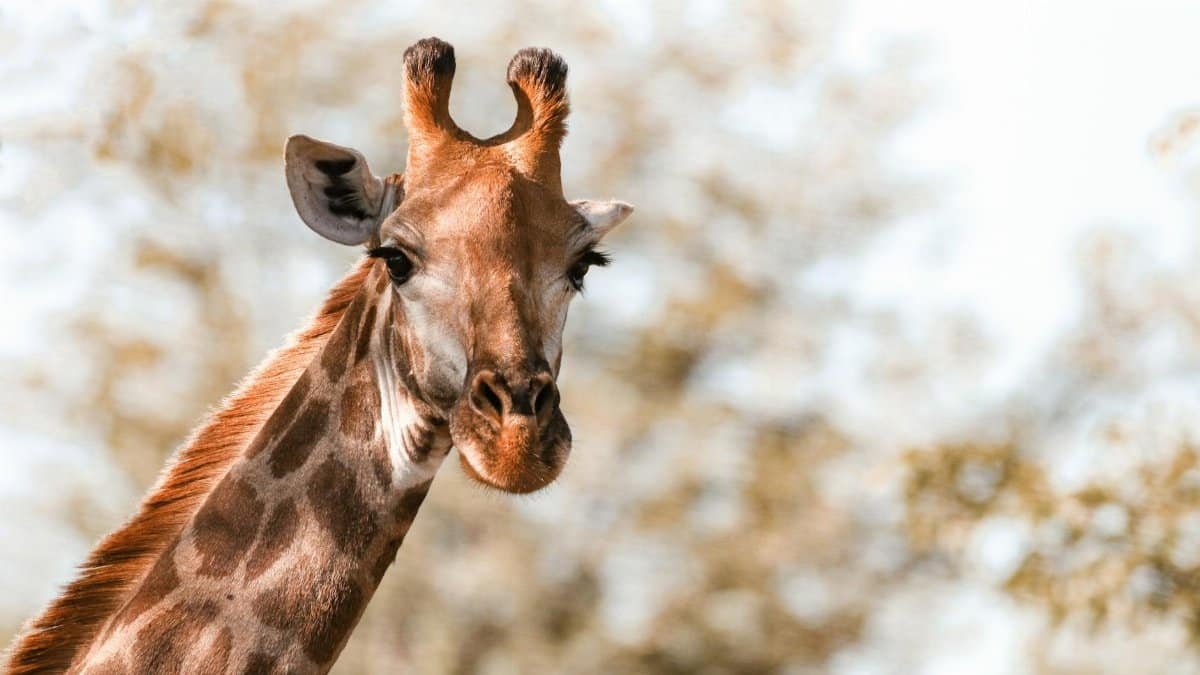
The sun rose over the Kenyan savanna painting the acacia trees in golden light. In this serene setting a female giraffe had been standing quietly for hours. Then the moment arrived. A local photographer named Samuel Kipchoge who had been patiently waiting captured the incredible scene of a giraffe giving birth standing. The video shows the calf emerging and dropping to the ground before quickly attempting to stand on its own long legs. This footage has captivated audiences globally not just for its rarity but for the profound sense of life affirming energy it conveys.
Many viewers have commented on the spiritual quality of the images. It seems to speak to something deeper within us about the beauty and resilience found in nature. The event took place in a remote part of the country far from the usual tourist paths making the achievement even more special. Wildlife experts describe it as one of the clearest recordings of this natural process ever obtained in the wild.
A Remarkable Feat of Nature Captured on Film
The footage reveals every detail of the process from the initial signs of labor to the final moments of delivery. Kipchoge used specialized equipment to film from a safe distance so as not to disturb the animals. His dedication paid off in a way that has thrilled biologists and animal lovers alike. The mother giraffe remained calm throughout showcasing the incredible instincts these creatures possess.
After the birth the mother gently nudged her calf encouraging it to rise. Within minutes the young one was on its feet a testament to the rapid development necessary for survival in the wild. This particular instance of a giraffe giving birth standing highlights how these animals have adapted over millennia to their environment. The video has been studied by researchers seeking to understand every nuance of the behavior.
What strikes many observers is the quiet dignity of the scene. There is no panic only a steady progression of life unfolding as it has for countless generations. The clarity of the images allows viewers to feel almost present in the savanna witnessing something ancient and pure.
The Photographer Who Waited Patiently for This Moment
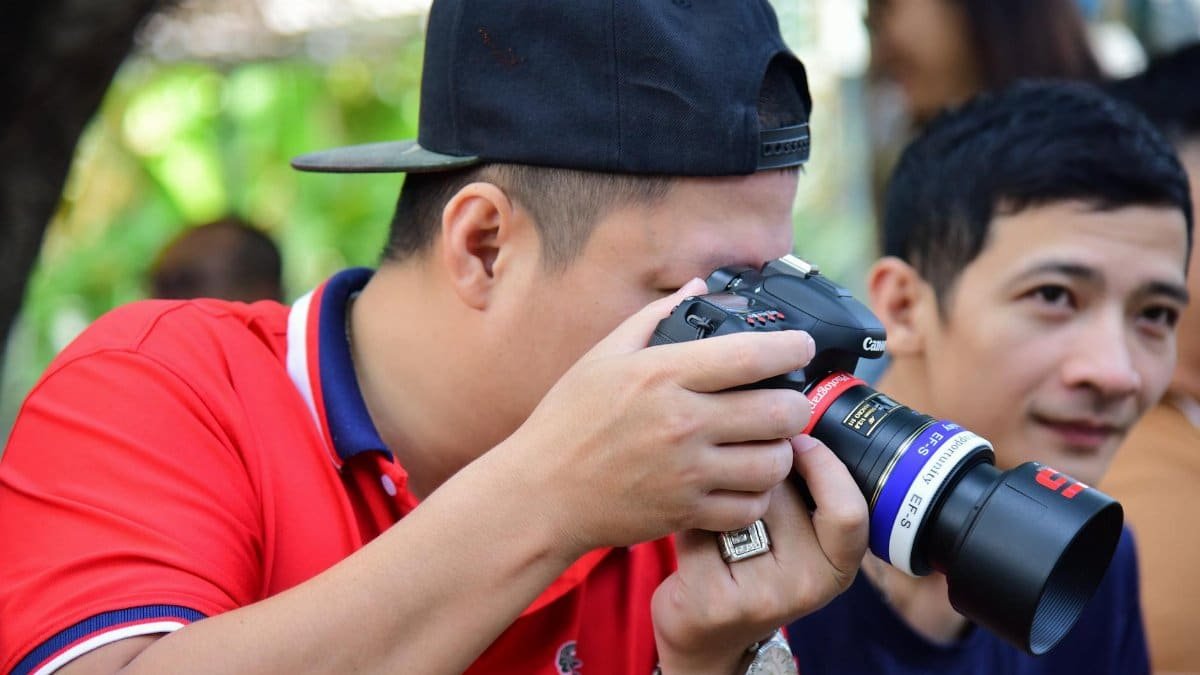
Samuel Kipchoge had tracked this particular herd for several weeks learning their patterns and movements. His commitment reflects a growing trend among African photographers who dedicate their lives to documenting wildlife with respect and patience. He knew that capturing a giraffe giving birth standing in the wild would require both skill and good fortune.
Kipchoge described the experience as humbling. He remained motionless for hours as the mother prepared for delivery. When the moment finally came he worked with steady hands to record multiple angles. The resulting video has been praised for its technical quality and ethical approach. He never interfered with the natural course of events.
His work adds to a rich tradition of Kenyan storytellers who use cameras to bridge the gap between urban audiences and the wild places that sustain our sense of wonder. The photographs and video have been shared by major news outlets including a detailed report from CNN.
Why Giraffes Give Birth in This Unique Manner
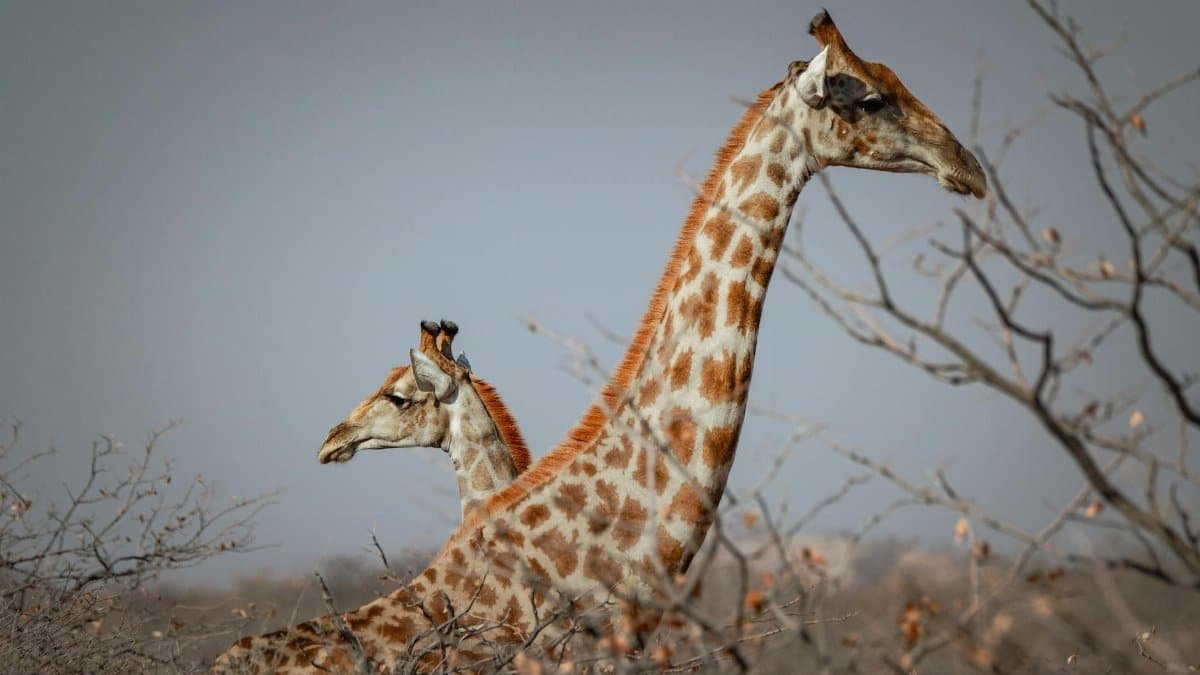
Scientists explain that giraffes deliver their calves while standing as a practical adaptation to life on the plains. The drop helps stimulate the newborn to take its first breaths and encourages quick mobility. Unlike many mammals that seek shelter giraffes give birth in open areas where they can maintain vigilance against predators.
This method has evolved over vast periods of time. The calf falls several feet yet sustains no injury thanks to the protective amniotic sac and the cushioning effect of soft ground. The mother then uses her long neck and tongue to clean and stimulate the baby. These behaviors demonstrate a sophisticated survival strategy perfected by evolution.
Researchers from wildlife institutes continue to study these patterns. They note that the standing position allows the mother to flee quickly if danger appears protecting both herself and her vulnerable offspring. The footage provides valuable data for ongoing biological research.
The Immediate Challenges for the Newborn Calf
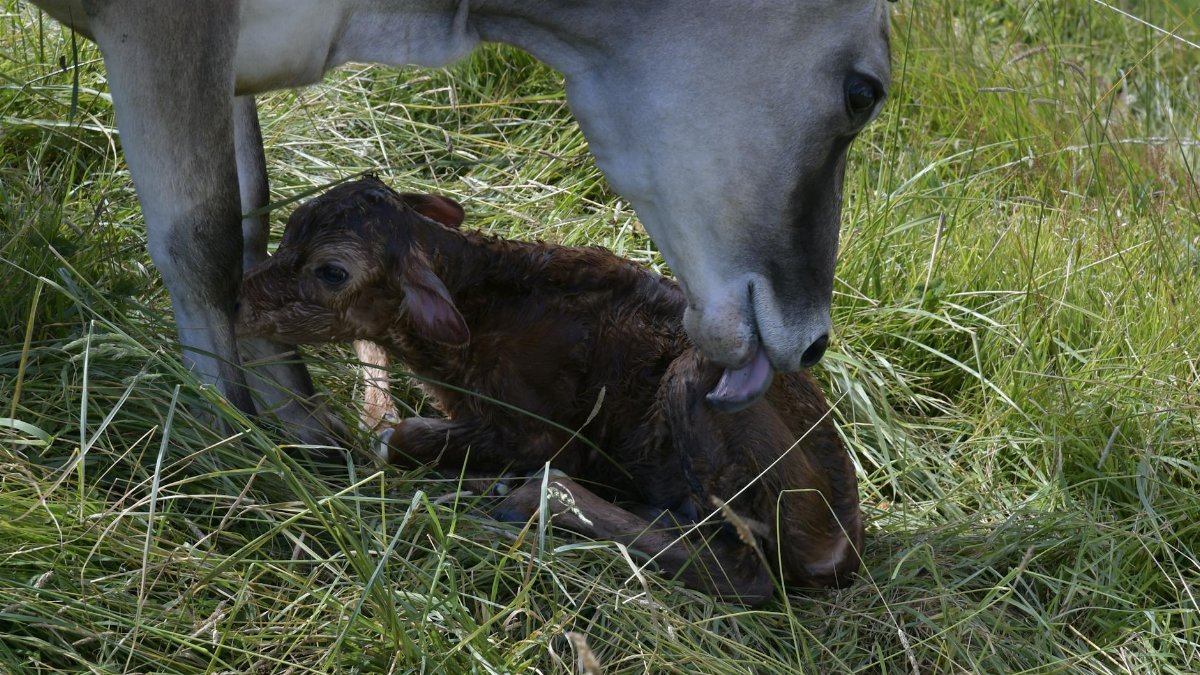
Life for a newborn giraffe is perilous from the first moments. The calf must stand and walk within hours to keep up with the herd. Predators such as lions and hyenas patrol these same grasslands making speed and coordination essential for survival. The video captures the calfs determined attempts to find its balance.
Mothers remain protective during this critical period staying close and using their powerful kicks to defend their young. Only about half of giraffe calves reach adulthood according to long term field observations. This reality adds depth to our appreciation of the successful birth shown in the footage.
Conservation groups emphasize that understanding these early challenges helps inform protection strategies. By preserving enough open space and reducing human interference we give future generations of giraffes a better chance to thrive.
Global Reactions to This Extraordinary Video
Since its release the footage has sparked widespread conversation across social media and news platforms. People from diverse backgrounds have expressed amazement at the power and grace displayed. Many describe feeling moved in ways they did not expect describing the images as almost sacred.
Wildlife organizations have used the video to raise awareness about the declining giraffe populations across Africa. The visual power of a giraffe giving birth standing seems to connect with viewers on an emotional level that statistics alone cannot achieve. Donations to conservation projects have increased following its circulation.
Educators have incorporated the material into classrooms noting how it engages students curiosity about biology and ecology. The universal response suggests that certain natural events possess the ability to transcend cultural boundaries and speak directly to our shared humanity.
Exploring the Spiritual Dimensions of Animal Birth
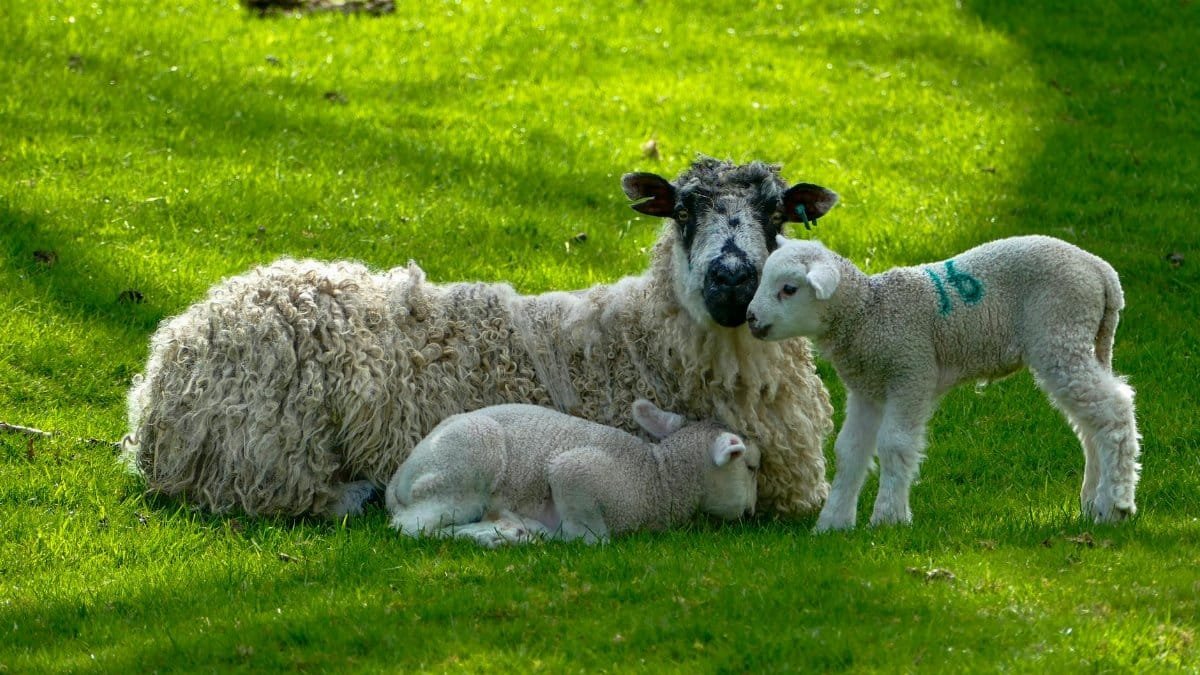
This event invites reflection on the sacred nature of birth itself. Across many spiritual traditions the arrival of new life is seen as a manifestation of something greater than ourselves. Watching a giraffe giving birth standing in the wild can evoke similar feelings of reverence and humility.
Indigenous communities in East Africa have long viewed giraffes as symbols of grace and foresight. Their towering height allows them to see what others cannot much like spiritual insight provides perspective on daily struggles. The birth process with its combination of vulnerability and strength mirrors many human experiences of faith and endurance.
Religious scholars and nature writers alike have commented on how such moments remind us that miracles occur beyond human control. The quiet power of the mother giraffe standing tall as she brings forth life offers a visual metaphor for resilience and trust in the natural order.
Conservation Efforts to Protect These Majestic Beings
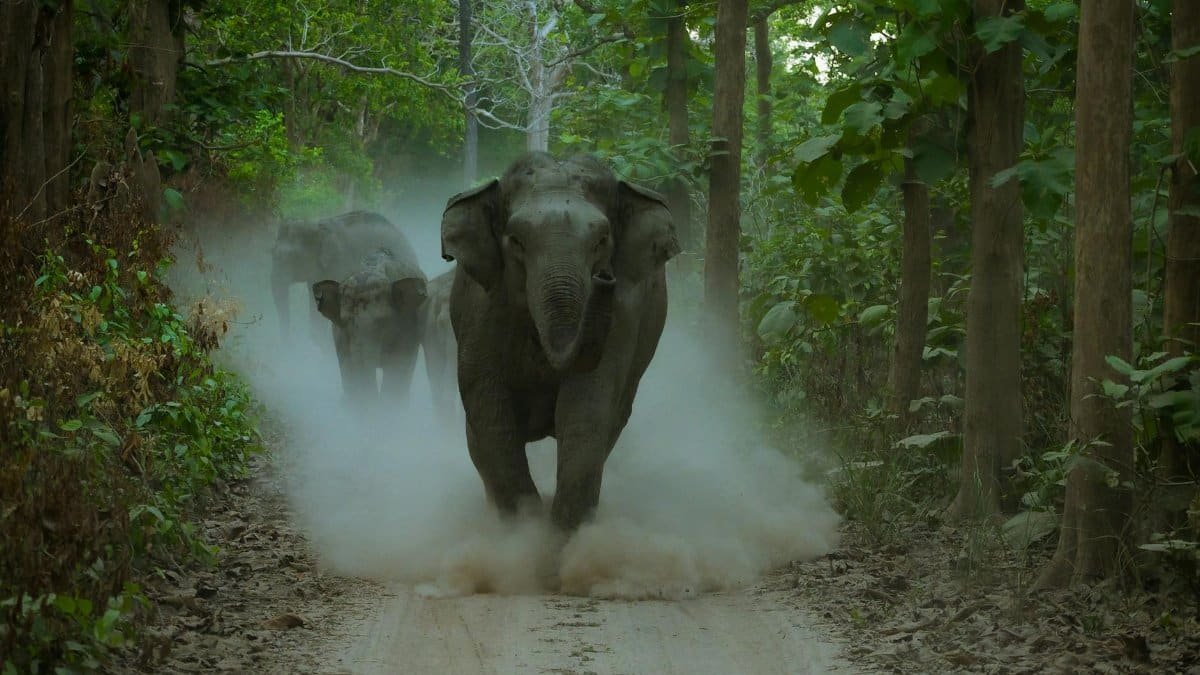
Giraffes face multiple threats including habitat loss and poaching. Organizations throughout Kenya and neighboring countries work tirelessly to create protected corridors and educate local communities. The viral video has brought renewed attention to these ongoing initiatives.
The Giraffe Conservation Foundation has led efforts to monitor populations and develop sustainable tourism models that benefit both wildlife and people. Their work demonstrates that economic development and species protection can support rather than oppose each other when managed thoughtfully.
International agreements and local partnerships continue to expand. Each successful birth like the one documented by Kipchoge represents hope for the future of the species. Protecting the landscapes where these events occur ensures that future generations will also witness such wonders.
Lessons Humanity Can Draw from the Natural World
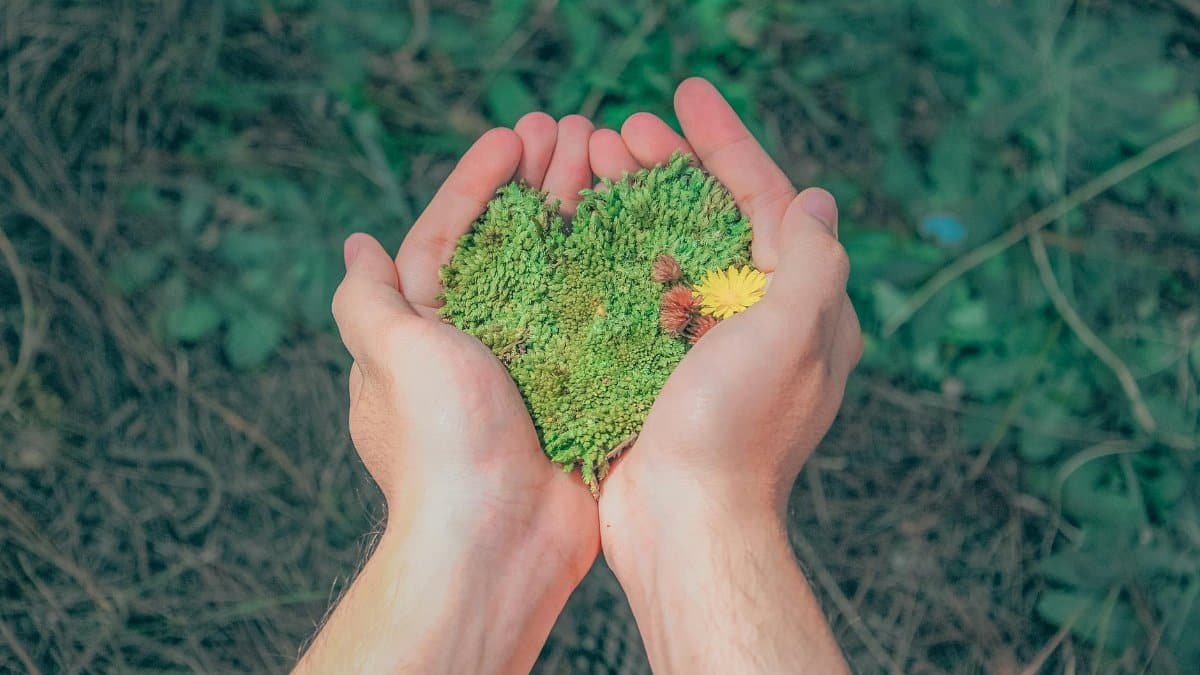
The footage encourages us to consider our own place within the web of life. In an age of constant distraction the patient unfolding of this birth offers a different rhythm one based on instinct patience and presence. Many who watch it report feeling inspired to slow down and appreciate the everyday miracles around them.
Parents in particular have shared how the mothers calm determination resonates with their experiences of bringing children into the world. The giraffes example of strength combined with gentleness provides a model worth contemplating regardless of ones background or beliefs.
Environmental philosophers suggest that reconnecting with such raw expressions of nature can foster greater responsibility toward the planet. When we witness life at its most elemental we become more likely to protect the conditions that make that life possible.
Advances in Technology Aiding Wildlife Observation
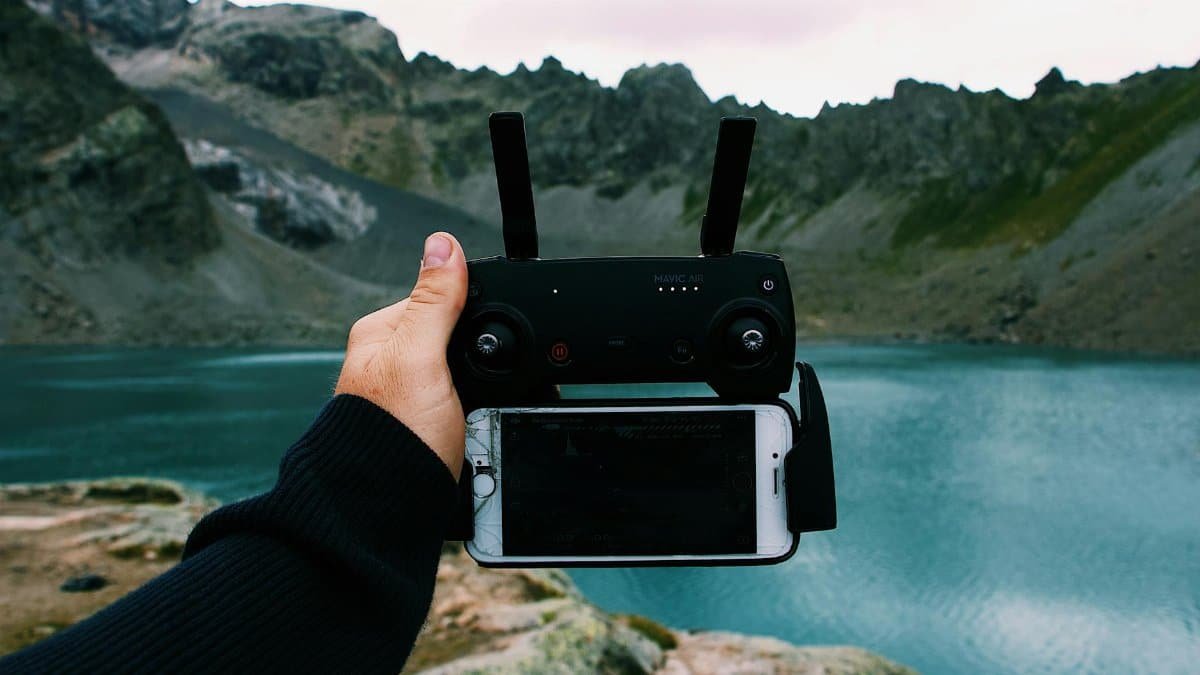
Modern cameras drones and remote sensing tools have transformed our ability to document animal behavior without intrusion. Kipchoges success demonstrates how these advances when used respectfully can reveal secrets once hidden from human eyes. The resulting knowledge benefits both science and spiritual appreciation of the natural world.
High resolution video allows researchers to analyze movements frame by frame while audiences experience the events emotional impact. This dual benefit explains why wildlife filmmaking has gained prominence in recent years as both educational tool and source of inspiration.
Future innovations promise even greater insights while maintaining the essential distance that allows animals to behave naturally. The balance between technology and respect remains crucial to producing authentic records of events like a giraffe giving birth standing.
Looking Ahead to More Discoveries in the Wild
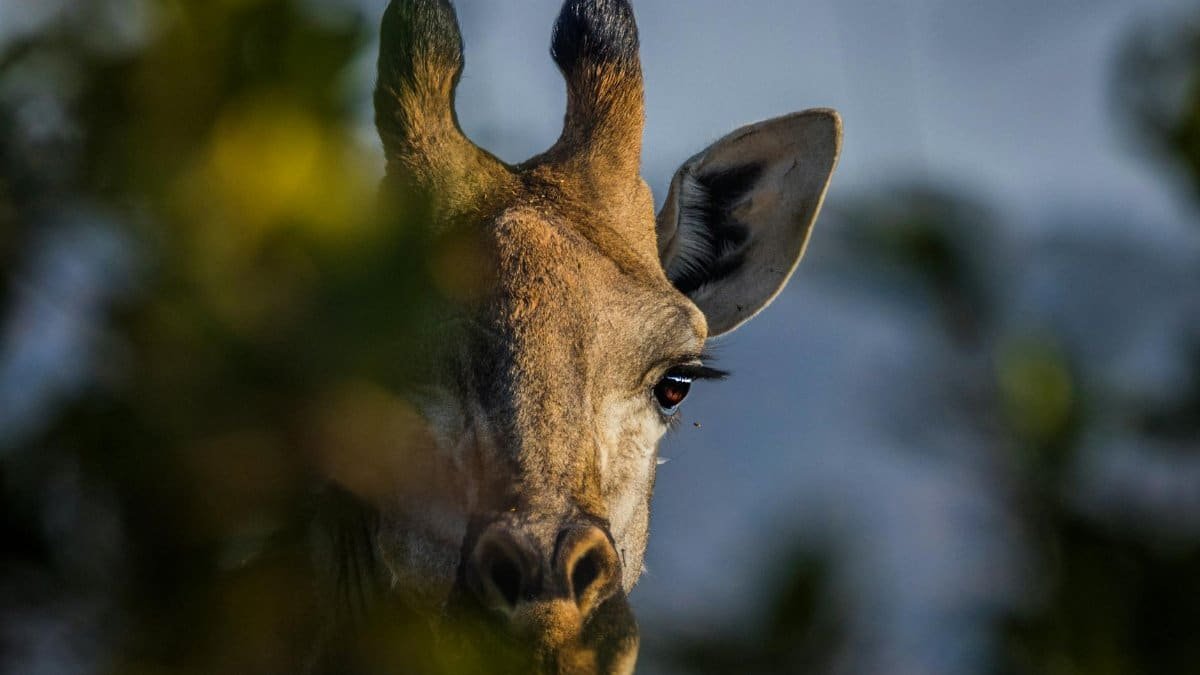
This single video represents only a fraction of the untold stories playing out daily across African landscapes. As conservation areas expand and monitoring techniques improve we can expect to witness many more intimate moments in the lives of wild animals. Each discovery deepens our collective understanding and wonder.
The spiritual dimension of these encounters may prove as valuable as the scientific data they provide. In a fragmented world images of seamless connection between mother and calf offer reassurance that the circle of life continues despite our many challenges.
Samuel Kipchoge plans to return to the same region hoping to document additional aspects of giraffe behavior. His work and that of countless others reminds us that the natural world still holds profound lessons for those willing to observe with patience and open hearts. The birth of one calf standing tall on the Kenyan plains becomes an enduring symbol of hope renewal and the quiet majesty of creation.