

In the manufacturing heartland of Illinois a notable development has emerged that touches on issues of fairness, dignity and economic justice. Two filter producing companies have agreed to a settlement amounting to 158000 dollars following allegations of unfair labor practices. This illinois filter labor settlement brings to light the everyday realities for workers who assemble products we often take for granted such as air and water purification systems. The agreement with Arise Chicago, a workers center dedicated to improving conditions in low wage industries, represents more than just a financial transaction. It speaks to the deeper quest for respect and equity in the American workplace and invites reflection on how these disputes connect to broader questions of human value that many faith traditions have long emphasized.
Workers Raise Concerns About Daily Conditions
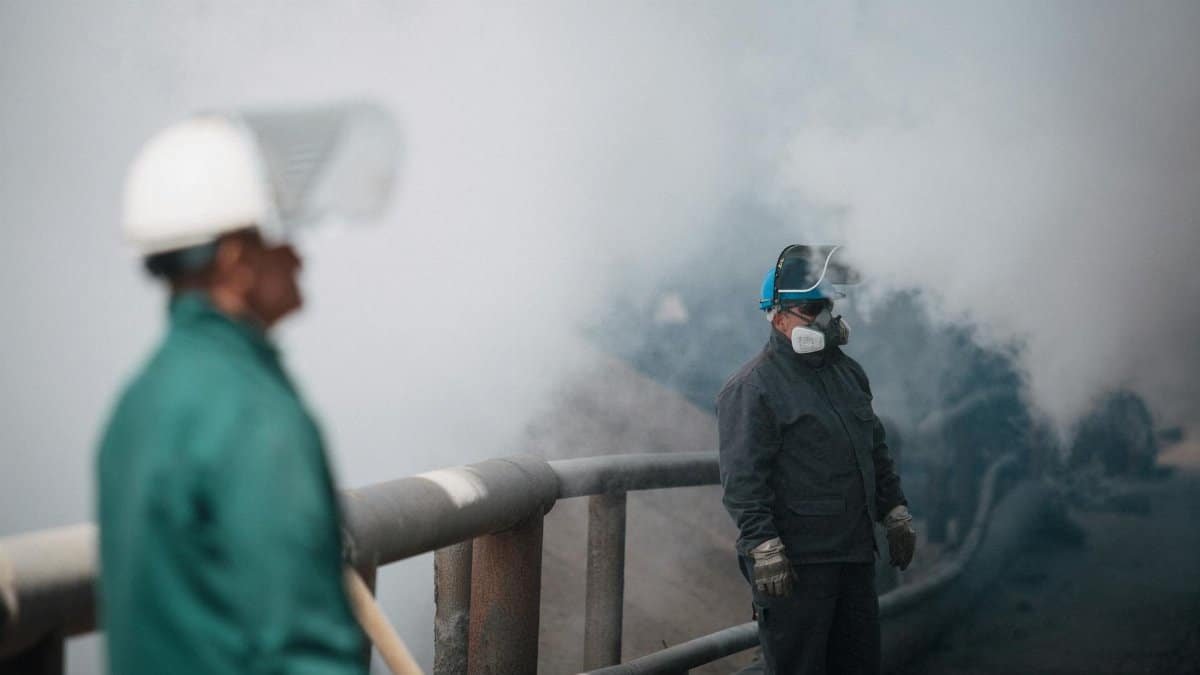
Employees at the two companies described environments where production quotas took precedence over basic needs. Many reported working extended shifts with insufficient breaks and limited access to clean water or rest areas. Safety training was described as inconsistent particularly when new chemical compounds were introduced into the production process. These accounts were not isolated complaints but part of a pattern that eventually drew outside attention.
One former assembler recalled feeling pressure to meet daily targets even when machinery required maintenance. Such stories are familiar across many industrial settings yet they carry particular weight in essential industries that supply hospitals and schools with clean air technology. The workers persistence in documenting these issues laid the groundwork for formal action and eventual resolution.
Advocates note that when employees feel heard the entire community benefits. In this instance their willingness to speak created momentum that transformed individual experiences into a collective call for change.
Corporate Response and Initial Resistance

Lesac Corporation and Filter Technology initially pushed back against the complaints asserting that their policies met or exceeded industry standards. Company representatives emphasized their contributions to the local economy and the technical sophistication of their products. For several months negotiations stalled as each side presented competing views of workplace conditions.
Yet as evidence accumulated including internal records and witness statements the companies appeared to recalibrate their approach. Legal counsel for both firms began exploring pathways to resolution rather than prolonged litigation. This shift reflects a pragmatic recognition that extended disputes can damage reputation and disrupt operations in ways that outweigh the costs of settlement.
The transition from resistance to negotiation illustrates how sustained advocacy can alter power dynamics even when resources appear unequal. Middle aged workers with families depending on steady paychecks often bear the heaviest burden during such conflicts which is why outcomes like this one resonate so widely.
Arise Chicago Builds a Coalition for Change

For more than twenty years Arise Chicago has supported workers who lack traditional union representation. The organization combines legal expertise with community organizing to amplify voices that might otherwise go unheard. In this case the group helped workers file complaints with the National Labor Relations Board while simultaneously engaging local leaders and faith communities.
Their methodical approach included gathering affidavits conducting educational workshops and maintaining consistent communication with affected families. This comprehensive strategy proved effective in moving the case forward and securing meaningful concessions. Arise Chicago has become known for its ability to connect labor issues with wider concerns about economic fairness and community stability.
The organizations success here adds to a growing body of work demonstrating that targeted advocacy can produce results even in challenging economic climates. Their efforts remind us that systemic change often begins with persistent organized action at the local level.
Legal Framework Behind the Allegations

The complaints centered on alleged violations of federal labor law including improper classification of workers and failure to provide overtime at required rates. Additional concerns involved health and safety protocols that did not fully align with Occupational Safety and Health Administration guidelines. These legal provisions exist to protect vulnerable employees from exploitation yet enforcement depends on workers willingness to come forward.
According to a report from the Economic Policy Institute workplace violations have increased in manufacturing sectors since the pandemic with many cases going unresolved due to fear of retaliation. View the full report here: Economic Policy Institute Wage Theft Study.
The illinois filter labor settlement avoids a full hearing before administrative judges but still carries the weight of accountability. Legal experts suggest such agreements can deter future violations by establishing clear expectations for compliance across similar businesses.
Reaching the Illinois Filter Labor Settlement

After months of back and forth discussions the parties arrived at an agreement valued at 158000 dollars. The sum will be distributed among affected workers as back pay and compensatory damages. Both companies also committed to policy adjustments including improved overtime tracking and enhanced safety training protocols.
Neutral mediators played an important role in facilitating dialogue and identifying mutually acceptable terms. The settlement includes provisions for ongoing compliance reviews which advocates hope will prevent recurrence of past problems. While no admission of wrongdoing was required the outcome still represents tangible progress for the employees involved.
Financial Restitution and Its Significance

For many workers the financial component provides more than supplemental income. It acknowledges the real economic harm caused by unpaid wages and stressful conditions. In an era of rising living costs even modest restitution can ease immediate pressures on family budgets and medical expenses.
Beyond the individual payments the settlement sends a message that labor standards carry financial consequences when ignored. Economists have long argued that fair compensation correlates with higher productivity and lower turnover. This case offers a practical example of that principle in action within the Illinois manufacturing corridor.
Spiritual Leaders Weigh In on Workplace Ethics

Religious communities across the Chicago area have taken notice of the illinois filter labor settlement viewing it through the lens of moral teaching. Pastors rabbis and other faith leaders have referenced scriptural calls for just compensation and the inherent dignity of labor. Many draw connections to the principle that each person bears the image of the divine and therefore deserves respect in all aspects of life including the workplace.
Interfaith statements issued after the agreement highlighted the shared conviction that businesses serve a public good and carry responsibilities beyond profit maximization. These perspectives resonate with middle aged readers who often balance career demands with deeply held spiritual values. The involvement of faith communities added moral authority to the workers cause and helped frame the dispute as an ethical rather than purely economic matter.
Such engagement reflects a growing trend of religious institutions addressing contemporary labor challenges with timeless principles of justice and compassion.
Implications for Other Illinois Manufacturers

Industry observers suggest this resolution may prompt other companies to review their own practices more carefully. The filter sector forms part of a larger manufacturing ecosystem in Illinois where similar conditions could exist. Business associations have encouraged members to treat the case as an opportunity for voluntary self assessment rather than waiting for formal complaints.
Smaller suppliers in particular may examine their overtime policies and safety procedures to avoid comparable conflicts. The settlement could accelerate conversations about best practices and collaborative approaches to workforce development in the region.
Building a Future with Stronger Protections

Looking ahead labor advocates call for legislative measures that would strengthen oversight and simplify the process for addressing grievances. Proposals include increased funding for enforcement agencies and protections against retaliation for workers who report violations. Such changes would create more balanced conditions for dialogue between employers and employees.
Education remains equally vital. Both companies have agreed to provide training that clarifies employee rights and managerial responsibilities. When knowledge replaces uncertainty workplaces tend to function more smoothly and humanely.
Why This Case Matters for Middle Class Families

For many middle aged readers this story connects directly to their own experiences or those of their adult children. Manufacturing jobs have traditionally offered pathways to economic security yet that promise has grown uncertain in recent decades. The illinois filter labor settlement represents a small but meaningful effort to restore some of that security.
Families depend on reliable income steady hours and safe environments. When these foundations weaken the effects ripple through communities affecting everything from school participation to health outcomes. By addressing these concerns the agreement contributes to broader stability that benefits everyone.
Trends in Labor Advocacy Across America
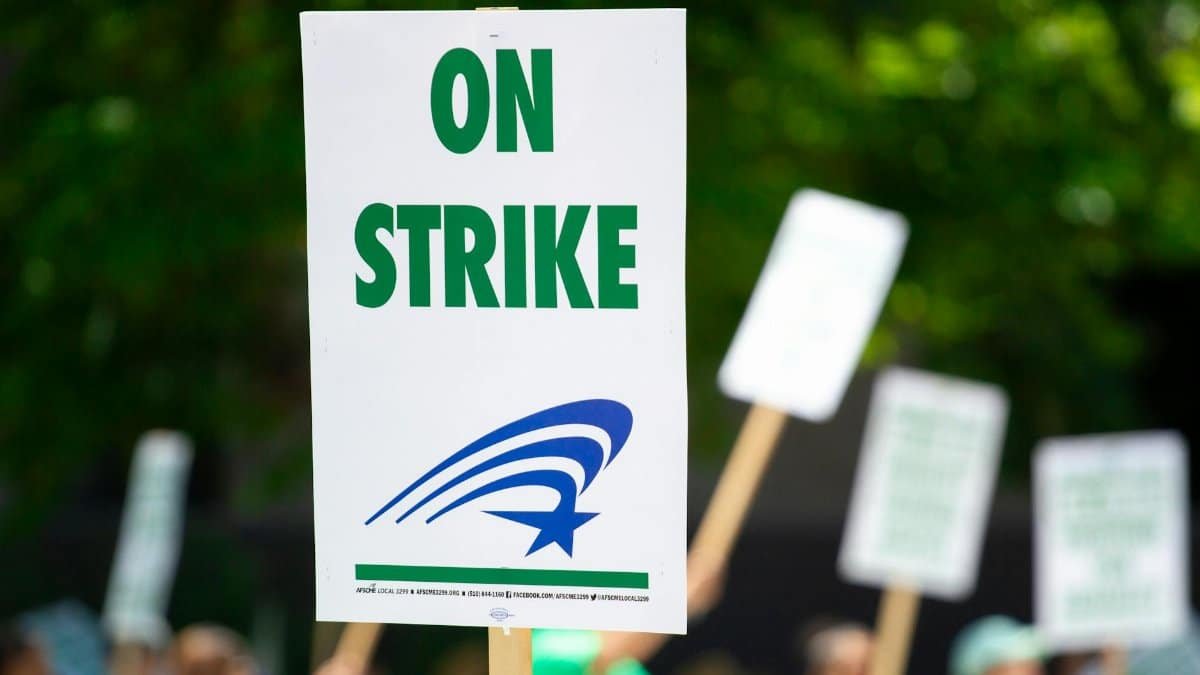
This local case fits within a national pattern of renewed attention to worker voice. From warehouse operations to healthcare facilities employees are finding new ways to advocate for dignity and fairness. Non profit organizations similar to Arise Chicago have expanded their reach while digital tools help connect isolated workers across geographic boundaries.
Scholars at the University of Illinois have tracked these developments noting increased success rates in cases that combine legal action with public narrative. Read their recent analysis here: University of Illinois Labor Research. The illinois filter labor settlement adds another data point to this evolving story.
As demographic shifts bring more workers into mid career stages with family obligations these issues will likely gain further prominence. The coming years may reveal whether this moment represents a temporary correction or the beginning of more systemic reform.
The resolution of this dispute ultimately points toward a simple truth. When society values the people who produce essential goods it strengthens the common fabric that holds communities together. In an age of rapid technological change remembering the human element remains as important as ever.