

In the heart of the Midwest a political battle is unfolding that could reshape the financial landscape of Illinois for years to come. Lawmakers from the Democratic Party are working diligently to place two significant questions before voters this fall. One centers on what advocates call the millionaire tax Illinois an effort to increase revenue by raising rates on the states highest earners. The other involves changes to how legislative districts are drawn. For many middle class families struggling with rising costs this proposal represents a chance to address long standing issues in education and healthcare without burdening those living paycheck to paycheck. The move comes as the state grapples with budget deficits and uneven economic recovery following the pandemic. At stake is not only the states financial health but also the principles of fairness and equity that many residents hold dear.
Democrats Drive for Ballot Access

Party leaders have spent months building coalitions and drafting language for the proposed amendments. Their goal is to secure a spot on the November ballot which would allow the public to weigh in directly on these matters. Proponents believe that the current tax system places too much of the burden on working families while the wealthy enjoy relatively low rates on investment income. By implementing changes supporters hope to create a system that better matches ability to pay with contributions to public needs. This is not a new idea. Similar efforts have surfaced in past legislative sessions but faced roadblocks from procedural requirements and political opposition. This time around the strategy involves gathering enough support to place the questions directly on the ballot bypassing some of the usual legislative hurdles. Democratic officials argue that voters deserve the opportunity to express their views on fundamental questions of revenue and representation especially after years of contentious budget standoffs.
Understanding the Millionaire Tax Illinois Proposal
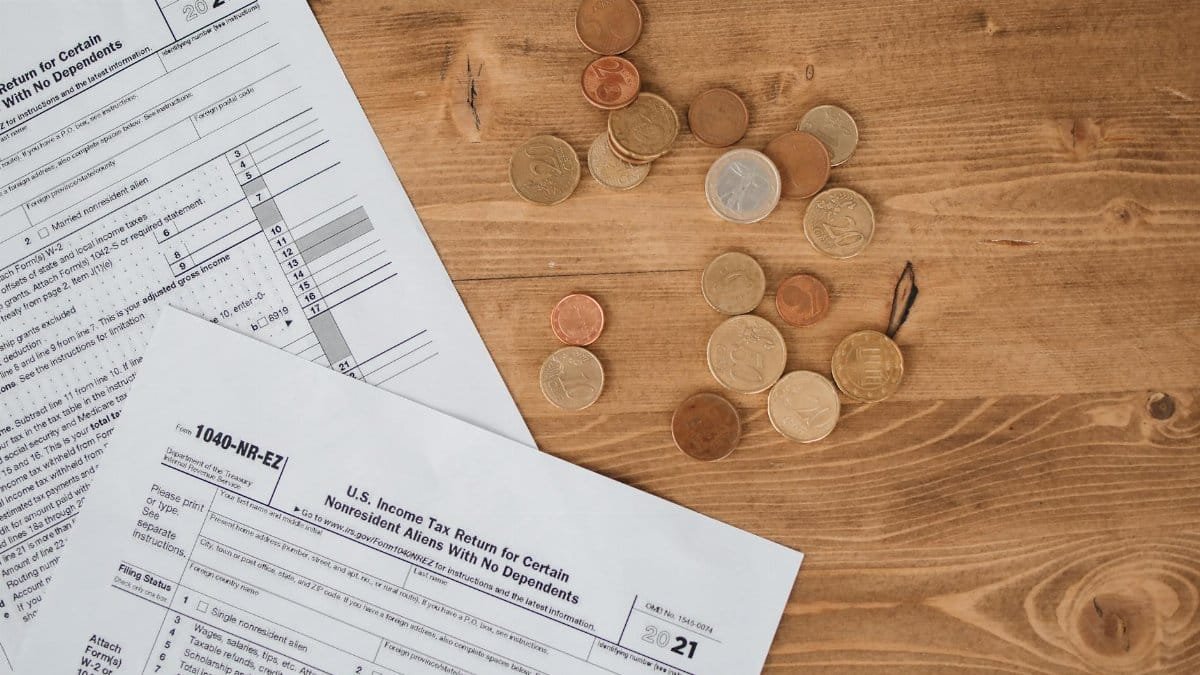
The core of the tax proposal would amend the state constitution to allow for higher income tax rates on individuals earning more than one million dollars annually. Currently Illinois has a flat tax rate which means everyone pays the same percentage regardless of income. This has long been a point of contention for progressives who argue it is regressive in nature because it does not account for vast differences in earning power. Under the new plan the rate for millionaires could rise to around eight percent or more depending on the final language approved for the ballot. Supporters say this change would bring in roughly eight hundred million dollars per year. That revenue stream could help stabilize the budget and invest in programs that benefit all residents from improved transit systems to better access to mental health services. Opponents counter that such a tax could drive high income individuals and businesses to leave the state for more favorable tax environments in neighboring states or beyond. The millionaire tax Illinois has thus become a flashpoint in broader conversations about economic mobility and fiscal responsibility.
The Redistricting Amendment in Focus

Alongside the tax question Democrats are also seeking to change the way electoral maps are drawn in the state. The current system has been criticized for allowing political parties to draw districts that favor their own candidates creating safe seats that reduce competition and voter engagement. The proposed amendment would establish an independent commission to handle redistricting taking the power away from the legislature and its inherent conflicts of interest. This is seen as a step toward more fair and competitive elections that could better reflect the diverse population across urban suburban and rural areas. Advocates believe it could reduce partisanship and lead to better representation for all communities. However getting voters to understand the complexities of redistricting may prove challenging in a crowded ballot season filled with other pressing matters. Clear communication about how independent mapmaking could strengthen democracy will be essential for the measure to succeed.
Historical Context of Tax Reforms

Illinois has a complicated history when it comes to tax policy. Efforts to move away from the flat tax structure date back decades with various governors and lawmakers proposing graduated systems only to see them stall in the legislature or fail at the ballot box. In two thousand twenty voters rejected a graduated income tax amendment amid heavy opposition from business groups and wealthy donors who framed it as a job killing measure. That defeat taught Democrats valuable lessons about framing the issue and building broader coalitions that include small business owners and community organizations. This latest attempt reflects a persistent belief among many elected officials that the state needs a more balanced approach to raising revenue one that asks more from those best positioned to contribute. The current push for the millionaire tax Illinois builds on that history while attempting to avoid past pitfalls through tighter messaging and targeted outreach to middle income voters.
Observers note that each cycle brings new economic realities from shifting industries to changing demographics that influence how these proposals are received. What remains constant is the tension between the desire for adequate funding for schools roads and social services and the fear that higher taxes might accelerate the exodus of talent and capital.
Business Community Raises Concerns

Many in the business community have expressed strong reservations about the proposed tax increase. They argue that Illinois already struggles with an image of being unfriendly to employers due to regulatory burdens and previous fiscal instability. Raising taxes on successful individuals could accelerate out migration to states like Florida and Texas which have no income tax and warmer business climates. A report from the Illinois Chamber of Commerce (https://ilchamber.org/economicimpact) suggests that the state could lose thousands of jobs if the measure passes. These concerns are not taken lightly by all lawmakers but Democrats appear prepared to counter with data showing that only a small percentage of residents would be affected by the change and that most job creation comes from small and medium sized enterprises rather than millionaires alone. The debate highlights differing visions for economic growth with one side emphasizing incentives for wealth creation and the other focusing on investments that create opportunity for broader segments of society.
Potential Benefits for Public Programs
If approved the additional funds from the millionaire tax Illinois could transform how the state supports its public services. Education advocates are particularly hopeful that more money could flow to schools in underfunded districts helping to reduce class sizes update technology and attract quality teachers. Healthcare programs for low income residents might see expansions as well including better mental health resources that have become increasingly vital. Infrastructure projects that have been delayed due to lack of funding could finally move forward from bridge repairs to public transit enhancements that ease congestion for daily commuters. The promise of these improvements forms the backbone of the argument in favor of the ballot measures. For middle aged readers who have seen their property taxes rise while services decline this could signal a much needed shift in priorities that aligns revenue sources more closely with spending demands. Proponents emphasize that the funds would be dedicated transparently to prevent misuse and ensure measurable outcomes in student performance and community wellbeing.
Spiritual Views on Wealth and Taxation

Interestingly the debate has drawn attention from faith based communities throughout Illinois. Many spiritual leaders view the millionaire tax Illinois through the lens of social justice and moral responsibility. Drawing inspiration from religious texts that emphasize care for the poor and the importance of stewardship some pastors and rabbis have voiced support for the proposal during sermons and community forums. They see it as a practical way to address inequality and provide for those in need whether through better funded antipoverty programs or expanded access to education that can break cycles of disadvantage. Others however caution against policies that might discourage hard work and success arguing that charity should remain voluntary rather than mandated by government. This spiritual dimension adds a layer of depth to what might otherwise be seen as purely a political or economic discussion. Congregations across the state are engaging in conversations about what fair taxation looks like in a just society informed by values of compassion solidarity and the common good. These faith perspectives may influence how some voters ultimately mark their ballots in November.
Grassroots Support and Activism

Beyond the statehouse grassroots organizations have been mobilizing to build support for both amendments. Groups focused on economic fairness have held town halls and rallies to educate the public about the potential benefits while collecting stories from families who struggle with inadequate school funding or healthcare gaps. These efforts aim to counter the expected wave of advertising from opponents who are likely to pour significant resources into defeating the measures by appealing to fears of economic decline. The success of the ballot initiatives will depend heavily on whether advocates can frame the issues in ways that resonate with everyday voters concerned about affordability and government accountability. Volunteer networks spanning from Chicago neighborhoods to downstate farming communities demonstrate the wide reach of this movement and its roots in local concerns about fairness and opportunity for the next generation.
Challenges in Gathering Signatures

While the legislature can refer amendments directly to the ballot in some cases the process for these particular questions may require petition signatures from voters across diverse regions. Organizers face the daunting task of collecting hundreds of thousands of signatures in a limited time frame which demands careful planning and sustained energy from participants. This involves coordinating volunteers across urban rural and suburban areas each with distinct priorities and levels of trust in state government. Any misstep in the petition process could derail the entire effort leading to legal disputes that sap resources and momentum. Legal experts will be watching closely to ensure all procedures are followed precisely to withstand potential court challenges from those opposed to the changes. The signature drive itself becomes a test of organizational strength and public appetite for reform in a time when many citizens feel disconnected from politics.
Implications for Illinois Families

For the average family in Illinois the outcome of these ballot questions could have far reaching effects on daily life and long term security. Lower income households might benefit from improved services ranging from after school programs to job training initiatives while those in higher brackets may face increased tax liabilities if the measures pass. Yet the debate also touches on larger questions of community values and shared responsibility that transcend individual tax returns. As voters prepare to consider these amendments they will be asked to think not only about their immediate financial situations but also about the kind of state they want to build for future generations. The discussions happening in homes and workplaces across Illinois reflect the weight of these decisions and the desire for policies that promote both prosperity and compassion. Many middle aged residents in particular recall times when strong public institutions supported their own paths to stability and worry that those supports have eroded over time.
Expert Opinions on Economic Effects

Economists are divided on the likely impact of the proposed tax. Some studies suggest that modest increases on top earners have little effect on migration patterns or business decisions while others warn of significant economic consequences if the policy is poorly designed. An analysis from the University of Chicago (https://www.economics.uchicago.edu/research) indicates that states with graduated tax systems can maintain strong growth if paired with sound fiscal policies and investments in workforce development. These expert insights will likely play a prominent role in the public debate as November approaches with each side selectively highlighting favorable data. Voters will need to sift through competing claims to form their own conclusions about what is best for the states economy and its people. The conversation ultimately returns to balancing the need for revenue with the desire to remain competitive in attracting and retaining residents and employers.
The Road to November Voting

As the campaign season heats up both sides are preparing their messages and strategies for what promises to be an expensive and emotionally charged effort. The coming months will see a flurry of activity as advocates and opponents seek to sway public opinion through advertising community events and media appearances. For Illinois residents the ballot will present an opportunity to directly influence policy on taxation and political representation in ways that legislative processes often obscure. The results could set the tone for state politics for the next decade or more determining whether Illinois moves toward a more progressive fiscal model and fairer electoral maps. In the end the decision rests with the voters who must consider all angles of this complex issue including its economic spiritual and practical dimensions. The outcome will reveal much about the priorities and values of the people of Illinois at a moment when the state stands at a crossroads.