
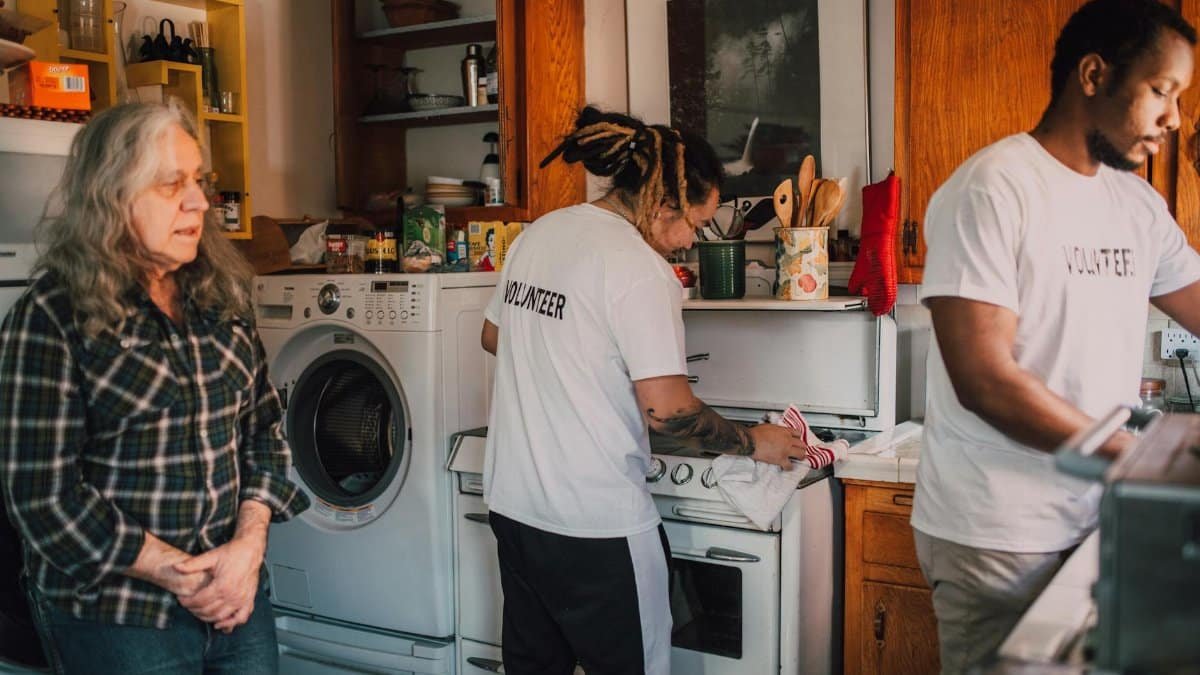
In cities and suburbs battered by rising grocery prices and lingering pandemic fallout, a quiet revolution is underway. Volunteer-run community fridges —those unassuming refrigerators stocked with free food on street corners and alleyways—have popped up nationwide, offering 24/7 access to fresh produce, dairy and leftovers for anyone in need. No questions asked, no ID required. These grassroots efforts are filling gaps left by traditional food banks, proving that neighbors helping neighbors can combat hunger one chilled shelf at a time.
The Pandemic Ignition

The spark lit in early 2020, as COVID-19 lockdowns exposed America’s fractured food safety net. In Brooklyn’s Bushwick neighborhood, artist Poppy Wang hauled an old fridge onto the sidewalk in April that year, filling it with surplus groceries. Word spread like wildfire on social media. Within months, similar setups dotted New York City. “It was desperation mixed with hope,” Wang told reporters at the time. By 2021, the Community Fridge network tracked over 100 in NYC alone, a model rippling to Los Angeles, Chicago and beyond.
Mechanics of Mutual Aid
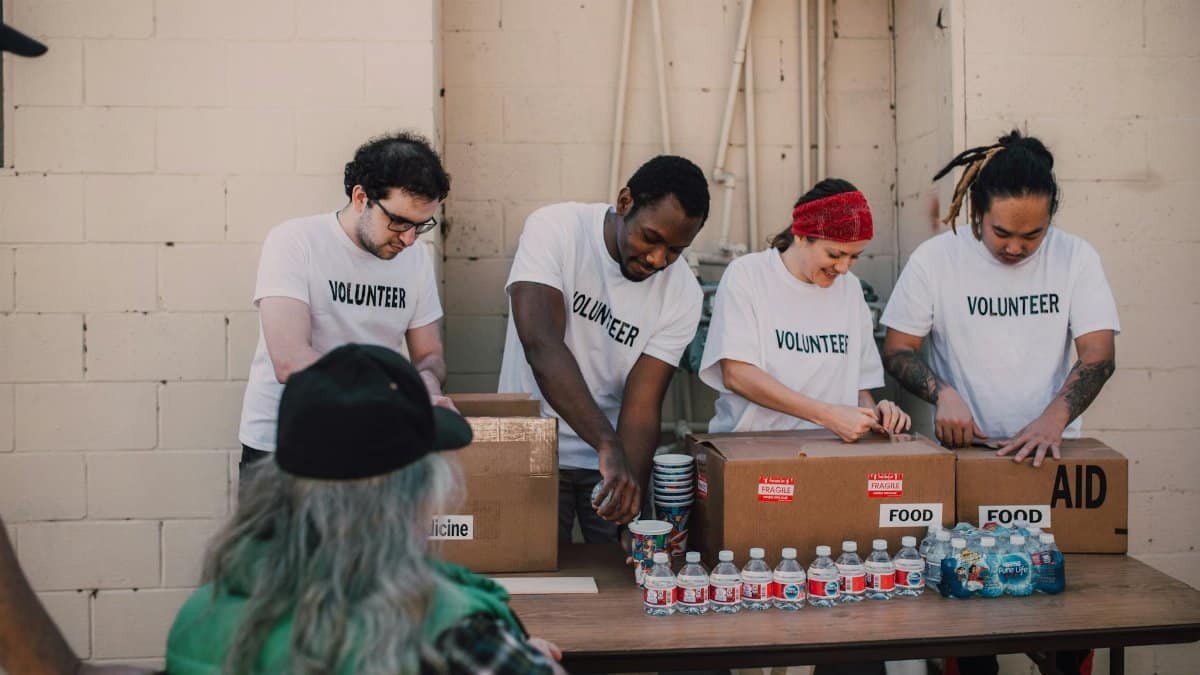
These aren’t fancy operations. Donors—individuals, restaurants, grocery stores—drop off safe, edible items following strict guidelines: no meat, dairy past dates, or homemade goods to dodge health risks. Volunteers monitor stocks daily, rotating out spoiled produce. Tech-savvy groups use apps like FridgeShare for real-time inventories and alerts. In Philadelphia, the Fridge Door collective rotates 20 fridges, sourcing from urban farms and food waste rescues. It’s low-tech genius: open the door, take what you need, replace if you can.
Urban Lifelines Emerge

In food deserts like Detroit’s east side, where corner stores peddle chips over carrots, community fridges shine. One in the Cass Corridor neighborhood, dubbed “The People’s Fridge,” serves 200 families weekly. Local mom Jasmine Ruiz stocks it with her kids’ extras: apples, yogurt, bread. “It’s not charity; it’s community,” she says. Data from the U.S. Conference of Mayors pegs urban food insecurity at 1 in 8 households—fridges chip away, one apple at a time.
Rural Roots Take Hold
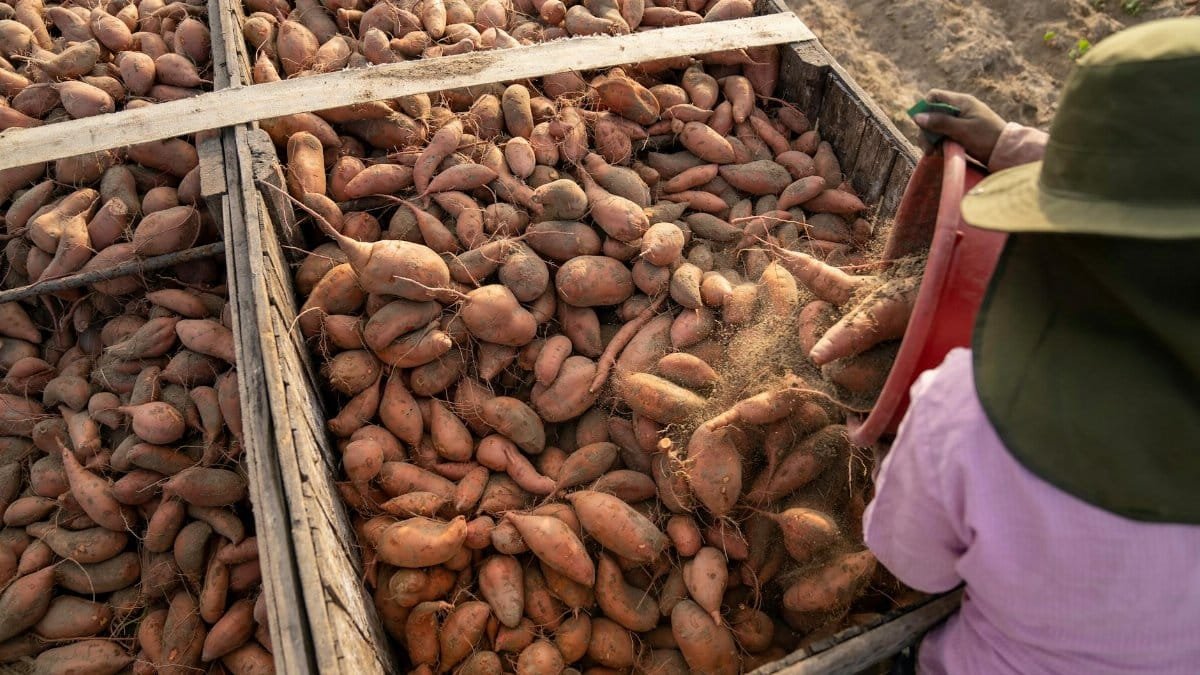
Not just city slickers. In rural Appalachia, Kentucky’s “Holler Fridges” adapt to sparse populations. Placed at churches and fire stations, they battle isolation where food banks operate limited hours. In Harlan County, a single fridge feeds 50 households amid coal country poverty. Volunteers like retiree Earl Jenkins drive donations from distant wholesalers. “Folks here don’t ask for handouts, but they’ll take a meal,” he notes. USDA stats show rural hunger rates rival urban ones at 13%.
Volunteer Muscle Powers It
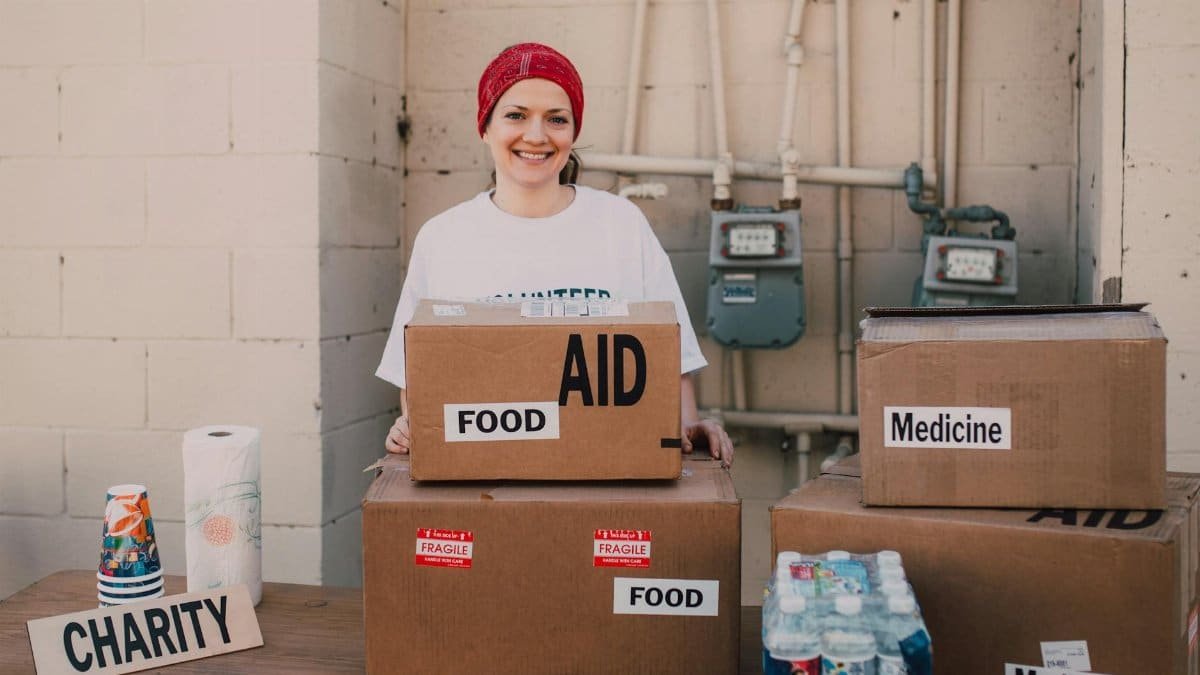
Behind every humming fridge: tireless locals. In Seattle, the People’s Fridge collective boasts 150 volunteers managing 15 sites. They clean, stock and troubleshoot—often before dawn. Training covers food safety via online modules from Cornell University. Burnout looms, but rotation keeps it sustainable. “It’s empowering,” says organizer Mia Chen. Nationwide, estimates from Feeding America suggest 10,000 volunteers sustain 2,000-plus fridges, diverting tons from landfills annually.
Spoilage, Vandals and Legal Snags

Challenges bite hard. Summer heat spoils milk overnight; winter freezes greens solid. Vandalism strikes—smashed doors in Oakland cost $500 fixes. Cities like Los Angeles initially slapped “illegal vending” citations before backpedaling with permits. Health departments hover, fearing outbreaks, though zero have linked to fridges per CDC tracking. Organizers counter with signage: “Take what you need, leave what you don’t.” Resilience defines them.
Hard Numbers on Hunger’s Retreat

Impact? Telling. A 2023 UCLA study of LA fridges found 70% of users were working poor, previously skipping meals. Nationally, the Fridge Zip Map logs 3,500 sites, serving millions indirectly. In Atlanta, one network reduced emergency food calls by 15%, per local shelters. Broader ripple: inspires policy tweaks, like New York’s $5 million mutual aid fund. Yet, with 44 million Americans food insecure per USDA, fridges are Band-Aids on a gaping wound.
Government Glances, Then Steps Up
Officials once wary now woo. San Francisco grants $10,000 per fridge for cooling upgrades. Federally, Biden’s American Rescue Plan funneled $1 billion to emergency food, some trickling to grassroots. Critics call it patchwork; advocates push for zoning reforms. In Oregon, state law now shields fridges from nuisance fines. “We’re forcing the system’s hand,” says national coordinator Theo Johnson.
Your Block’s Next Fridge?

Ready to plug in? Start small: scout a host site—a church, laundromat. Source a used fridge via Craigslist ($200 average). Rally 5-10 volunteers via Nextdoor or Instagram. Map it on FridgeZip.org. Costs? Under $1,000 startup, $50 monthly electric. Legal tips abound on Mutual Aid Hub. As Natasha Weber reports from the front lines, these fridges prove: in America’s divided landscape, shared shelves unite.