

Intro

New data shows 68% of Americans report feeling overwhelmed by daily stress, with many turning to mindfulness self-love as a lifeline, according to a recent survey from the American Psychological Association. This practice, blending present-moment awareness with compassionate self-acceptance, is gaining traction amid rising mental health concerns. As life piles on pressures from work, relationships, and global events, reconnecting with mindfulness offers a practical way to regain balance. Experts say it’s not about escaping reality but embracing it with kindness toward oneself. In 2025, this approach is reshaping how people handle chaos, proving that self-compassion can be a game-changer.
Understanding the Basics of Mindfulness Self-Love

Mindfulness self-love combines two key elements: staying grounded in the now and treating yourself with the same empathy you’d offer a friend. It’s rooted in ancient practices but adapted for modern life. Researchers at Harvard University have found that regular mindfulness reduces cortisol levels, the hormone tied to stress. This isn’t fluffy advice; it’s backed by science showing real brain changes through neuroplasticity.
Start simple. Sit quietly for five minutes, focus on your breath, and notice thoughts without judgment. When self-criticism creeps in, counter it with affirmations like “I’m doing my best.” Studies indicate this builds resilience over time. For more on the science, check out the American Psychological Association’s mindfulness resources, which detail how these techniques improve emotional regulation.
Signs You’ve Lost Touch with Your Inner Calm

Life’s demands can erode mindfulness quickly. Constant notifications, endless to-do lists, and emotional burnout leave many feeling disconnected. You might notice irritability, trouble sleeping, or a nagging sense of inadequacy. These are red flags that self-love has taken a backseat.
A 2025 poll by Gallup revealed that work-related stress affects 44% of U.S. adults, often leading to this disconnect. Recognizing these signs is the first step. If you’re snapping at loved ones or doom-scrolling to numb out, it’s time to pause. Reconnecting starts with awareness, not perfection.
Practical Steps to Rebuild Your Mindfulness Practice
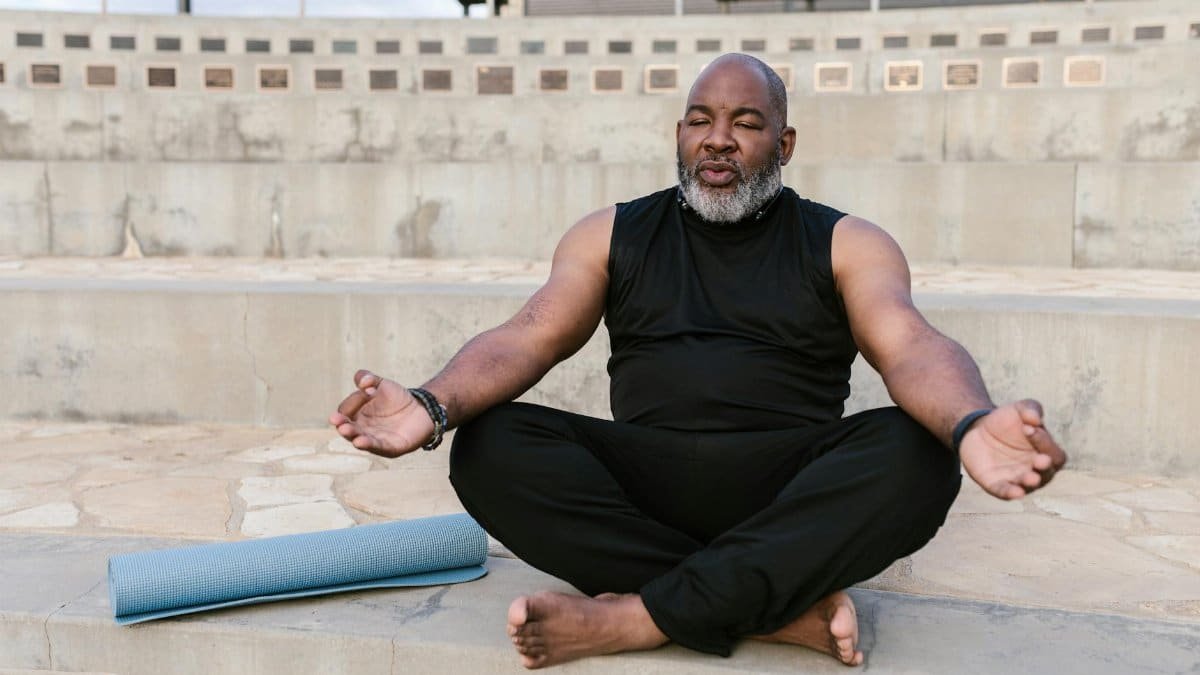
Reconnecting doesn’t require hours of meditation. Begin with micro-habits. Try a one-minute breathing exercise during your commute: inhale for four counts, hold, exhale. Pair it with self-love by acknowledging your efforts without harsh critique.
Incorporate body scans, where you mentally check in with tension areas and release them with kind thoughts. Apps like Headspace offer guided sessions tailored for busy schedules. Evidence from the National Institutes of Health supports these methods for reducing anxiety. Explore their anxiety disorders page for studies on mindfulness interventions that highlight long-term benefits in daily life.
The Role of Self-Compassion in Overwhelming Times

When life feels too much, self-compassion becomes essential. It’s about forgiving slip-ups and viewing failures as growth opportunities. Kristin Neff, a leading researcher, defines it as mindfulness plus self-kindness and common humanity.
In high-stress periods, like economic uncertainty in 2025, this mindset prevents spiral into despair. People who practice it report higher life satisfaction, per University of Texas studies. Instead of pushing through exhaustion, allow rest. This shift fosters emotional strength, making overwhelming days more manageable.
Overcoming Common Obstacles to Self-Love

Many struggle with guilt when prioritizing self-care, viewing it as selfish. Cultural pressures amplify this, especially in fast-paced U.S. society. Another hurdle is distraction from technology, pulling focus away from the present.
To overcome, set boundaries like device-free evenings. Address inner critics by journaling positive traits. Therapy can help unpack deeper blocks. Data from Pew Research shows 41% of adults face mental health challenges, underscoring the need for these tools. Building habits gradually turns obstacles into stepping stones.
Real-Life Impacts on Mental Health

Mindfulness self-love isn’t just theory; it transforms lives. Take the case of a New York teacher who, amid pandemic fallout, used these practices to combat burnout. She reported better sleep and reduced anxiety after consistent effort.
Nationwide, clinics note rising demand for mindfulness programs. A CDC report links such practices to lower depression rates. In 2025, with mental health crises persisting, these methods offer accessible relief. They empower individuals to navigate chaos without relying solely on medication.
Integrating Mindfulness into Daily Routines

Make it seamless. During meals, eat slowly, savoring each bite with gratitude toward your body. While walking, notice surroundings and affirm your worth. These acts weave self-love into the fabric of your day.
Workplaces are catching on, with companies like Google offering mindfulness training. This integration boosts productivity and well-being. For those starting out, consistency matters more than intensity. Over time, it creates a buffer against life’s overload.
Long-Term Benefits for Personal Growth

Beyond immediate relief, mindfulness self-love fuels growth. It enhances relationships by fostering empathy, starting with oneself. Users often discover hidden strengths, leading to bolder life choices.
Longitudinal studies from Stanford University show sustained practice correlates with improved self-esteem. In a year like 2025, marked by rapid changes, this foundation supports adaptability. It’s a tool for not just surviving, but thriving amid uncertainty.
Expert Tips for Sustaining the Practice

Experts recommend community support, like joining online groups or classes. Track progress in a journal to stay motivated. If motivation dips, remember: imperfection is part of the process.
Psychologist Tara Brach advises starting small to avoid overwhelm. Her work emphasizes radical acceptance. With rising interest in holistic health, these tips ensure mindfulness self-love becomes a lifelong ally against life’s pressures.