

Introduction
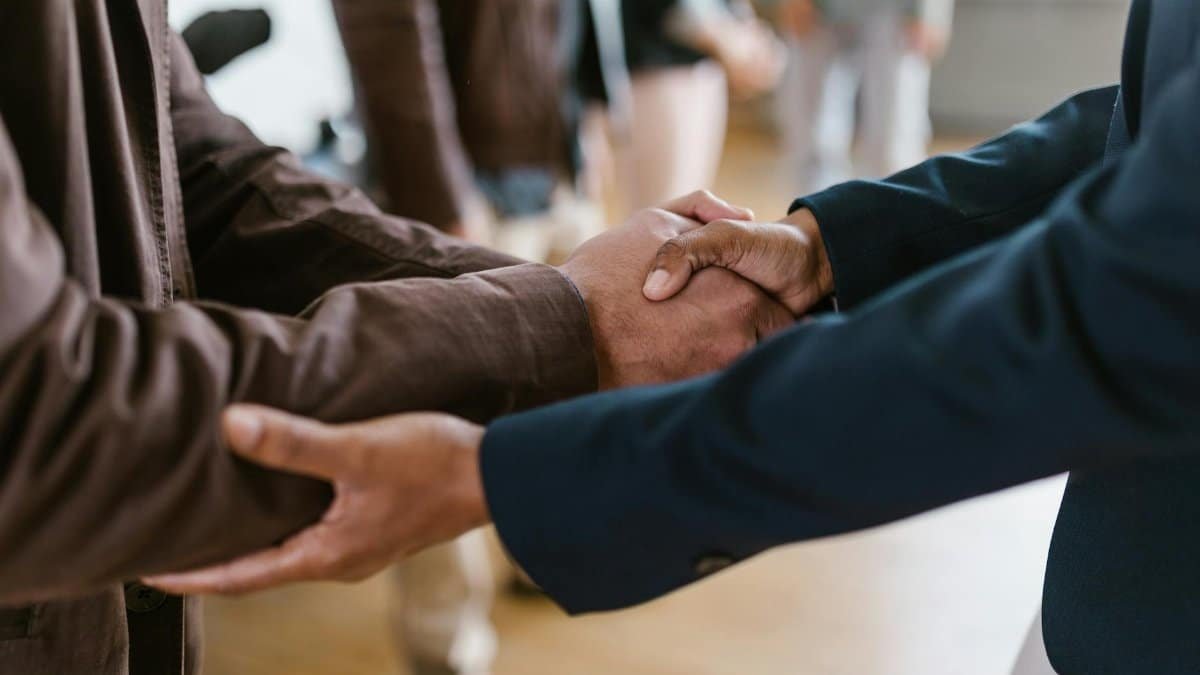
When John D., a stressed-out New York executive, first encountered calm forgiveness during a yoga retreat, he scoffed at the idea. But after weeks of practice, his anxiety levels dropped sharply, transforming his daily grind. This shift highlights a growing trend in 2025: Americans turning to calm forgiveness to reclaim inner peace amid life’s chaos. Simply put, calm forgiveness combines mindful breathing with self-compassion, allowing individuals to release grudges without emotional turmoil. It’s gaining traction in yoga circles as a tool for emotional resilience.
Understanding Calm Forgiveness Basics

Calm forgiveness starts with awareness. Practitioners focus on acknowledging past hurts without judgment. This approach draws from mindfulness techniques, emphasizing presence over rumination. In yoga and movement practices, it often integrates with gentle poses to ground the body. Experts note that this method helps reduce stress hormones, fostering a sense of safety within oneself. Unlike traditional forgiveness, which can feel forced, this version prioritizes tranquility first.
Research supports its benefits. A study from Harvard Medical School shows that self-forgiveness practices lower cortisol levels, improving overall well-being. For more details, check the Harvard Health Publishing on Forgiveness.
The Role in Yoga and Movement

In yoga sessions across the U.S., calm forgiveness is woven into routines. Instructors guide students through flows that pair breathwork with affirmations of release. This isn’t just spiritual fluff; it’s practical. For instance, during child’s pose, participants visualize letting go of self-criticism. Movement experts say this enhances flexibility not just physically, but emotionally too. As life pressures mount in 2025, such practices offer a reset button for overwhelmed minds.
One yoga teacher in Brooklyn reports students feeling more centered after incorporating it. The physical act of moving while forgiving amplifies the calm, making it a staple in modern wellness classes.
Common Challenges and How to Overcome Them

Not everyone nails calm forgiveness right away. A big hurdle is lingering resentment that bubbles up during quiet moments. Skeptics might dismiss it as too passive. To counter this, start small: dedicate five minutes daily to focused breathing before addressing grievances. Distractions like notifications can derail progress, so create a tech-free zone.
Therapists recommend journaling to track emotions, turning obstacles into stepping stones. Persistence pays off, with many reporting breakthroughs after consistent effort. Avoid pushing too hard; gentleness is key to this process.
Impact on Mental Health

Calm forgiveness directly boosts mental health by easing anxiety and depression symptoms. U.S. trends in 2025 show rising adoption among those battling burnout. It encourages self-empathy, which studies link to better sleep and mood regulation. Unlike quick fixes, this builds long-term resilience.
A report from the National Institutes of Health underscores how forgiveness practices correlate with reduced psychological distress. Explore the findings at NIH Study on Forgiveness and Health. Real users share stories of renewed energy, proving its value in daily life.
Practical Steps to Get Started

Begin with a simple routine. Sit comfortably, inhale deeply, and exhale while mentally releasing a specific tension. Pair it with walking meditation for movement. Apps can guide beginners, but keep it personal. Set realistic goals, like practicing thrice weekly.
Incorporate it into yoga by ending sessions with a forgiveness mantra. Track progress in a notebook to see patterns emerge. Over time, this habit fosters deeper calm, even when life overwhelms.
Real-Life Examples from Practitioners

Take Lisa M., a California mom juggling work and family. She adopted calm forgiveness after a tough year, finding it helped her respond to stress without snapping. “It changed how I parent,” she says. Similarly, a group of veterans in Texas uses it in therapy sessions, reporting less PTSD interference.
These snapshots illustrate its versatility. From urban professionals to rural communities, the practice adapts, offering tangible relief in varied contexts.
Combining with Other Wellness Tools

Calm forgiveness pairs well with meditation apps or aromatherapy. In movement classes, blend it with tai chi for amplified effects. Nutrition plays a role too; balanced diets support the emotional work. Experts advise integrating it into broader self-care plans for maximum impact.
In 2025, wellness retreats increasingly feature this combo, drawing crowds seeking holistic healing. Users find that layering techniques creates a robust defense against daily pressures.
Potential Drawbacks to Consider

While effective, calm forgiveness isn’t a cure-all. Some may confuse it with excusing harmful behavior, leading to unhealthy boundaries. Over-reliance could mask deeper issues needing professional help. Consult therapists if emotions intensify.
Awareness of limits ensures safe practice. Balance it with action-oriented steps for comprehensive growth.
Future Trends in Adoption

As awareness spreads, expect more apps and online courses tailored to calm forgiveness. Corporate wellness programs are eyeing it for employee retention in 2025. With mental health in the spotlight, this practice could become mainstream, evolving through community feedback.
Advocates predict wider integration into schools and healthcare, making calm a cultural norm.