
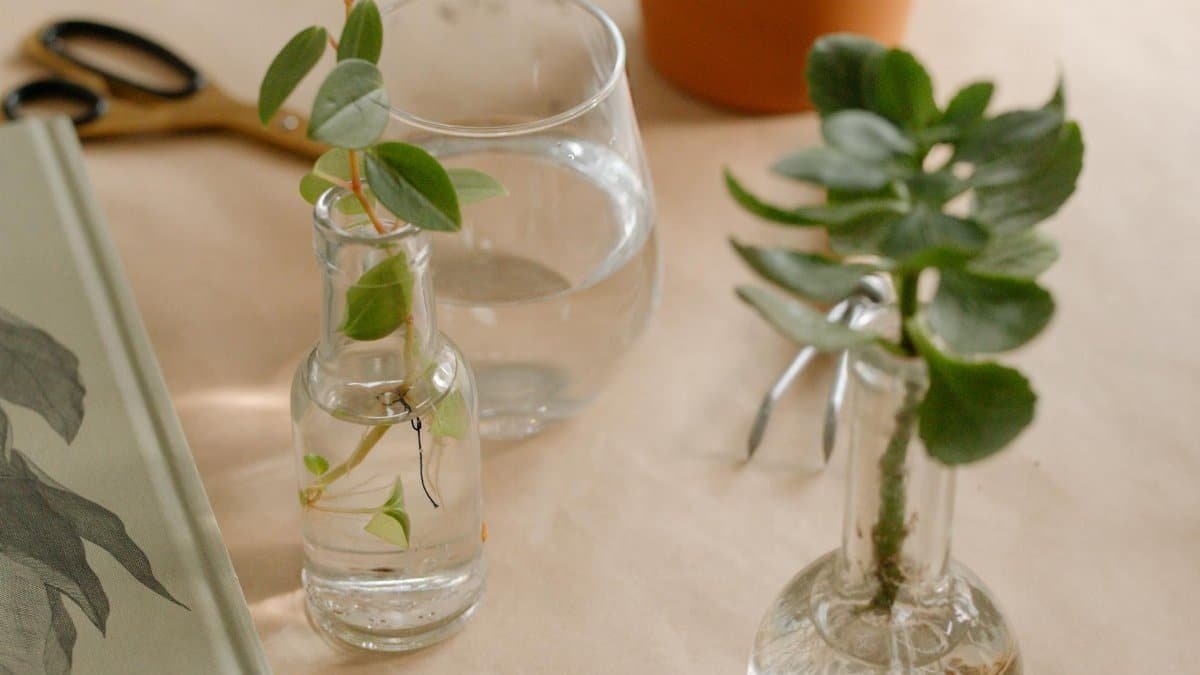
In a world spinning faster than ever, is calm presence the secret weapon against overwhelming stress? New data from the American Psychological Association shows that 76% of U.S. adults report high stress levels in 2025, up from last year. But embracing calm presence—a grounded state of mindful awareness—could change that. It’s not just buzz; experts say it rebuilds inner peace amid chaos. This approach helps people reconnect with themselves, fostering resilience when life feels too much.
Understanding Calm Presence Basics

Calm presence starts with awareness. It’s about being fully in the moment without judgment. Psychologists define it as a mental state where you observe thoughts and feelings without getting swept away. In busy U.S. cities like New York or Los Angeles, where hustle dominates, this practice offers a mental reset. Studies link it to lower cortisol levels, the stress hormone. For instance, a 2023 report from the National Institutes of Health highlights how mindfulness techniques, central to calm presence, reduce anxiety by 30% in participants. It’s simple: breathe, notice, and stay grounded.
The Science Behind It
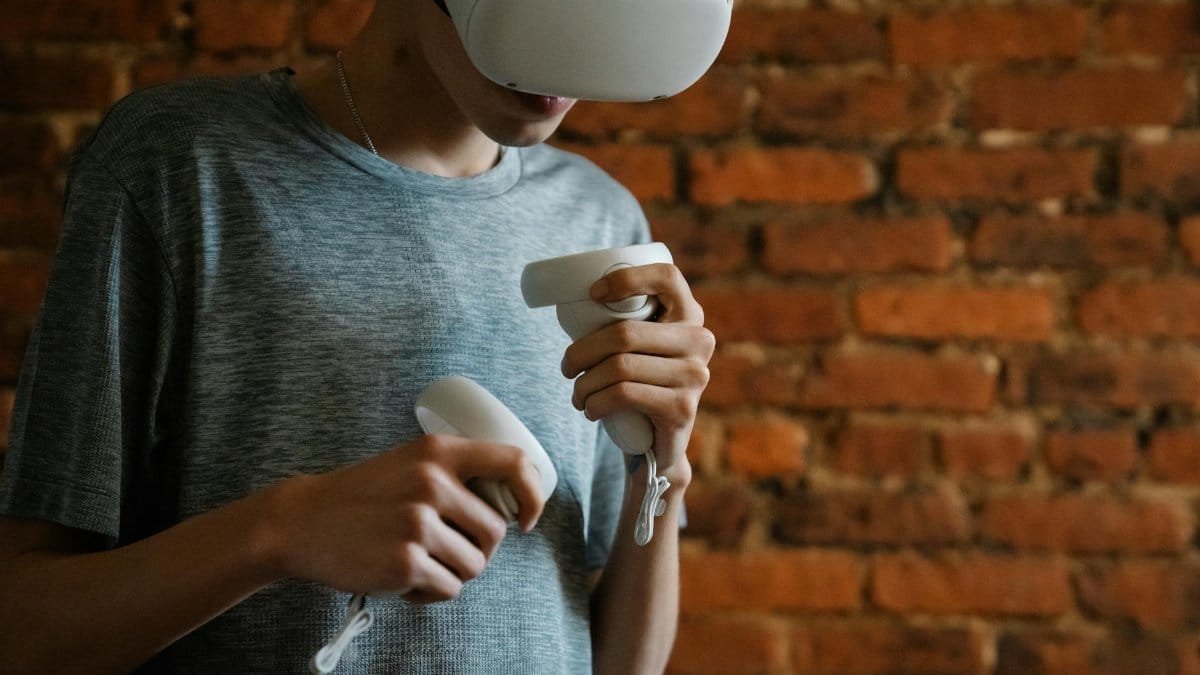
Research backs calm presence as more than feel-good advice. Neuroscientists at Harvard Medical School have scanned brains during mindfulness sessions, revealing increased activity in areas tied to emotional regulation. A key study published in JAMA Internal Medicine found that eight weeks of mindfulness training cut stress symptoms in half for over 200 participants. In 2025, with remote work still stressing out 40% of Americans per Gallup polls, these findings matter. Calm presence rewires the brain, promoting neuroplasticity that builds long-term calm. Experts urge starting small to see real changes.
Daily Practices to Build It

Integrating calm presence doesn’t require hours. Begin with five-minute breathing exercises. Inhale deeply for four counts, hold, exhale. Apps like Headspace guide users through this. For urban dwellers facing constant noise, a quick body scan—focusing on tension spots—works wonders. Therapists recommend journaling thoughts without editing to foster presence. In a fast-paced 2025 economy, these habits help professionals stay focused. One executive told researchers it transformed his decision-making during high-stakes meetings.
Overcoming Common Obstacles

Not everyone nails calm presence right away. Distractions abound, from social media pings to work emails. The biggest hurdle? A wandering mind, which affects 47% of the time, per a Microsoft study. Push through by setting boundaries, like phone-free zones. If anxiety spikes, acknowledge it without fighting. Mental health pros at the Mayo Clinic advise patience; progress comes gradually. In America’s high-stress culture, where burnout hit record highs in 2024, recognizing these barriers is step one to reconnection.
Impact on Mental Health

Calm presence directly boosts mental well-being. The Centers for Disease Control and Prevention reports that mindfulness practices lower depression rates by 20% in adults. Amid 2025’s ongoing mental health crisis, with therapy waitlists stretching months, self-guided tools like this are vital. Users report better sleep and reduced irritability. A quote from psychologist Dr. Elena Ramirez: “It’s about creating safety within.” For those feeling overwhelmed, it rebuilds emotional reserves, preventing burnout in demanding jobs.
Applying It in Relationships

Calm presence extends beyond self. In interactions, it means listening without interrupting, fostering deeper connections. Couples therapy often incorporates it to reduce conflicts. A University of California study showed partners practicing presence argued 25% less. In 2025, with divorce rates ticking up due to pandemic fallout, this tool helps. Try it during family dinners: stay engaged, not reactive. It turns tense moments into opportunities for understanding, strengthening bonds when life pressures mount.
Workplace Benefits
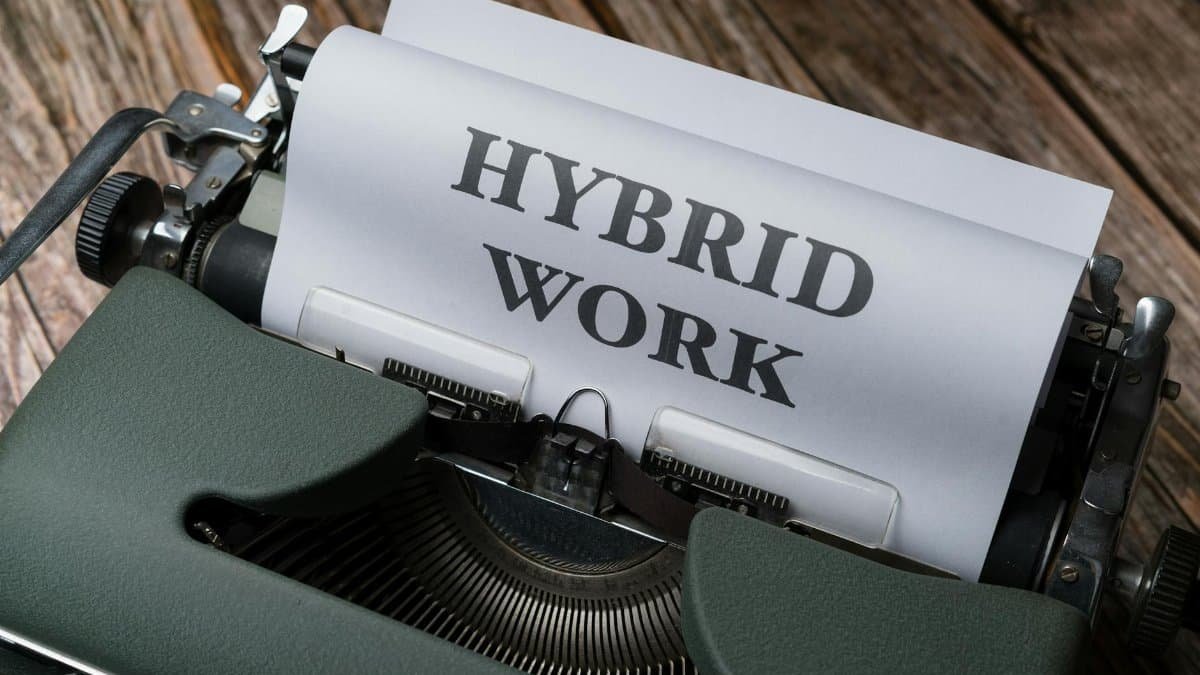
Corporations are catching on. Google and other tech giants offer calm presence workshops, citing productivity gains. A Deloitte survey found 82% of executives believe mindfulness improves focus. In hybrid work setups dominating 2025, it combats zoom fatigue. Employees report sharper concentration and less overwhelm. One manager shared: “It kept me steady during layoffs.” Integrating short pauses throughout the day builds this skill, making high-pressure environments more manageable.
Long-Term Strategies for Sustainability
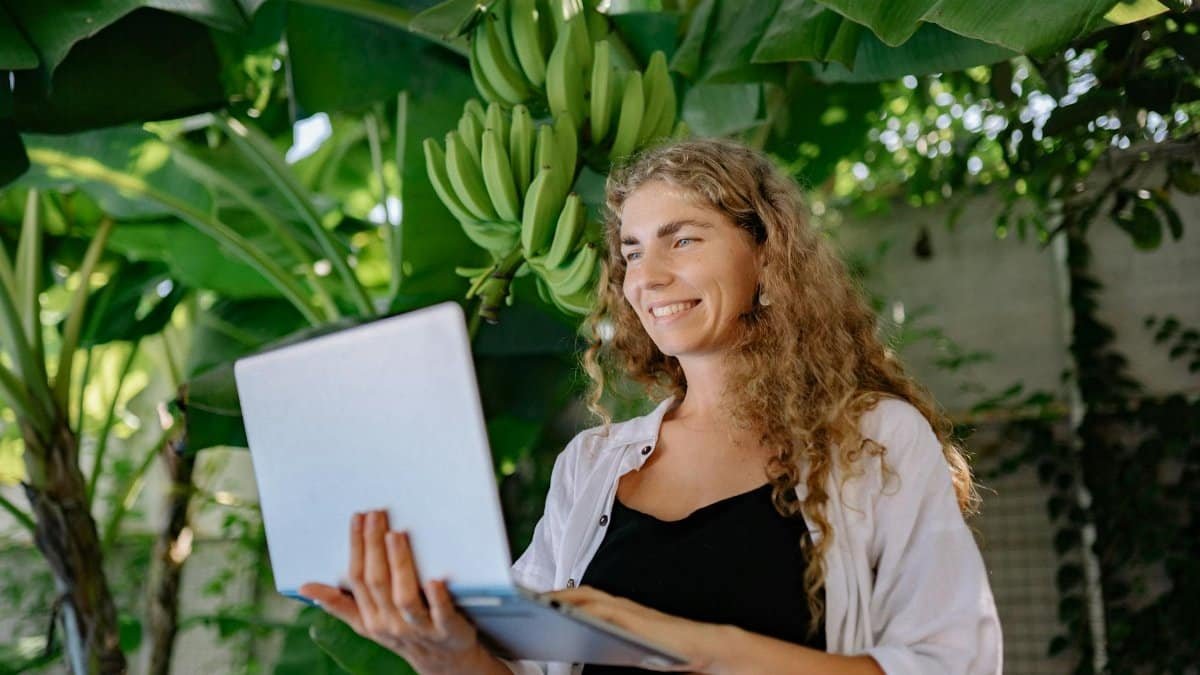
To make calm presence stick, consistency is key. Set reminders for daily check-ins. Join communities, like online forums or local groups, for accountability. Track progress in a journal to spot patterns. Experts from the American Psychological Association emphasize building habits over time. In a year like 2025, with economic uncertainties, sustaining this practice ensures resilience. Over months, it becomes second nature, turning chaos into calm.
Real Stories of Transformation

Take Mark Thompson, a Chicago teacher who adopted calm presence after burnout. “Life felt crushing,” he said. After months of practice, he handled classroom stress better. Similar tales emerge nationwide. A 2024 Pew Research Center poll showed 65% of mindfulness adopters felt more equipped for daily challenges. These anecdotes underscore its power. For anyone overwhelmed, starting today could spark change, proving calm is within reach.
When to Seek Professional Help

While calm presence helps many, it’s not a cure-all. If stress leads to severe anxiety or depression, consult experts. The National Institute of Mental Health recommends therapy alongside self-practices. In 2025, telehealth makes access easier. Recognize signs like persistent fatigue. Combining professional guidance with personal efforts maximizes benefits, ensuring a balanced approach to inner peace.