
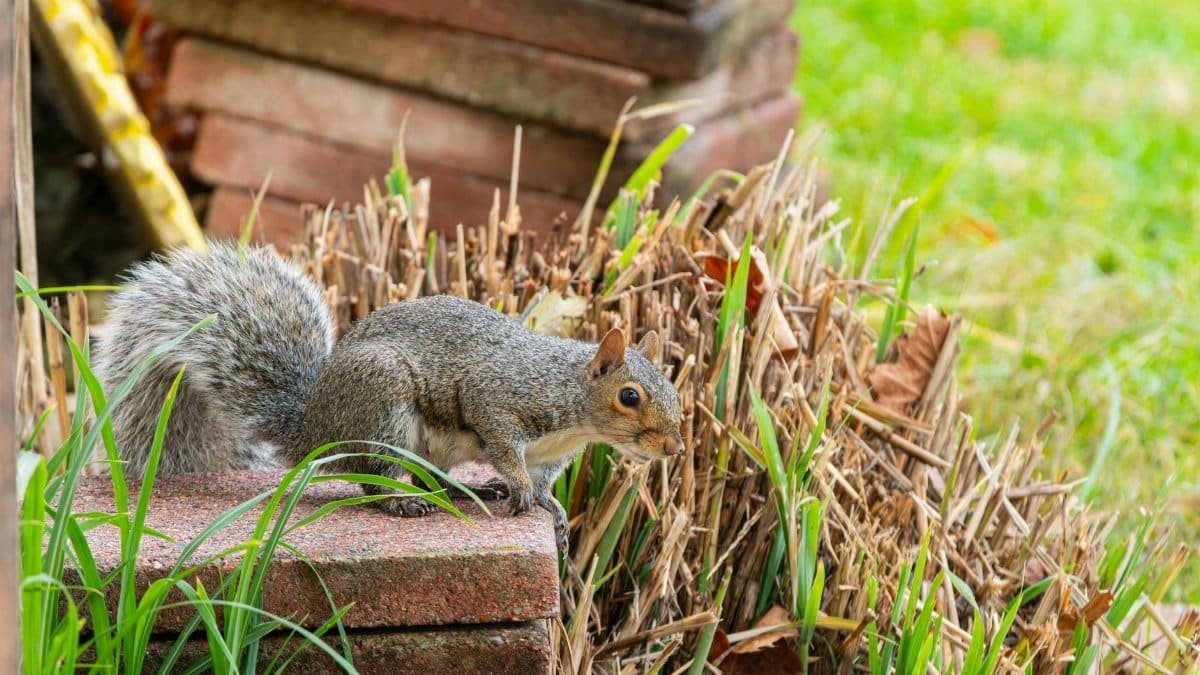
Every autumn, suburban landscapes across the United States transform into vibrant patches of orange as homeowners nurture pumpkins for Halloween carvings, Thanksgiving displays, and family traditions. Yet this ritual often meets an unwelcome interruption when determined squirrels descend, nibbling through thick rinds and leaving behind collapsed shells that signal months of effort gone to waste. Many gardeners have begun to explore ways to stop squirrels pumpkins while preserving both their harvest and a sense of harmony with the natural world. This challenge speaks to deeper questions about coexistence in shared spaces, where human cultivation meets wild instinct. Rather than reaching for traps or poisons, a growing number of backyard stewards are turning to natural, thoughtful approaches that respect the intelligence of these creatures while safeguarding what they have grown.
The Rising Appeal of Home Grown Pumpkins
Across middle America and beyond, cultivating pumpkins at home has surged in popularity. What began as a seasonal hobby has evolved into a meaningful connection to the land and the changing seasons. Families report that tending these sprawling vines offers a form of quiet meditation, a chance to step away from digital distractions and engage directly with soil and sunlight. This trend aligns with broader movements toward mindful living and seasonal awareness. Yet success depends not only on proper soil and water but also on defending the fruits against persistent wildlife. Gardeners who master these defenses often describe a deeper satisfaction, knowing their glowing jack o lanterns represent both horticultural skill and respectful negotiation with nature.
Decoding Squirrel Behavior and Motivations
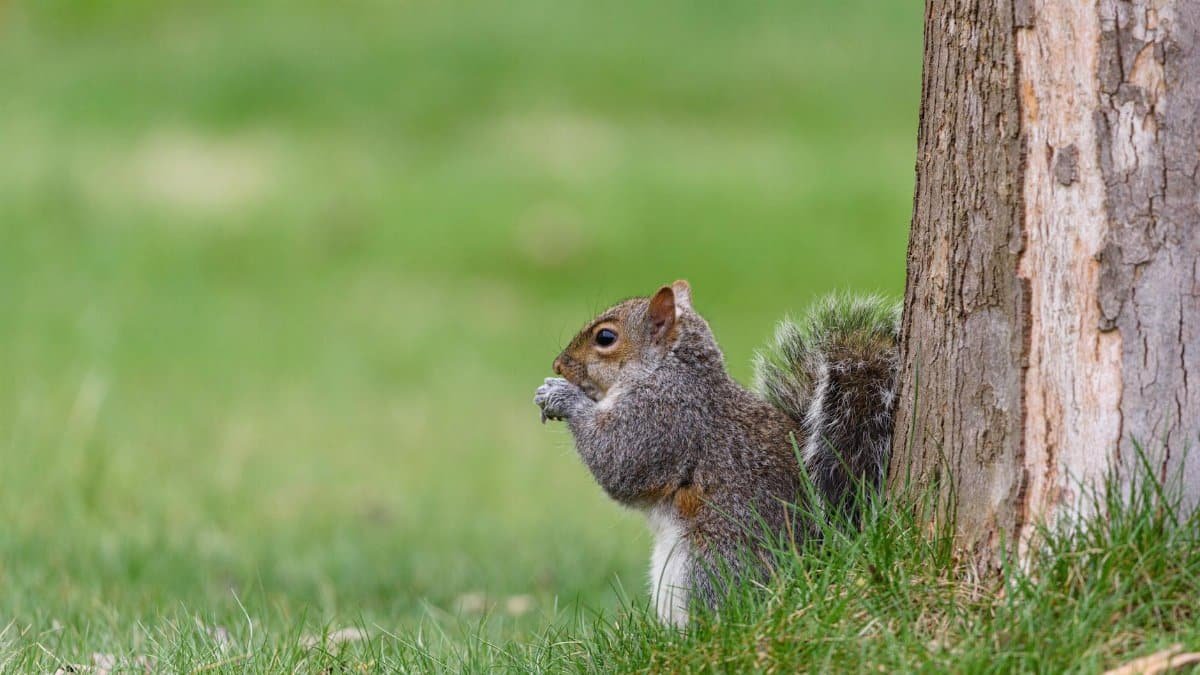
Squirrels possess remarkable problem solving abilities that have been honed through generations of adapting to human environments. They do not randomly select targets but instead seek out reliable sources of fat and protein as they prepare for colder months. Pumpkins offer both nutrition and hydration, making them especially attractive once they begin to ripen. Understanding this seasonal drive helps explain why simple scare tactics often fail. These animals quickly learn to ignore fake owls or hanging pie tins once they realize the objects pose no real threat. Successful defense begins with recognizing their patterns rather than fighting their nature. Experts at university extension programs note that squirrels maintain mental maps of food sources, returning repeatedly to promising locations unless the reward is consistently removed.
Observations from long time gardeners reveal that certain varieties of pumpkins seem more vulnerable than others. Thinner skinned types fall victim more quickly while thicker heirloom specimens sometimes withstand initial nibbles. This knowledge informs choices at planting time and shapes subsequent protection strategies.
Avoiding Common Errors That Attract Trouble

Many well intentioned gardeners unintentionally invite problems through practices that signal abundance to local squirrel populations. Leaving fallen fruit on the ground or failing to clear debris around the patch creates an easy buffet that draws more visitors. Overwatering can lead to soft spots in the pumpkins that prove easier for teeth to penetrate. Even the placement of bird feeders nearby can exacerbate issues by sustaining higher numbers of rodents than the immediate environment would otherwise support.
Timing matters as well. Those who wait until damage appears before taking action face an uphill battle because the animals have already established the location as a dependable resource. Prevention from the earliest stages of fruit development yields far better outcomes than reactive measures after the first pumpkins show tooth marks.
Natural Sprays That Help Stop Squirrels Pumpkins
Among the most effective and least invasive options are homemade repellent sprays derived from ingredients already found in most kitchens. A mixture of water and hot pepper flakes creates a capsaicin solution that irritates squirrels sensitive noses and mouths without harming the plant. Applied every few days and especially after rain, this approach has helped countless gardeners protect their crop. Peppermint oil diluted in water offers another aromatic deterrent that many animals avoid. Some combine these with garlic or vinegar for broader effectiveness against multiple species including rabbits and deer.
The key lies in consistent reapplication and rotation of scents to prevent the animals from becoming accustomed to any single formula. Those who have achieved success emphasize starting early in the growing season before squirrels discover the patch. Commercial products exist but many experienced growers prefer their own blends both for cost reasons and to avoid unnecessary chemicals in their gardens.
Physical Barriers That Preserve Garden Beauty
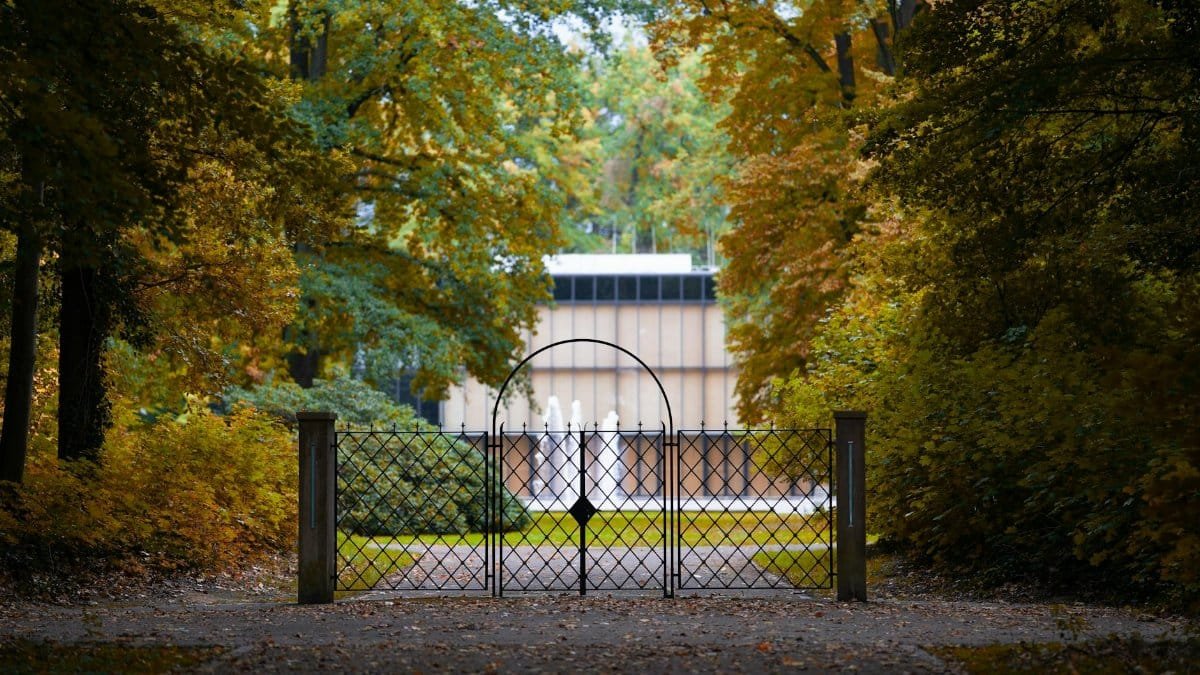
Strategic use of netting and fencing provides reliable protection when installed correctly. Lightweight row covers draped over young plants allow light and air while blocking access. As fruits grow larger, individual chicken wire cages or hardware cloth barriers can encircle each pumpkin without obstructing its view. Some gardeners elevate their harvest on sturdy platforms surrounded by prickly mulches like holly leaves or crushed eggshells that discourage climbing.
These methods require initial investment of time yet deliver peace of mind throughout the season. The visual impact can be minimized through thoughtful placement and choice of materials that blend with the surrounding landscape. Unlike chemical solutions, physical barriers offer immediate clarity about what works and what needs adjustment.
Leveraging Motion and Light for Gentle Deterrence

Modern technology has introduced humane tools that startle without injuring. Motion activated sprinklers deliver sudden bursts of water that send squirrels scrambling while also providing hydration to the garden. Solar powered lights that flash intermittently disrupt the animals comfort in darkness when they prefer to forage. These devices prove especially useful near valuable specimens that have already survived earlier threats.
Users report that combining multiple sensory disruptions yields the strongest results. A sprinkler paired with aromatic sprays and occasional human presence creates an environment that feels unpredictable and therefore less appealing. The initial novelty of these gadgets often buys enough time for the pumpkins to reach full maturity and become less tempting once their rinds harden.
Inviting Natural Predators Into the Landscape
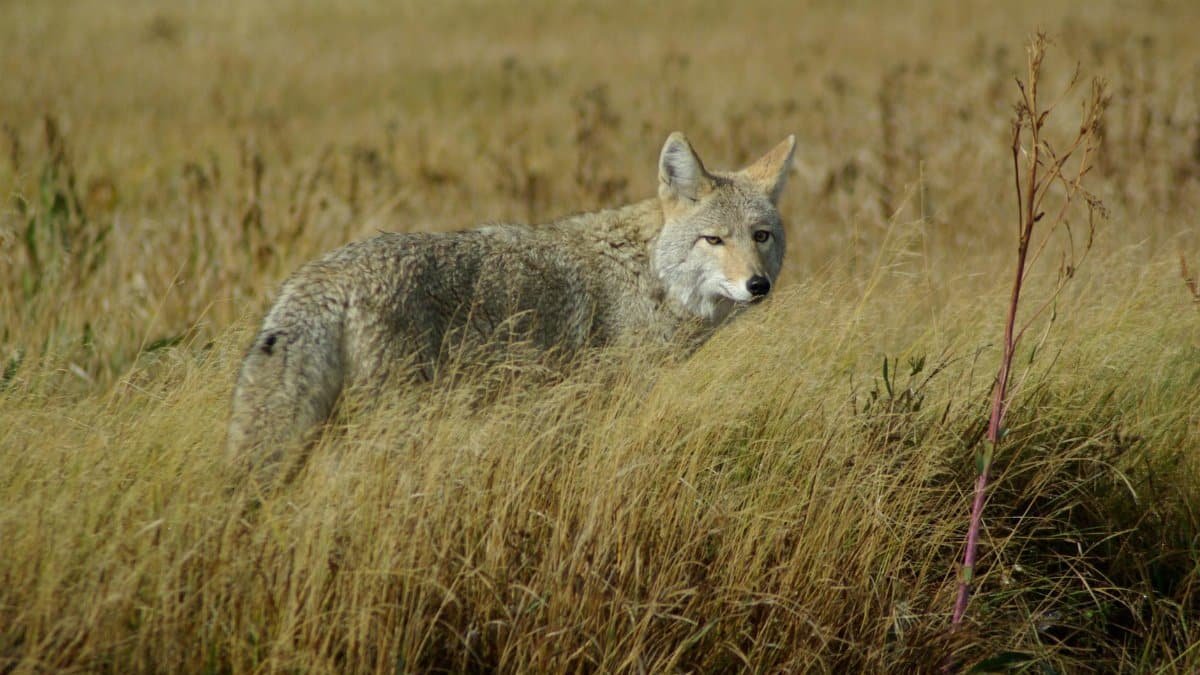
Rather than fighting squirrels directly, some gardeners enhance their yards to attract hawks, owls, and foxes that naturally regulate rodent populations. Installing nesting boxes at appropriate heights and maintaining perches encourages raptors to hunt in the area. Keeping ground cover varied rather than perfectly manicured gives smaller predators places to hide while stalking prey.
This ecological approach requires patience and acceptance that complete elimination is neither possible nor desirable. The goal shifts from eradication to balance. Many who adopt this perspective report greater overall satisfaction with their gardens as they witness the complex web of relationships unfolding around them.
Finding Spiritual Balance in Garden Stewardship
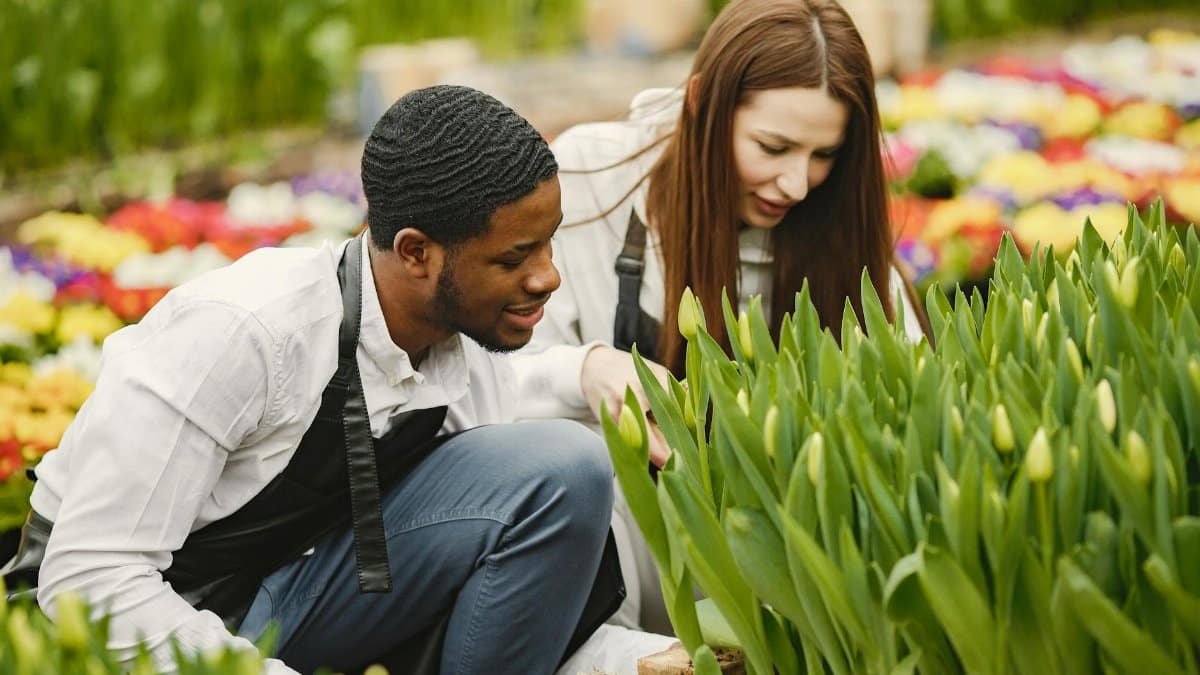
Within spiritual communities and mindful living circles, protecting a pumpkin patch has taken on new meaning. Practitioners speak of the garden as a living mandala where every element from soil microbes to visiting squirrels holds significance. Some incorporate intention setting rituals at planting time, visualizing healthy fruits while acknowledging the rights of all beings to sustenance. Others draw from indigenous traditions of offering small portions of the harvest at the edge of the property as a gesture of reciprocity.
This perspective does not replace practical action but rather informs it. The discipline of regular monitoring and creative problem solving becomes a form of moving meditation. Gardeners report feeling more grounded and less reactive in other areas of life after adopting this outlook. The trend reflects a wider cultural hunger for reconnection with natural cycles even within suburban settings. What begins as a quest to stop squirrels pumpkins can evolve into a richer practice of presence and ecological awareness.
Building Knowledge Through Community Exchange

Local gardening groups and online forums have become repositories of hard earned wisdom on this topic. Gardeners share photographs of successful barrier designs and recipes for repellent sprays that have proven effective in their specific microclimates. Master gardener programs through cooperative extension services offer workshops that blend scientific research with practical observation.
These exchanges reveal that no universal solution exists. What works in rural Illinois may need adaptation for downtown Denver or wooded New England properties. The collective learning process strengthens community bonds while improving outcomes for everyone involved. Novices benefit enormously from the generosity of those who have spent years refining their techniques.
Creating Lasting Conditions for Garden Success
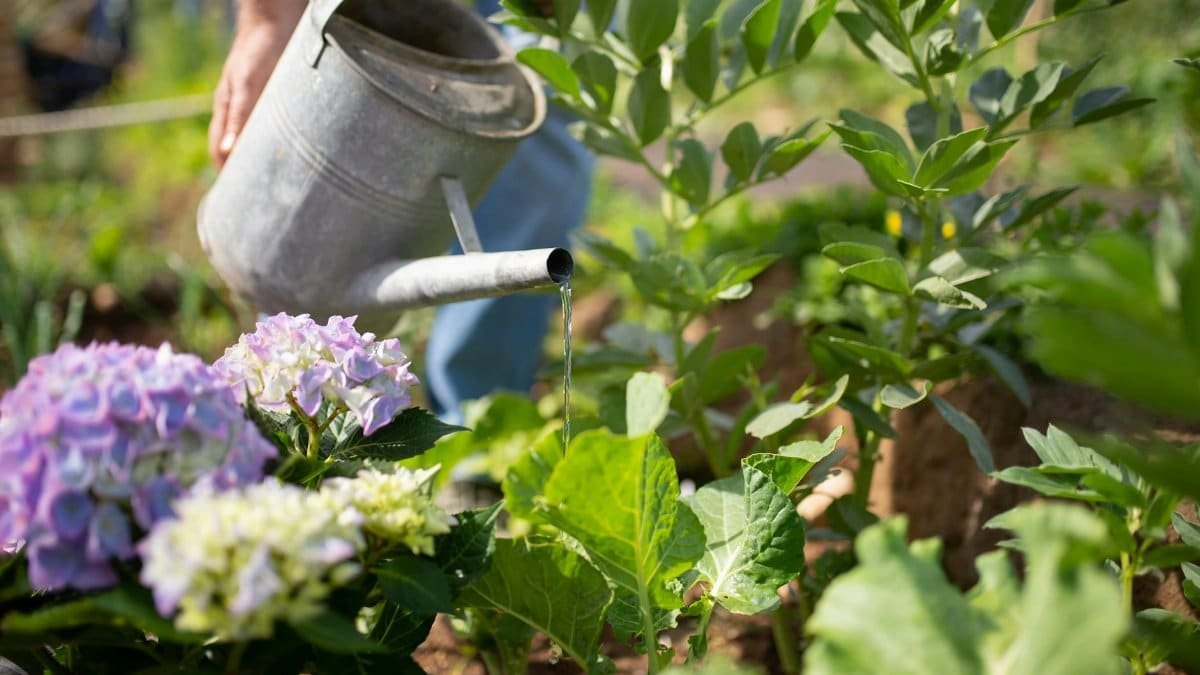
True long term protection involves designing gardens that discourage concentrated foraging. Diversifying plantings across a property makes any single pumpkin patch less essential to local wildlife. Selecting companion plants that naturally repel rodents while supporting pollinators adds layers of defense. Maintaining healthy soil produces stronger plants better able to withstand minor damage without collapsing.
Accepting that some loss remains inevitable allows gardeners to relax their vigilance and enjoy the process more fully. Many ultimately harvest enough for their needs despite sharing a portion with neighborhood squirrels. This acceptance often brings the greatest freedom and the most satisfying results.
Those facing overwhelming pressure may consult professional wildlife managers who specialize in humane exclusion methods. Such experts can assess specific properties and recommend tailored solutions that respect both homeowner goals and local ecosystems. Their involvement proves especially valuable for historic properties or community gardens where aesthetics matter greatly.
Ultimately the quest to protect pumpkins illuminates our place within a larger living system. Through creativity, consistency, and a measure of philosophical flexibility, gardeners can enjoy the fruits of their labor while contributing to healthier urban ecosystems. The glowing pumpkins that survive until harvest time then carry stories not only of horticultural triumph but of thoughtful relationship with the wild neighbors who share our spaces.