
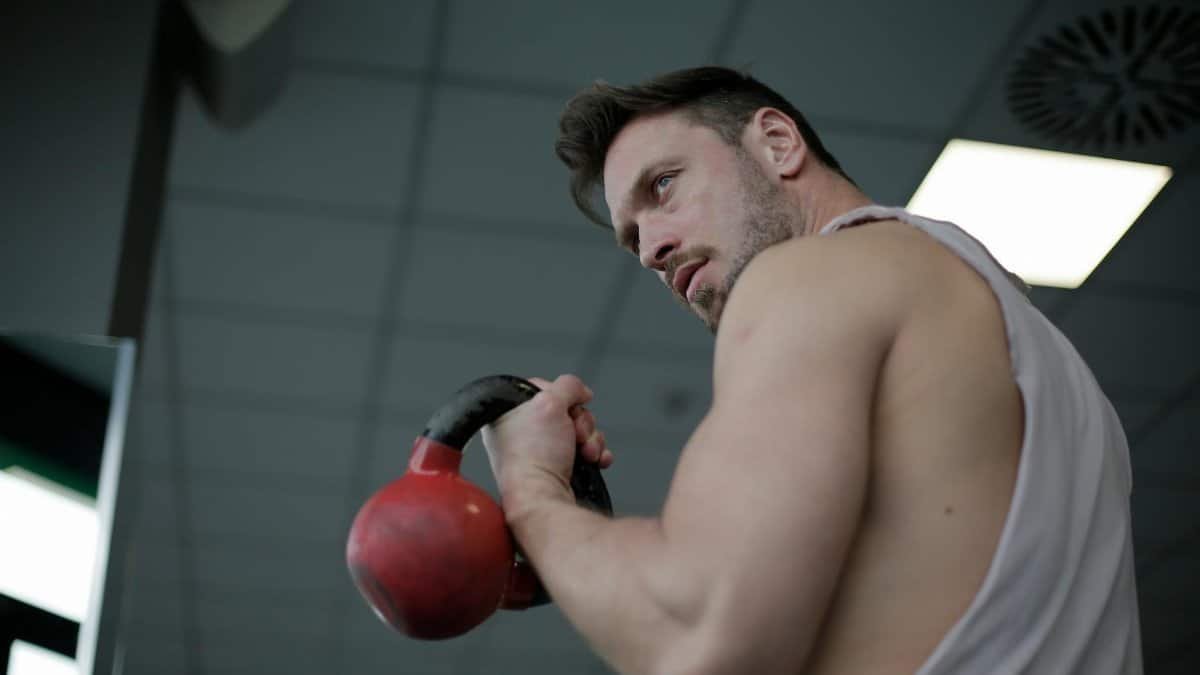
In an era where many people in their middle years seek ways to reclaim physical power without the risks associated with high impact activities the kettlebell swing has gained prominence. This dynamic movement when performed correctly engages the entire posterior chain generating force from the hips and building explosive athleticism. Central to its success is perfect kettlebell swing form a concept that transforms the exercise from a simple motion into a sophisticated tool for both strength and resilience. As trends in spiritual news and wellness evolve this practice resonates deeply. It demands full presence and precise attention to alignment breath and rhythm creating an experience that feels like moving meditation. Rather than chasing intensity one learns to harness inner energy with control and awareness. The rewards extend beyond muscle development to improved posture heightened body confidence and a renewed sense of vitality that supports an active fulfilling life.
Discovering The Roots Of This Powerful Exercise

The kettlebell traces its history to rural Russia where it began as a practical farming tool for measuring grain and goods. Over time strongmen and athletes recognized its value for building functional strength and endurance. The swing emerged as a foundational movement emphasizing ballistic power generated through rapid hip extension. This approach differed from many Western training methods of the time which often relied on slower isolated lifts. By the late 20th century the kettlebell had spread beyond Eastern Europe thanks to dedicated instructors who introduced it to new audiences seeking efficient training methods. Its popularity continues to grow today particularly among those who value sustainable fitness practices that fit into busy schedules.
For middle aged adults the kettlebell offers a versatile option that supports bone health joint stability and metabolic function. Unlike machines that constrain natural motion this free weight tool requires coordination and core engagement. The swing specifically teaches the body to absorb and produce force efficiently skills that translate to everyday tasks such as lifting groceries or playing with grandchildren. Its straightforward nature makes it accessible yet the depth of mastery available keeps even advanced practitioners engaged for years.
Why Proper Technique Cannot Be Overstated

Executing the kettlebell swing with attention to every detail separates those who thrive from those who eventually encounter setbacks. Proper technique protects the lower back shoulders and wrists while ensuring the powerful muscles of the glutes and hamstrings perform the majority of the work. When form falters compensatory patterns emerge that diminish power and invite discomfort. Many newcomers underestimate this reality and rush into heavier weights before establishing sound movement patterns. The result can be frustration or minor injuries that erode confidence.
Perfect kettlebell swing form creates a foundation that allows safe progression over time. It cultivates efficiency so each repetition delivers maximum benefit with minimal wasted effort. This efficiency matters greatly for those balancing career family and health priorities. Moreover the mental discipline required to maintain alignment throughout sets of swings builds focus that carries into other areas of life. Trainers consistently observe that clients who master these fundamentals report greater satisfaction and longer term adherence to their training.
Breaking Down The Fundamentals Of Movement
Begin with your feet placed roughly hip width apart and the kettlebell positioned on the ground about a foot in front of you. Hinge at the hips by pushing them back while maintaining a neutral spine and slight knee bend. Grip the handle firmly then pull the bell back between your legs as if hiking a football. This sets up the stretch in the hamstrings and prepares the body for the explosive upward phase. Drive through the heels and thrust the hips forward powerfully allowing the kettlebell to rise to roughly chest height. The arms remain straight throughout acting as guides rather than prime movers. At the top of the movement the body forms a straight line from head to heels with the glutes fully engaged. Control the descent by once again hinging at the hips to swing the bell back smoothly.
Each phase flows into the next creating a continuous pendulum like motion. Avoid the temptation to squat or lift with the shoulders. The power comes from the posterior chain. Practicing without weight first helps establish this pattern before adding resistance. Consistency in these fundamentals builds the neuromuscular connections necessary for fluid execution.
The Hip Hinge Explained In Detail
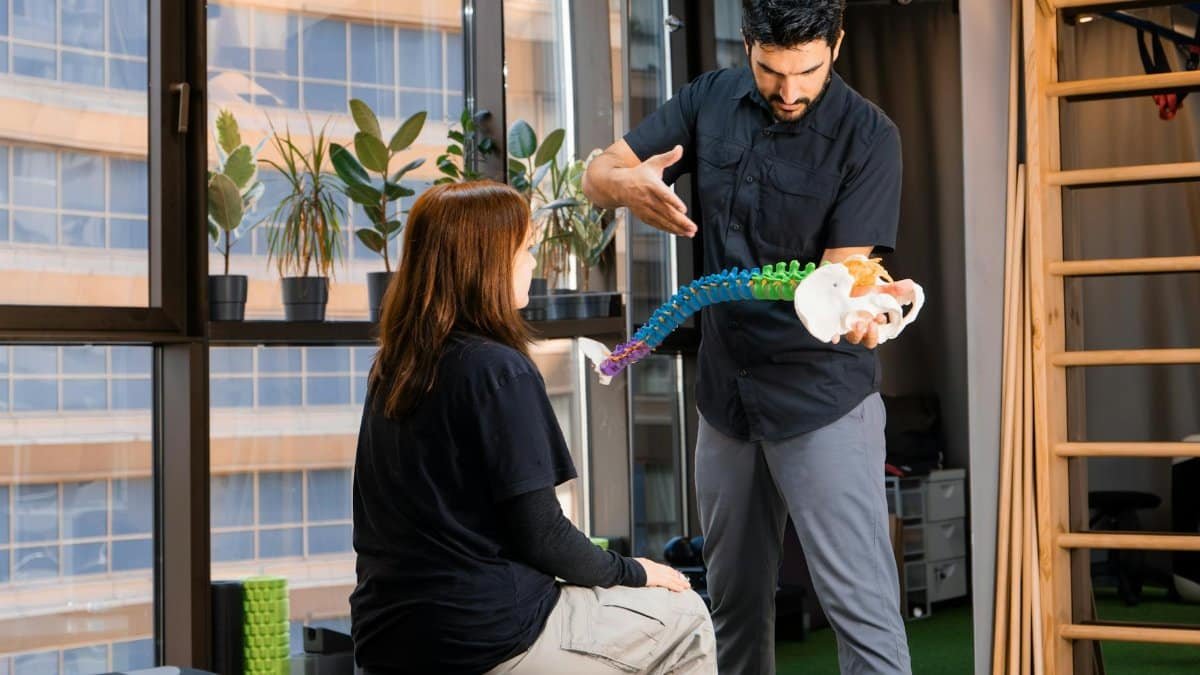
The hip hinge represents the cornerstone of effective swinging. It involves bending primarily at the hip joint while keeping the spine in a neutral position from neck to tailbone. Imagine closing a car door with your hips rather than bending forward from the waist. This pattern protects the intervertebral discs and activates the glutes and hamstrings most effectively. Many adults have lost touch with this natural movement due to prolonged sitting which tightens the hip flexors and weakens the posterior muscles.
Regular practice of the hinge during swings gradually restores mobility and strength in these areas. The motion also encourages better posture throughout the day as the body relearns how to stabilize the torso during load transfer. For those following spiritual trends that emphasize energetic flow the hip hinge can be experienced as a way to release stored tension and invite vitality upward through the body. The rhythmic quality of repeated hinges creates a natural pulse that many describe as invigorating and centering.
Aligning Your Body For Maximum Efficiency
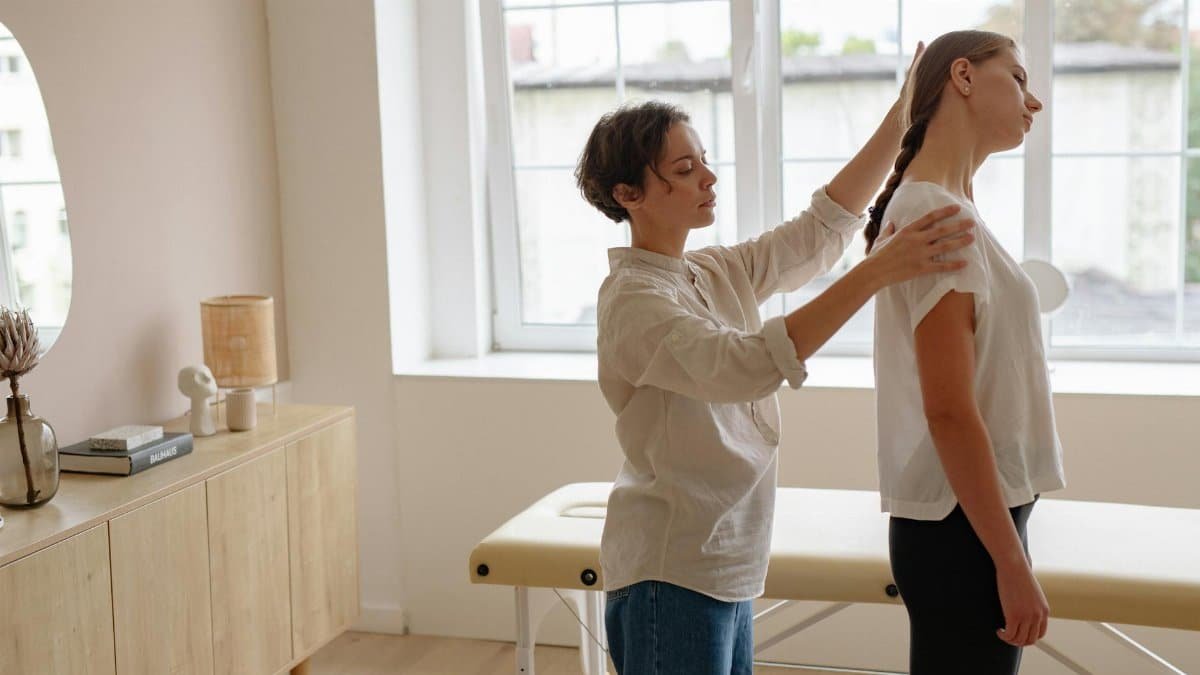
Proper alignment begins with a braced core and relaxed shoulders. The chest stays lifted and the gaze remains forward rather than down. This positioning distributes force evenly and prevents unnecessary strain on the neck or upper back. At the bottom of the swing the knees track over the toes without collapsing inward. The weight stays balanced through the midfoot and heels. As the hips drive forward the knees straighten naturally but do not lock. This sequence optimizes the transfer of power from the ground upward through the kettlebell.
Attention to these alignment cues prevents energy leaks that reduce effectiveness. Over time this heightened awareness of body position carries over into walking sitting and other daily movements. Practitioners often notice improved balance and coordination as secondary benefits. The spiritual dimension emerges here as well since maintaining alignment requires present moment awareness a quality valued across many contemplative traditions.
Breathing And Rhythm In The Swing

Breathing plays a vital role in both performance and recovery. Inhale deeply through the nose during the backswing as the hips hinge and the belly expands. Exhale forcefully through the mouth during the hip thrust when the greatest power is expressed. This breathing pattern stabilizes the core and helps generate intra abdominal pressure for spinal support. Syncing breath with movement turns the swing into a rhythmic practice that calms the nervous system even as it challenges the cardiovascular system.
Establishing a steady cadence prevents rushed or erratic swings that compromise form. Some find it helpful to count silently or focus on the sound of the breath to maintain consistency. This integration of breath and motion mirrors practices found in yoga and tai chi creating a bridge between fitness and mindful awareness. Many middle aged practitioners report that this rhythmic quality reduces stress and leaves them feeling energized rather than depleted after training.
Common Errors That Compromise Results

One frequent mistake involves squatting rather than hinging which shifts emphasis to the quadriceps and reduces power output from the hips. Another error is lifting with the arms and shoulders instead of allowing the lower body to propel the bell upward. This often leads to shoulder fatigue and diminished results. Rounding the back during the hinge places harmful stress on the spine and should be avoided through constant core engagement and neutral spine awareness.
Additionally swinging too high or too low can disrupt rhythm and alignment. The kettlebell should reach approximately chest or eye level depending on the variation rather than overhead. Rushing the recovery phase by not fully controlling the backswing also leads to loss of balance. Correcting these patterns early through deliberate practice and occasional coaching feedback yields substantial improvements in both safety and effectiveness.
Modifications For Different Fitness Levels
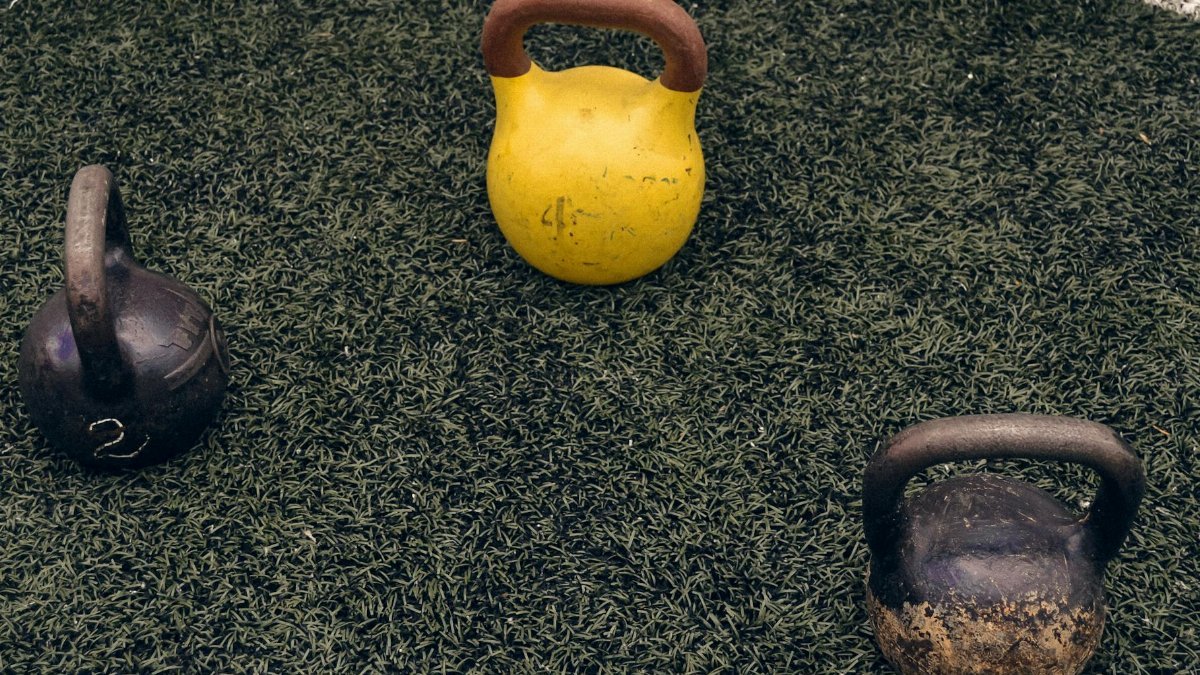
Beginners can start with lighter kettlebells and focus exclusively on mastering the hip hinge pattern before attempting full swings. Performing the movement without weight or with a dowel rod helps establish proper sequencing. Those with limited mobility might use a resistance band anchored behind them to assist in learning the hinge motion. As confidence grows gradually increase the weight while maintaining the same attention to form.
More advanced trainees can explore variations such as single arm swings or alternating hands to further challenge stability and coordination. The principles of alignment and power generation remain consistent across all levels. This scalability makes the swing appropriate for a wide range of ages and abilities particularly appealing for those in their middle years who desire progressive challenge without excessive risk.
Building A Mindful Practice Around The Swing
Approaching the kettlebell swing as more than physical exercise opens pathways to deeper body awareness. Each repetition becomes an opportunity to check in with posture breath and mental state. This mindful approach aligns with current spiritual news and trends that highlight the integration of movement and consciousness. Instead of allowing the mind to wander practitioners can use the swing as an anchor for presence noticing the sensation of power moving through the body.
Setting an intention before a session whether for strength vitality or focus enhances the experience. Some incorporate brief pauses between sets for gratitude or simple body scans. Over months this practice can foster greater emotional regulation and a sense of embodied wisdom. The swing then becomes not just training but a moving prayer to personal power and resilience.
Integrating This Exercise Into Daily Life
The beauty of the kettlebell swing lies in its efficiency. A well designed session of swings combined with recovery periods can be completed in under 20 minutes yet deliver impressive training stimulus. Many incorporate it into morning routines to energize the body for the day ahead or use it as a midday reset during remote work breaks. Consistency matters more than duration so short frequent sessions often prove more sustainable than occasional long workouts.
Pairing swings with simple bodyweight movements creates balanced routines that require minimal equipment. This accessibility supports long term adherence for busy professionals and parents. Tracking progress through notes on form quality and perceived power helps maintain motivation without obsession over numbers.
Expert Insights On Refining Your Technique
Experienced coaches emphasize patience in mastering the swing. They recommend filming oneself periodically to catch subtle deviations in form that might otherwise go unnoticed. According to resources from established fitness publications visual feedback combined with deliberate practice accelerates improvement. One detailed guide worth exploring can be found at this Mens Health overview.
Research from the Journal of Strength and Conditioning Research supports the swing as an effective tool for developing power and conditioning when performed correctly. A 2012 study available at PubMed highlighted significant gains in strength among participants following structured kettlebell protocols. Experts advise focusing on quality over quantity particularly during the learning phase.
Long Term Benefits For Health And Vitality

Consistent practice with attention to perfect kettlebell swing form yields benefits that extend far beyond the gym. Improved posterior chain strength supports better posture and reduces the likelihood of back discomfort common in desk based careers. Enhanced cardiovascular capacity without the impact of running makes it suitable for joint health over decades. Many report increased daily energy levels and improved mood linked to both physiological changes and the meditative aspects of the practice.
In the broader context of spiritual news and trends this exercise represents a return to primal movement patterns that reconnect individuals with their physical selves. The sense of capability gained through mastering the swing often translates to greater confidence in facing lifes challenges. For those in middle age it offers a sustainable path toward vitality that honors both the body and the spirit. With patience and proper guidance the kettlebell swing can become a lifelong ally in the pursuit of strength balance and presence.