
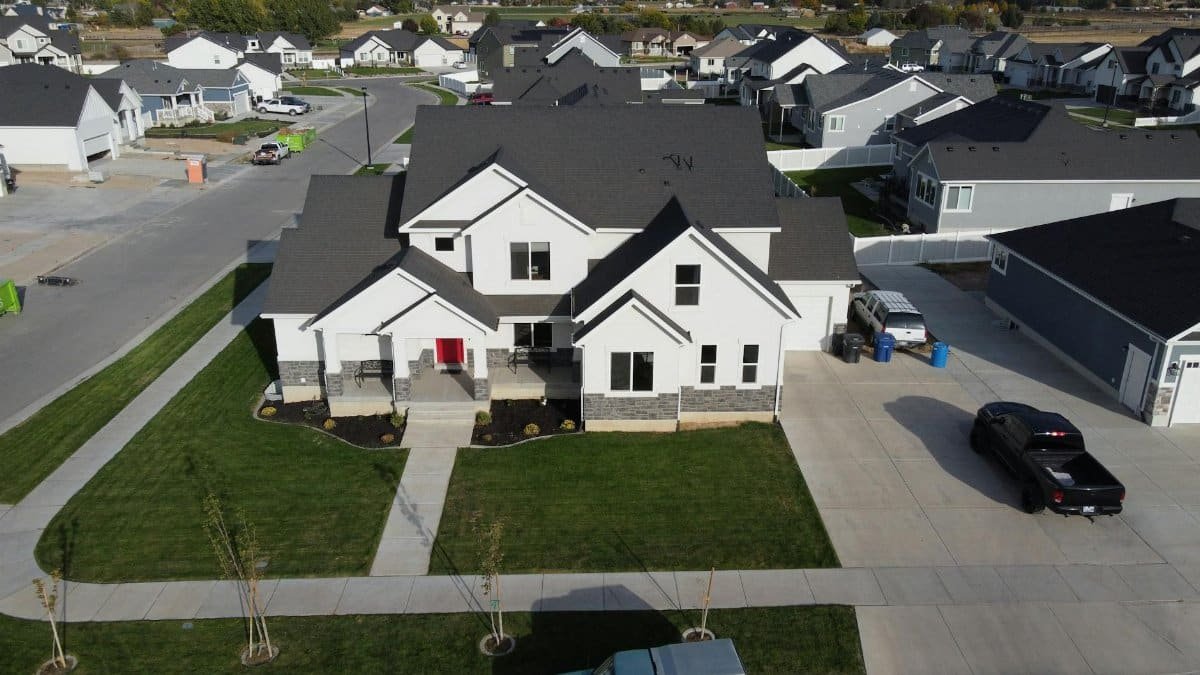
In the quiet cul-de-sac of a Maplewood, New Jersey, subdivision, residents gather each Thursday evening under strings of fairy lights strung across a single driveway. Tables groan under potluck dishes, laughter mingles with the sizzle of grilled vegetables, and children chase fireflies while adults swap stories of the week. This is no grand park pavilion or community center; it is simply a driveway transformed into what locals call a driveway hub, a spontaneous social anchor amid sprawling suburbia. As remote work lingers and traditional gathering spots feel distant, these unassuming asphalt patches are emerging as vital threads in the neighborhood fabric, fostering connections that once seemed lost to garage doors and privacy fences.
The Spark of Spontaneity

What began as isolated experiments has snowballed into a movement. In neighborhoods from Austin to Ann Arbor, driveways once reserved for basketball hoops or oil stains now host everything from book clubs to yoga sessions. The appeal lies in its simplicity: no reservations, no fees, just an open invitation via Nextdoor or a chalkboard sign. Organizers report turnout doubling within weeks, as the low barrier to entry draws introverts and families alike. One Maplewood resident, Sarah Kline, started her potluck after noticing neighbors waving from cars but rarely speaking. Driveway hubs, she says, bridge that gap without the intimidation of a formal event.
Libraries on Loan
Driveway libraries have proliferated, little free libraries evolving into full-fledged lending hubs right on the pavement. In Seattle’s Ravenna neighborhood, Maria Gonzalez parks her SUV curbside on weekends, unloading crates of novels, cookbooks, and puzzles. Borrowers leave donations or swaps, turning the space into a bustling exchange. These setups not only circulate 200 books monthly but also spark conversations; strangers bond over shared tastes in mystery thrillers. Similar hubs in Raleigh feature seed libraries, where gardeners trade heirloom tomato starters, nurturing both plants and relationships.
Fitness Without the Gym
Post-pandemic health kicks found a perfect stage in driveways. Boot camps, led by certified trainers like those in Denver’s Highlands Ranch, draw 15 to 20 participants for HIIT workouts under the stars. The format thrives on accountability; participants cheer each other through burpees, forming bonds stronger than any app-based class. Nutrition chats follow, with smoothies shared from coolers. Data from the American College of Sports Medicine underscores the social boost: group exercise increases adherence by 40 percent. Driveway hubs make that communal sweat accessible, sans membership dues.
Markets at Your Doorstep

Garage sale culture has upgraded to driveway markets, where artisans hawk handmade soaps, jewelry, and baked goods. In Portland’s Sellwood-Moreland, a weekly collective rotates hosts, ensuring fresh inventory and foot traffic. Vendors pay a nominal setup fee that funds neighborhood beautification, like community gardens. Shoppers linger, turning transactions into therapy sessions. Economists note this micro-economy bolsters local resilience; one study from the Urban Institute highlights how such informal markets sustain 10 to 15 percent of suburban household side income during downturns.
Storytime and Playdates Redefined

For families, driveway hubs shine brightest after school. Blankets spread across pavement host story hours, with volunteers reading aloud from picture books propped on tailgates. In Chicago’s North Shore suburbs, these gatherings include sensory play with water tables and bubbles, accommodating up to 30 kids. Parents network effortlessly, organizing carpools and playdates. Pediatricians endorse the model: unstructured outdoor play combats screen fatigue, with the American Academy of Pediatrics reporting improved social skills in such settings. What starts as a story ends in lasting friendships.
Holiday Magic on Home Turf

Seasonal driveway hubs amplify suburbia’s festive spirit. Halloween haunts feature fog machines and candy stations; Christmas lights sync to music via apps, drawing drive-by crowds. In Atlanta’s Brookhaven, a progressive dinner weaves through five driveways, each course served al fresco. These events peak community spirit, with participation rates hitting 80 percent in surveyed neighborhoods. The intimacy fosters vulnerability, residents sharing toasts to absent loved ones or new beginnings, turning ordinary asphalt into sacred ground.
Overcoming Obstacles

Not every driveway hub rolls smoothly. Noise complaints arise in close-knit blocks, and weather dashes dreams. Solutions emerge organically: rain plans shift indoors via shared Zoom links, while schedules stagger to respect quiet hours. Homeowners associations occasionally balk, but education flips skeptics; presentations citing reduced juvenile delinquency from supervised play win approvals. Insurance tweaks cover liability, often at minimal cost. Persistence pays off, as hubs prove their worth in strengthened social ties.
Voices from the Front Lines

Experts weigh in favorably. Urban sociologist Ray Oldenburg, author of “The Great Good Place,” praises driveway hubs as “third places” reborn, filling voids left by shuttered malls and cafes. In a 2023 interview with CityLab, he noted their role in combating suburban isolation, backed by Gallup polls showing 25 percent loneliness spikes post-COVID. Local leaders echo this: Maplewood’s councilwoman credits hubs for a 15 percent uptick in voter turnout, as casual chats evolve into civic engagement.
Sustainability in the Driveway
Eco-conscious hubs incorporate green practices. Solar-powered lights illuminate evening events, and zero-waste potlucks use reusable dishware. In California’s Bay Area, car-free Sundays transform driveways into pop-up farms, with compost swaps and bike repair clinics. These initiatives align with broader trends; a report from the Sierra Club details how neighborhood-level actions cut household emissions by 12 percent through shared resources like tool libraries parked curbside.
The Digital Backbone

Apps supercharge driveway hubs. Nextdoor and Facebook groups coordinate schedules, while Eventbrite handles RSVPs for larger affairs. QR codes on signs link to virtual flyers, blending analog charm with digital efficiency. This hybrid model ensures inclusivity, notifying remote workers or shift employees. Analytics from these platforms reveal peak engagement midweek, countering weekend fatigue.
Looking Ahead to Asphalt Agorae
As suburbs evolve, driveway hubs signal a paradigm shift from isolation to interconnection. Zoning tweaks could formalize them, perhaps with municipal grants for paving upgrades or signage. Visionaries dream of networked hubs, apps mapping nearby events for seamless hopping. Yet the magic endures in their grassroots essence: ordinary spaces, extraordinary bonds. In an era of fleeting digital ties, these pavement gatherings remind us that community thrives where we park our lives.
Driveway hubs, it turns out, are less invention than rediscovery, reclaiming suburbia’s promise of neighborly warmth. From coast to heartland, they pulse with potential, proving that the road to connection starts right at home.